





 Portuguese
  English
  Spanish
  4 min of reading
  3 comments


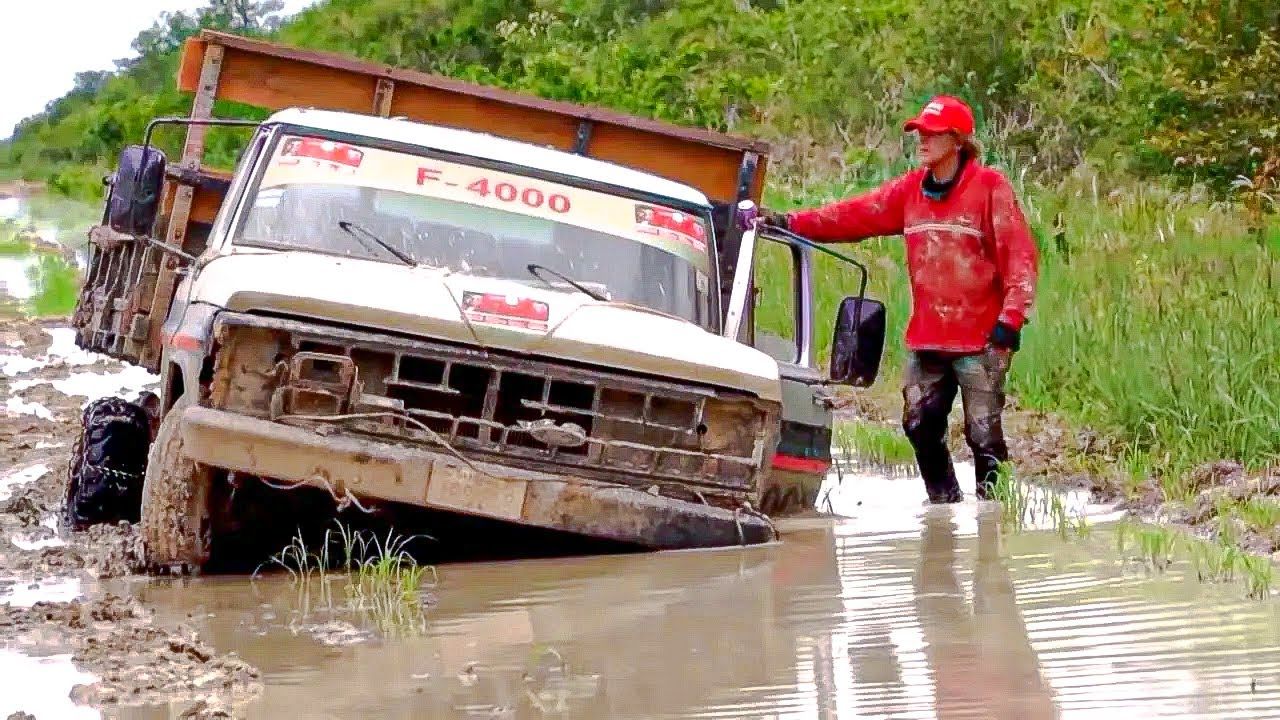


In The Paraguayan Chaco, The Rainy Season Becomes A Survival Test, Roads Become Traps, And Entire Communities Continue Working, Raising Families, And Preserving Traditions Away From The “Easy World”.
In the Paraguayan Chaco, living is not an abstract concept. It’s about waking up early, facing the extreme weather, accepting that the road can decide whether you go or turn back, and moving forward anyway because family, work, and honor are at stake.
Among truck drivers who traverse mud for days, cowboys who spend months away from home, and Mennonites who choose isolation as a rule, the Paraguayan Chaco presents a daily life that mixes physical resilience, discipline, and a constant dose of risk.
The Paraguayan Chaco That Few People Imagine

The Paraguayan Chaco is portrayed as one of the last modern “wild west” landscapes: vast, wild, and sparsely populated.
-
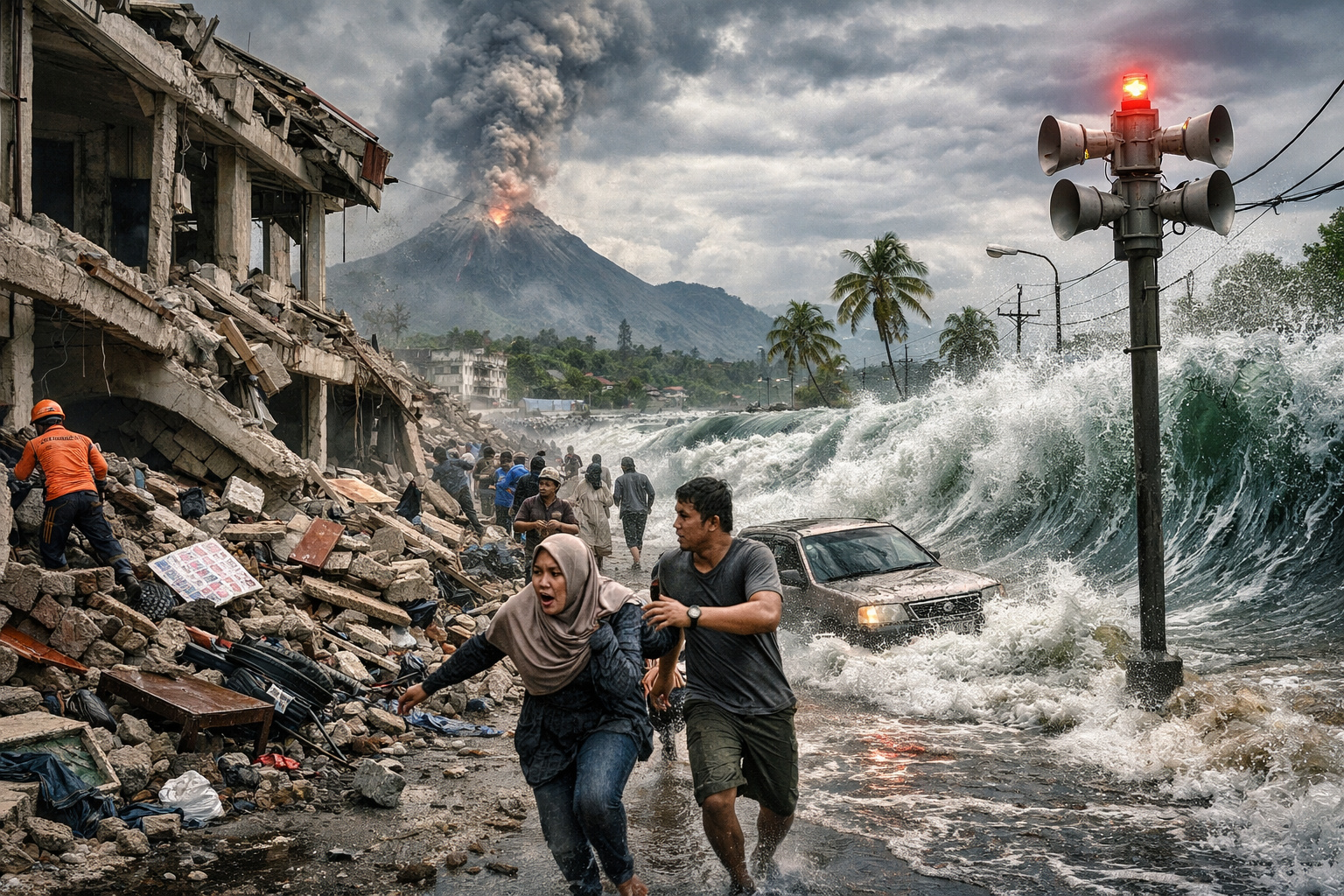
A strong earthquake in Indonesia affects houses and schools, causes panic, triggers a tsunami alert, and records a rise in sea level of up to 30 centimeters in some areas.
-
The Argentine government celebrates the lowest poverty rate in 7 years, but experts warn that the methodology has changed, real wages have fallen, unemployment has risen, and the number of people on the streets of Buenos Aires has increased by 57% since Milei took office.

-
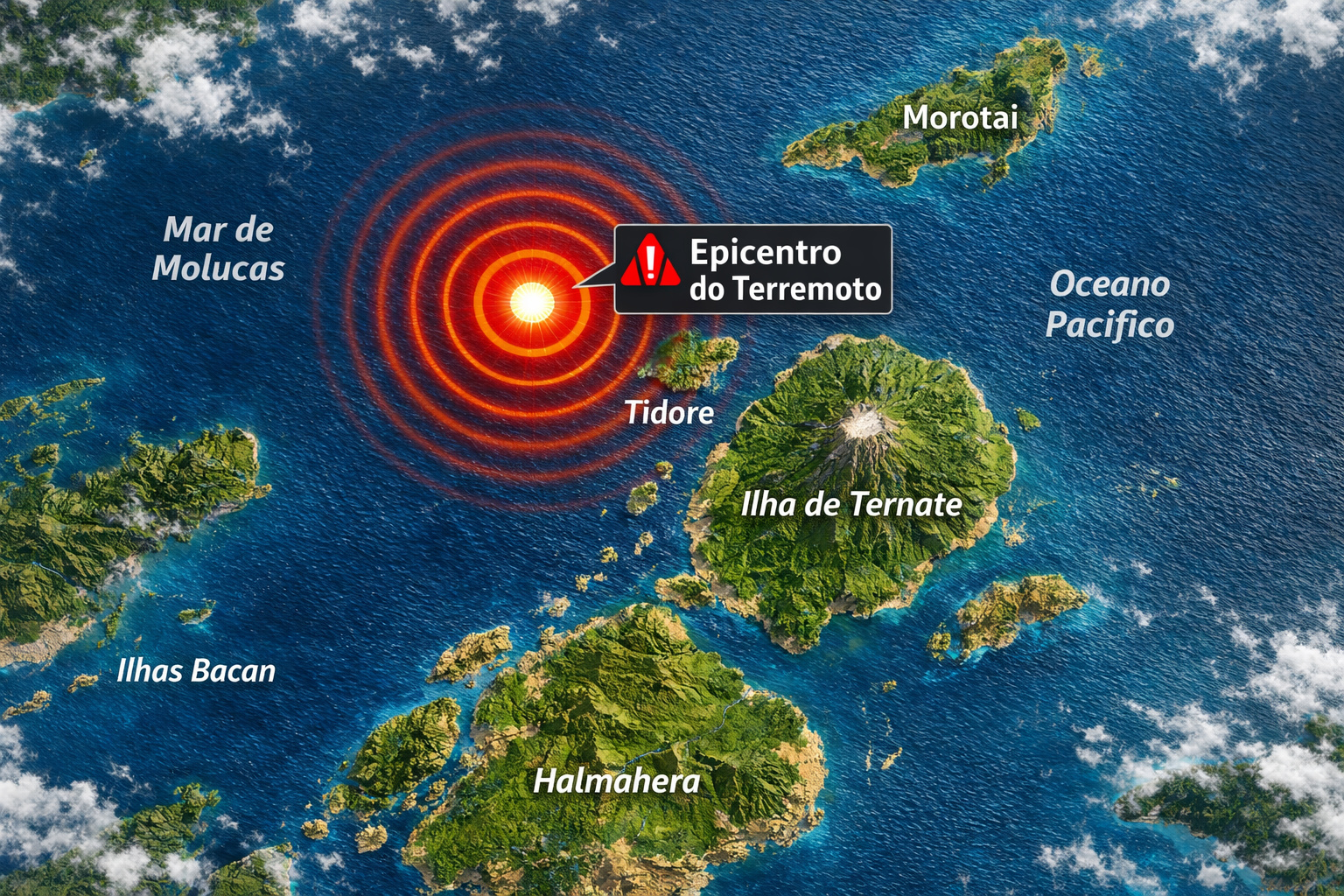
7.8 magnitude earthquake in Indonesia frightens the population, triggers tsunami alert, and hits an island with over 200,000 inhabitants this Thursday.
-
Google will finally let you change that embarrassing Gmail address you created in your teenage years without losing any accounts, logins, or old emails: the feature is already available in the United States.

The feeling is one of being far from everything, with long stretches without help nearby and a routine where improvisation is as valuable as planning.
The weather changes the game. At one time, the heat is punishing. At another, the rain turns the ground into a muddy quagmire that swallows tires, diverts trucks, and makes each kilometer a test of strength and patience.
Michelin, The Truck Driver Who Became A Symbol Of Resilience
In the Paraguayan Chaco, few dare to drive during the rainy season, but some make it a way of life.
Such is the case of a truck driver nicknamed Michelin, known for “withstanding everything,” like the tires that inspired the name. At 67, he continues to work, and the motivation is not romantic: it’s survival.
The routine includes hauling cargo, facing potholed roads, and accepting that even simple tasks become threats. Changing a tire can be dangerous, and the fear isn’t just of accidents: wild animals can appear at any moment. For those traveling alone, caution becomes a rule.
When The Road Becomes An Icy Runway And The Mud Becomes A Sentence
The Paraguayan Chaco has a cruel way of showing its power: in the rain, the road changes its behavior.
Sections that seem easy become traps, the sloping edges pull the vehicle to the side and, when it slips, it’s almost impossible to correct.
Under normal conditions, a long route can take hours. But in the rain, the truck barely moves. There are days when 10 or 15 kilometers feel like a victory, and the decision to stop is not laziness; it’s prudence. Spending the night in the middle of the road can be too dangerous.
Chain Of Help: 4×4, Tire Chain, And Rescue Train
When the truck gets stuck, rescue is not automatic. In the Paraguayan Chaco, the distance and lack of signal make any assistance a challenge. Neighbors escort with 4×4 vehicles, try to pull, improvise tire chains, and digging becomes part of the job.
And even then, many times it’s not enough. The rescue may require larger machinery, like a tractor, and even combined strategies.
A striking solution is the “little train”: the 4×4 pulls the tractor, and the tractor pulls the truck. When it works, it’s a relief. When it fails, it’s back home to try again another day.
Cowboys Of The Paraguayan Chaco: Months Away, Hard Work, And Little Comfort

Life in the Paraguayan Chaco is also measured on horseback. Cowboys tend to large herds, spend long periods on isolated farms, and live with the basics.
It’s a routine that demands both body and mind, with heat, dust, distance from family, and repetitive tasks that allow no mistakes.
In the rainy season, parasites multiply, and the animals suffer. The work includes watching, treating, herding, and enduring fatigue.
To endure, the diet is hearty and simple, with meat appearing all the time. The goal is to have energy for hours of work, not a “perfect” diet.
Competition And Honor: The Gathering That Breaks The Isolation
Even in the Paraguayan Chaco, there are moments when loneliness diminishes. One of them is the annual gathering of cowboys, where families come together to watch events and competitions that measure skill and courage.
There are roping events and rodeos with huge animals, where a few seconds seem eternal. The adrenaline becomes fuel, and the risk is part of the package. It’s an event that combines work, tradition, and pride in belonging to the region.
Mennonites In The Paraguayan Chaco: Tradition As A Border
Among the Mennonites, the Paraguayan Chaco takes on a different rhythm. Isolation is not a consequence; it’s a choice.
In more conservative communities, there is no internet, television, or telephone, and marriages usually happen within the group.
The idea is to protect values and maintain a simple life, as if time had gotten stuck in another century.
School follows the same logic, with teaching in the community’s language and a worldview guided by faith.
Still, changes appear: in some places, wooden wheels become tires, and certain communities start to accept cars and even controlled access to the internet. Tradition endures, but modernity presses.
Would You Have The Courage To Live In The Paraguayan Chaco For A Year, Facing Deadly Roads, Isolation, And Extreme Weather, Or Does It Exceed Any Limit Of “Acceptable” Routine?






Mas isso aí não é caminhão nem morosidade é infelizmente é um pé de pleck mostra uma imagem certa de caminhão de verdade kkkk
Sou militar de carreira. Nunca vivi outra vida profissional em 40 anos. Entretanto, ao contrário do que se imagina, a vida de um militar é carregado de ciência e experiência. Criamos resiliência. Cultuamos o sobrevivêncialismo e a adaptabilidade a ambientes adversos. Por conviver em grupos, formamos em nós o perfil de liderança. Apreciamos o modo de vida simples. Sentimos bem quando ajudamos o próximo. Toda cultura técnica é de grande valor agregado. Não precisamos ter formação acadêmica avançada, mas temos a capacitação em transformar o pouco em muito. Sempre de forma prática. Nosso objetivo é transformar eficiência em eficácia. Portanto, será uma oportunidade de ouro a adversidade do Chaco Paraguaio.
Na guerra da Tríplice Fronteira Guerra do Paraguai, grandes perdas do Exército Brasileiro foi causado pelas pestes e dificuldade de deslocamento no ChacoParaguaio. Primeira leva de soldados, calcula-se a perca de 2.000 soldadosdevido a estes fatores.