





 Portuguese
  English
  Spanish
  5 min of reading
  1 comment


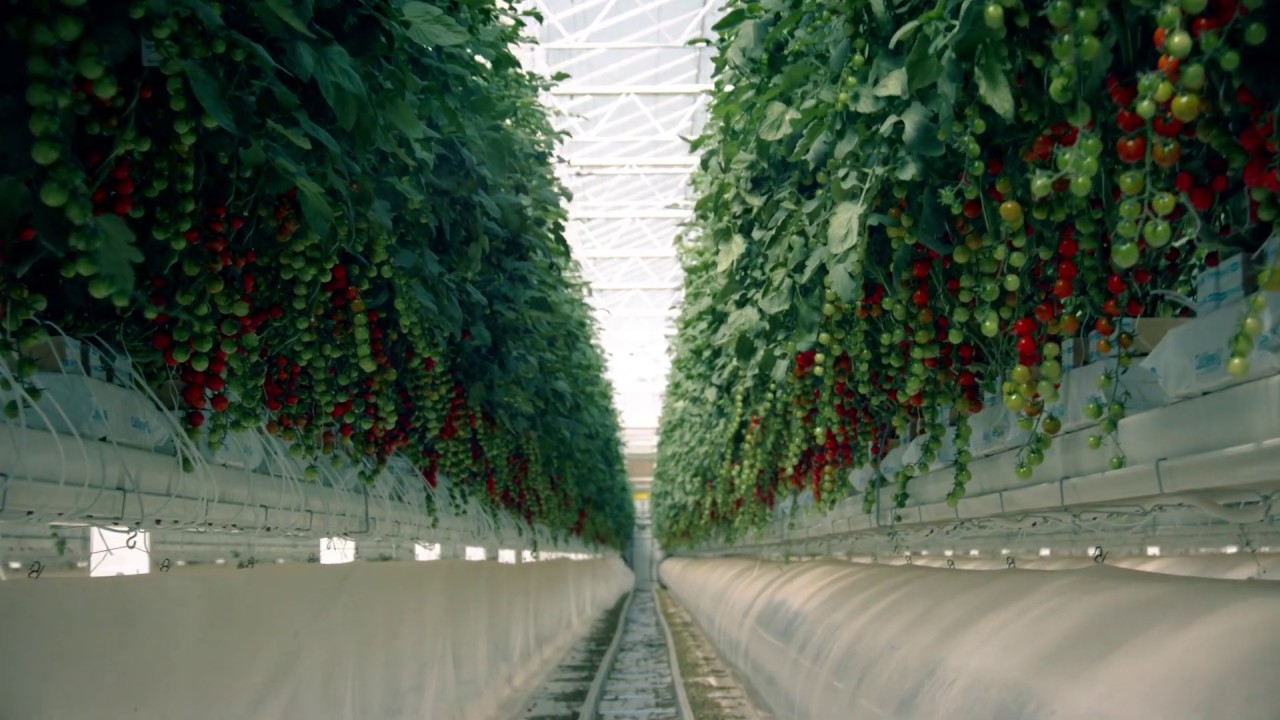


Solar Greenhouses in the Saudi Desert Combine Solar Energy, Desalination, and Agriculture in Innovative Systems That Produce Water and Food in Arid Areas.
Saudi Arabia is one of the driest countries in the world: 95% of its territory is desert, there are no permanent rivers, and traditional agriculture is nearly impossible without large volumes of water. To meet demand, the country has historically depended on food imports and fossil aquifers, putting pressure on delicate natural resources.
In recent decades, with population growth and the need to reduce dependence on imported food, the government and private companies have begun to explore technologies capable of making agriculture viable in arid environments using abundant resources found in the desert itself — specifically, solar light and seawater.
The Technology That Transforms Sun and Sea Into Drinking Water for Agriculture
One of the most innovative approaches is the construction of solar greenhouses integrated with desalination and energy generation systems.
-
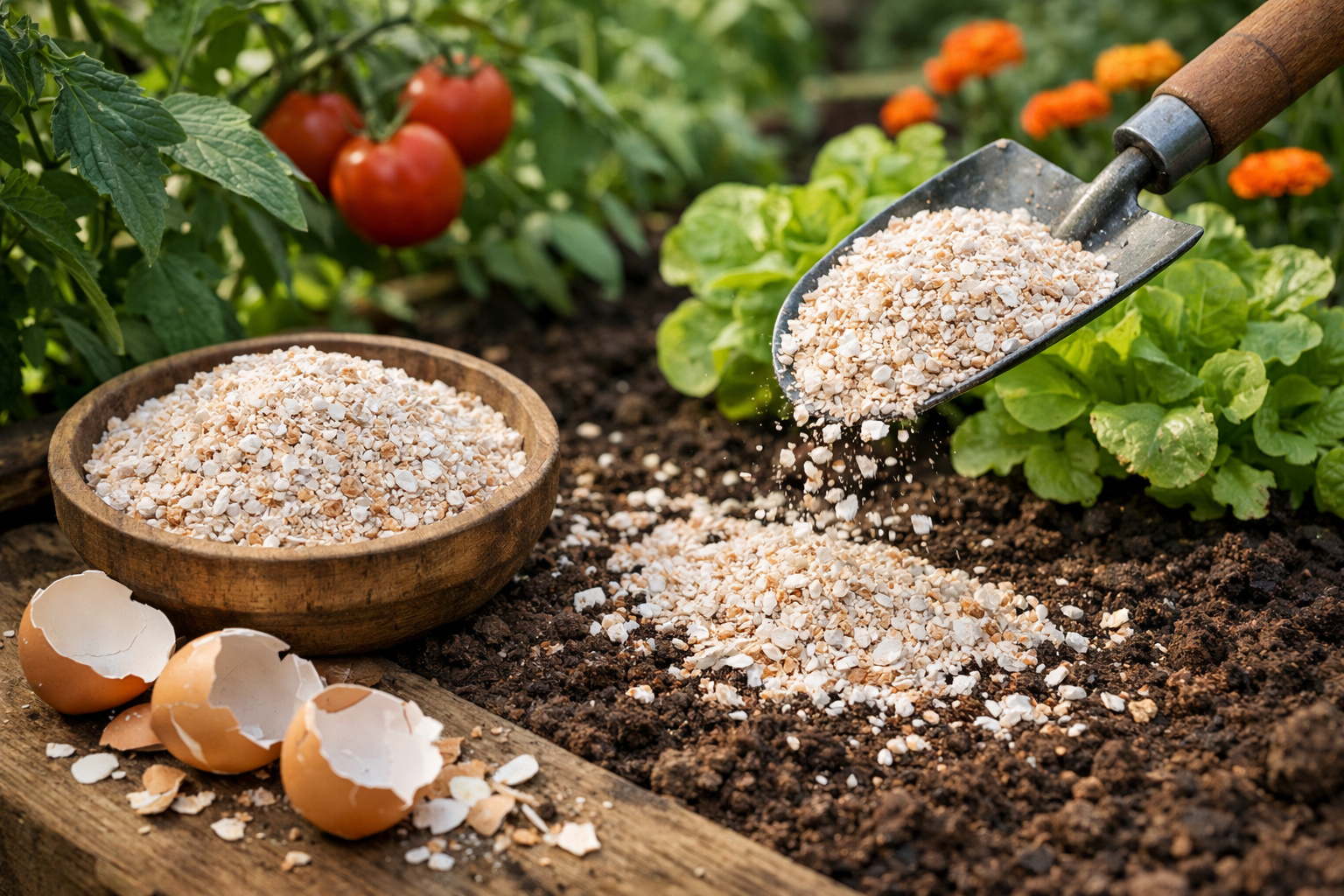
The eggshell that almost everyone throws away is made up of about 95% calcium carbonate and can help enrich the soil when crushed, slowly releasing nutrients and being reused in home gardens and vegetable patches.
-
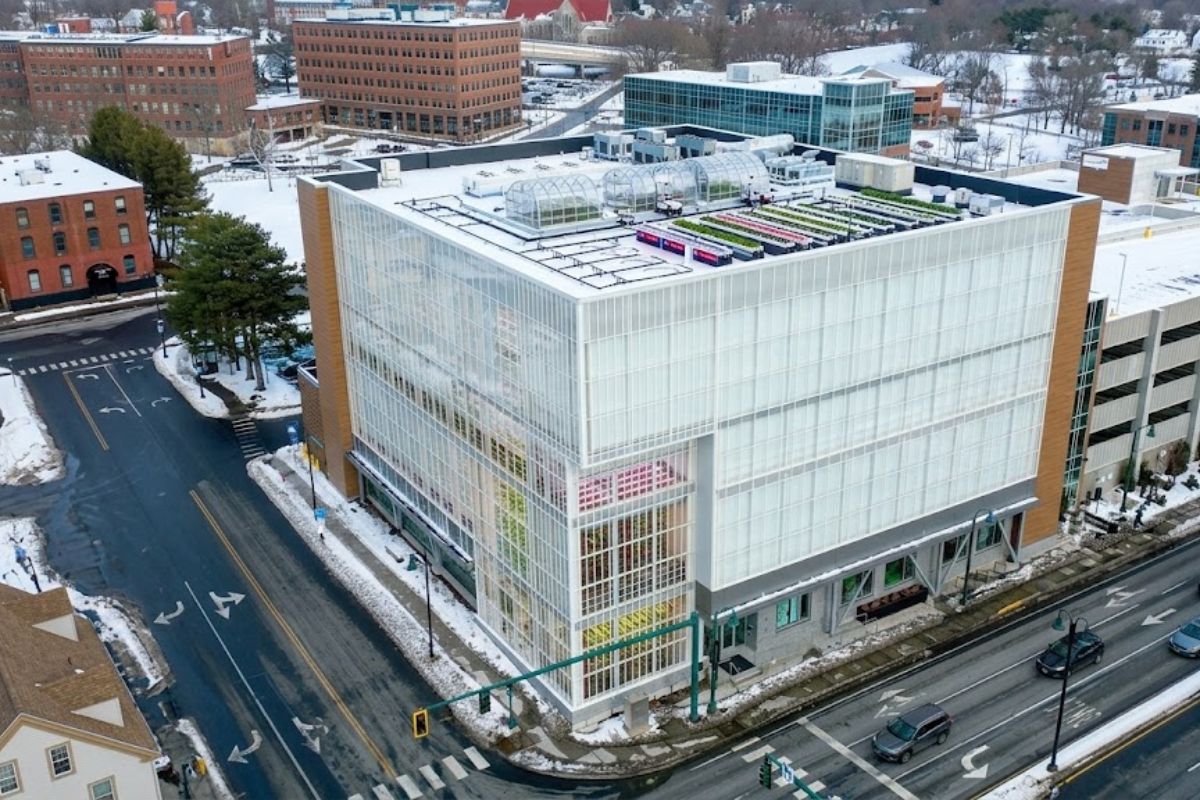
This farm in the United States does not use sunlight, does not use soil, and produces 500 times more food per square meter than traditional agriculture: the secret lies in 42,000 LEDs, hydroponics, and a system that recycles even the heat from the lamps.
-
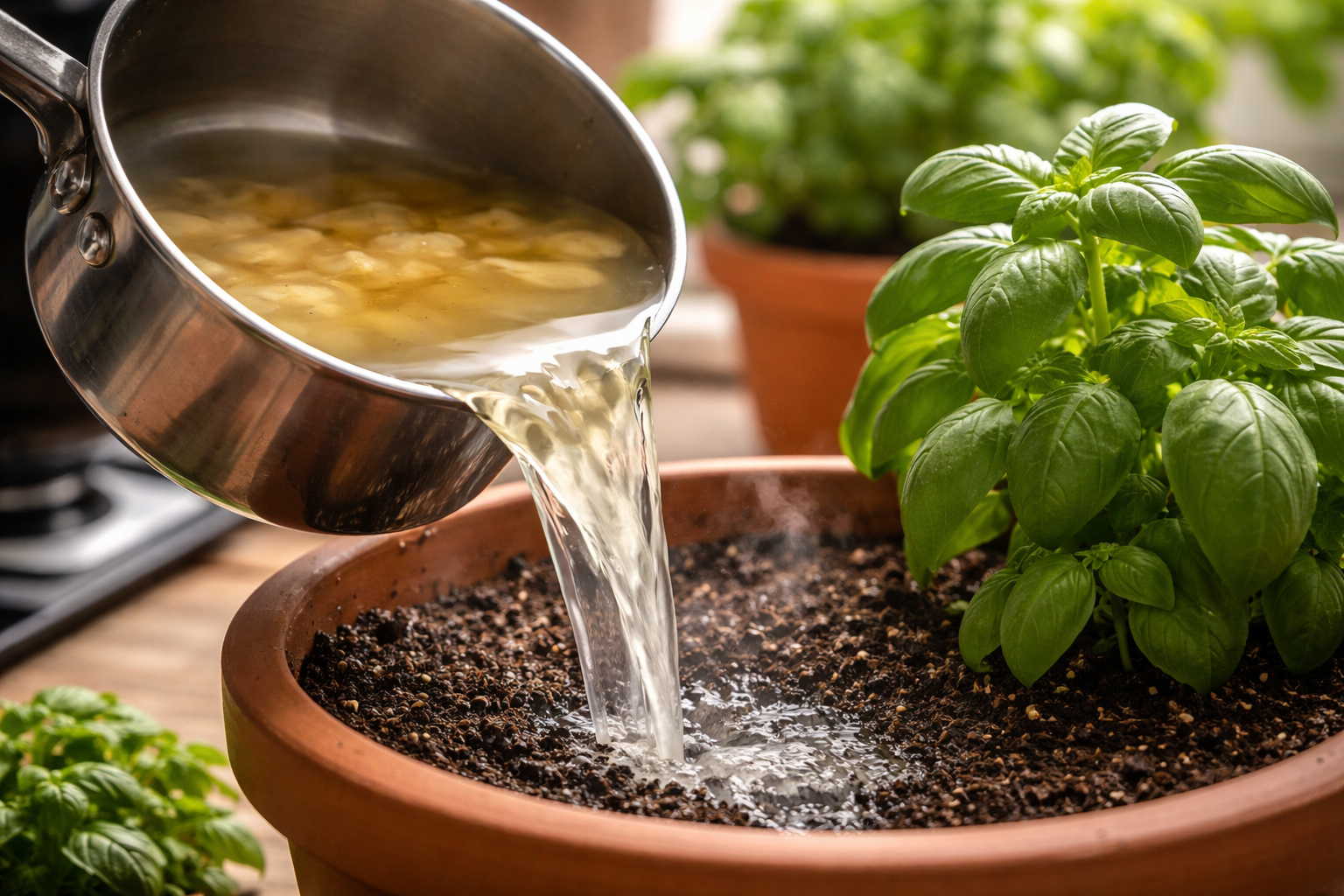
The water that almost everyone throws away after cooking potatoes carries nutrients released during the preparation and can be reused to help in the development of plants when used correctly at the base of gardens and pots, at no additional cost and without changing the routine.
-
The sea water temperature rose from 28 to 34 degrees in Santa Catarina and killed up to 90% of the oysters: producers who planted over 1 million seeds lost practically everything and say that if it happens again, production is doomed to end.

While there isn’t a single standard project (like a single installation with a known name), several similar initiatives and technologies are being tested and implemented with the same goal: harnessing the huge amount of sunlight to create fresh water and electricity for sustainable agricultural cultivation.
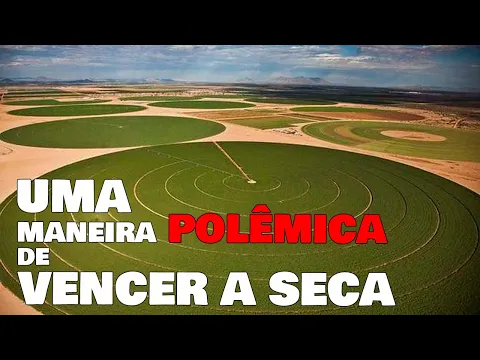

The Sundrop Farms system, for example, although originally located in Australia, showcases what can be done with this technology: a field with over 23,000 mirrors concentrating solar energy to produce heat and electricity, and since then generating about 1 million liters of fresh water per day from seawater, in addition to producing food in the heart of the desert.
This technology combines concentrated solar energy, thermal desalination, and hydroponic agriculture into a single integrated production chain.
In Saudi Arabia, similar solutions are being explored, including by companies like Red Sea Farms, which develop greenhouses that use saline water instead of fresh water, replacing 80% to 90% of traditional potable water with diluted or treated seawater for cultivation.
These innovative systems are based on the premise that:
- the Sun provides abundant and free energy, which can be used both for photovoltaic capture and thermal generation;
- seawater is the source, and integrated desalination systems convert this water into agricultural water;
- the energy generated powers irrigation and cooling systems, closing the cycle without relying on fossil fuels.
This integration transforms what would be a completely hostile environment into a place where crops can grow year-round.
How Solar Energy Powers Everything
Saudi Arabia is one of the countries with the highest solar irradiation on the planet, with over 3,000 hours of sunshine per year. This condition favors two main types of technology:
Photovoltaic Solar Energy (PV)
Photovoltaic panels convert sunlight directly into electricity, which can power pumps, climate control systems, and internal lighting of the greenhouses.
Concentrated Solar Energy (CSP)
Instead of simple panels, mirrors reflect and concentrate sunlight onto a receiver that heats a fluid, generating steam.
This steam can drive a turbine to generate electricity or power thermal systems, including for thermal desalination.
These systems are already used in solar desalination plants like the Al-Khafji Solar Desalination Plant in Saudi Arabia, which combines photovoltaic panels with a solar field and a reverse osmosis system to desalinate seawater more sustainably, producing up to 60,000–90,000 m³ of water per day.
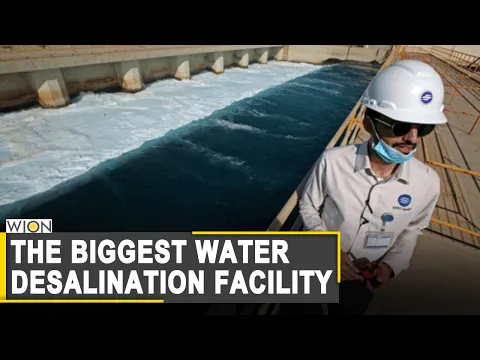
The same logic of harnessing the Sun that fuels these plants can be and is being applied to agricultural greenhouses: sunlight provides electricity, heat, and even desalination systems that ensure water for irrigation.
Precision Agriculture in the Desert: Water, Energy, and Food
While some initiatives are still in research and pilot phases (such as projects developed by universities and startups), others are already operational or close to scaling up.
Projects involving solar greenhouses with integrated desalination and irrigation can:
- generate drinking water from seawater using solar energy
- produce electricity for internal systems without fossil fuels
- cultivate food in deserts, where it was previously impractical
For example, studies show that solar technologies can create systems capable of generating drinking water using the waste heat from electricity generation, producing enough water for cultivation and meeting human consumption standards when implemented at scale.
Moreover, initiatives like Red Sea Farms in Saudi Arabia work with salt-tolerant crops, replacing up to 80–90% of fresh water with solutions using seawater in controlled greenhouses.
This drastically reduces both the need for drinking water and the carbon footprint associated with traditional irrigation.
The Real Impact of Integrated Production in the Desert
The social and economic impacts of implementing these technologies in the Saudi desert have the potential to be significant:
Reducing Dependence on Groundwater
Intensive cultivation in deserts requires a lot of water. Using desalinated water relieves pressure on aquifers that are already under severe stress from over-extraction.
More Local Food, Less Imports
Agricultural systems integrated with desalination and solar energy can produce fruits, vegetables, and greens year-round, reducing dependence on food imports in a country that traditionally imports most of its fresh food.
Water and Energy Sustainability
By combining water and energy production with agricultural cultivation, these greenhouses create a more resilient production cycle that does not rely on fossil fuels or large traditional irrigation systems.
Global Comparison: What Can Be Learned
The technologies that combine solar energy, desalination, and agriculture are not restricted to Saudi Arabia. Examples in other countries — such as the Sundrop farm in the Australian desert that produces over 15,000 tons of tomatoes a year using only seawater, solar energy, and hydroponic systems — show that the model is scalable to other arid geographies if there is investment and technological adaptation.
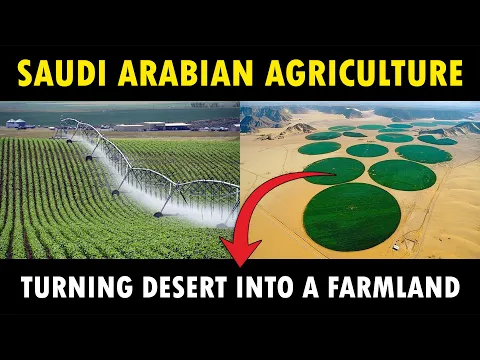
The difference is that in Saudi Arabia, the market potential and social need are much greater due to the extreme dependence on imported food and scarce water resources — and there is strong economic and strategic motivation to transform this scenario.
The Next Steps and Challenges
Even with potential, there are real challenges:
- High Initial Cost: solar, desalination, and integrated greenhouse infrastructure require significant initial investment.
- Specialized Technical Operation: hybrid systems require advanced knowledge in agronomic engineering, solar energy, and water resource management.
- Scalability: replicating in multiple centers requires logistical planning and government support.
Still, governments, universities, and private companies in the Middle East and Saudi Arabia are intensifying research and partnerships to expand this technology. The aim is to create climate-resilient agriculture and close a sustainable cycle of water and food production in truly hostile environments.
Saudi Arabia is at the forefront of sustainable agriculture in the desert by integrating:
- abundant solar energy,
- seawater desalination,
- high-tech agricultural greenhouses,
into a system that produces drinking water and food in one of the most inhospitable environments on the planet. The technology is still at varying scales, but its potential has already been proven in analogous cases and today serves as a global reference.
If expanded, it could redefine how arid deserts feed their populations and reduce dependence on external resources, making them less vulnerable to climate change.










No se que se está haciendo en España, teniendo está tecnología seguimos teniendo escasez de agua frente al mar, y desiertos en Almería y propagándose a más territorios.
Hasta cuando vamos a estar sin aplicar estás y otras tecnologías teniéndolas.