





 Portuguese
  English
  Spanish
  4 min of reading
  0 comments


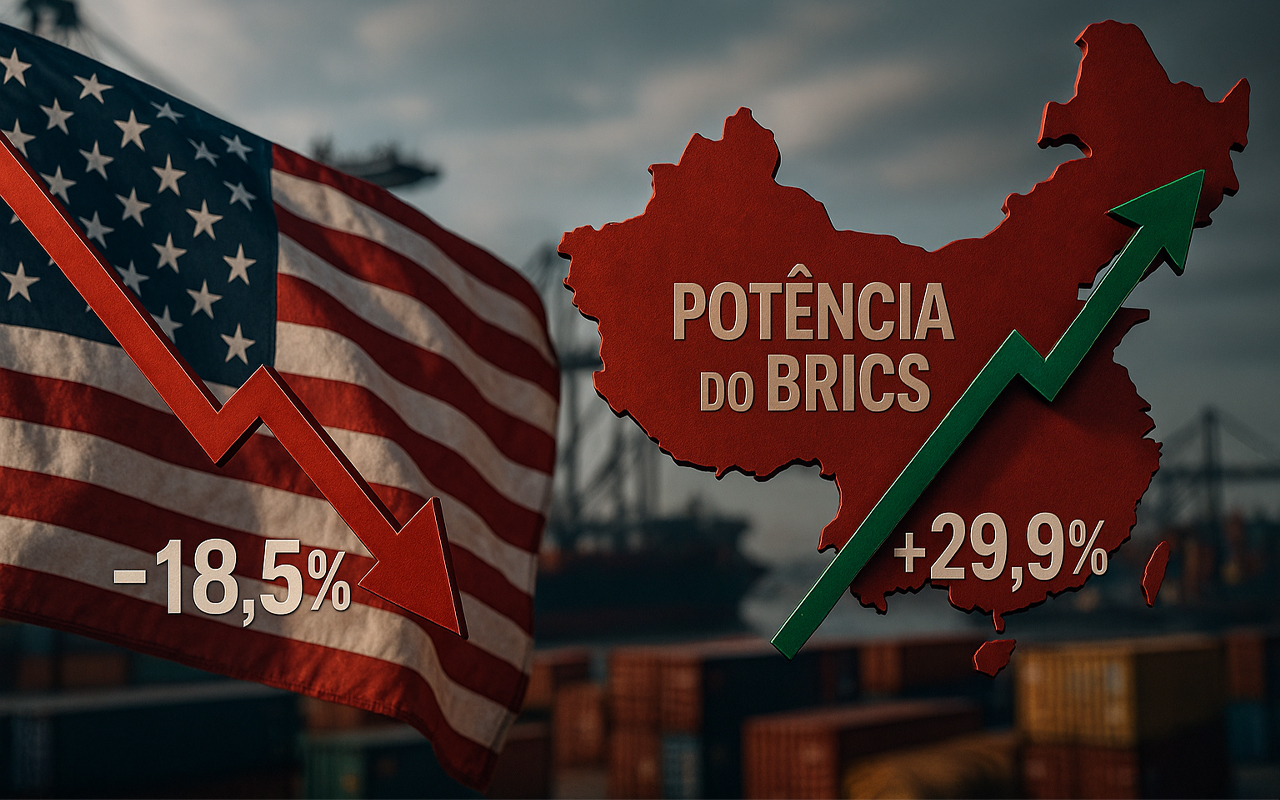
In The First Month Of The Implementation Of The 50% Tariff From The US, Brazilian Sales To The North American Market Fell 18.5% In August To US$ 2.76 Billion. The Balance With The US Turned To A Deficit Of US$ 1.23 Billion, While Exports To China Grew 29.9%.
Brazil ended August with an 18.5% drop in exports to the United States compared to August 2024, totaling US$ 2.76 billion. The decline coincided with the first month of implementation of the 50% surcharge applied by Washington to Brazilian products. The data is official from Secex/MDIC.
On the import side, there was a 4.6% increase in Brazilian purchases of goods from the US, leading to a bilateral deficit of US$ 1.23 billion in August, the largest of the year. Even with the pressure on trade with the North Americans, global performance was supported by other destinations, sales to China, one of the largest economies that are part of BRICS, advanced 29.9% and helped to maintain the monthly surplus of the balance.
For Herlon Brandão, director of Statistics and Foreign Trade Studies at MDIC, the “tariff shock” from the US is determining for the downward movements, although there is also an effect of anticipation of shipments in July and other demand factors. “It is certain” that Brazil-US trade will fall, but the magnitude still depends on market behavior in the coming months.
-
Premium Brazilian brand born during the pandemic brings fine cocoa from Bahia to Switzerland, Germany, and France, has won 9 awards, and claims to have the 2nd best milk chocolate in the world: meet Luz Cacau.
-
Júnior Friboi has just purchased one of the largest feedlots in all of Brazil, located in Goiás, with the capacity to produce 180,000 cattle per year, and the manager has already come forward to reassure employees about layoffs.
-
Pharmacy inside the supermarket: what changes now in your purchase, why medicines won’t go on the shelves, which rules remain strict, mandatory pharmacist, separate space, controlled storage, more convenience and competition in the country.
-
Ports like Santos and Paranaguá are operating at their limits and may block containers as early as 2030, warns a study by Macroinfra; bottlenecks increase costs and delays and push cargo to Rio, Salvador, Pecém, and Suape across Brazil.
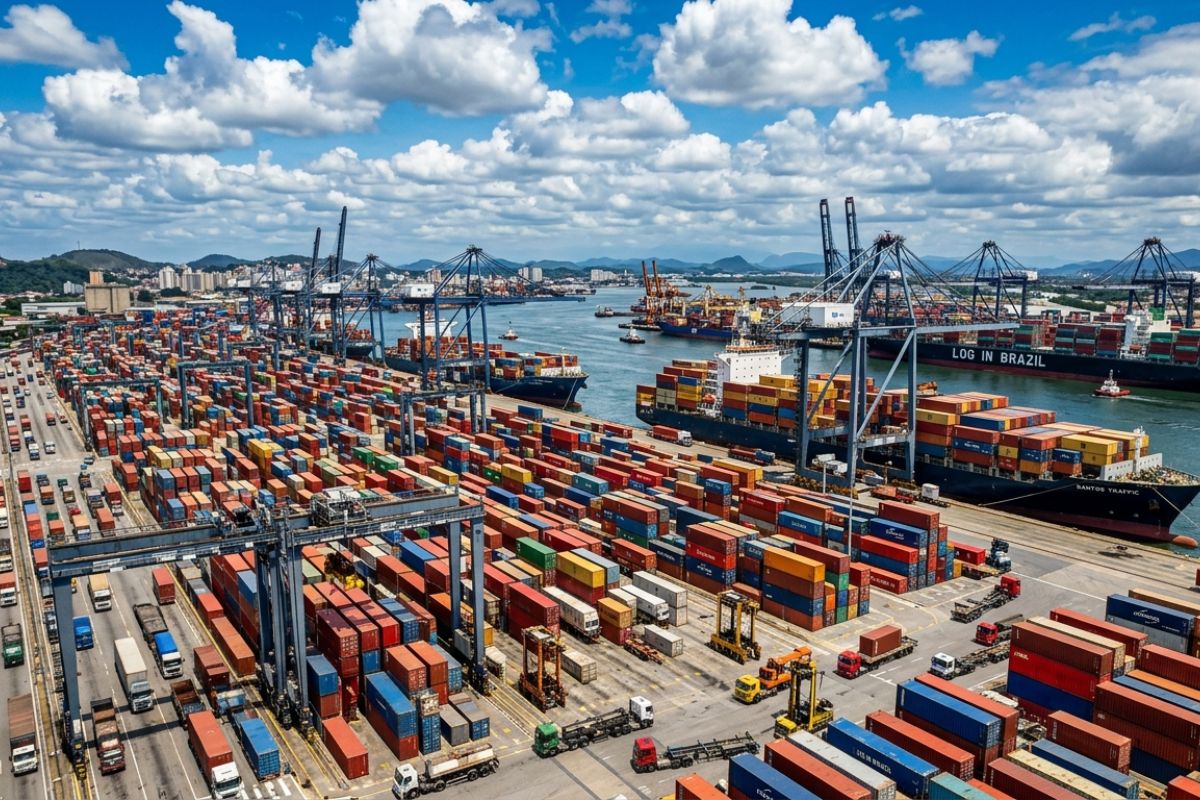

50% Tariff: When It Came Into Effect And How It Affects Price And Demand
The surcharge of 50% came into effect on August 6, 2025, in a decision by the North American government. Since then, exporters have been monitoring sectoral impacts and any exceptions and adjustments that could mitigate the reach of the measure.
In practice, a tariff of this magnitude raises the price of Brazilian products in the destination market, reducing demand when there are substitutes and competitors capable of meeting the market. In sectors with highly relevant customers in the US, companies may reduce prices to preserve space, which compresses margins. This is the technical reading reinforced by MDIC.
The Brazilian government maintains negotiation channels, but recognizes that the immediate effect tends to be a reaccommodation of trade flows — with re-routing of shipments to alternative markets while assessing possible exceptions and the evolution of North American trade policy.
Exports To The US Down 18.5%: Most Affected Sectors
The impact was heterogeneous by sector. Among the largest retractions in August’s sales to the US are aircraft and parts (−85%), semi-finished iron/steel products (−23%), fuels (−37%), sugar (−88%), iron ore (−100%), electric power machines (−46%), fresh beef (−46%), non-electric motors and machines (−61%), and cellulose (−23%).
According to MDIC, part of the decline also occurred in non-tariffed items, due to the anticipation of shipments in July and market conditions (international prices and demand). In other words, the tariff explains a large part, but not all of the movement.
The sector diagnosis is still preliminary. As Secex pointed out, it is necessary to monitor more than one monthly cycle to isolate the tariff effect from other short-term shocks.
China Gains Space: +29.9% In Brazilian Purchases And Surplus Is Maintained
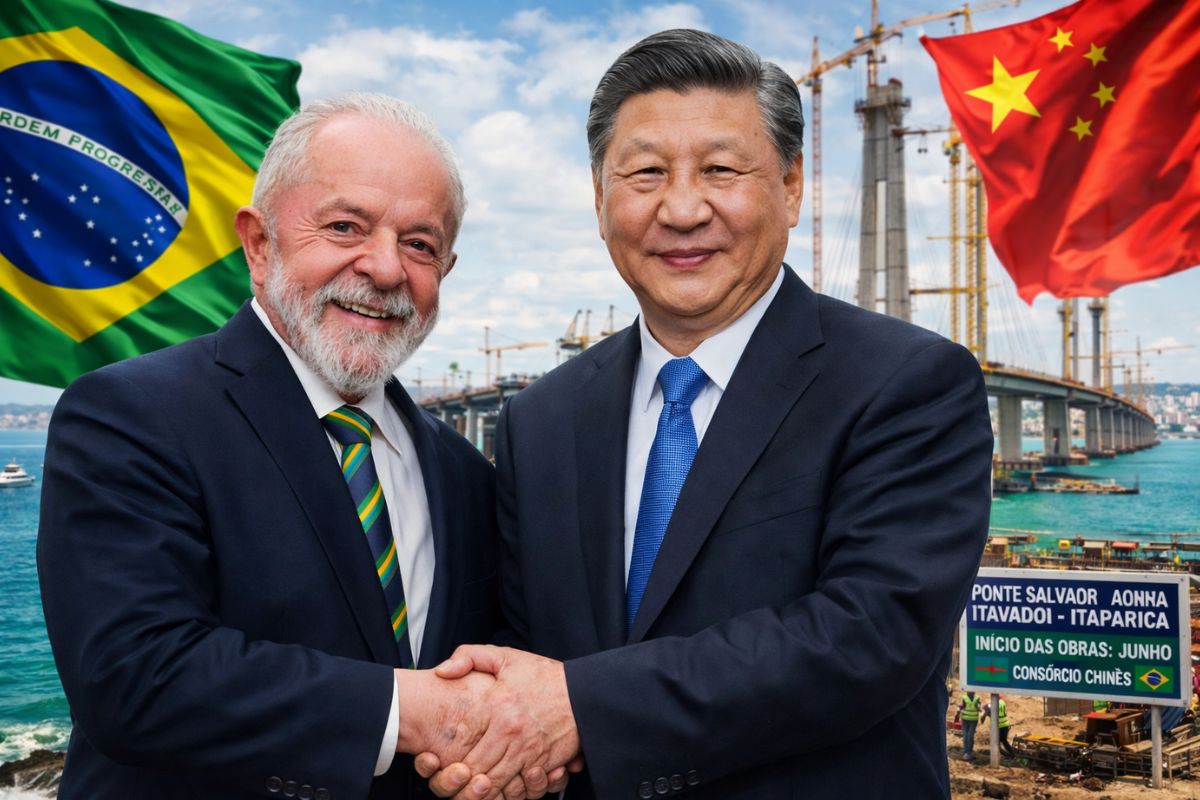
While the US retreated, China increased its imports from Brazil by 29.9% in August. Mexico also purchased more (up 43.8%), helping to soften the impact of the tariff on the overall result of the month.
It is worth noting that China is a founding member of BRICS (Brazil, Russia, India, China, and South Africa), a bloc focused on economic, financial, and technological cooperation among emerging countries. The jump in Brazilian exports to there is a sign that Brazil has a strategic partner within the group to redirect sales, negotiate conditions, and maintain trade flow during tariff shocks.
In the consolidated data for August, the Brazilian trade balance recorded a surplus of US$ 6.1 billion. In the accumulated year up to August, exports totaled US$ 227.6 billion and imports US$ 184.8 billion, with a positive balance of US$ 42.8 billion.
For companies, the scenario imposes three fronts: renegotiation of contracts in segments more sensitive to price; diversification of destinations (Asia, Latin America); and currency and cost management to preserve margins in a higher uncertainty environment. This reading is shared by analysts and specialized coverage.
And you, do you believe that the 50% tariff from the US will be a temporary shock that Brazil can overcome with new markets and price adjustments, or a lasting blow that will reduce margins, jobs, and exports? What should the government and companies do now to react? Leave your opinion in the comments.







-

-

-

-

-

-

38 pessoas reagiram a isso.