





 English
  Francês
  Alemão
  Italiano
  Japonês
  Norueguês
  Portuguese
  Spanish
 3 min of reading


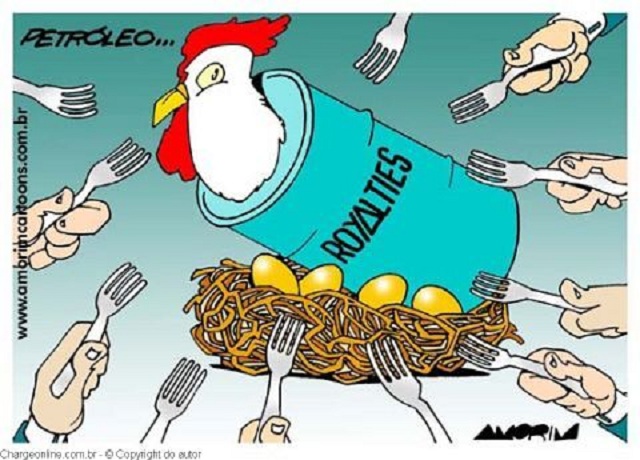
The STF Will Vote on the Oil Royalties Law in April, Which Threatens Niterói’s Budget; If the New Law is Passed, the City Will Lose About R$ 1 Billion
If the Oil Royalties Law is approved by the Federal Supreme Court (STF) in April, Niterói’s budget will drop from R$ 3.61 billion to R$ 2.65 billion this year — a value 26% lower, representing an amount of R$ 951 million. Rio Will Collapse If the Law Changing the Distribution of Oil Royalties is Approved in November
Read Also
- Oil Royalties Have Already Yielded R$ 287 Million for Macaé This Year.
- Jobs Ahead! Método Potencial Signs Contract with Petrochemical Leader Braskem
- Nuclear Energy Reaches Record Generation in Brazil; Angra 1 and 2 Plants Had Their Best Year in History in 2019
- Ports on the Rise; The Port Sector’s Horizon Is Broad for 2020! Federal Dock Companies Reversed Financial Losses and Started Operating at a Profit
With the current rules, the National Agency of Petroleum (ANP) predicts that Niterói will collect R$ 1.48 billion from oil exploration this year, but if the STF changes the distribution, the amount will drop to R$ 535 million.
-
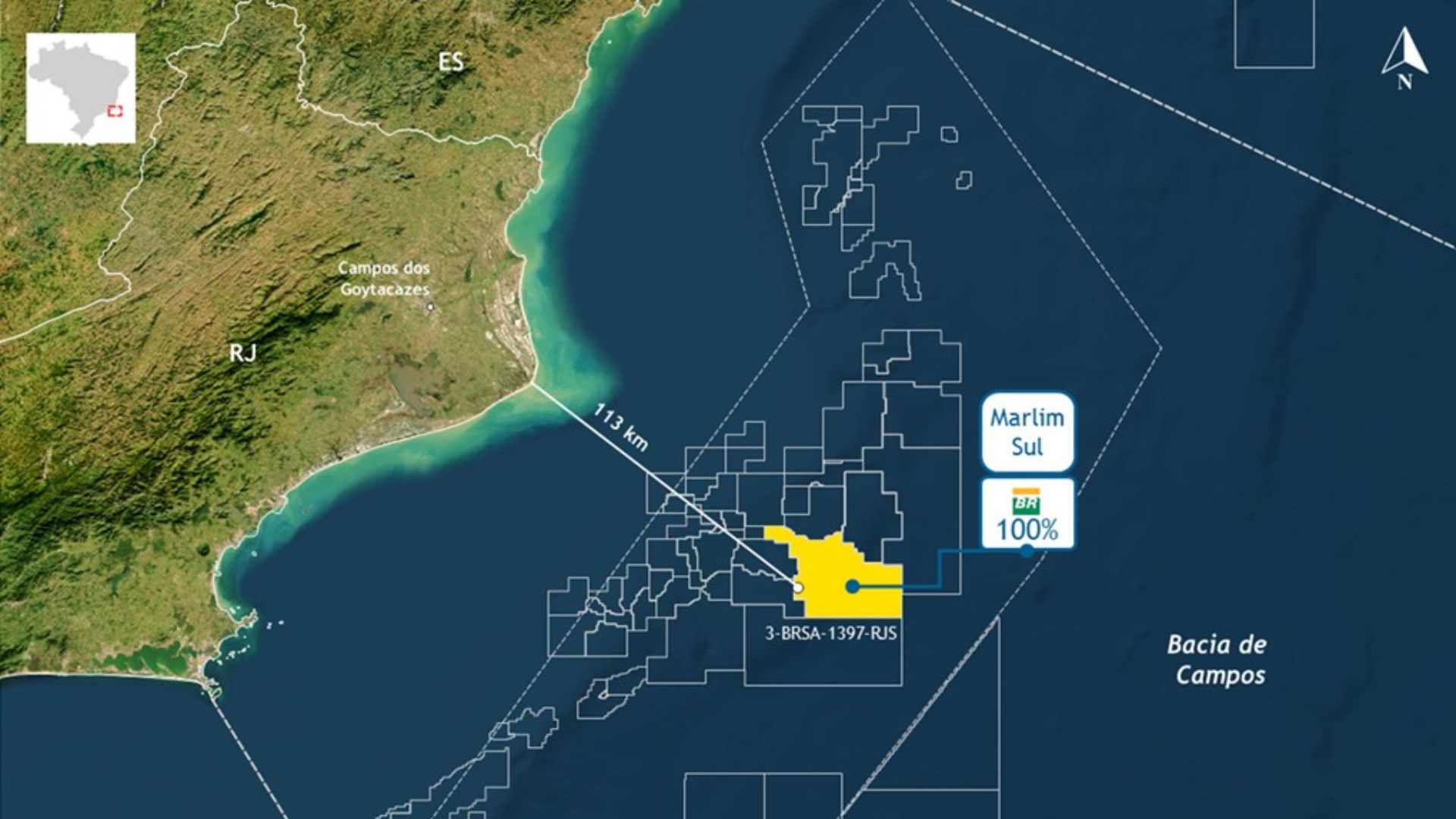
Petrobras announces new oil discovery in the pre-salt of the Campos Basin and reinforces Brazil’s prominence with high-quality reserves that can increase production and energy revenues.
-
Alert in the fuel market: Analysts and a former director of ANP warn that oil prices may worsen in the coming months due to global instability.

-
Ocyan brings executives and digital solutions to Macaé Energy 2026 and highlights offshore expansion with Nexio and a new base in Macaé.

-
Petrobras advances 4.6% with rising oil prices and the dollar, reigniting the debate on macro risks, pricing policy, and fiscal impact in Brazil.


In light of the potential revenue drop, the Public Ministry of the State of Rio (MPRJ), through the Collective Guardianship Prosecutor’s Office in Niterói, issued a letter to the Executive asking for information about the internal control structure and planning, budgeting, and management, as well as the measures being taken to support any potential scarcity.
The measure was taken after a technical report from the agency indicated that Niterói would have lost about R$ 942 million in royalties and special participations if the law had already been in effect. From the R$ 1.37 billion collected from oil, the city would have kept only R$ 436 million.
Since 2016, Niterói has seen its revenue from oil soar; that year, the city collected about R$ 316.7 million — a figure four times lower than the R$ 1.37 billion in 2019.
The Royalties Law — sanctioned in 2012 by Congress but subsequently suspended by the STF after a lawsuit filed by the government of Rio — provides for a reduction from 26.5% to 4% in the distribution of the financial resources from royalties, and from 10% to 4% regarding special participations (financial compensation granted when there is a large volume of production) to producing municipalities, which is the case of Niterói. These resources would be redistributed to all states and municipalities, not just to producers.
According to the Department of Finance, despite affecting Niterói’s revenue, the possible change will not cause a breach in the accounts, and if the change materializes, the municipality will start receiving an amount proportional to that of 2016, the year it ranked first in the state of Rio in the Firjan Fiscal Management Index.
— Any change will have an impact because the flow of revenues is very high, but we have fiscal control mechanisms that would not allow the accounts to go out of control, such as the Revenue Equalization Fund (FER), and the fiscal surplus. Eventually, we may need to change the investment planning — says Secretary Giovanna Victer.
In March 2019, the city hall created the FER, a savings fund that will receive, for 20 years, 10% of the quarterly funds pertaining to the special participations from oil. Today, the fund has R$ 245.4 million.










Seja o primeiro a reagir!