





 Portuguese
  English
  Spanish
  3 min of reading
  1 comment





Nobel John Clarke Alerts That Trump Cuts Could Paralyze Scientific Research And Delay Advancement Of Science In The United States.
The renowned physicist John Clarke, winner of the 2025 Nobel Prize in Physics, issued a strong warning on Tuesday (10/07/2025) about the impact of former President Donald Trump’s policies on American science.
In an interview, Clarke stated that cuts in research and layoffs of governmental scientists pose an unprecedented risk to the future of innovation in the country.
According to him, these measures “will paralyze much of the scientific research in the United States” and could take “a decade to recover lost ground.”
-
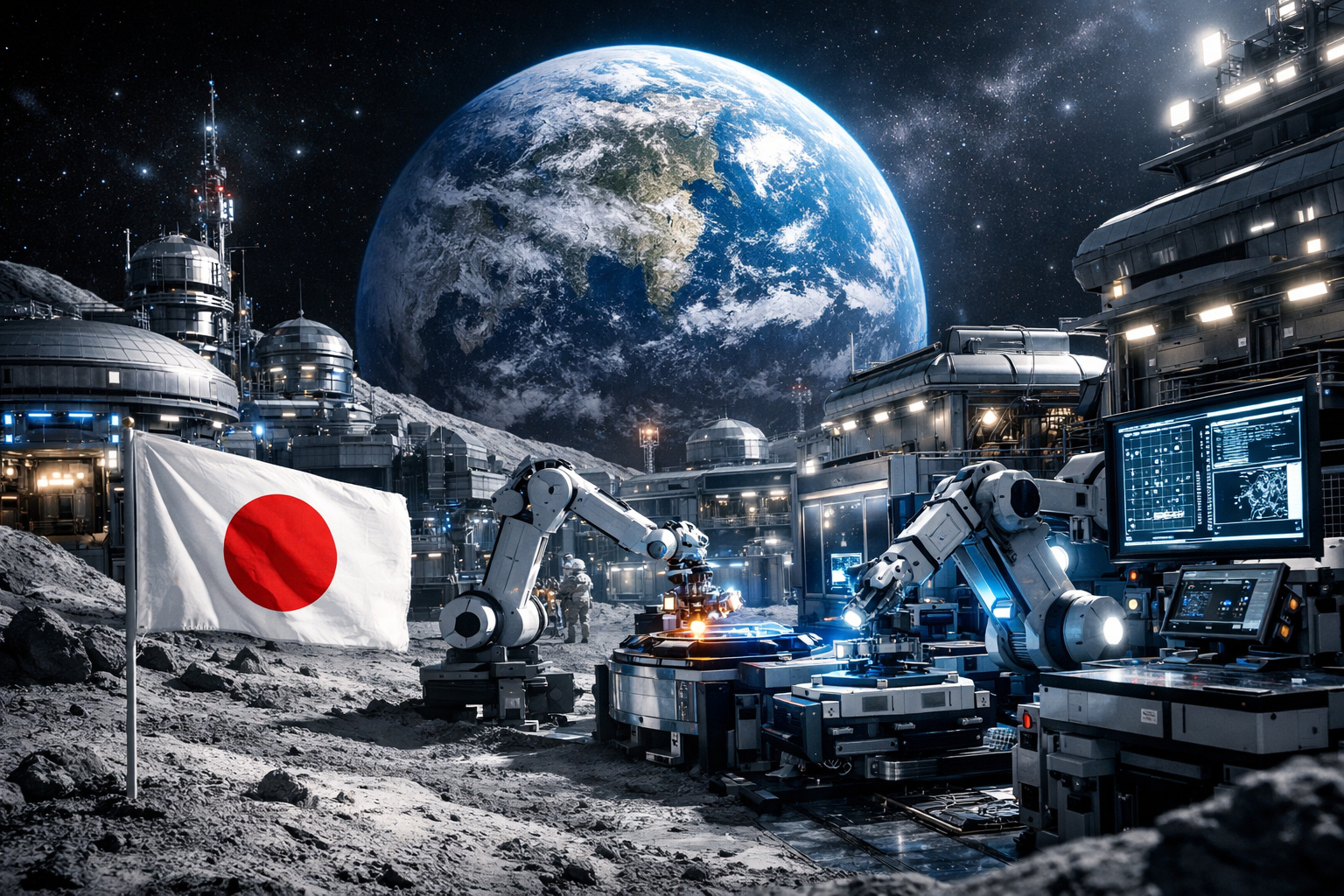
Japan shocks the world by announcing a billion-dollar plan to build a chip factory on the Moon with the support of Toyota, Sony, and the government, aiming for 2-nanometer technology and global dominance.
-
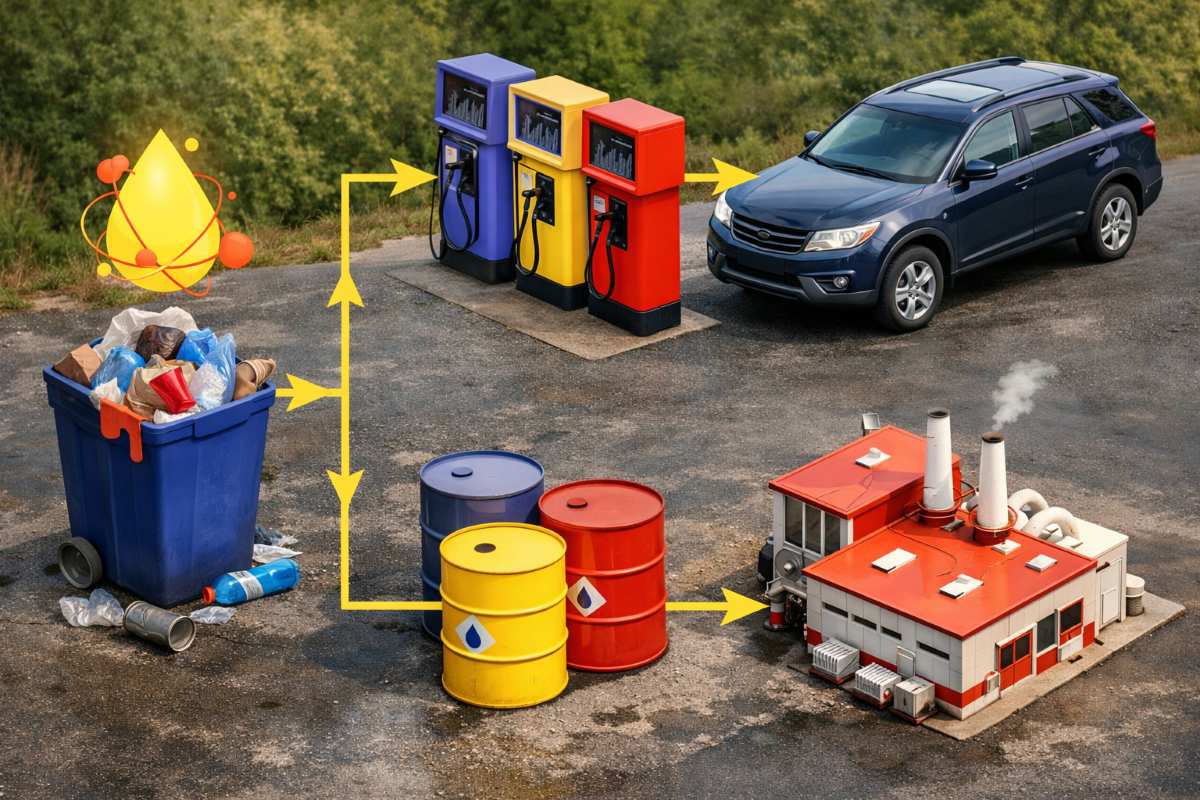
Scientists in the U.S. transform plastic waste into gasoline and diesel with nearly 60% efficiency using molten salts and less than 200 °C, in a process that could cost less and challenge traditional methods that reach 500 °C.
-
With the war silencing the wells of Iran, Brazil set a record of 5.3 million barrels per day and rose in the global oil ranking without anyone noticing — the pre-salt now accounts for 80% of everything that comes from the seabed.

-
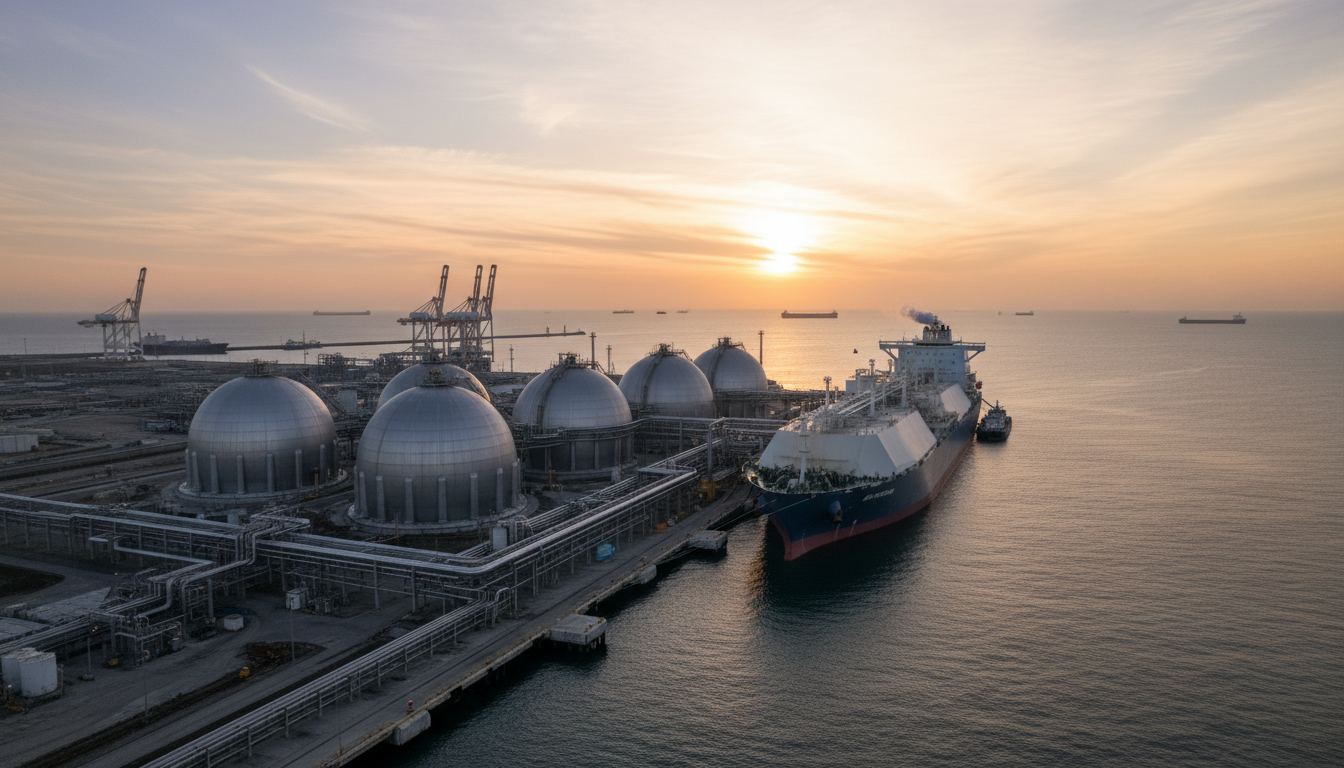
After years of delays and billions invested, the Golden Pass megaterminal in Texas is about to start exporting liquefied gas and will reshape the global energy map amid the Middle East crisis.
The 83-year-old Brit received news of his victory during the night when a call from Sweden informed him about the award—a moment he initially thought was a prank. “It soon became clear that it was real,” Clarke recounted, emotional.
The scientist, a professor at the University of Berkeley in California, shared the prize with colleagues Michel Devoret from France and John Martinis from the United States for their contributions to quantum mechanics.
“It Will Be Disastrous If It Continues,” Warns Nobel John Clarke
During the press conference, Clarke did not hold back criticism of the scientific policies of the Trump administration, especially the budget cuts and reforms in research agencies.
“It will be disastrous if this continues […] it could take a decade to get back to where we were six months ago,” he stated.
He highlighted that his work in the 1980s was only possible due to significant public investment in science, which provided infrastructure, equipment, and graduate scholarships.
Today, according to Clarke, “people I know have faced huge funding cuts,” which is jeopardizing the continuation of fundamental studies for technological advancement.
The physicist classified the situation as “a huge problem beyond any comprehension,” stressing that the lack of financial support threatens the foundation of American scientific research.
Research That Revolutionized Quantum Mechanics
The work of John Clarke, Michel Devoret, and John Martinis was recognized by the Nobel Committee for practically demonstrating the phenomena of the quantum universe.
Their discoveries in the 1980s helped to make concrete the “strange” properties of quantum mechanics, a field that studies the behavior of matter and energy on extremely small scales.
Clarke and his colleagues were able to prove the so-called “tunneling effect,” in which a particle crosses a solid barrier—something impossible in our macroscopic world but common in the quantum universe.
The Committee highlighted that the trio “made tangible the properties of the quantum universe in a system large enough to fit in the hand.”
These discoveries paved the way for technologies that are now part of everyday life, such as cell phones and, more recently, the development of quantum computers, considered the future of computing.
The Importance Of Basic Science And The Risk Of Cuts
During the Nobel announcement, Clarke emphasized the need for continued investment in basic science, which seeks to understand the fundamental principles of nature, often with no immediate application.
“It’s very important to do this basic science because you don’t know what the outcome will be,” he said.
The researcher recalled that at the time of their discoveries, “Michel, John and I had no way of understanding the importance that this work would have.”
Today, he views funding for research as a strategic investment capable of generating technological advancements that transform entire societies.
Other Nobel laureates also shared the same concern. Mary Brunkow, winner of the 2025 Nobel Prize in Medicine, stressed that public funding is essential for the progress of science.
Without it, she warned, the United States risks losing its global leadership in innovation.








I must say this article is extremely well written, insightful, and packed with valuable knowledge that shows the author’s deep expertise on the subject, and I truly appreciate the time and effort that has gone into creating such high-quality content because it is not only helpful but also inspiring for readers like me who are always looking for trustworthy resources online. Keep up the good work and write more. i am a follower.