





 Portuguese
  English
  Spanish
  5 min of reading
  0 comments


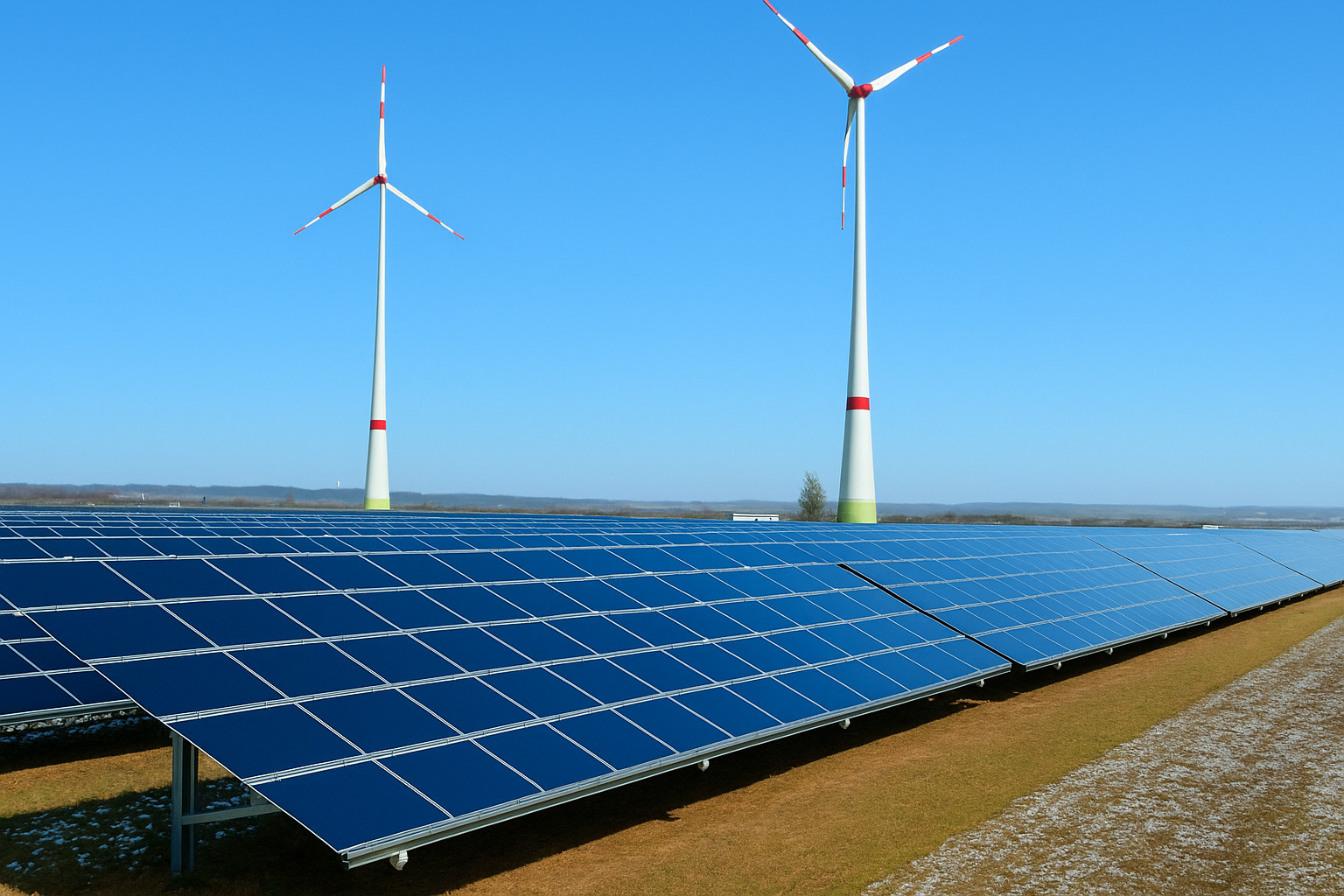
Discover Why the Northeast is a Reference in Renewables, but Still Needs to Overcome Challenges to Explore Its Energy Potential.
The Northeast has consolidated its position as a national reference in renewable energy and, at the same time, continues to expand its participation in the country’s electrical matrix. The region takes advantage of abundant natural resources, such as constant sunlight and strong winds, to generate clean and competitive electricity.
The president of the Bank of the Northeast (BNB), Paulo Câmara, emphasizes that over 40 billion reais in financing have already strengthened the sector over the last decade. Therefore, this number evidences the strength of development, but it also shows that there is significant room for growth.
Furthermore, Câmara highlights that the sector’s growth has not reached its limit. According to him, the Northeast has much greater potential, but faces structural barriers that still need to be resolved.
-
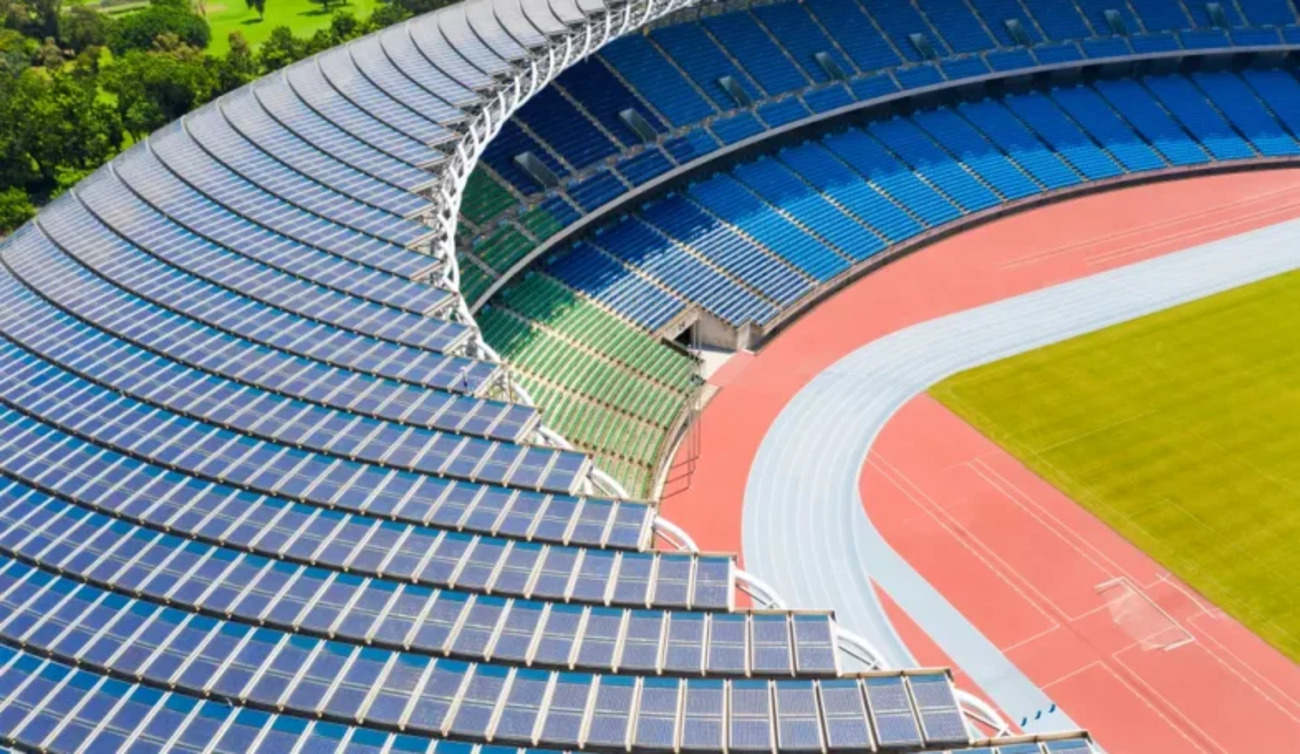
How green infrastructure and renewable energy at the World Cup transform the logistics of the largest sporting event on the planet in North America.
-
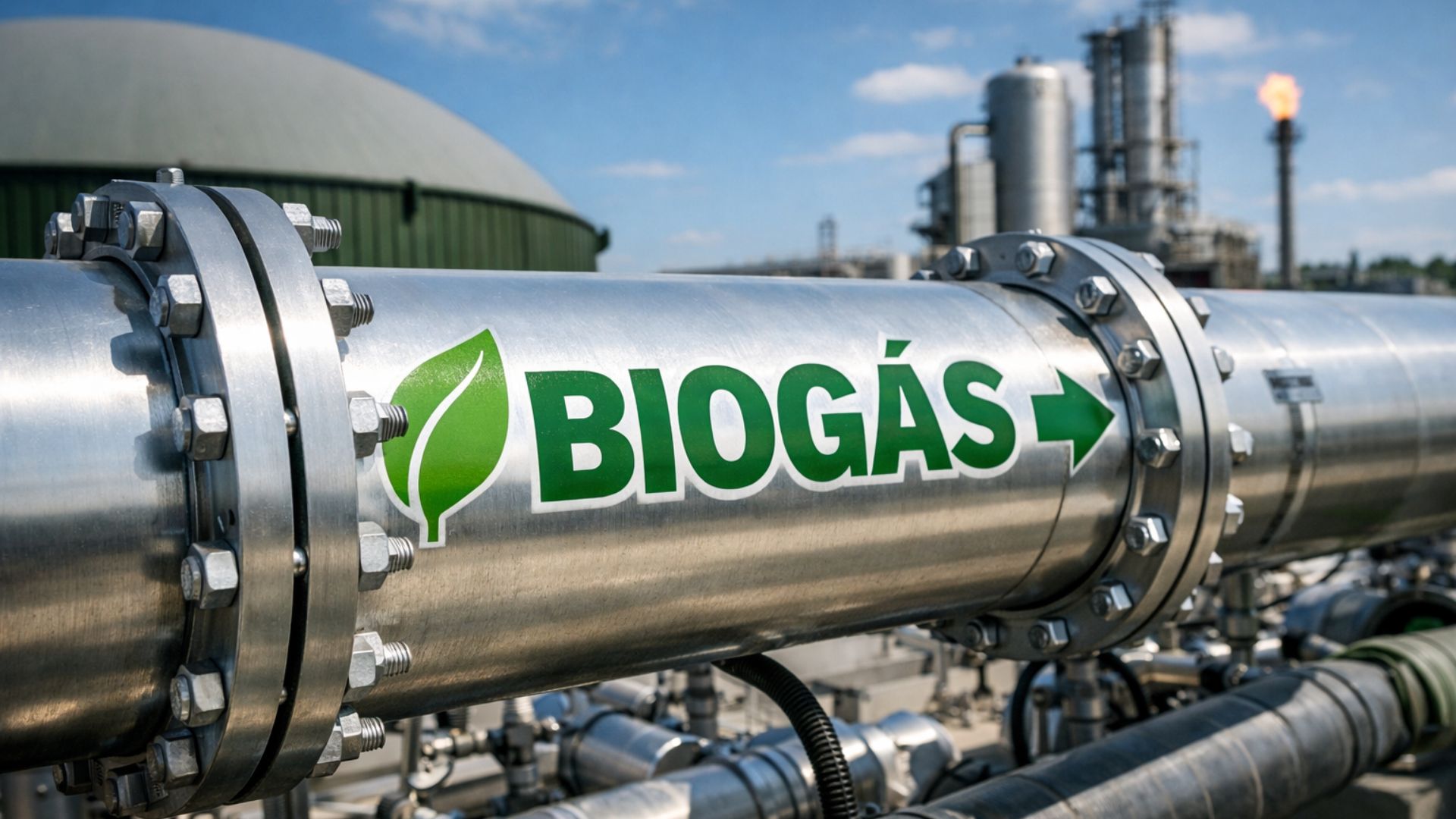
The Cagece and UFC project advances in sustainable innovation with biogas by converting waste into renewable energy, reducing environmental impacts, and increasing sanitation efficiency with concrete and measurable results.
-
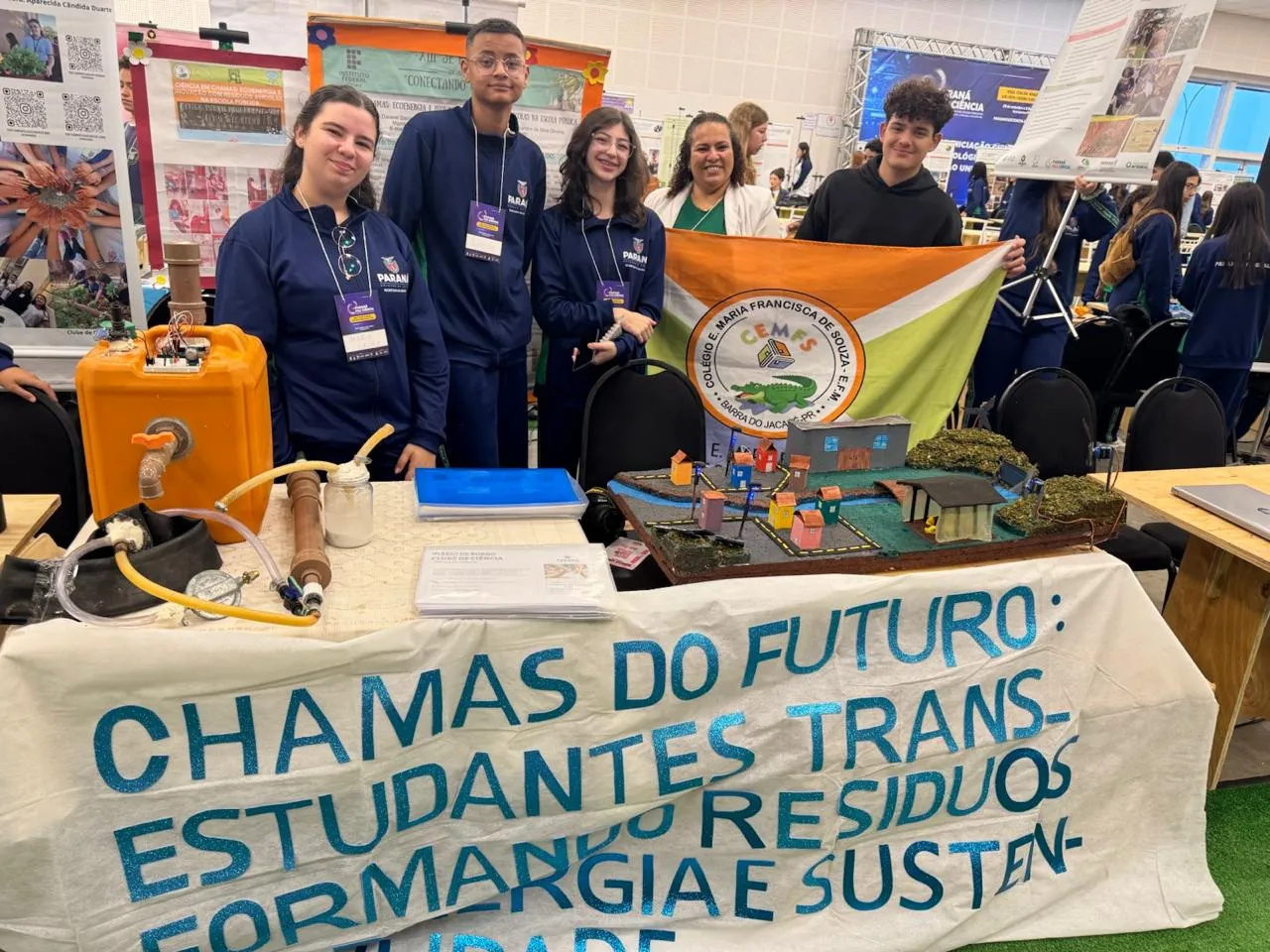
Paranaense students develop a system that transforms farm waste into clean energy and revolutionizes sustainable agribusiness.
-
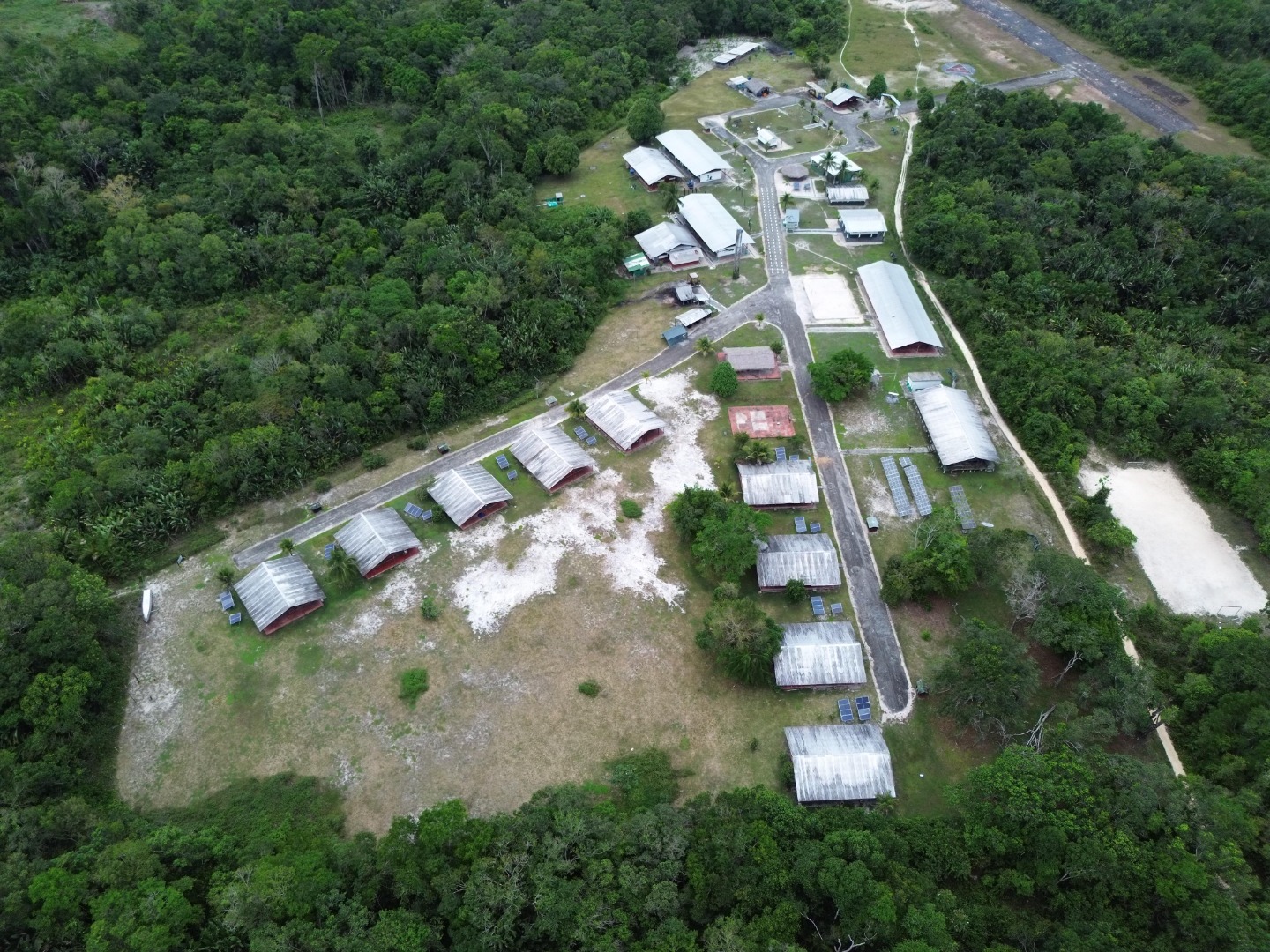
The Ministry of Defense installs a giant photovoltaic plant and ensures a stable supply of clean energy in Maturacá, in the Amazon.
The energy already generated is impressive. However, it does not always reach all destinations efficiently because the transmission network has bottlenecks. In this regard, the executive warns: it is not enough to increase generation if distribution does not keep pace.
Consequently, the discussion about renewable energy cannot be limited to the expansion of production. It is essential to balance generation and infrastructure, as this is the only way for the region to transform its natural advantages into lasting results.
The Historic Role of the Region in the Energy Matrix
Historically, the Northeast has sought creative solutions to deal with its climatic challenges. Since the early 20th century, researchers and governments have been studying alternatives to water usage, as the scarcity of rains affected the economy and quality of life.
Over time, these studies paved the way for the more systematic exploration of solar and wind, abundant and constant resources in the region.
From the 1990s onwards, with technological modernization and falling equipment costs, the first wind and solar farms began to change the local reality.
Currently, states such as Ceará, Bahia, and Rio Grande do Norte rank among the largest producers of clean energy in Brazil. Therefore, the region has become a reference not only for production but also for its ability to attract investments and generate skilled jobs.
At the same time, history reveals that the Northeast has always sought to reinvent itself in the face of difficulties. Thus, by consolidating itself as a reference in renewables, the region shows that it is ready to play a leading role in a new chapter of the Brazilian energy sector.
Private Investments and the Strength of Bioeconomy
According to Paulo Câmara, the private sector shows a growing willingness to invest in the region. Proof of this is a call launched in partnership with the BNB that attracted projects totaling 127 billion reais, a value far above the 10 billion initially allocated for financing.
This enthusiasm confirms the market’s confidence in the renewable vocation of the Northeast and reinforces the perception that the sector is experiencing a turning point.
In addition to the volume, the diversity of the projects presented is noteworthy. They involve not only solar and wind energy, but also areas related to sustainable industry and bioeconomy.
Thus, the Northeast demonstrates that its vocation goes beyond electric generation. The region can become a hub of innovation in sustainability, integrating productive chains that unite clean energy, waste reuse, and local development.
Consequently, the bioeconomy strengthens as a strategic part of this movement. By combining technological innovation with the valorization of natural resources, it broadens growth opportunities and helps diversify the regional economy.
Challenges of Transmission and Infrastructure
Despite the optimism, the region faces barriers that need to be overcome. The biggest challenge is in energy transmission.
At various times, solar and wind farms need to reduce production because the system cannot handle the outflow. Thus, part of the renewable potential is lost, and investments do not reach their full efficiency.
In this context, the Bank of the Northeast considers these bottlenecks when selecting the projects that will receive financing.
The priority is to support initiatives that expand and modernize the transmission network, ensuring more security and stability for the sector. Additionally, alignment with national public policies will be crucial to accelerate advances.
Overcoming these barriers will allow the Northeast to fully leverage its natural advantages. After all, the sun and winds will continue to be abundantly available, but they will only have real impact if the transmission infrastructure evolves alongside.
The Northeast in the Future of Clean Energy
More and more, the Northeast occupies a space in discussions about the future of energy in Brazil and the world. In addition to leading internal generation, the region could become a export hub for electricity and even green hydrogen, a strategic fuel for the global energy transition.
This possibility opens up perspectives for new international partnerships and attracting billion-dollar investments.
The geographical location strengthens this scenario. As the region has strategic ports close to Europe and Africa, the export of hydrogen and derivatives becomes more viable.
Thus, the Northeast not only contributes to the national matrix but can also significantly insert itself into the global clean energy trade.
However, this vision for the future depends on choices made in the present. It is necessary to invest in innovation, professional training, and efficient logistical networks.
Only in this way will the potential be transformed into concrete reality.
A Path of Opportunities
The Northeast has already earned the title of reference in renewables, but still falls short of what it can offer.
The region’s history shows capacity for reinvention and determination to overcome difficulties. Now this spirit needs to unite with investments in infrastructure and innovation.
The engagement of the private sector, combined with the support of financial institutions like the BNB and the interest of the international community, indicates a promising future.
If the obstacles are overcome, the Northeast will be able to ensure energy security for Brazil and establish itself as a global protagonist in the energy transition.
Therefore, the trajectory of the Northeast cannot be seen merely as a regional process. It is part of a historic movement that redefines Brazil’s role in the global energy scenario.









Seja o primeiro a reagir!