





 English
  Francês
  Alemão
  Italiano
  Japonês
  Norueguês
  Portuguese
  Spanish
  3 min of reading


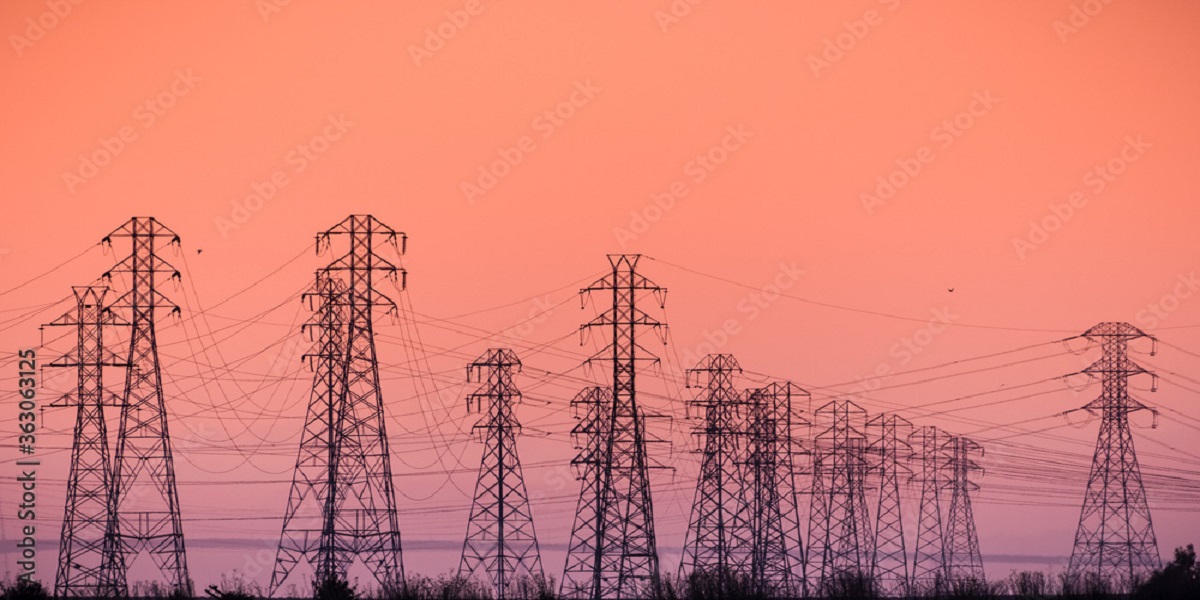
The Investment Will Be for Transmission Lines to Distribute Wind and Solar Energy from the Northeast to the Rest of the Country
The Energy Research Company (EPE) and the Ministry of Mines and Energy (MME) are expecting investments of around R$ 50 billion in transmission lines for supplying energy from the Northeast to the rest of the country in the coming years. The system will exceptionally serve the wind and solar productions that have resources in tariffs funded by all consumers.
According to data released by Poder360 on April 27, the estimates, which use the year 2030 as a parameter, refer to the sum of studies published by EPE so far, which are the Study of Energy Generation Flow in the Northeast Region and the Study of Expansion of Regional Interconnections.
Investment in Transmission Lines Is a Record in the Electric Sector
According to the Secretary of Planning and Energy Development of the MME, Paulo César Domingues, the planned amount for transmission lines in the Northeast is a record when considering the historical planning in the electric sector. According to Domingues, for the infrastructure to achieve greater success, the next step is the consolidation of the transmission line installations in the Northeast for the POTEE (Electric Energy Transmission Grant Plan) and then coordinate and prepare the necessary reports and additional details.
Consultant Thaís Teixeira from EPE states that investments in transmission lines in the Northeast take into account a reference context of expansion of the installed capacity of renewable sources by 14 GW, reaching a total of 48 GW by 2030, considering only wind and solar sources.
Moreover, the studies also accounted for the entry of approximately 8GW of installed capacity from thermal power plants, with 45% in the North and Northeast regions. These data show about 3.6 GW, nearly 4 times less than that of renewable energies.
Data gathered by Poder360 show that subsidies for renewable energy are paid by consumers through charges on energy bills. From 2017 to 2019 alone, the costs totaled around R$ 9.2 billion.
The result of charging these fees has been exponential growth, primarily of solar energy. According to data from Absolar (Brazilian Association of Photovoltaic Solar Energy), this source has made significant advancements in recent years.
-
Rio Grande do Sul accelerates energy transition: State invests in renewable technologies and consolidates decarbonization strategies and pathways to attract billions in new industrial investments.

-
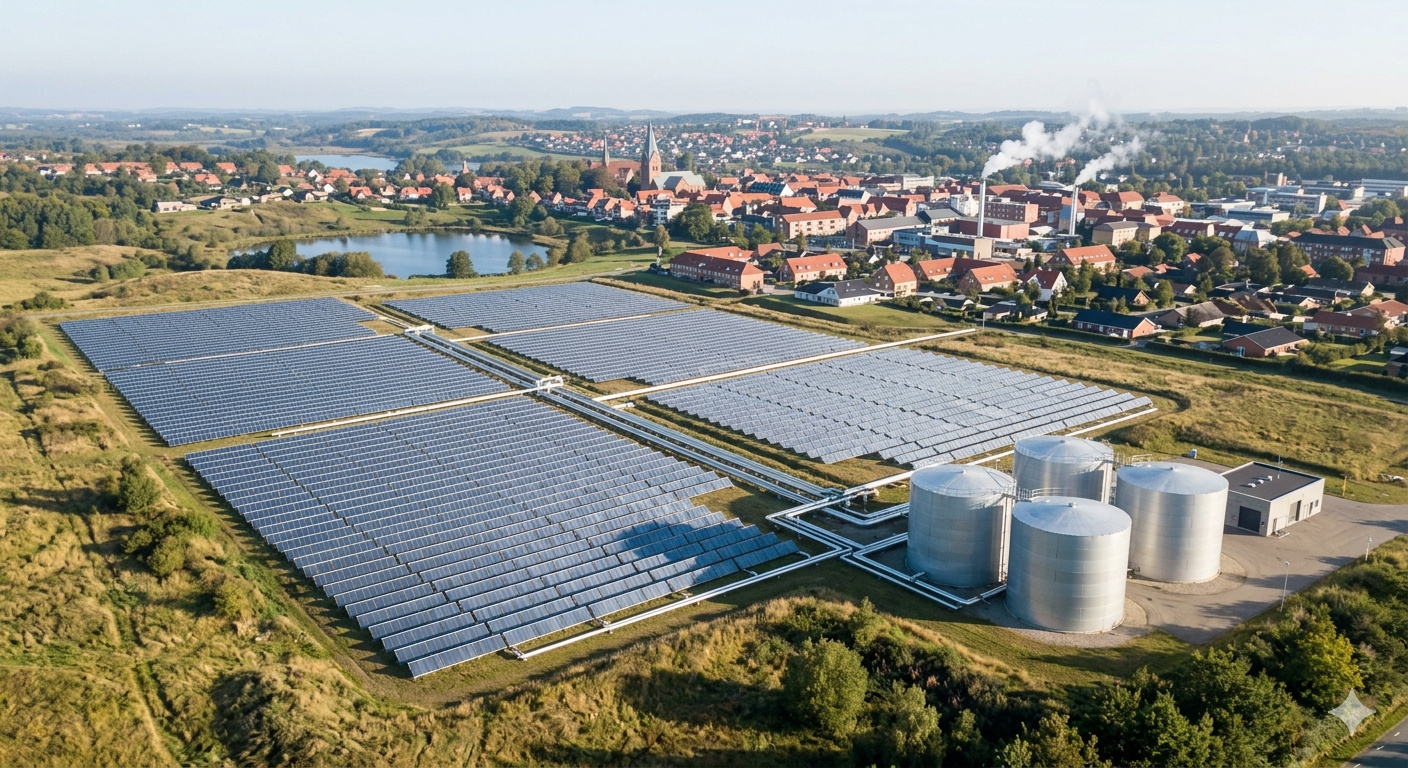
With 160,000 m² of collectors, an area larger than 20 football fields, Silkeborg, in Denmark, hosts a solar thermal plant that heats 19,500 homes and could become the largest solar heating plant in the world.
-
A study reveals the expansion of renewable energy procurement in Brazil and shows how companies are taking advantage of opportunities to reduce expenses, ensure energy efficiency, and strengthen strategic environmental commitments.

-
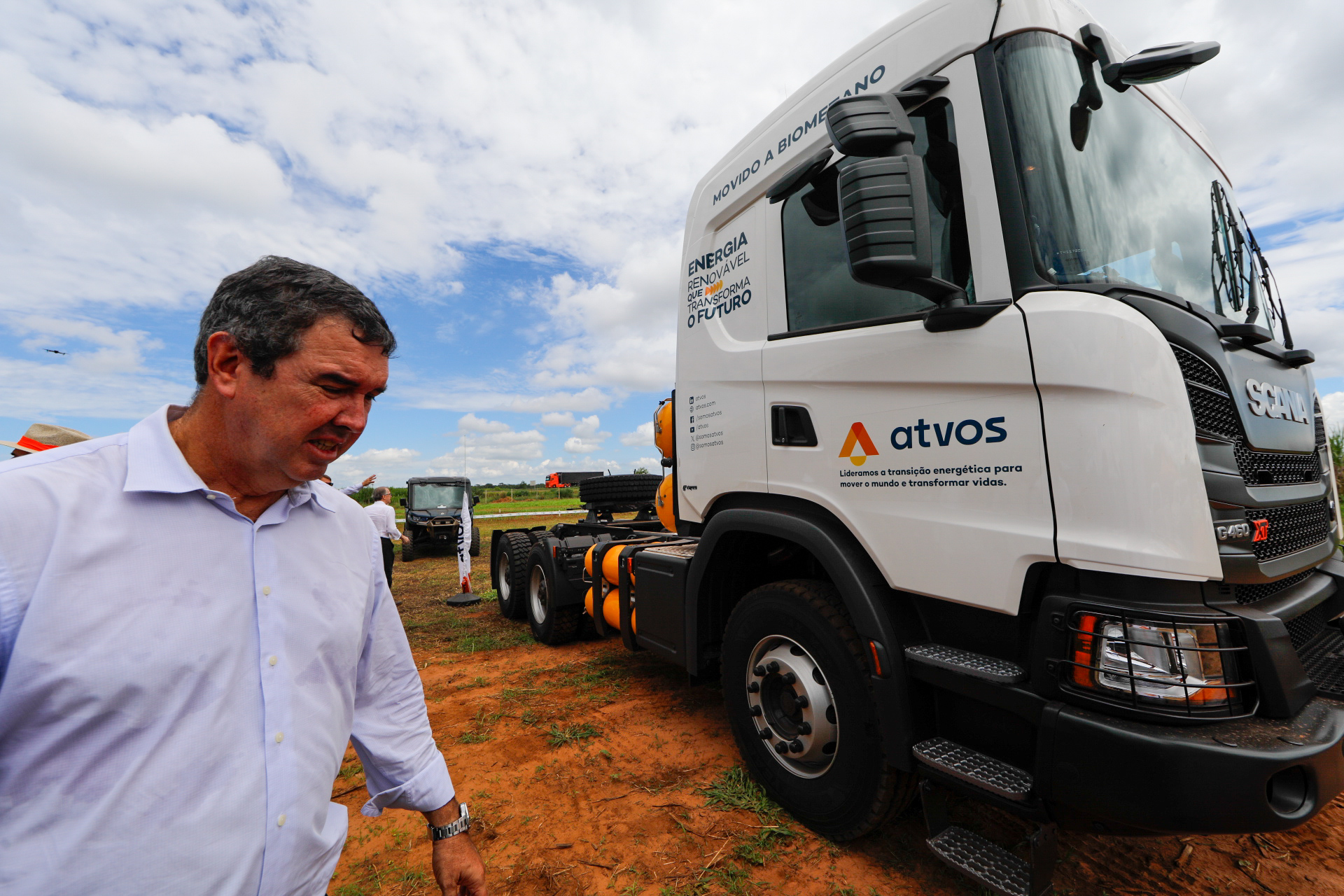
Mato Grosso do Sul excels in the sugar-energy sector: the state reaches a milestone of 22 operating mills and accelerates the production of clean energy in MS with a focus on sustainability.

Lack of Planning Affects Electric Sectors
Still talking about renewable energy sources, a release of studies shows that the government continues to have a flawed policy for the electric sector where the focus is on the production of intermittent renewable sources, instead of ensuring energy security using perennial renewable sources, such as natural gas. According to data, the Ten-Year Energy Plan 2031 prioritizes transmission lines over gas pipelines; however, while a 19% expansion for transmission lines is projected, gas pipeline infrastructure is expected to advance only 2%. Thus, the projected scenario maintains the decline of gas pipeline introduction in Brazil, making the Brazilian gas pipeline infrastructure the least developed among countries in the Americas.
In light of the scenario of not utilizing perennial renewable sources, Brazil faced the worst water crisis in the last 91 years in 2021. With reservoir levels of hydroelectric plants, wind and solar sources had to meet the SIN (National Interconnected System) during peak hours. Furthermore, the country had to resort to the use of thermal plants at extremely high costs, above R$ 2,500/MWh.






Seja o primeiro a reagir!