Portuguese
  Spanish


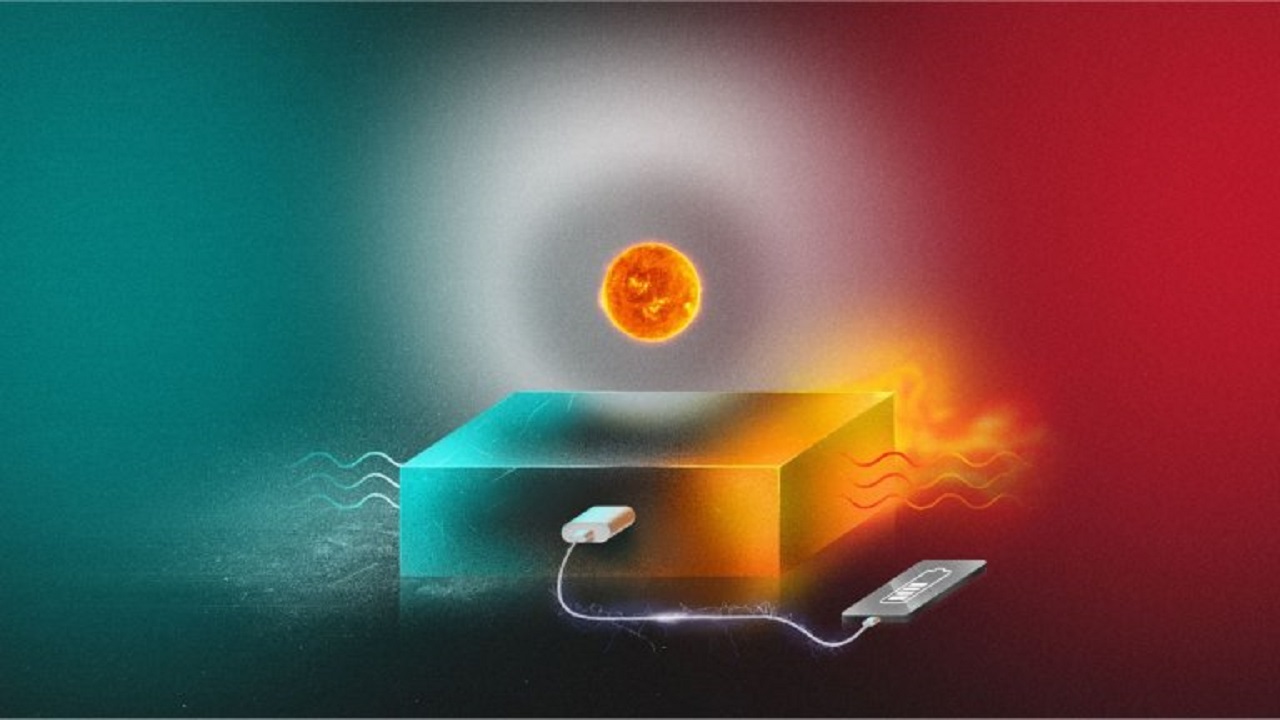

The Researchers Behind An Energy System That Allows Capturing Solar Energy, Storing It For Up To 18 Years And Releasing It When And Where Needed, Took The System A Step Forward.
A group of researchers from the Chalmers University of Technology has been working on the development of solutions for the problem of solar energy storage for about 10 years. During this period, the researchers managed to develop a liquid that, when exposed to light, is capable of altering its molecular structure, allowing it to remain in that state for years. Thus, it is feasible to store energy anytime, through what are considered simple reactions, making the development quite promising and serving to power a range of devices.
Understand How The Energy Storage System Created By Swedish Researchers Works
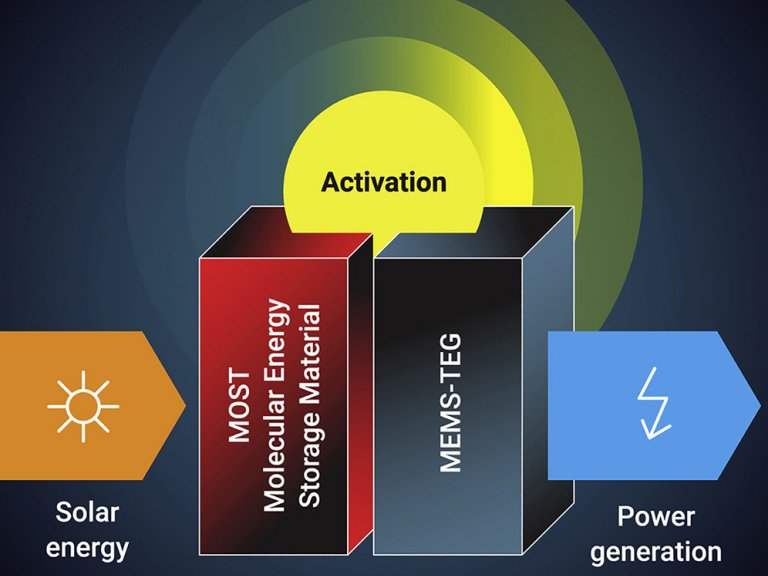
According to the researchers, the energy storage fluid Molecular Solar Thermal – or “MOST” – is based on a type of combination of carbon, nitrogen, and hydrogen. When the liquid is illuminated by some energy source, its molecular composition is quickly altered, transforming into an isomer.
Thus, the liquid can store solar energy without requiring any change in its composition. The molecular structure can be stored for about 18 years, the research indicates. To recover the liquid, a catalyst is required. The stored solar energy that is released comes out in the form of heat, powering a thermoelectric generator, generating electrical energy.
-
Fired during apartheid and with a little borrowed money, an electrician started with a borrowed truck and transformed electrical services into a group connected to energy, real estate, and infrastructure in South Africa.

-
Wood has ceased to be just a construction material in Yale research and has become insulation for electrical transformers that face intense heat, aging, and increasing pressure from the renewable energy-powered grid.
-
More than 1,000 residents of a remote island in Kiribati now have clean water and electricity with solar systems operated by the community itself.
-
Ceará brings together 7 giants and R$ 66 billion to transform Pecém into the largest green hydrogen hub in Brazil, with final decisions expected by the end of 2026.



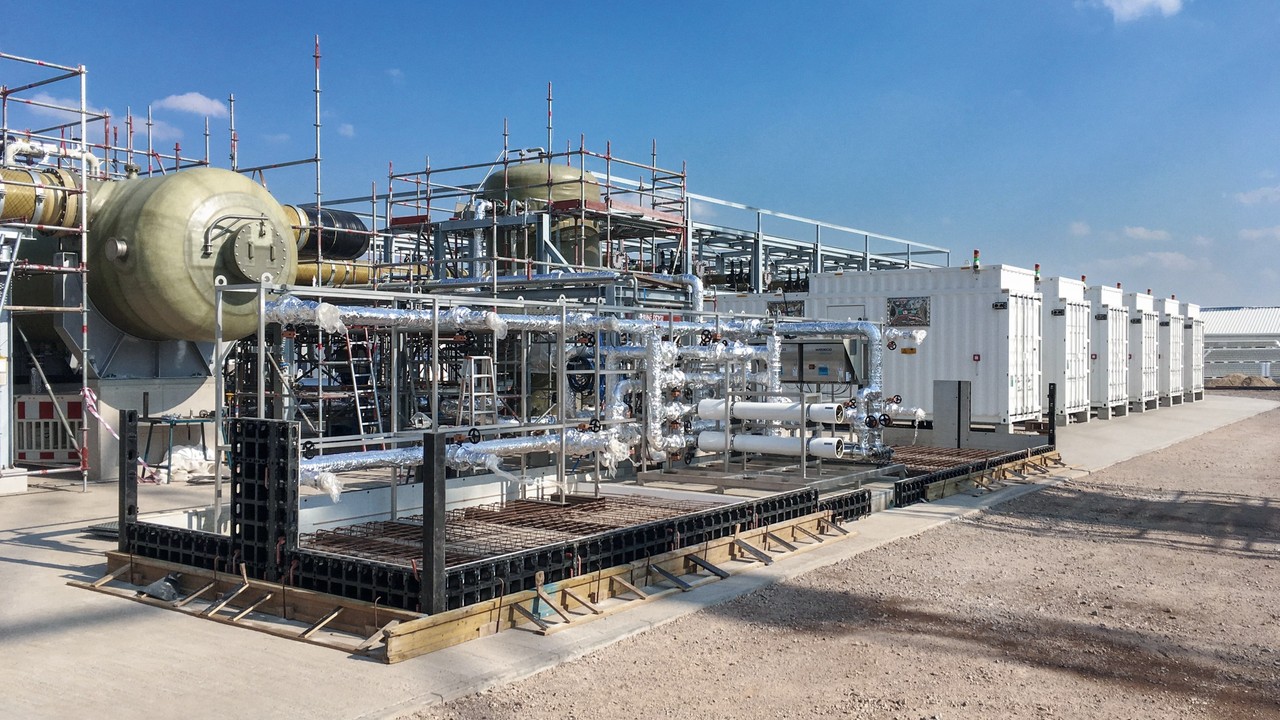
The researchers designed a pilot plant, where it is possible to achieve about 1.3 W of energy from 1 m³ of liquid. For commercial use, unfortunately, this storage of solar energy is still not sufficient, but some future work may be developed as processes for accumulation and transformation of energy evolve.
Learn How The New Battery From The Swedish University Works
According to Emre Gencer, the author of the study, the part of sustainable energy transition, such as solar and wind energy, requires batteries that have different durations but can function even when there is no sun or wind. For this, the manganese-zinc battery is an excellent option, in addition to being inexpensive and high quality for these sources, thus being able to store energy for one or more days.
In the flow system, the two electrolytes with negative and positive ions are pumped into certain tanks until they can meet after passing through a membrane. A comparison was made to prove that the research is indeed viable, using other cells with manganese-zinc batteries. All analyses were conducted over periods of about 8 hours, 1 day, and 3 days.
With intervals of over one day, the battery surpassed the energy retention capacity compared to standard lithium-ion or vanadium redox flow cells. Additionally, the battery maintained its efficiency and low cost, even when taking into account everything spent on pumping the manganese slurry from the tank where it stores the energy.
Researchers Are Advancing In Energy Storage Technologies
The researchers from the Swedish University continue advancing in various energy storage technologies. Last year, a new type of battery was developed, promising to be innovative for the energy storage system derived from renewable sources, such as solar and wind energy.
A semisolid flow cell uses a mixture in which dispersed particles of manganese dioxide are aggregated, along with an additive known as “carbon black,” which is capable of conducting electricity.