





 Portuguese
  English
  Spanish
 3 min of reading


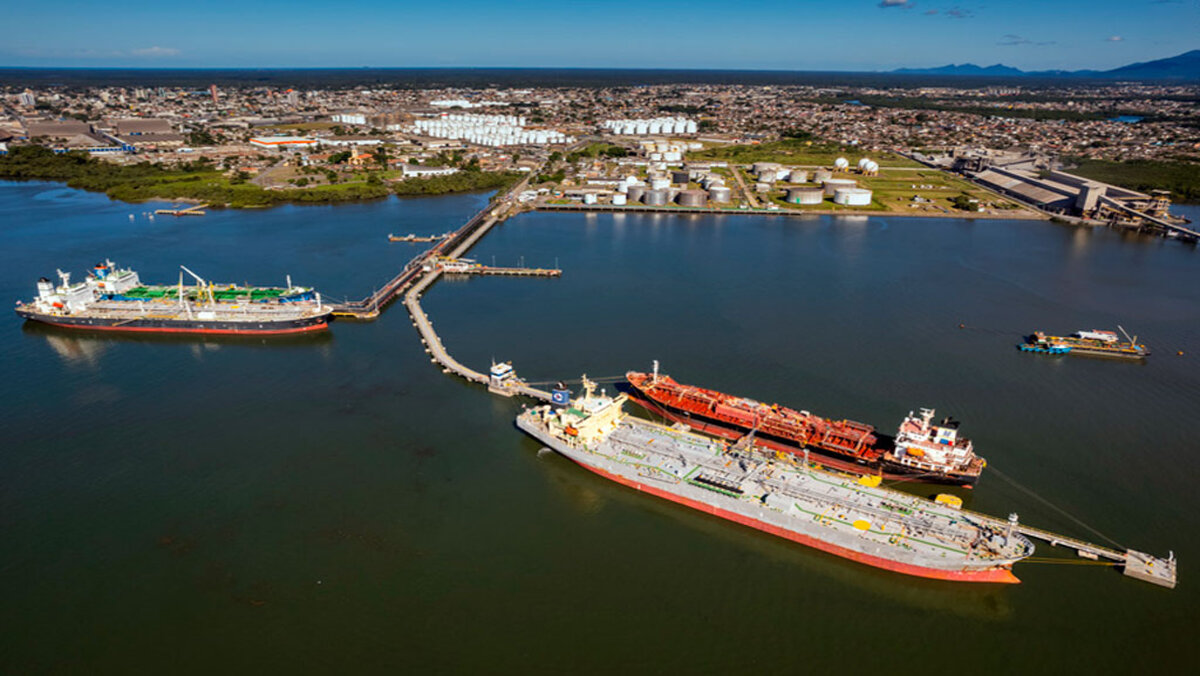
The National Leader in Biodiesel in Brazil, BSBIOS, Now Has a New Cabotage Route for Transporting the Fuel, Created by the Logistics Company Norsul, Which Goes from the Port of Paranaguá to the Port of Suape for the Commercialization of the Product
The multimodal logistics company Norsul continues to expand its presence in the national port sector and announced today, (09/09), that it has completed its unprecedented cabotage route for the transportation of biodiesel from BSBIOS between national ports. The route goes from the Port of Paranaguá, located in the state of Paraná, and delivers the fuel to the Port of Suape, in the state of Pernambuco, for the supply of several distributors in the northeastern region of the country.
The New Cabotage Route Created by the Company for Transporting BSBIOS Biodiesel Ensures More Efficiency in Fuel Movement Between National Ports
BSBIOS continues to invest in innovation and even more efficient solutions for biodiesel transportation in the country and now has a new cabotage route created by Norsul for operations. Thus, the energy company conducted the first transport of this biofuel with 100% of greenhouse gas emissions neutralized, also ensuring much more efficiency in the transportation between the ports of Paranaguá and Suape, which took a total of 14 days to complete.
In addition, Norsul claims that, in total, more than 4 million liters of biodiesel were moved between the ports and that, subsequently, it will be marketed among distributors in the northeast through agreements with BSBIOS. The entire process for the operation, from the start of activities to make cabotage possible, took about 90 days and involved the integration of teams from both companies working in partnership to ensure the best operational and environmental efficiency in the cabotage process.
-
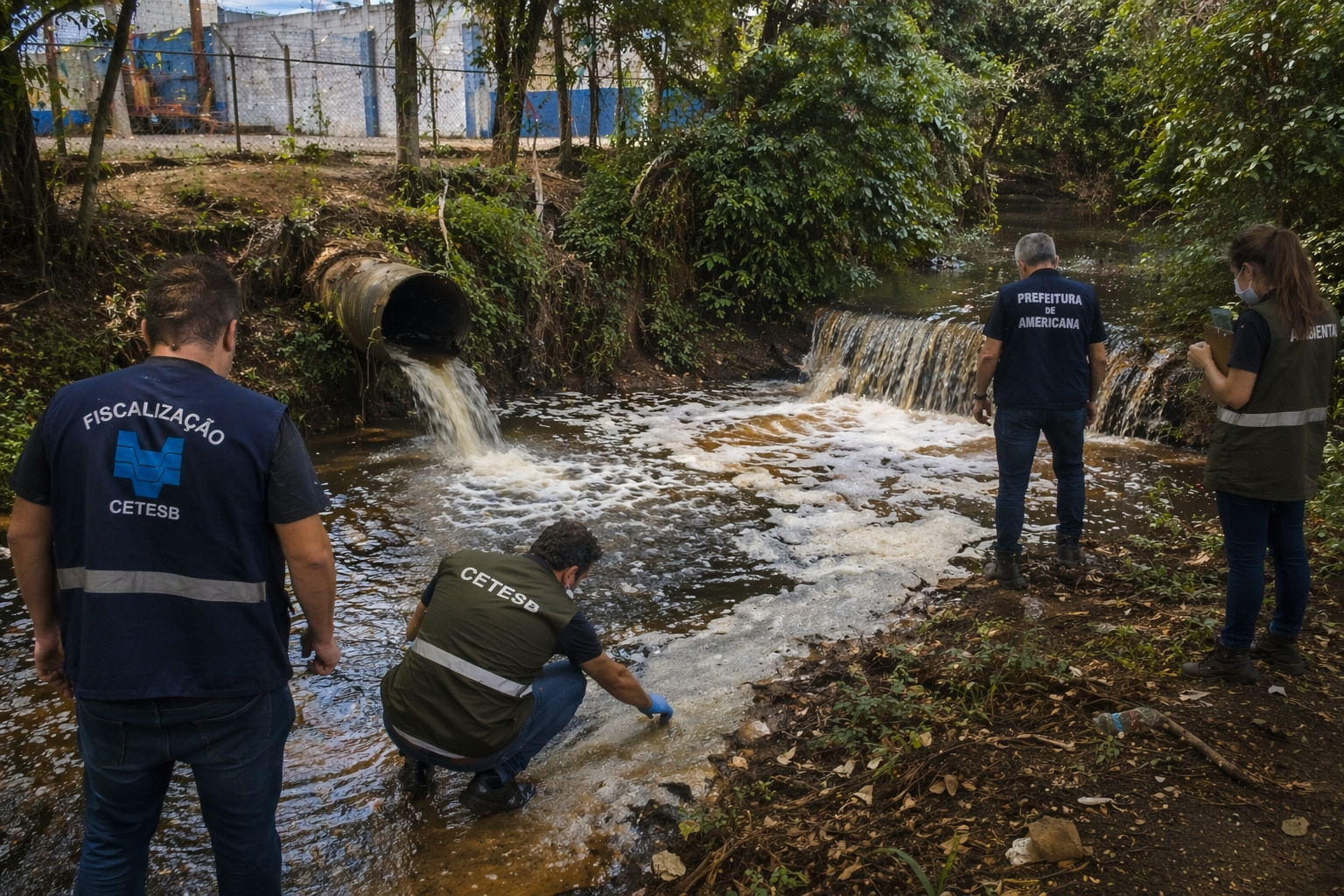
A fine of R$ 115 thousand places Goodyear at the center of an environmental case in Americana after oil and grease appeared in a stream and the company was required to act quickly.
-
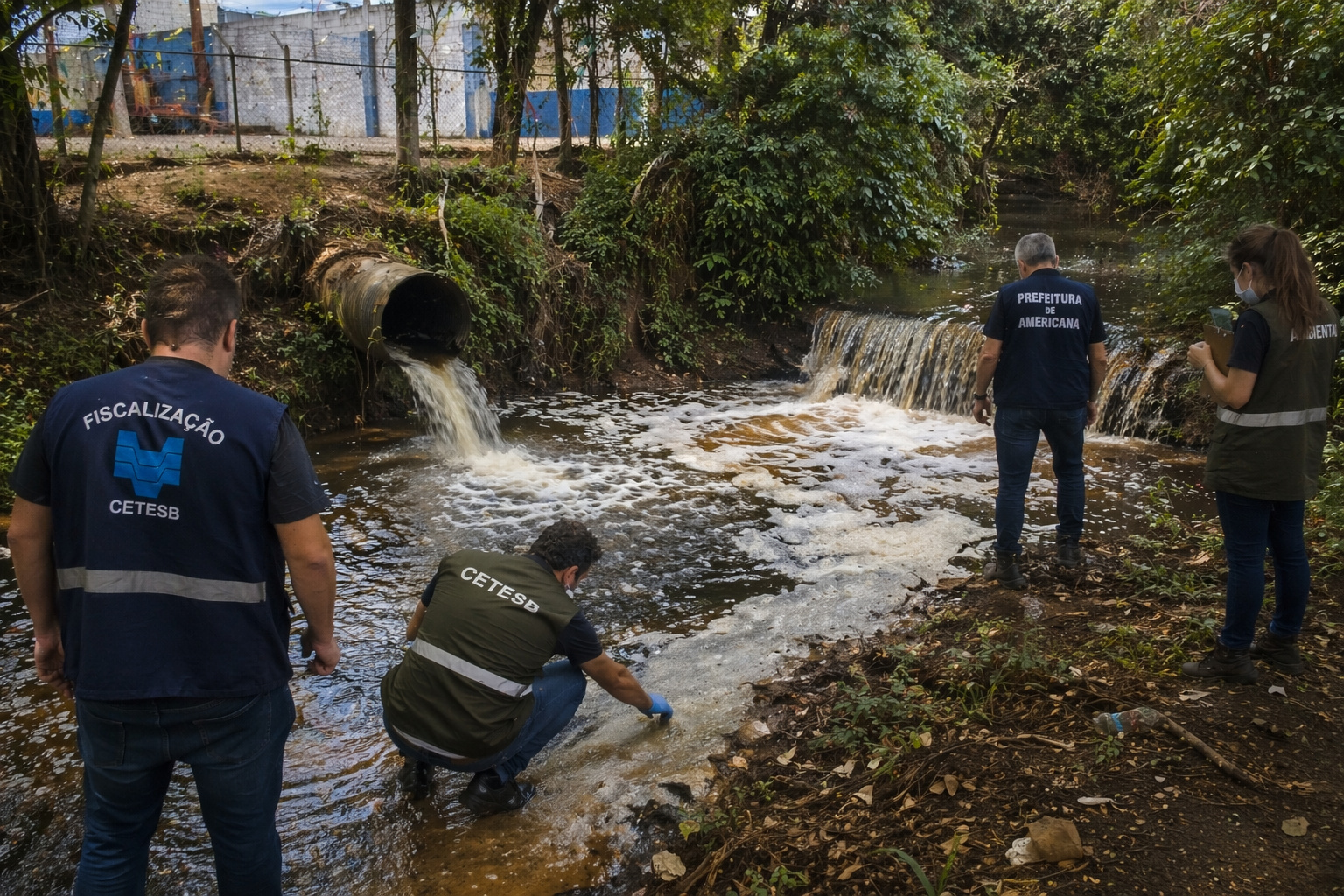
A fine of R$ 115 thousand puts Goodyear at the center of an environmental case in Americana after oil and grease appeared in a stream and the company was forced to act quickly.
-
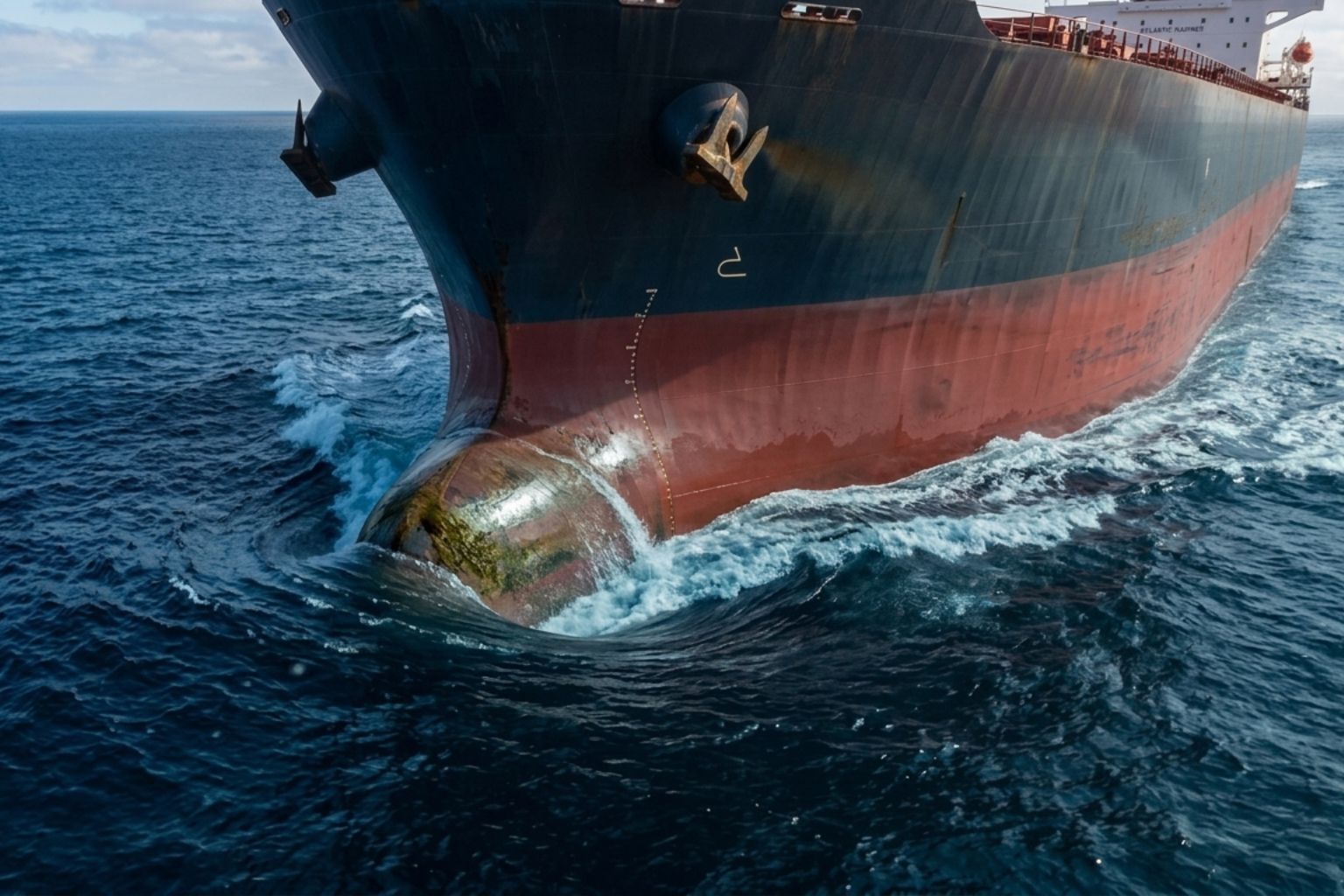
A hidden metal piece in the bow redesigns the water flow, reduces drag, and can save over 10,000 tons of fuel per year; this invisible solution allows giant ships to cut millions in costs without changing engines or routes.
-
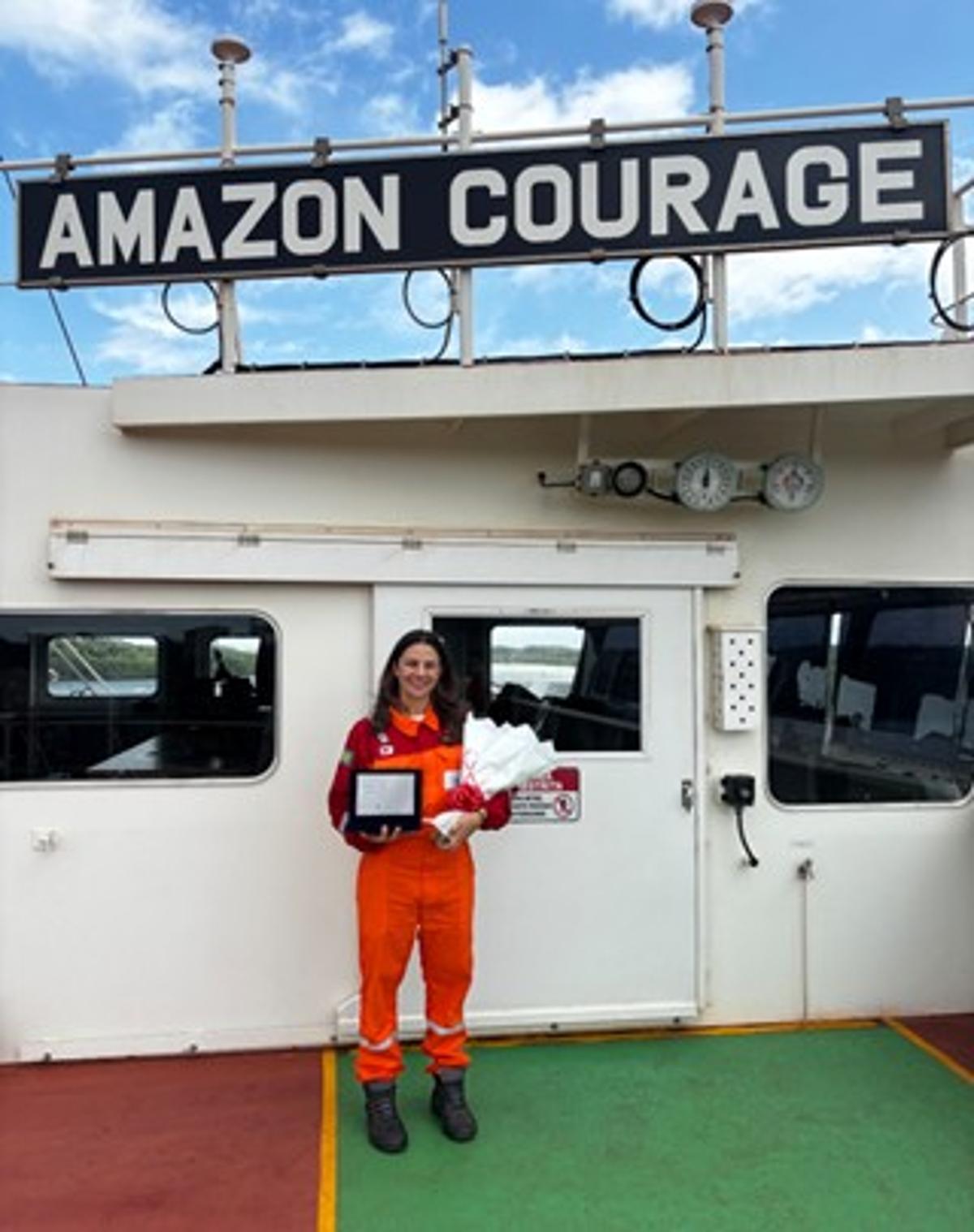
Alcoa and Posidonia enhance gender equity with the first female captain on the Alumar–Juruti route and strengthen female leadership in Brazilian maritime transport.
Finally, the standout feature of the new cabotage route is the development of increasingly sustainable operations, as the companies adopted transportation with 100% neutralization of pollutant gas emissions in the atmosphere.
Thus, Norsul and BSBIOS not only seek to ensure more sustainability and environmental commitment in their businesses but also aim to bring more efficiency and even more practical solutions to facilitate cabotage between Brazilian ports.
Norsul Is the First Cabotage Company to Adopt 100% Carbon Emissions Neutralization in Its Operations with the Norsul Carbon Neutral Program
This new biodiesel transport route in the country with carbon emissions neutralization is yet another strategy from Norsul to grow in the segment. Currently, the company is the first to adopt 100% neutralization of these emissions in cabotage operations, through the use of credits generated by the preservation of native forests and also in landfills.
And this result has not been achieved only this year, as the company has been neutralizing emissions since 2020.
Thus, in the new cabotage route for BSBIOS biodiesel, carbon emissions were neutralized through the Norsul Carbon Neutral Program, and with this, Gustavo Paschoa, director of New Business at Norsul, celebrated the achieved goal and highlighted the importance of the venture: “We are very happy to be able to collaborate, expanding BSBIOS’s route sustainably, exploring the full potential of our New Business area, developed precisely to bring new solutions to our clients, enabling them to go further.”
Now, BSBIOS has a biodiesel cabotage route that is not only more efficient in the speed of transport between the ports of Paranaguá and Suape but also even more sustainable with the neutralization of pollutant gas emissions, such as CO2, in the atmosphere during operations.






Seja o primeiro a reagir!