





 English
  Francês
  Alemão
  Italiano
  Japonês
  Norueguês
  Portuguese
  Spanish
  3 min of reading


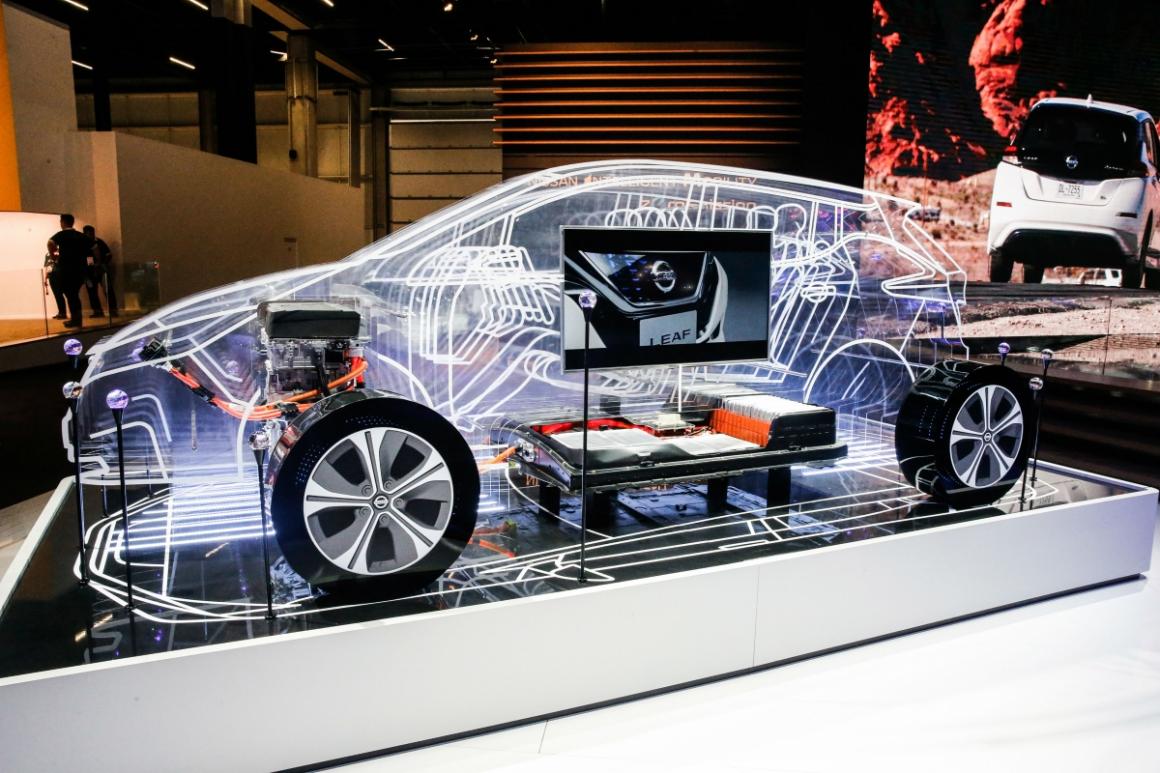
Scientists In Florida Develop Water-Based Battery That Can Prevent Fires In Electric Cars. Despite The Project Being Very Advanced, There Are Still Several Improvements To Be Made.
Floods have always been enemies of combustion cars. It has never been advisable to face a flooded area with your vehicle, but this problem can be even more serious if it is an electric car. Several cases have occurred recently in the United States when Hurricane Ian hit Florida. When the water reached the cars, short circuits were caused in the batteries that simply ignited the vehicles, even when covered by water.
Scientists Develop New Water-Based Battery
At least 12 electric vehicle fires have been recorded under these conditions by the U.S. Fire Administration. According to Professor Yang Yang from the University of Central Florida, during the hurricane, several electric cars caught fire after becoming soaked by floodwater, as saltwater corrodes the battery and generates a short circuit, igniting flammable solvents and other components.
To prevent this type of incident, the professor and his team are working on a new type of battery with a technology that can prevent fires in electric vehicles.
-
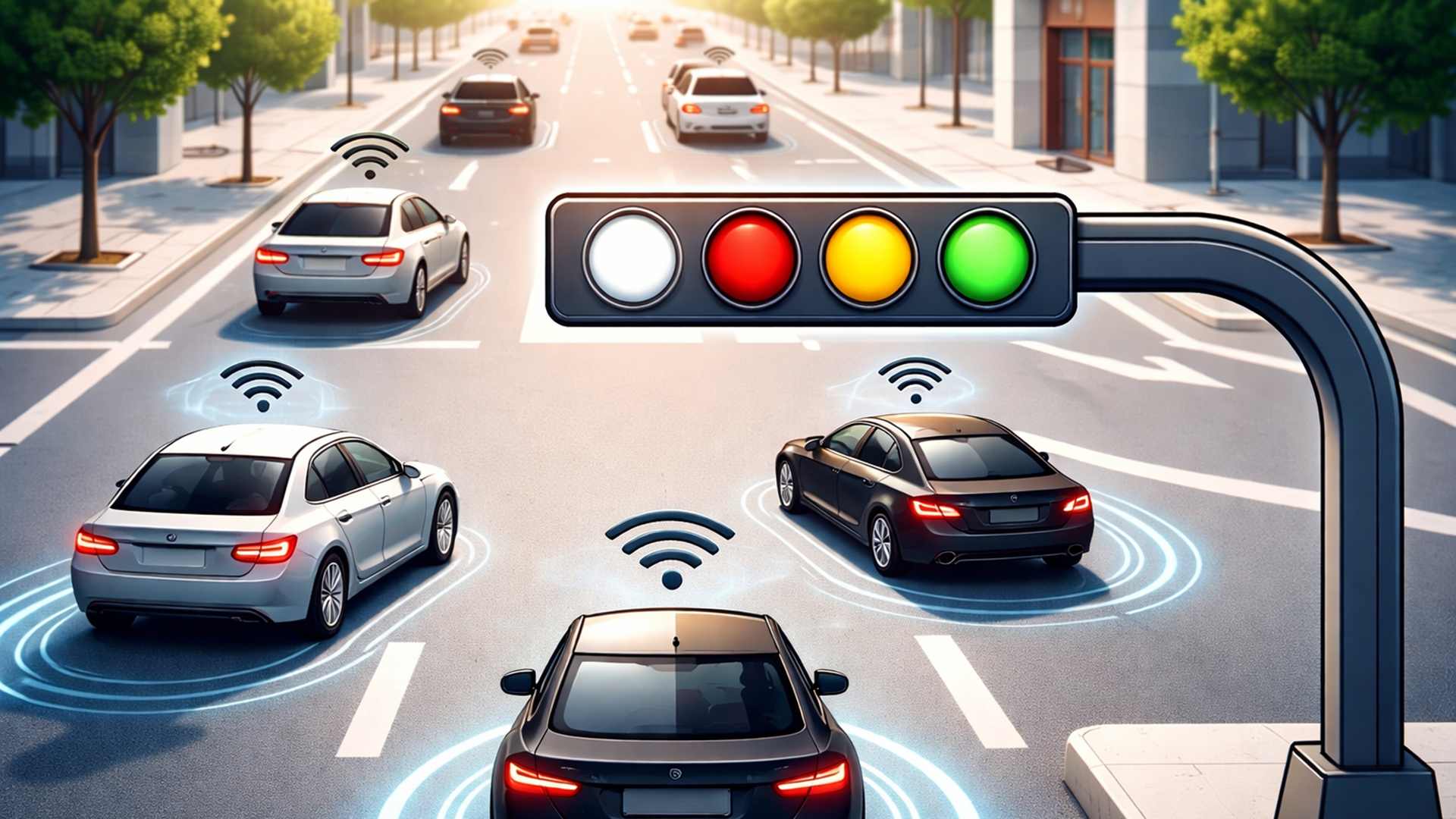
Engineers propose a fourth traffic light for intersections – the change promises to affect crossings, queues, and waiting times.
-
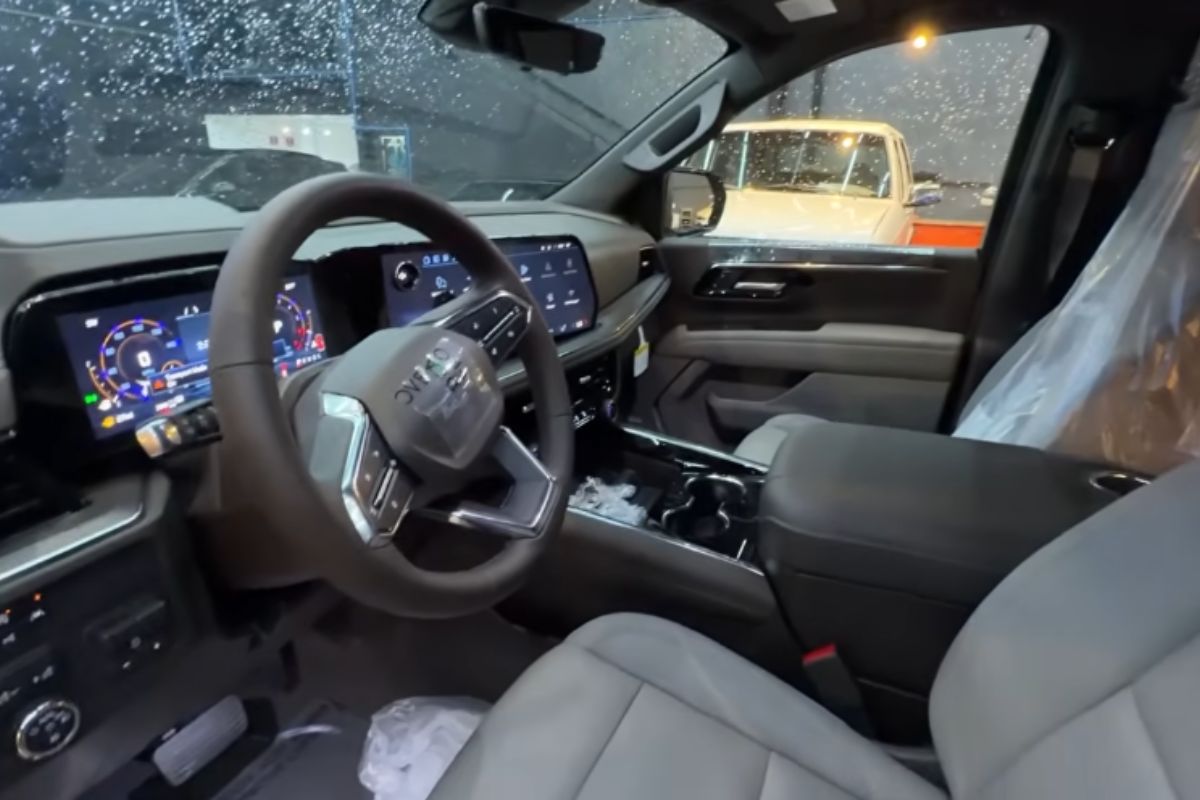
Chevrolet Suburban Z71 lands in Brazil with a V8 engine, off-road design, air suspension, seven seats, and colossal size, a rare version imported for around R$ 1.3 million with luxury and exclusivity.
-
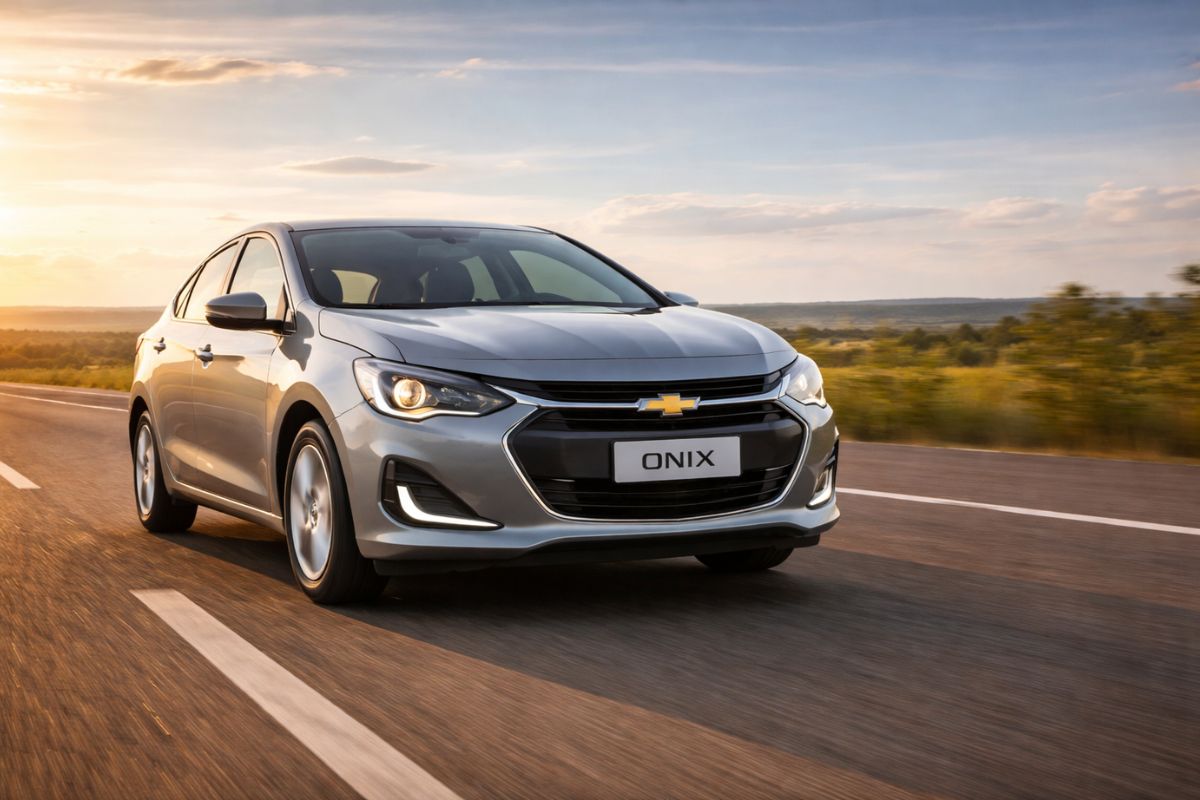
The Chevrolet Onix 1.0 turbo achieves 17.7 km per liter on the highway and ranks among the three most economical cars in Brazil in 2026, alongside two more expensive Toyota hybrids available at dealerships.
-
Little sister of the Hilux: Toyota launches Land Cruiser FJ with 4 radical versions, 2.7 engine with 166 hp and 4×4 traction with locking.
The so-called water-based batteries are being built in various laboratories around the world, with the significant advantage of using various salts diluted in water as electrolyte, eliminating the highly volatile solvents used in current lithium batteries. However, projects for batteries with water-based electrolytes have shown low energy production, as well as instability, and the growth of harmful metallic structures on the negative electrode, known as dendrites, and also corrosion.
Batteries Can Be Submerged in Salt Water
Now, the professor’s team has been able to use metal ions naturally found in seawater, such as potassium, sodium, calcium, and magnesium, to compose the electrolyte. This has led to a water-based dual-cation battery that stores more energy.
This implementation has also allowed overcoming the slow charging, something that happened often in previous single-cation battery projects. In fact, the small prototype developed by the team achieved a full charge in three minutes of charging.
The main element of the new battery, however, is not only the saltwater used as an electrolyte but a nano-engineered surface, composed of a forest of reliefs made from a zinc and copper alloy, and then covered with a protective layer of zinc oxide.
The surface controls the electrochemical reactions of the component, generating greater stability and charging speed, in addition to preventing the expansion of dendrites, which create short circuits, rendering the battery useless.
According to the professor, these batteries, using the new materials developed by the company, remain safe even if used improperly or submerged in saltwater. The water-based battery project could help improve electric vehicle technology, transforming it into a reliable and safe means of travel.
Electric Vehicle Caught Fire During Charging Last Year
The electric car from China, Wuling Hongguang Mini EV, the best-selling vehicle in the country, was once considered fire-safe due to its LFP batteries that are not prone to explode or catch fire. However, last August, this reputation was compromised when one of these test-drive electric cars started to catch fire while charging.
Firefighters arrived at the scene quickly, and the electric car fire was controlled without much effort.
In the photos released, it is possible to see that the model had its front entirely consumed by the fire, as the charging port is located in the front grille of the model.









Seja o primeiro a reagir!