Portuguese
  Spanish


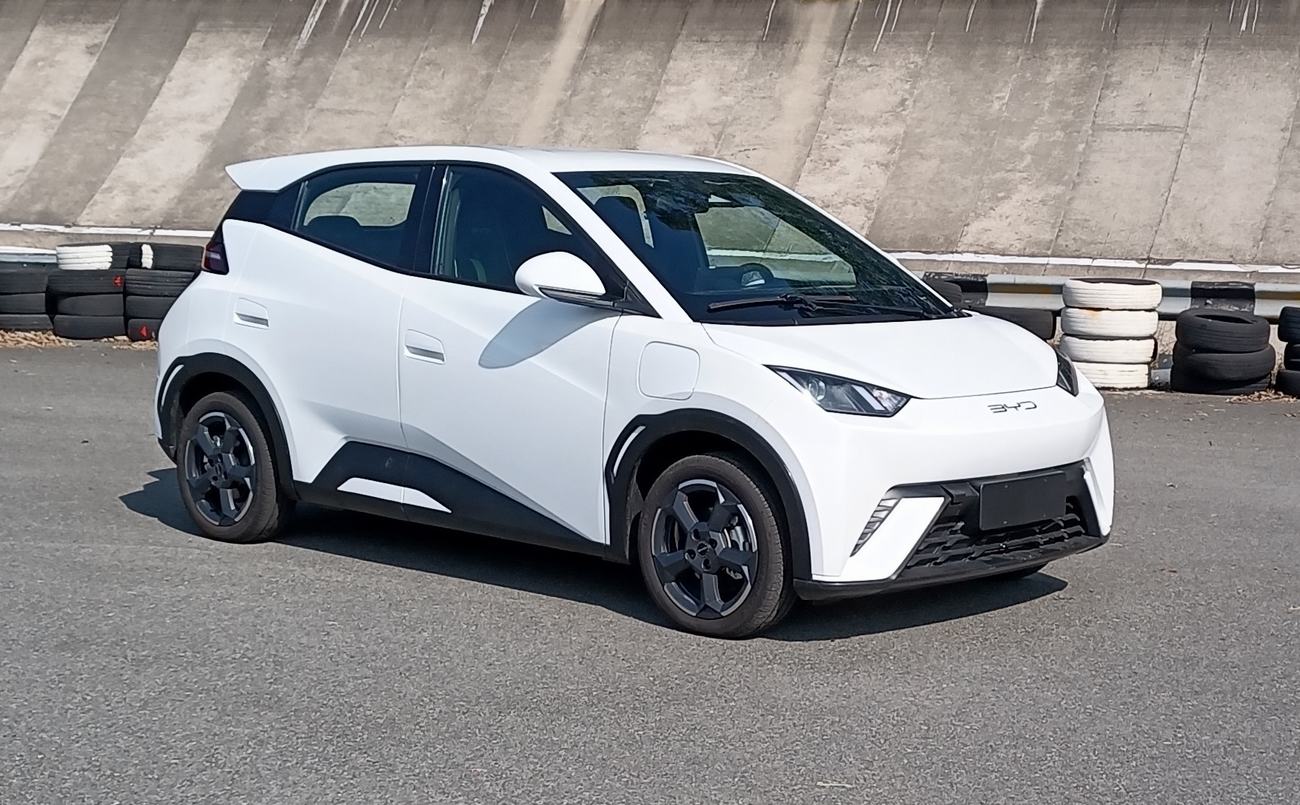


BYD Announced Its New Low-Cost Electric Car, Which May Reach Brazil Costing Only R$ 45 Thousand. The Model Does Not Have Great Performance, But Can Provide 300 km of Range.
One of the obstacles that hinders greater adoption and acceptance of electric cars is undoubtedly their high price. To give you an idea, in Brazil, owning a brand new electric car in the garage means spending nearly R$ 147 thousand, an amount that is out of reach for a large part of the population. BYD, a Chinese electric vehicle manufacturer, aims to change this reality by launching affordable electric car models, such as the Seagull, which costs approximately one-third of this amount.
BYD’s Affordable Electric Car Costs R$ 45.7 Thousand and May Arrive Soon in Brazil
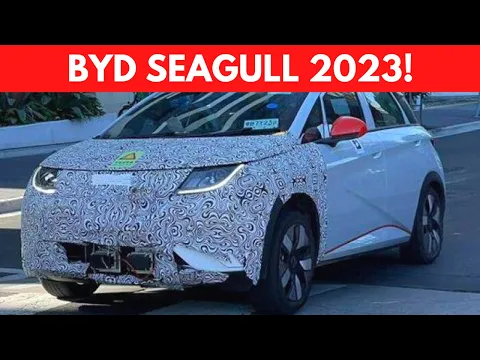

The compact hatchback from the Chinese manufacturer measures 3.78 meters in length, the same as the first generation of the Mercedes Class A, 1.72 m in width, and 1.54 m in height. The wheelbase is 2.5 meters.
The distinguishing feature of the affordable electric car is not its performance, which makes total sense given its price. With a starting price of RMB 60 thousand, which directly converts to around R$ 45.7 thousand, its motor delivers 55 kW, equivalent to 74 horsepower. Its weight is lighter, around 1 ton, which should compensate for the vehicle’s lack of power.
-
End of an era in Brazil: beloved sedan by Brazilians is discontinued despite having a 2.0 engine with 151 hp, CVT transmission, 466-liter trunk, and up to 650 km of range.

-
New Law Proposal in Brazil Could Heavily Penalize Drivers: Dangerous Overtaking May Become a Serious Offense with Fines Increased Tenfold and a 12-Month License Suspension; Update on 2026 Progress

-
Electric Revolution: Watts W125 Motorcycle Offers 160 km Range, 90 km/h Speed, and Affordable Price Starting at $3,000
-
General Motors Replaces Over a Thousand Workers with 50 Cobots at Electric Vehicle Plant, UAW Union Criticizes Move Amid Industry’s Automation Push




BYD’s intention with the low-cost electric car is to compete directly with Ora Whit Cat, Leap T03, and Chery QQ Pro, and, in a way, also aims to rival the Renault Kwid E-Tech, marketed in China as Renault City K-ZE and Dongfeng Nano Box. According to data revealed by the Chinese patent office, the vehicle will be light, as mentioned above, weighing around 1,169 kg in the base version and 1,240 kg in the top-of-the-line version.
BYD Seagull May Offer Up to 300 km of Range
The battery will also only be 30.7 kWh in the basic version of the affordable electric car, less than the BYD Dolphin. Comparatively, the older sibling, which will be renewed this year in Brazil, offers a battery of 44.8 kWh and a range of approximately 300 km per charge.
The good news is that BYD’s new car is lighter and therefore should not lag much behind in this regard. So far, only this data has been revealed by the records of the affordable electric car at the Ministry of Industry and Information Technology of China (MIIT).
The model is expected to debut in the coming weeks in the Chinese market and, according to information, will be exported to other countries where BYD is present throughout this year. Thus, there is great anticipation for the Seagull to also reach Brazil.
BYD and Its Expansion Plans in Brazil
This week, the possibility of establishing a future production unit focused on the manufacturing of electric cars by the Chinese multinational in Paraná was discussed during a meeting between BYD’s president, Tyler Li, and the state’s deputy governor, Darci Piana.
The location is being considered to host a new BYD factory that will be responsible for producing controllers and motors for the multinational’s electric cars. Piana emphasizes that the state serves as an important logistics center and has several advantages for the establishment of industries.
Additionally, the company was shown the potential of Paraná, which is a central point within Mercosur and is becoming a logistics hub to meet the demands of all of South America.