





 Portuguese
  English
  Spanish
  4 min of reading
  31 comments


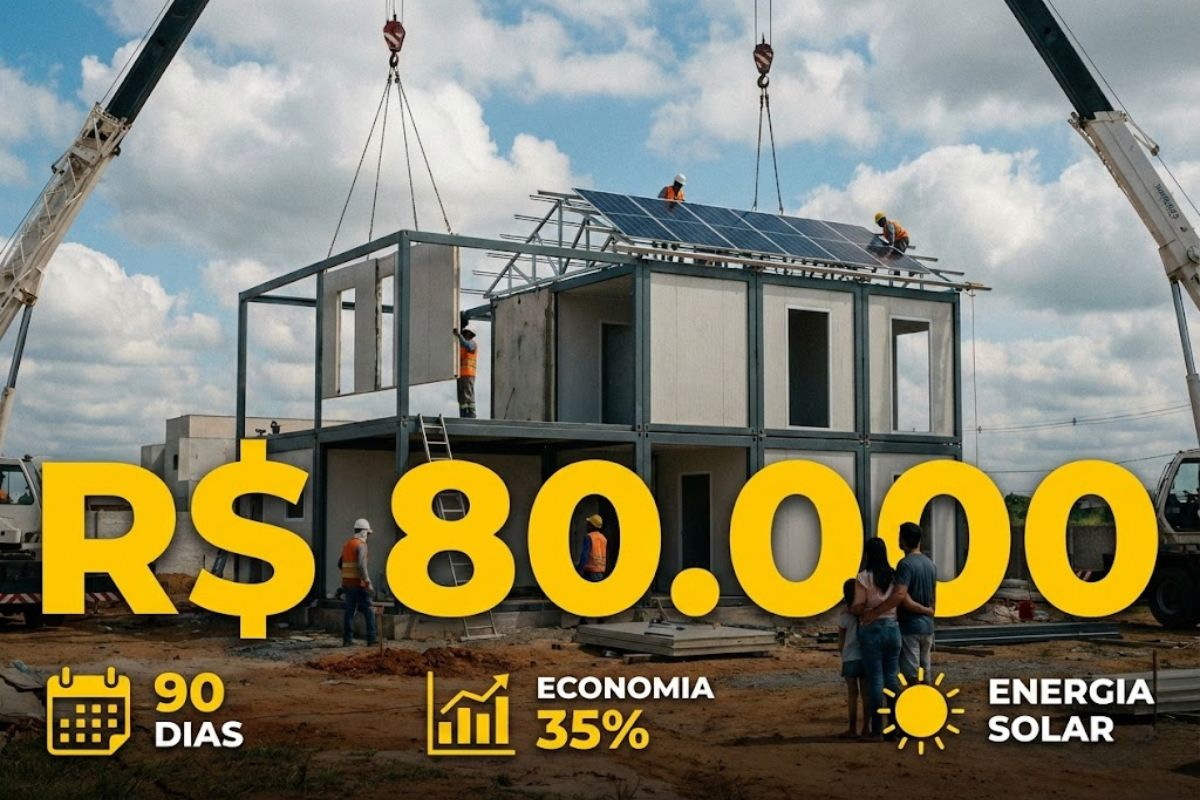


With Industrial Production and Quick Assembly on Site, the Two-Story Modular Home Arrives in the Brazilian Market with a Price Starting at 80,000 Reais, a Promise of Delivery in Up to 90 Days, Less Material Waste, Customization Options, and a Structure Ready to Receive Solar Energy Throughout Brazil.
In this year of 2025, amid the construction industry’s effort to reduce costs, delays, and waste, the two-story modular home for around 80,000 Reais is starting to gain traction as a real alternative to conventional construction in Brazil. With mass production in factories and streamlined assembly on site, this model aims to provide more predictability for those dreaming of homeownership.
Companies like Tecverde and ZenHouse already offer projects with delivery in up to 90 days, with savings that can reach 35 percent compared to traditional construction and the option to leave the factory ready to receive solar energy systems, which reinforces the appeal of financial planning, energy efficiency, and lower environmental impact for the coming years.
Industrial Production and Lean Construction
The central point of the modular home is the method of production. Instead of building everything on site, much of the structure is manufactured in an industrial environment, on an assembly line.
-
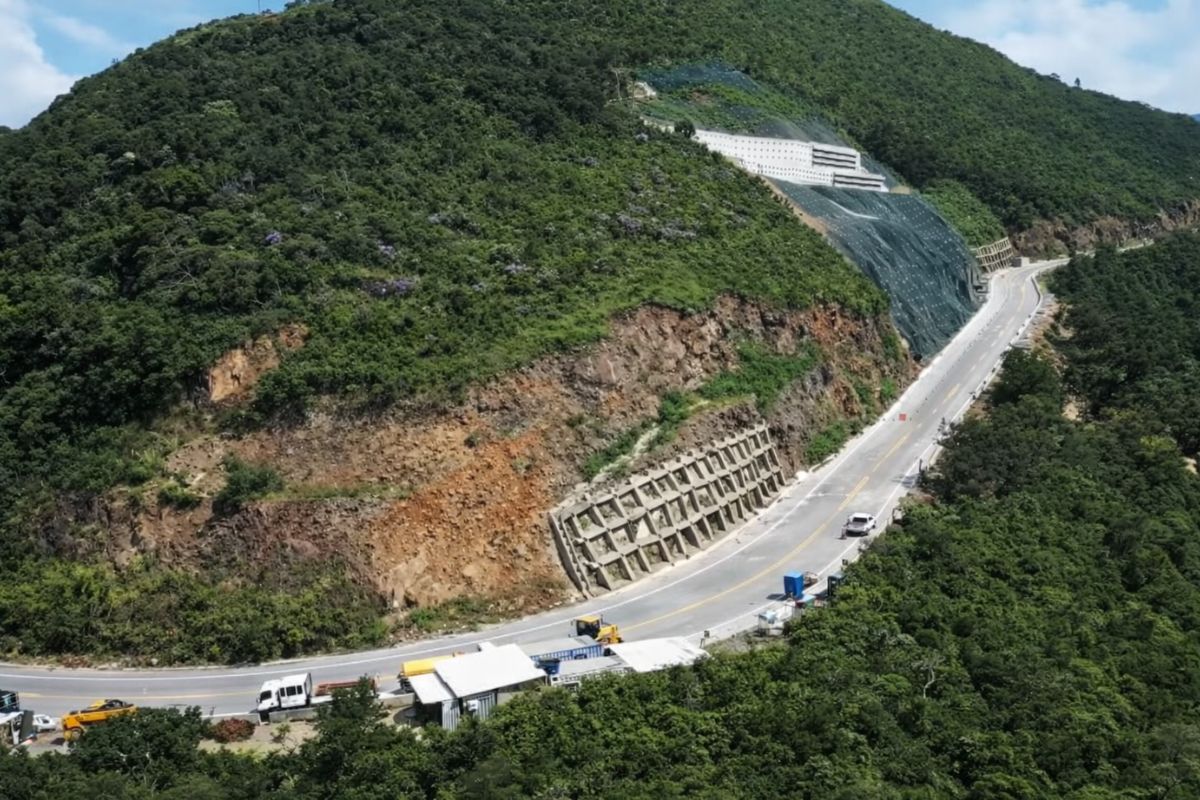
The section of Serra da Rocinha on BR-285 is now open in Timbé do Sul: 50 m tensioned curtains and top-down technique stabilize the slope, with a stairway duct controlling the water.
-
Scientists use sawdust mixed with clay to create a lighter brick, promising efficient thermal insulation and impressing by transforming waste into a solution for construction.

-
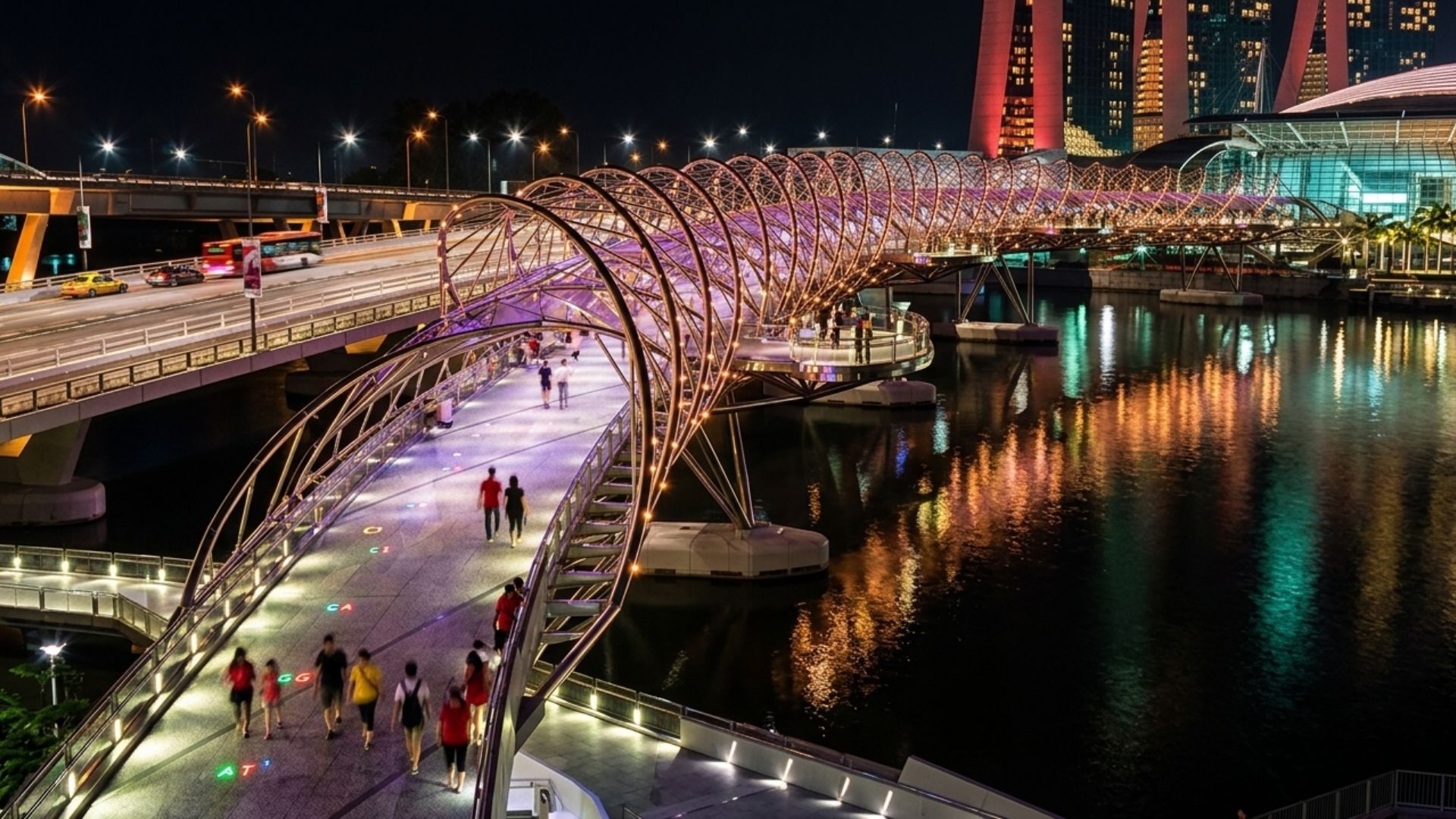
With a DNA shape, this bridge in Singapore draws attention in modern architecture and surprises tourists by transforming a simple crossing into an unforgettable visual experience in the urban heart.
-
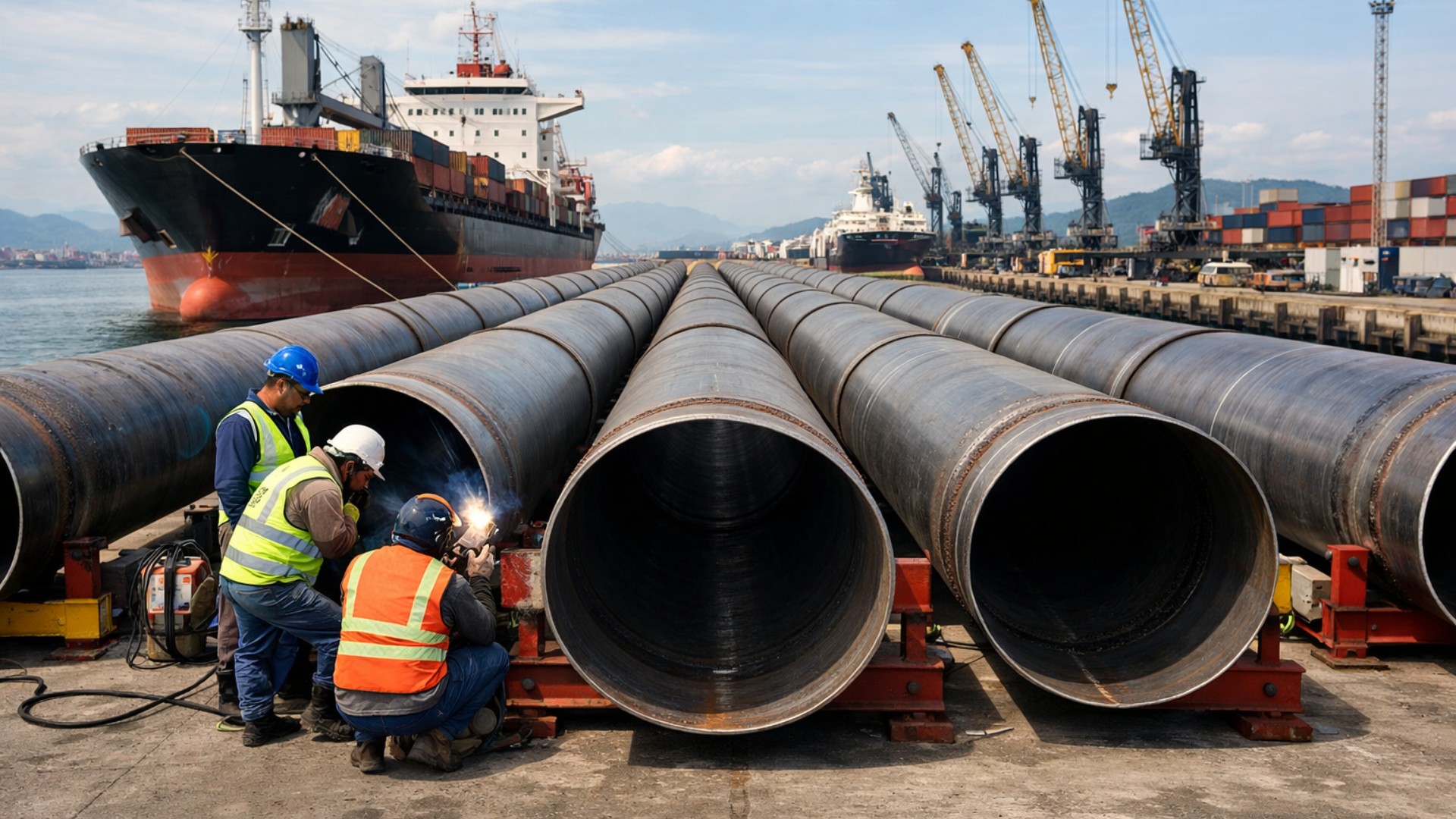
Giant underwater pipeline begins to take shape with a R$ 134.7 million project at the Port of Santos: the 1.7 km structure uses 12-meter and 700 mm pipes to supply water to 450,000 people in Guarujá.

This reduces improvisation on site, standardizes processes, and allows for better quality control at each stage, from cutting the pieces to final assembly.
When the modules arrive on site, assembly is usually much quicker than traditional masonry.
The teams already know exactly where each panel, wall, and metal or wooden structure will be fitted.
With less time spent by professionals on-site, there is also less back-and-forth of materials, noise, and inconvenience for neighbors.
Technologies Like Light Wood Frame and Light Steel Frame
To enable this model, construction companies invest in technologies like light wood frame and light steel frame, which use lightweight structures made of wood or steel, covered with panels designed for sealing and finishing.
These techniques reduce the consumption of natural resources and accelerate the execution of the modular home, as almost everything is pre-sized and cut at the factory.
Besides speed, these systems help reduce waste. Since the project is designed industrially, material purchases are made at scale and with greater precision, avoiding leftovers of bricks, cement, and other inputs that typically end up as waste in traditional construction.
Savings of Up to 35 Percent and Less Waste
The financial appeal is among the main arguments of those advocating for the modular home.
Compared to conventional construction, savings can reach 35 percent, primarily due to reduced construction time and optimized material purchases.
Fewer days of labor mean lower costs for labor, equipment, and transportation.
Another relevant point is the reduction in indirect expenses. For those renting while building, each month less of construction represents relief in the budget.
By shortening the construction timeline to up to 90 days, this model allows for an earlier move into the new property and cuts expenses that weigh on the end of the month.
Focus on Sustainability and Solar Energy
The proposal for modular homes also targets a more environmentally-conscious audience. Production in a controlled environment generates less waste and facilitates the correct disposal of leftovers, thereby reducing the impact on the surroundings.
The very logic of the system aims to consume fewer resources, generate less waste, and ensure better thermal performance over time.
Many projects already leave the factory prepared to receive solar panels and inverters, with electrical infrastructure designed for this future installation.
This allows the buyer to first invest in the modular home and, at a later time, complete the package with the photovoltaic system, reducing electricity bills and reinforcing the idea of a more sustainable dwelling.
Customization Without Losing Speed
Although they work with a certain level of standardization, companies in the sector offer customization options.
It is possible to adjust the floor plan, interior finishes, facade colors, and even foresee future expansions, without losing the industrial logic that ensures short deadlines.
The idea is to combine the flexibility of a custom project with the discipline of an assembly line.
In practice, this means that the resident can choose, for example, a two-story modular home with an integrated living room, open kitchen, balcony, or home office, respecting the structural limits of the system.
Thus, the property does not become rigid like a unique product, but it also does not turn into an endless construction filled with improvised changes.
What the New Modular Home Indicates About the Future of Housing
The growing presence of companies like Tecverde and ZenHouse in different regions of the country shows that modular construction is no longer a distant promise and is starting to occupy real space in the Brazilian real estate market.
Combining technological innovation, sustainability, and competitive pricing, the model appeals to families that need cost and timeline predictability.
If this trend consolidates, it is likely that, in the coming years, consumers will begin to compare not only square footage and location but also the construction system when deciding to purchase.
And you, would you consider swapping traditional construction for such a modular home to finally leave rental housing?









Dependendo da região não tem como. Com tempestades e ventos fortes essas casas vão pro chão rapidinho
Quero o contato da empresa q fornece as casas
Eu trabalhei em construção civil, e digo: não é mzis barata w casa convencional, e o tempo para ficar pronta, é quase o mesmo. Não me desperrou muito interesse…