





 Portuguese
  English
  Spanish
  3 min of reading
  0 comments


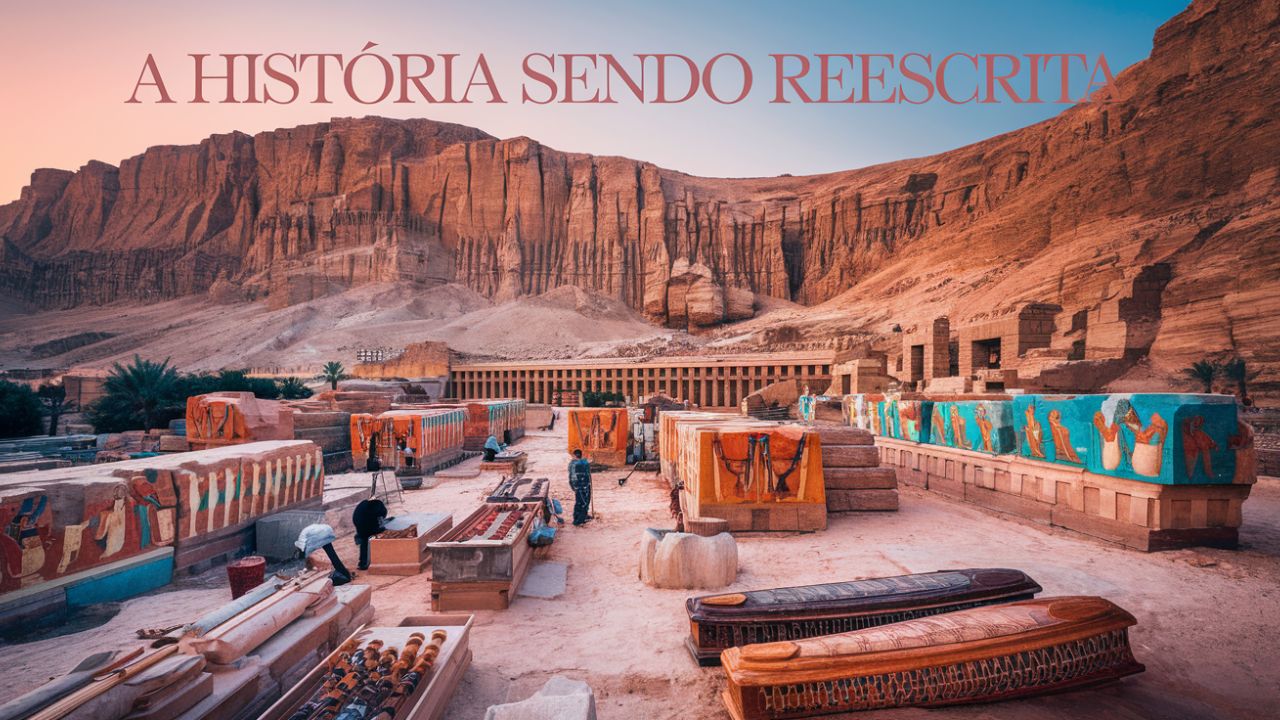
Decorated Blocks, Excavated Tombs, and Ceremonial Tools from the Temple of Queen Hatshepsut, Aged 4,000 Years, Are Part of the Discovery in Luxor, Offering Unprecedented Clues About the Life and Rituals of the Egyptian Civilization.
The necropolis of Luxor, in Egypt, surprises the world once again with yet another breathtaking discovery. Archaeologists unearthed a treasure over 4,000 years old, including tombs, ceremonial tools, and decorated blocks from the iconic Temple of Queen Hatshepsut. What do these artifacts reveal about one of the most fascinating civilizations in history?
Discovery of 4,000-Year-Old Treasure in Deir el-Bahari
Located on the west bank of the Nile, the necropolis of Deir el-Bahari once again proved to be a true time capsule. During a three-year excavation, archaeologists led by renowned Dr. Zahi Hawass discovered tombs, ceremonial objects, and evidence of sophisticated architecture, preserving remnants of the dynasties that shaped ancient Egypt.
Among the most exciting discoveries are over 1,500 decorated blocks that made up the Temple of Queen Hatshepsut. Each piece is a testament to the architectural splendor of this visionary ruler, with bas-reliefs and vibrant colors depicting sacred ceremonies. These blocks not only preserve history but also highlight the grandeur of Egyptian civilization.
-
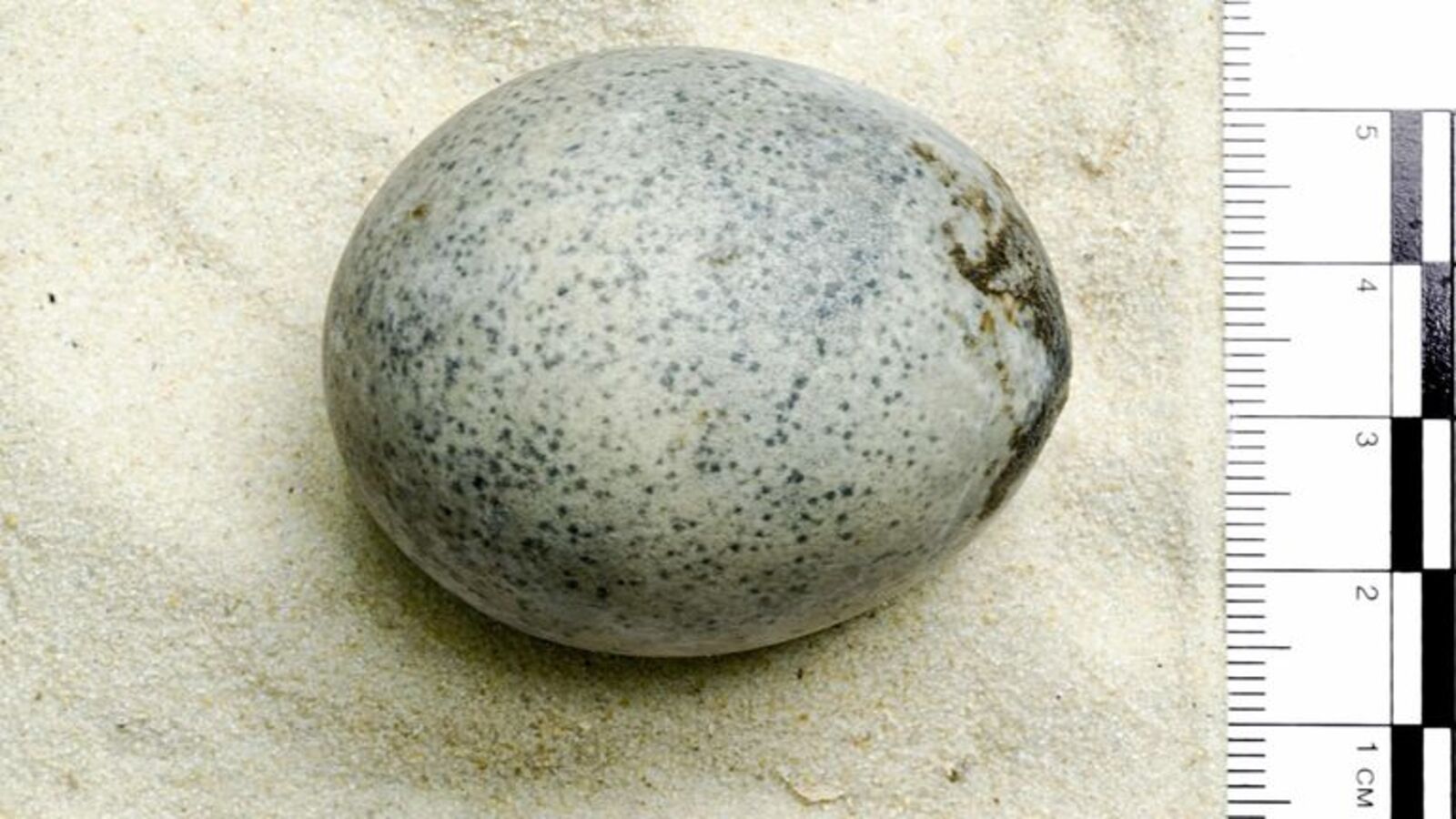
In a flooded well, archaeologists found a 1,700-year-old Roman egg that still contains clear and yolk intact inside the very thin shell.
-
Something is happening around the Earth: Inside the huge explosion of fireballs in 2026

-
A hot air bubble coming from Argentina expands over Brazil, causing thermometers to exceed 38 degrees with a thermal sensation of 40 degrees in late March, affecting 6 states at once.

-
The radish leaf that almost everyone throws away has more polyphenols, flavonoids, and fiber than the consumed root, and a 2025 study showed that the leaf contains compounds that protect the intestine, combat inflammation, and may inhibit the growth of cancer cells.


Middle Kingdom Artifacts: The Past Comes to Life

The cliffs of Luxor revealed tombs carved into the rock, belonging to high officials of the Middle Kingdom. Among them is the tomb of the “Supervisor of the Palace” of Queen Tetisheri. These findings offer a rare glimpse into the life of the Egyptian elite and show how society was organized into different levels of hierarchy.
Inside the tombs, archaeologists found coffins decorated with feather emblems, as well as small toys in children’s graves. These artifacts touch the heart, highlighting the importance given to the afterlife, not just for the powerful, but also for the youngest.
The Legacy of Queen Hatshepsut
Hatshepsut, one of the few women to rule Egypt as pharaoh, left a legacy marked by ambitious architectural projects. The discovered temple reflects her quest to immortalize her name and reinforce her role as a divine intermediary.
Ceremonial tools inscribed with the queen’s name were found, reinforcing her vision of a glorious afterlife. These items are not just historical objects but evidence of how spirituality was fundamental to the Egyptians.
Egypt as a Global Cultural Destination
Egypt already welcomes millions of tourists annually, and discoveries like this have the power to further revitalize the tourism industry. Who wouldn’t want to witness the mysteries of such an enigmatic civilization up close?
The combination of modern technologies with traditional excavation methods has allowed secrets buried for millennia to come to light. This discovery is yet another example of how the past can come to life.







-

Uma pessoa reagiu a isso.