





 Portuguese
  English
  Spanish
 3 min of reading


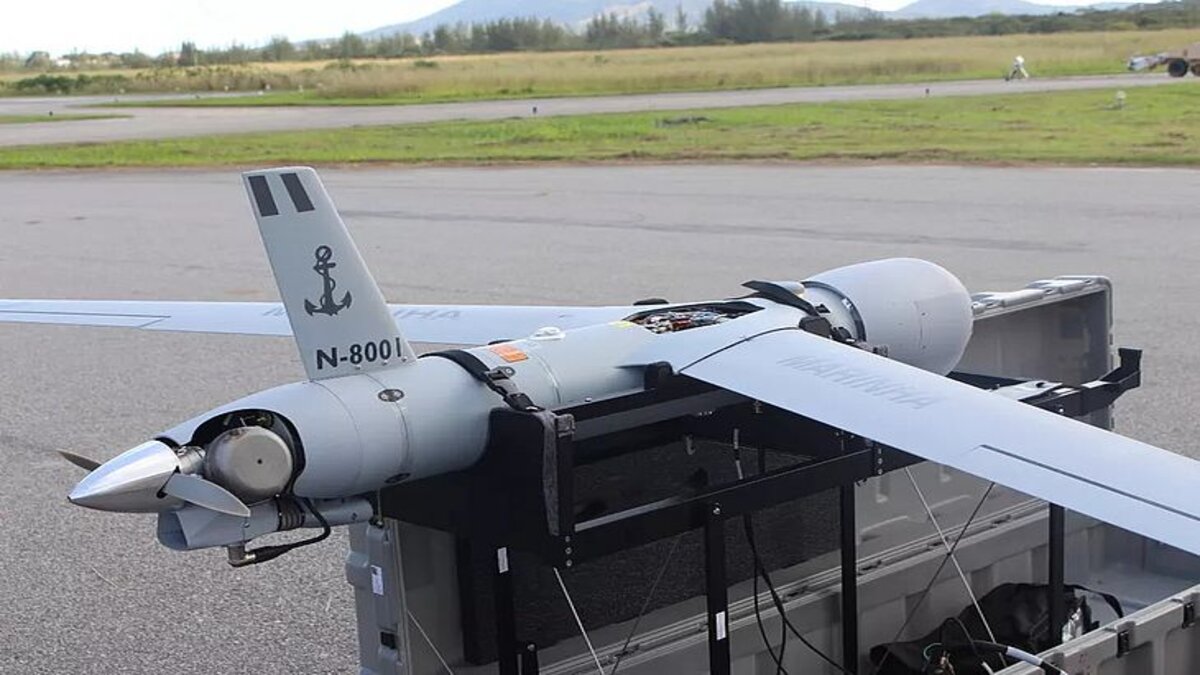
Brazilian Navy Launches New Drone Division in National Territory. The Innovation Is Encouraging for the Armed Forces and for the Security of All of Brazil.
On Tuesday, (06/07), the Brazilian Navy held the ceremony for the launch and activation of the 1st Squadron of Remotely Piloted Aircraft (EsqdQE-1). The event took place at the São Pedro da Aldeia naval base, in the Lagos region, and was a cause for much celebration. The use of drones will enhance the operational capability of ships during intelligence and reconnaissance missions.
#NavalAviation The 1st Squadron of Remotely Piloted Aircraft made the first launch of the ScanEagle aircraft at the São Pedro da Aldeia Naval Air Base-RJ. The unit will conduct intelligence, surveillance, and reconnaissance activities, enhancing the operational capacity of the #NavalPower pic.twitter.com/cDrgQ7bSHG
— Brazilian Navy (@marmilbr) June 28, 2022
ARTICLE CONTINUES BELOWSee also
A fine of R$ 115 thousand puts Goodyear at the center of an environmental case in Americana after oil and grease appeared in a stream and the company was forced to act quickly.

A hidden metal piece in the bow redesigns the water flow, reduces drag, and can save over 10,000 tons of fuel per year; this invisible solution allows giant ships to cut millions in costs without changing engines or routes.

Alcoa and Posidonia enhance gender equity with the first female captain on the Alumar–Juruti route and strengthen female leadership in Brazilian maritime transport.

The world’s first container ship powered by renewable ammonia promises to avoid around 11,000 tons of CO₂ per year. The vessel, scheduled to operate in 2026, will connect Norway, Germany, and the Netherlands on one of the shortest and most strategic routes in Europe.

New Drone Squadron Will Ensure Greater Efficiency in Intelligence Missions
According to the Brazilian Navy, the creation of EsqdE-1 is a milestone in the entire history of the armed forces and will enhance the reconnaissance capability of ships: “The establishment of EsqdQE-1 is a major milestone in the history of Naval Aviation and will bring a significant increase in the operational capacity of the naval force’s ships during intelligence, surveillance, and reconnaissance missions,” the Navy stated in a note.
In this sense, the squadron has six types of aircraft, in addition to two launchers and two recovery systems. According to the armed forces, these can be used both on land and at sea, even at night, for monitoring disasters, combating piracy, conducting rescue operations, and protecting human life in the seas and oceans, for example.
Furthermore, the Brazilian Navy also states that the Military Organization of the Operational Sector, subordinate to the Naval Aviation Command, intends to contribute to the decisive process of planning and employing naval power through the utilization of the drone squadron. With the use of the drone division, the Naval Force will be able to combat issues such as terrorism more efficiently.
Brazilian Navy Did Not Provide Information on Where the Aircraft Will Patrol at the Start of Operations, but Details How the Drones Work
When asked where the drones will patrol at the start of operations, the Brazilian Navy did not respond on its website. According to them, the new military operation will be the responsibility of the Air Force. The first launch was conducted on June 28, also in São Pedro da Aldeia, and the preparation, landing, and return video was shared.
Military personnel from the armed forces participated in training on the operation of the drones last year in the United States. The announcement that the drone squadron would be part of the Brazilian naval aviation was made in 2019, and since then numerous preparations have been made for the launch of the remotely piloted aircraft.
The ScanEagle, the drone used by the Brazilian Navy, is lightweight and has an average wingspan of 3.1 meters, a length of 1.6 meters, and a ceiling of 19,500 feet, or about nearly 6,000 meters. It has a gasoline engine that can last up to 24 hours autonomously.
It is also interesting to note that the aircraft takes off from a launcher, can depart from a ship, and return to the vessel, as it does not have landing gear, says Insitu, the company responsible for manufacturing the drones.
Additionally, the company states that the drone reaches speeds of nearly 150 km/h, and its action radius is up to 100 km/h. Insitu also confirms that the aircraft can fly in extreme environments carrying a camera or with infrared, enhancing efficiency in reconnaissance, intelligence, and surveillance missions.









Seja o primeiro a reagir!