





 Portuguese
  English
  Spanish
  3 min of reading
  0 comments


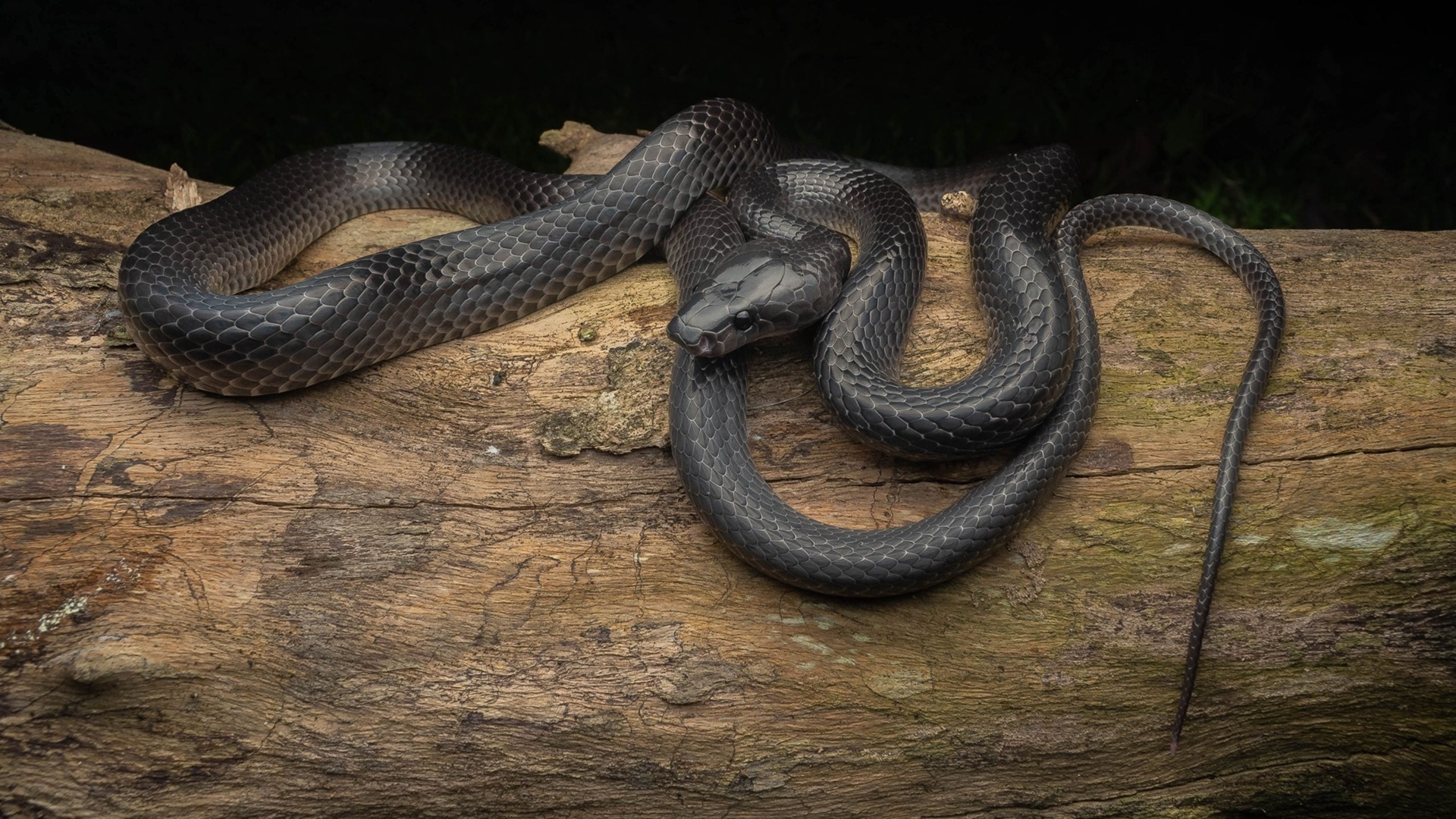
Identified After More Than A Decade Of Taxonomic Uncertainty, The New Wolf Snake Species Was Confirmed In The Great Nicobar Islands Based On Genetic Analyses, Reevaluation Of Old Specimens, And Only Four Known Records, Highlighting The Poorly Documented Biodiversity Of The Indian Archipelago
A new species of wolf snake has been officially described in the Great Nicobar Islands, India, after taxonomic and genetic studies showed that individuals previously classified as Lycodon subcinctus actually belong to a distinct lineage, expanding the knowledge of the region’s insular biodiversity.
Taxonomic Redefinition After Years Of Uncertainty
The snake now recognized as a new species was originally known from a single recorded sighting on Great Nicobar Island. For over ten years, this record had been attributed to the Lycodon subcinctus group, considered widely distributed in southern and southeastern Asia.
More recent taxonomic studies raised doubts about this initial classification, suggesting that the Nicobar population might represent an undescribed lineage. This hypothesis led researchers to reexamine old materials and conduct new specimen collections on the island.
-
With a cost per shot close to zero, the DragonFire laser could change naval warfare in 2027 and provide British ships with nearly unlimited defense against drones.

-
A British startup creates tires that generate electricity in electric vehicles when passing over potholes, speed bumps, and cracks.

-
Scientists have created robots made with living cells that have their own nervous system, swim on their own, explore the environment, and self-organize without any genetic engineering, and now they want to do the same with human cells.

-
Students create a solar-powered ambulance that operates without a plug, without fuel, and still keeps medical equipment running in remote areas.


The investigation involved analyzing newly collected material, a museum specimen that had never been studied in detail, and molecular data, allowing for a comprehensive comparison with other species in the Lycodon subcinctus complex.
Genetic Analyses And Confirmation Of The New Species
The results of the molecular analyses showed that the Nicobar snake exhibits a genetic divergence of 6% or more compared to other members of the Lycodon subcinctus group. This level of differentiation is considered sufficient to justify formal recognition as a separate species.
The scientific description was published in the open-access journal Evolutionary Systematics by RS Naveen and SR Chandramouli from Pondicherry University, Zeeshan A. Mirza from the Max Planck Institute for Biology, and Girish Choure from Pune.
Based on these data, the researchers demonstrated that the Great Nicobar Island population not only differs genetically but also presents its own set of morphological characteristics that reinforce its taxonomic distinction.
Tribute And Official Naming
The new species has been named Irwin’s Wolf Snake, with the scientific name Lycodon irwini. The name honors Stephen Robert Irwin, internationally known for his work as an animal handler, conservationist, television personality, and wildlife educator.
According to the study’s authors, the choice of name reflects Irwin’s lasting impact on environmental education and wildlife conservation. They state that his passion for wildlife inspired naturalists and environmentalists around the world, including the researchers involved in the discovery.
The publication highlights that the naming also aims to draw attention to the importance of conserving lesser-known species in remote insular regions.
Appearance, Ecology, And Conservation Status
Adults of Lycodon irwini display glossy black coloration and can reach up to one meter in length. The species is non-venomous and, according to researchers, likely feeds on reptiles, amphibians, and small mammals present in the local environment.
So far, Irwin’s wolf snake appears to be endemic to Great Nicobar Island in the Andaman and Nicobar Archipelago.
Only four confirmed records are known, a number considered extremely low even for island reptiles in the region, which reinforces its natural rarity or highly reserved behavior.
The species inhabits evergreen moist forests and may be associated with very specific microhabitats. Due to its restricted geographical distribution and potential human threats, the authors suggest it be considered endangered, emphasizing the need for attention to its protection and continuous monitoring of the local herpetofauna, even in light of existing gaps in scientific knowledge.
This article was prepared based on the scientific study published on November 7, 2025, in the open-access journal Evolutionary Systematics.








-

-

-

-

-

-

48 pessoas reagiram a isso.