





 Portuguese
  English
  Spanish
  5 min of reading
  0 comments


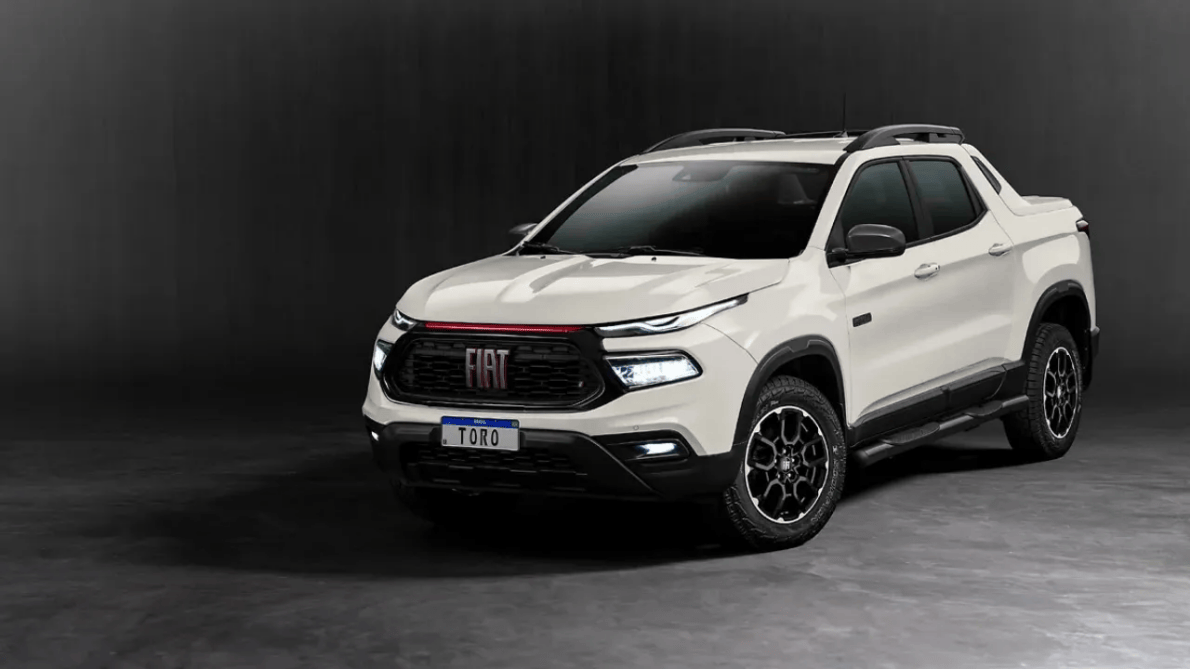
Fiat Toro 2026 Debuts With The Long-Awaited Electronic Brake And Visual Changes, Aligning Closer To Stellantis’ Technological Standards While Maintaining Its Original DNA That Conquers Fans Throughout Brazil.
The Fiat Toro 2026, one of the Italian brand’s main products in Brazil, will finally feature the long-awaited electronic parking brake, aligning itself with other vehicles produced by Stellantis at the Goiana (PE) factory.
The update, considered the last of the current generation, marks an important advancement in the lineup and eliminates a difference that set it apart from models such as Jeep Renegade, Compass, Commander, and Ram Rampage — all of which have been equipped with the system since launch.
The adoption of the electronic brake aligns the Toro with the technological standards of the automaker’s most modern vehicles, as well as correcting a detail that had become outdated for the segment it operates in.
-
The car stored for 38 years: when opening the barn door, what appears is breathtaking and looks like a scene from a movie!

-
Fiat works miracles in the Brazilian market, lowers the price of its 0 km hatch to R$ 69,990, reestablishes the model as the cheapest car in the country, and reignites the battle against Kwid and C3.
-
Chevette with cooking gas: How the gas cylinder ends up being used in cars clandestinely and why this makeshift solution can result in leaks, explosions, damaged engines, and seized vehicles.
-
Fiat launches the new 2027 Toro hybrid with 48V, 176 hp, an electric motor of 15.5 hp, a 0.85 kWh battery, up to 7% fuel savings, 8% fewer emissions, and possible exemption from IPVA.
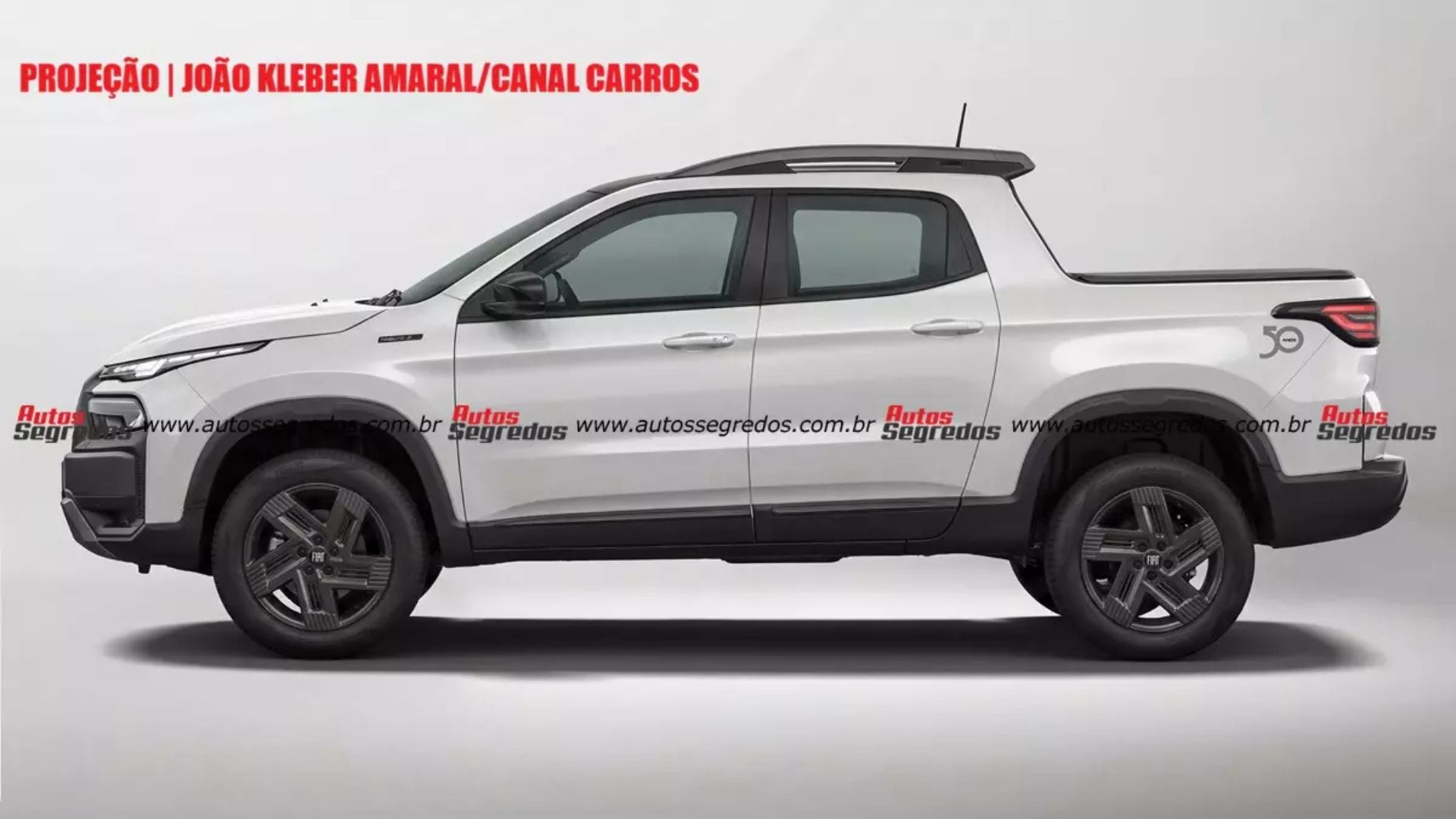

Even being the entry-level vehicle among those manufactured in the Pernambuco industrial hub, the Toro has always been treated as a strategic model for Fiat in the Brazilian market, being even considered its “flagship” in the country.
New Ergonomics Inside
Although the exterior of the Fiat Toro 2026 features subtle changes, it is inside that one of the most practical updates will be noticed.
The central console will undergo a slight redesign to accommodate the new electronic parking brake control.
Out goes the traditional mechanical lever, replaced by a set of buttons with piano black finish, separated by a gray trim.
The left button will be responsible for activating the brake, while the right one will enable the Auto Hold system, which keeps the car stationary even without pressing the brake pedal.
In the space where the lever brake used to be, Fiat will install a new horizontal storage compartment, although its dimensions are quite limited.
According to sources linked to the brand, the compartment is expected to hold only a cell phone or, if lucky, a compact tablet.
This change reflects the brand’s effort to modernize the cabin environment without making major interventions to the overall layout.
Other than that, the interior of the Toro will remain practically the same, with the digital dashboard receiving only a light update in graphics, without changes to the structure or main functionalities.
Exterior Style Also Undergoes Adjustments
In terms of exterior design, the Toro 2026 relies on design elements inspired by the latest updates to the Argo, Cronos, and even the new Uno (or Grande Panda, as it has been called internally).
The main change will be the new front optical assembly, with LED daytime running lights featuring pixelated graphics, bringing a more modern visual signature.
The front end will also have a redesigned bumper with an enlarged grille and vertical elements, a trend that Fiat is already exploring in other recent models.
At the rear, the bumper will be restyled and the taillights will receive a new lighting layout, replacing the setup inherited from the old Fiat Punto, highlighted by a new integrated and more functional reverse light.
These changes aim to give the model a renewed appearance, without altering its basic structure, as Fiat opted to keep the current platform until the arrival of the next generation.


Last Update Before The New Generation
As revealed by Auto+ website, this will be the last update of the current generation of the Fiat Toro, whose second generation is set to begin testing in 2027.
Prototypes are already in the planning phase, and some sources indicate that the new Toro will adopt sportier lines, as well as a new version with Abarth preparation — Fiat’s sports brand that has already lent its name to models like the Pulse Abarth.
Although the new generation will maintain the current platform, the promise is for bolder design and even more advanced technologies to compete with upcoming releases from other manufacturers by the end of the decade.
A Necessary Step In The Race For Modernization
The decision to incorporate the electronic parking brake into the Fiat Toro 2026 is not merely an aesthetic or practical choice.
It is a response to the increasing demands of Brazilian consumers for technology, safety, and comfort, even in utility vehicles.
It is worth noting that direct competitors of the Toro, such as the Renault Oroch and Chevrolet Montana, already feature similar integrated technologies, reinforcing the need for Fiat to not fall behind in terms of innovation.
Additionally, models like the Fiat Fastback and Pulse Abarth, despite being from different categories, already offer the electronic system, which has caused some strangeness among Toro consumers.
By aligning its pickup with Stellantis’ latest standards, Fiat aims to further consolidate the model’s leadership in the mid-size pickup segment, maintaining its appeal among urban and rural consumers.

Updates Driven By Market Demand
The Brazilian automotive market has shown a strong preference for vehicles with technologies that simplify driving and offer greater practicality in daily life.
The electronic parking brake is one of those items which, although small, has a significant impact on the driver’s experience, especially in large urban centers with hills and traffic jams.
According to data from Fenabrave (National Federation of Motor Vehicle Distributors), the compact and mid-size pickup segment continues to grow, increasing the pressure on manufacturers to invest in competitive differentials without compromising the final cost to the consumer.
Fiat, which leads this market by a wide margin, knows that targeted updates like this are essential to maintain the product’s relevance until the new generation arrives.
Especially in a scenario where consumers have more access to information and compare technical details before making a purchase.
What do you think? Do you believe these changes will be sufficient to keep the Fiat Toro as a market reference until 2027? Or is it already time for a deeper renewal? Comment below and share your opinion with us!







Seja o primeiro a reagir!