





 Portuguese
  English
  Spanish
  5 min of reading
  20 comments


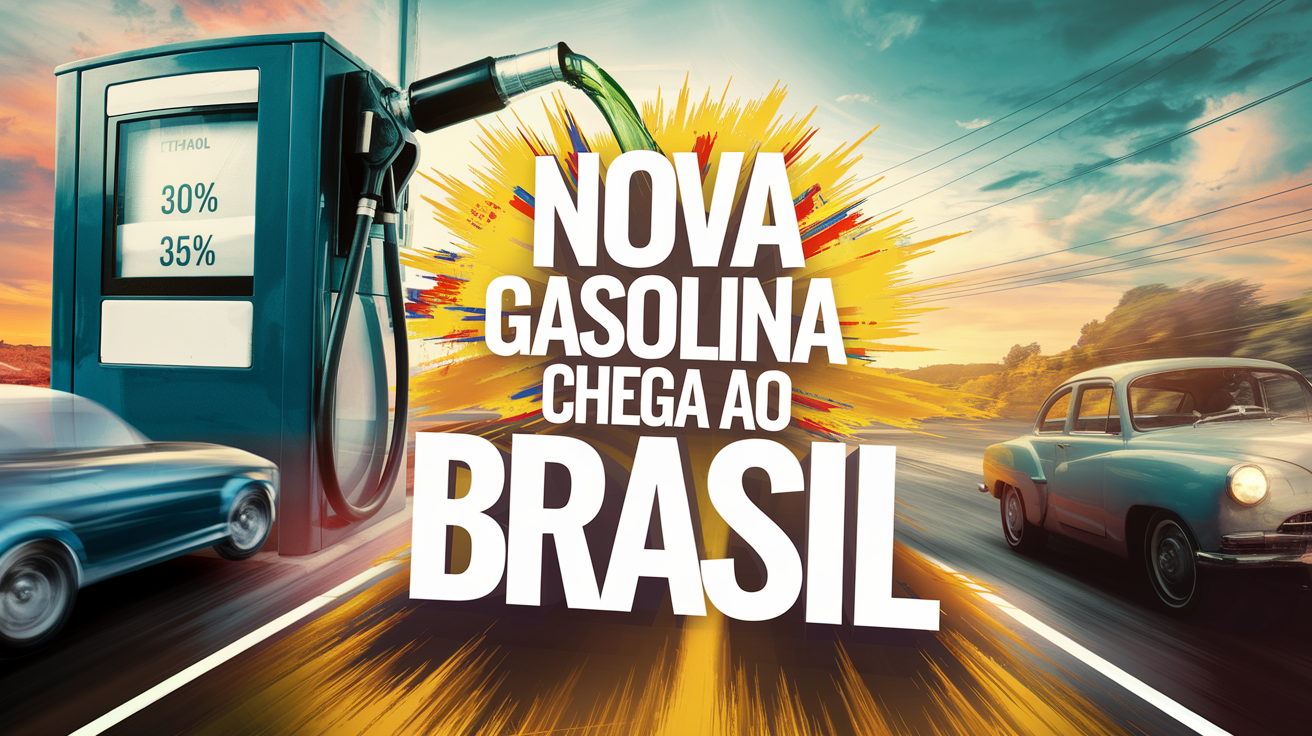


The E30 Gasoline Will Arrive at Gas Stations in April 2025 with More Ethanol in the Mix. How Will This Impact Your Vehicle’s Range and Consumption? Find Out Everything About the Tests and What Changes for Drivers. Do the Benefits Outweigh the Costs?
Starting in April 2025, Brazilian drivers will feel the effects of one of the biggest changes in fuel in recent years.
The new gasoline set to hit the gas stations brings a significant increase in ethanol content, something that can directly impact vehicle consumption and even maintenance.
But what can drivers expect from this radical change? How will it affect consumers’ wallets? The answer is about to be revealed, and the truth may surprise many.
-
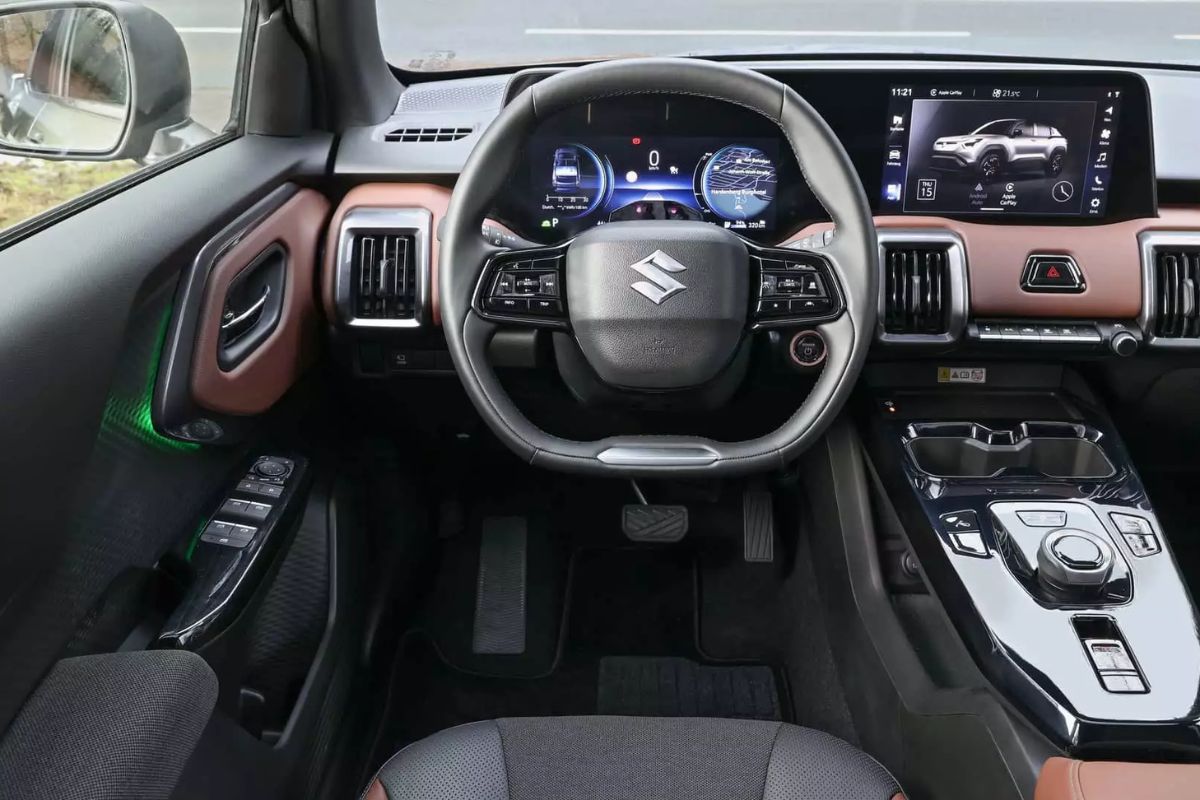
The 2026 electric Vitara arrives in Brazil and proves that Suzuki is not leaving: 4×4 traction, 184 hp, 61 kWh LFP battery, 293 km range, R$ 259,000, and a trunk capacity of 224 L.
-
The institute that trained the greatest aerospace engineers in Brazil has just opened its first campus outside São Paulo after 75 years: ITA Ceará will have R$ 445 million, new courses in energy and systems, and classes are expected to start in 2027.

-
Luciano Hang, owner of Havan, goes to Juiz de Fora after the tragedy in February, brings R$ 1 million, hands out R$ 2,000 cards, and donates up to R$ 15,000 to victims in the region.

-
The Brazilian passport allows legal residence in dozens of countries without the need for a prior visa, and most Brazilians are unaware that they can apply for residency directly upon arriving in nations in South America, Africa, and even Europe.


The so-called “Future Fuel Law”, sanctioned by President Luiz Inácio Lula da Silva in October 2024, aims to transform the fuel market in Brazil.
Among the most important changes is the increase in the percentage of anhydrous ethanol in gasoline.
So far, regular gasoline contains 27% ethanol, with a minimum value of 18%. However, with the new legislation, the minimum rises to 22%, and the ceiling reaches 35%.
This change is an attempt to increase the share of ethanol in the mix and reduce dependence on fossil fuels, which is crucial for Brazil’s sustainable development.
However, an important aspect of this change, which directly impacts the driver’s life, is the immediate increase of the ethanol percentage to 30%, as approved by the Ministry of Mines and Energy (MME) in December 2024.
The news is that the new gasoline, called “E30”, is set to begin being sold as early as April 2025.
But before distribution, the mix will undergo a series of tests at the Mauá Institute of Technology (IMT) in São Paulo, between January and February.
These tests, sponsored by ethanol producers, aim to ensure the quality and effectiveness of the new fuel.
The final report of these trials will be presented by the end of February to the National Energy Policy Council (CNPE), to define the official adoption of E30.
Tests and Impacts on Vehicles: What to Expect?
The IMT will conduct a series of tests to assess the effects of gasoline with 30% ethanol.
The goal is to analyze various aspects of the new fuel, such as engine performance, pollutant emissions, and compatibility with different types of vehicles.
Rogério Gonçalves, director of fuels at the Brazilian Association of Automotive Engineering (AEA), explained that the trials will be divided into three categories: drivability, material compatibility, and emissions.
In the drivability category, the tests will measure the effects of the fuel on vehicle performance, especially in situations like cold starts and driving.
In the material compatibility analysis, the resistance of engine components, such as injection systems and elastomers, which may be more sensitive to the ethanol mix, will be checked.
Finally, emissions measurements will be conducted to assess whether the burning of ethanol brings environmental benefits.
Vehicle Range: What Will Change?
An important point that is being widely discussed among experts is the impact of the increased ethanol on vehicle range.
With the addition of ethanol, the combustion of the fuel tends to be cleaner, but at the same time, it may reduce the fuel efficiency, resulting in higher consumption.
As Rogério Gonçalves explains, the 3% increase in ethanol content can decrease the vehicle’s overall range.
In other words, with each full tank, the driver may feel that the car travels a shorter distance than before.
This impact will be more significant for cars that were not designed to operate with a higher concentration of ethanol.
For example, older vehicles or imported models may struggle to adapt to the new mix.
In this sense, the engineer warns that the implementation period for the new gasoline, set for April 2025, may not be sufficient for all vehicles in the Brazilian fleet to be ready to use E30 without issues.
Domestic manufacturers, on the other hand, have more time to make the necessary adjustments to their models, which may be more difficult for imported cars.
Impacts on Manufacturers and Old Vehicles
The transition to the new gasoline may be especially challenging for older vehicles.
Engineer Rogério Gonçalves highlighted that cars with more outdated injection systems may take longer to adapt to the new fuel.
The adaptation of old and imported models will require more testing and adjustments, which may delay the Brazilian fleet’s adaptation to the new gasoline.
Additionally, the engineer stated that domestic manufacturers are better prepared to handle the change.
The majority of manufacturers have factories in Brazil and are already testing their models to adapt to E30 gasoline.
However, imported cars, especially older models, may have difficulties running on the new ethanol mix. This is one of the reasons why the impact of the new gasoline may not be immediate across the entire vehicle fleet in the country.
The Anticipation Around E30 Gasoline
The great anticipation centers around the environmental benefits of the new gasoline and its impact on reducing pollutant emissions.
The Brazilian government is betting on increasing ethanol to reduce carbon emissions and promote a more sustainable fuel.
However, the question remains: to what extent will this measure truly help reduce pollution? Or will drivers have to pay more for a fuel that, in practice, will increase consumption and maintenance costs?
The results of the tests to be conducted by the end of February 2025 will ultimately determine the consequences of this change.
If E30 is approved, it could become the standard in Brazil, but until then, it remains to be seen what the real impact will be for drivers and the country’s economy.
The Impact on Price and Vehicle Maintenance
Finally, another concern that arises among drivers is the financial impact of the new gasoline.
The increase in ethanol in the mix may result in more expensive fuel at the pumps, in addition to generating extra costs for vehicle maintenance, especially for older or imported vehicles.
Adapting engines to this new fuel may require more maintenance care, which could lead to increased costs for vehicle owners.
As E30 gasoline begins to be tested and implemented across Brazil, drivers should prepare to face these changes and understand how they will affect their wallets.
Do you think the new E30 gasoline will be a good alternative for Brazil or will it bring more problems than solutions? Share your opinion below!








Infelizmente mais um lobby do setor alcooleiro, pois seremos obrigados a consumir o que não queremos . E não irá reduzir em nada a emissão de gases, pois como a mistura é menos eficiente teremos que abastecer mais para rodarmos a mesma quilometragem. E poluiremos mais.
Se já tem 27% de álcool na gasolina, aumentar 3% fica praticamente a mesma coisa.
Vão colocar 30% de etanol no combustível pra ver o que acontece.
Pra mim não acontece nada do que já é.
Vão utilizar nossos carros como cobaia para ver se polui menos, etc.
O que eles vão conseguir é vender mais álcool beneficiando produtores. E quem posa de cobaias são nossos carros, que se danificaram você fica no prejuízo e o governo faz sua pesquisas às nossas custas
Talvez devêssemos pedir no posto álcool misturado com gasolina.
ETA Brasil de espertos.
Se houvesse um impacto ambiental positivo e redução de custos de aquisição da nova gasolina, seria uma ótima opção…mas sabemos que isso não é verdade e que há interesse escuso de um pequeno grupo…como sempre, pagaremos o Pato!