





 Portuguese
  English
  Spanish
  5 min of reading
  0 comments


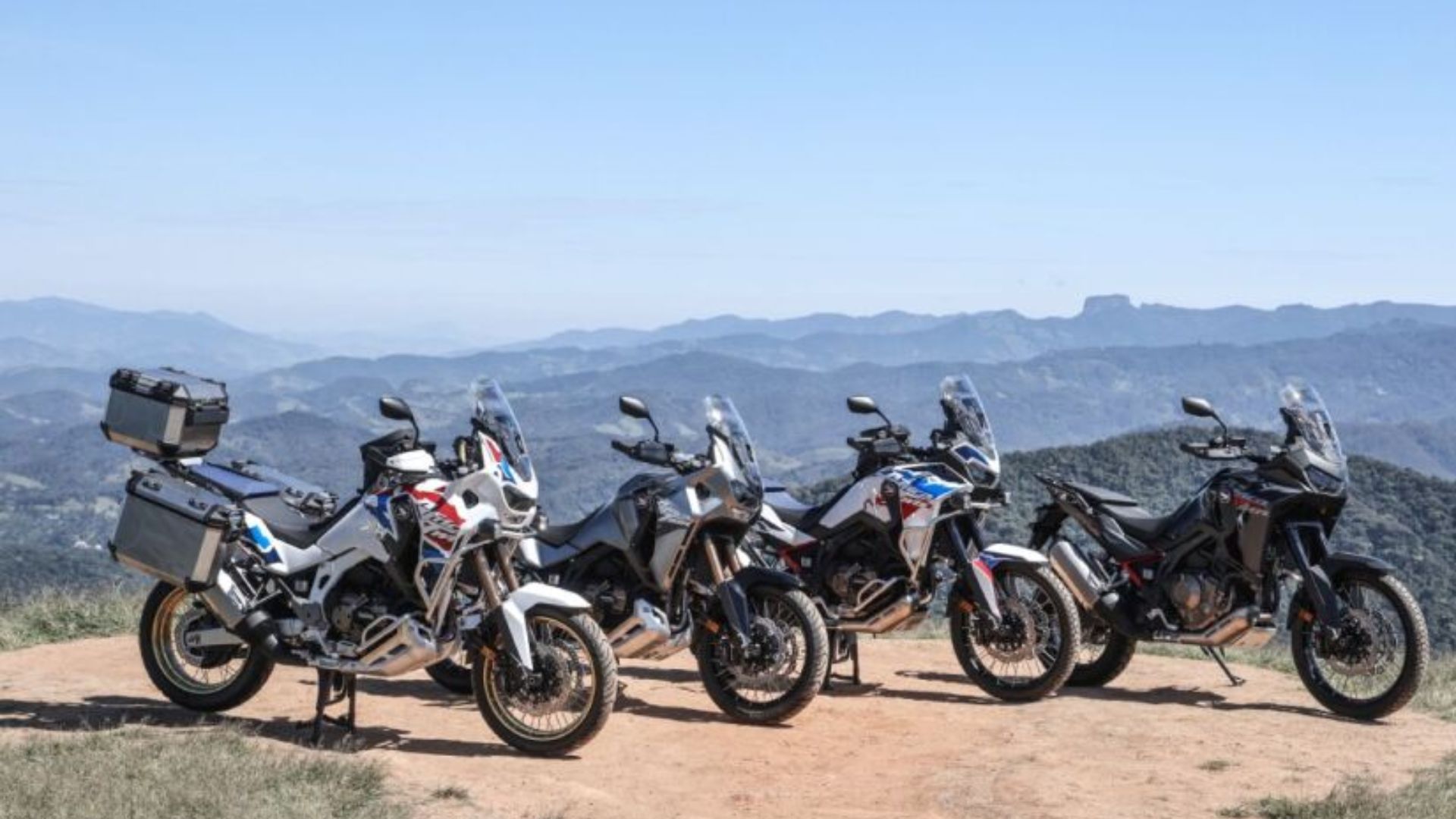
The Arrival of the 2026 Africa Twin Line in Brazil Marks a New Phase for Bigtrail with Three Versions, Focus on Technology, Comfort, and Mixed Use, as Well as Defined Prices, Extended Warranty, and Complete Electronic Package for Road and Off-Road.
Honda will launch the CRF1100L Africa Twin 2026 line in Brazilian dealerships starting January 2026 in three versions, featuring a 1,084 cc engine, a maximum power of 99.3 hp, and a torque of 10.9 kgf.m.
The family retains both manual and DCT dual-clutch transmission options, and it introduces changes aimed at both off-road use and touring, especially the Adventure Sports, which now features a 19-inch front wheel and a larger 24.8-liter tank to increase range.
The lineup will be sold with a three-year warranty, without mileage limits, and will include Honda Assistance for the entire period, covering Argentina, Bolivia, Chile, Paraguay, and Uruguay as well.
-
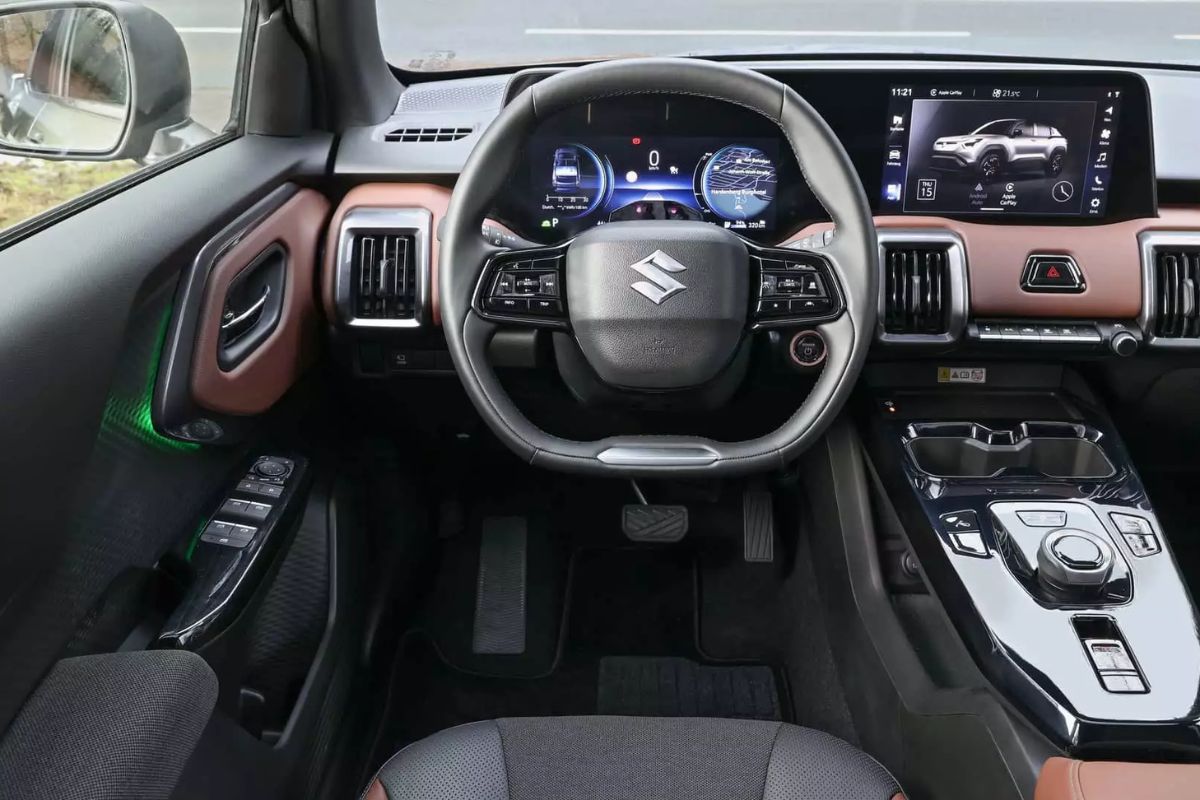
The 2026 electric Vitara arrives in Brazil and proves that Suzuki is not leaving: 4×4 traction, 184 hp, 61 kWh LFP battery, 293 km range, R$ 259,000, and a trunk capacity of 224 L.
-
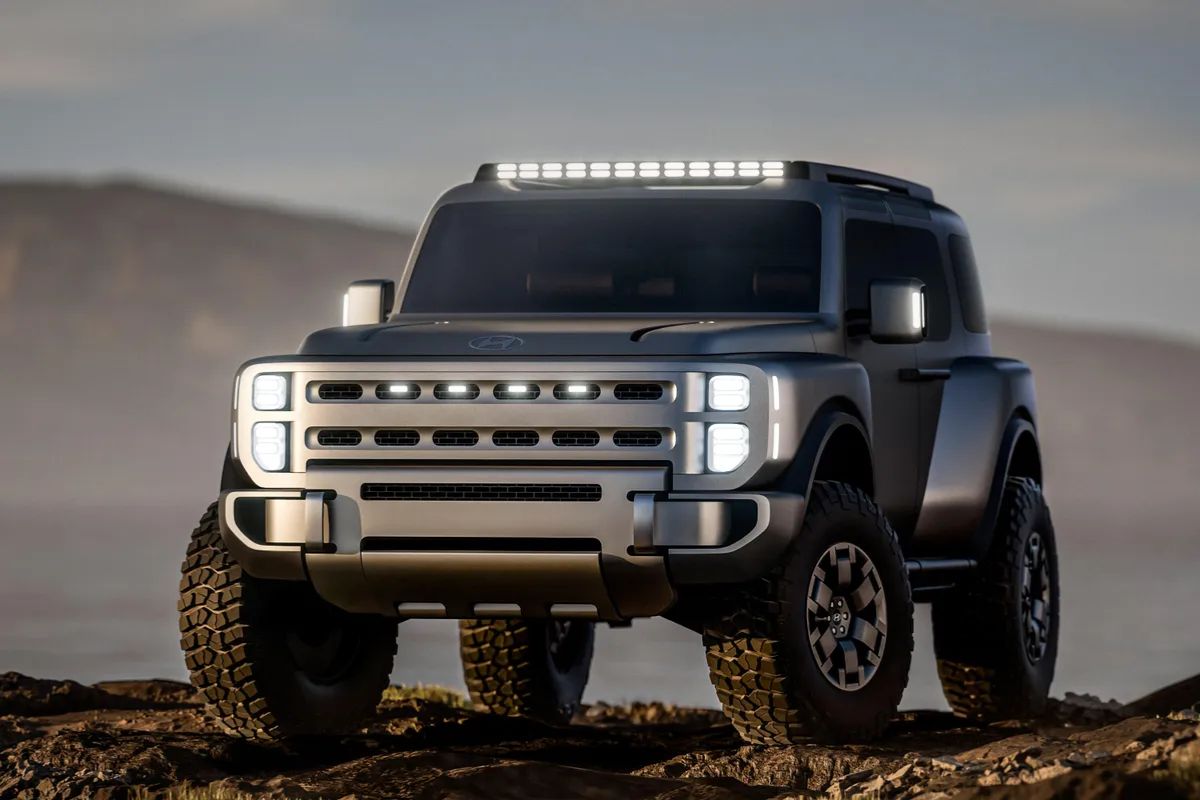
Hyundai has unveiled the Boulder, a square SUV with a body-on-frame design, 37-inch mud tires, and carriage-style doors that seems to be made to take on the Ford Bronco and the Scout Traveller in the United States.
-
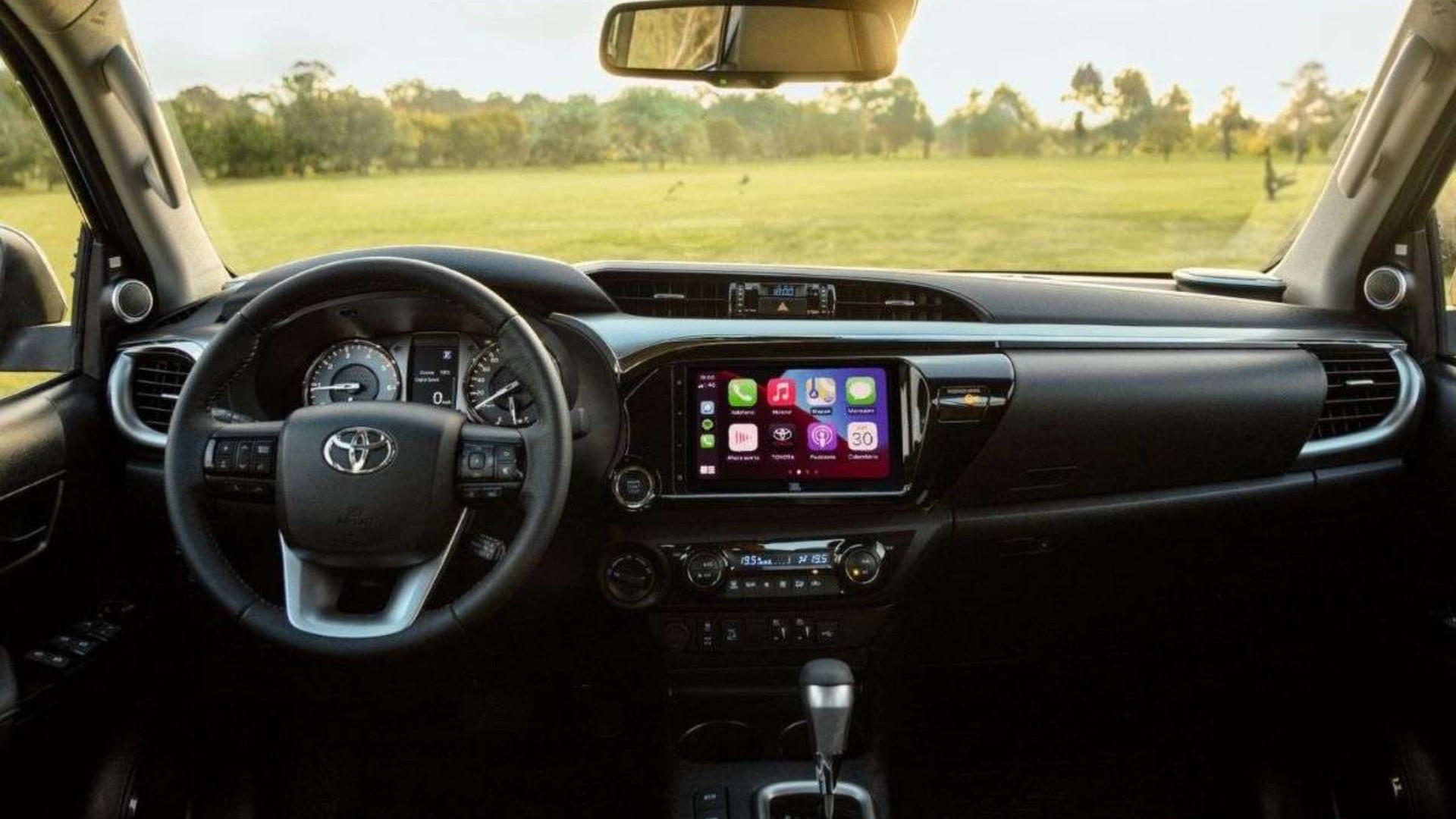
The Toyota Hilux is R$ 75.5 thousand cheaper and bets on the 2.8 turbodiesel engine with up to 204 hp and 50.9 kgfm to catch up with the VW Saveiro, which leads with 4,472 sales.
-
The new Renault Koleos has a screen exclusively for the passenger that is invisible to the driver, heated rear seats, and 29 assistance systems, but its Chinese competitors cost R$ 40,000 less and deliver more power.

The maintenance plan includes the first service at 1,000 km or six months, followed by intervals of 6,000 km or six months.
In reference values for the city of São Paulo, excluding freight and insurance, the Africa Twin MT is suggested priced at R$ 85,500.
The Africa Twin DCT is priced at R$ 96,346, and the Adventure Sports DCT reaches R$ 116,513, according to the price list released for the 2026 line.
Honda Africa Twin 2026 Updates

The Africa Twin has received a portfolio update amid a cycle that began in late 2015 when Honda introduced a new generation of bigtrail named “Africa Twin,” reviving the designation used in iconic models between 1988 and 2002.
Since then, the project has evolved in electronics and ergonomics while maintaining the proposal for an adventure-oriented motorcycle.
In early 2025, the CRF1100L received new color combinations and graphics.
In practice, the most relevant change carried over to the 2026 line is concentrated in the Africa Twin Adventure Sports, which now uses a 19-inch front rim, while the other versions continue with a 21-inch rim, a traditional configuration that prioritizes performance on uneven terrain.
Versions of Africa Twin and Usage Proposal
The 2026 line continues to be organized into three variants, each with a distinct focus.
The CRF1100L Africa Twin MT and CRF1100L Africa Twin DCT versions maintain a clearer orientation towards trails and dirt stretches.
In these, the 18.8-liter tank is highlighted as a factor that assists agility and reinforces the more “rally” behavior, combined with aggressive styling.
On the other hand, the CRF1100L Africa Twin Adventure Sports DCT is presented as a more touring-oriented option.

Besides being offered only with DCT transmission, it features a 24.8-liter tank, a seat designed for greater comfort, and a 19-inch front wheel, a package aimed at long-distance travel and stability on asphalt without compromising robustness.
Engine, Chassis, and Electronic Suspensions
All versions share the parallel twin engine of 1,084 cc, with identical power and torque figures.
The central difference lies in the suspension system, particularly in the versions with DCT, which are distinguished by the Showa EERA (Electronically Equipped Ride Adjustment) system, featuring electronic damping management.
According to the configuration released for the model, the adjustment allows the suspension behavior to adapt to different riding scenarios and also modify the rear preload even with the motorcycle in motion.
The structural base remains anchored in a steel frame, with an aluminum swingarm derived from the CRF450R and a geometry inspired by competition, combining a high suspension travel and a good ground clearance.

In the 2026 line, the Adventure Sports adopts specific measures due to the 19-inch wheel and differing suspension travel, while the other versions retain the setup more geared toward off-road.
Electronic Package and Riding Modes
The assistance package continues to center around a six-axis IMU, managing systems such as the Honda Selectable Torque Control (HSTC) with seven levels, wheelie control with three levels, Cornering ABS, and features aimed at stability during braking and acceleration.
In the DCT versions, the unit also operates with curve detection to modulate transmission operation.
Honda retains four preset riding modes, “Urban,” “Tour,” “Gravel,” and “Off-Road,” as well as two configurable profiles, “User” 1 and 2.
In practice, the setup alters power delivery parameters, engine braking, traction control intervention, and ABS operation.
Ergonomics, Comfort, and Connectivity

The riding position remains a key pillar of the project, with a high handlebar and a seat designed to facilitate control at low speeds and riding on uneven terrain.
In the Africa Twin versions, the seat height is adjustable between 850 mm and 870 mm from the ground.
In terms of design, the front fairing and aerodynamic study aim to reduce wind pressure on the upper body while on highways.
The 2026 line also features a windscreen with five height adjustment levels, designed to enhance protection during trips.
The lighting system includes dual LED headlights and daytime running lights (DRL).
The cruise control comes as standard.
In the cockpit, the TFT “touchscreen” display measures 6.5 inches and consolidates controls and information, featuring Apple CarPlay, Android Auto, and support for navigation apps.
The goal is to simplify interaction with the system and reduce distractions by concentrating connectivity on the screen and handlebars controls.
With prices ranging from R$ 85,500 to R$ 116,513 and three well-defined usage profiles, which version of the Africa Twin 2026 makes the most sense for the type of road — or trail — you face in your daily life?








Seja o primeiro a reagir!