





 Portuguese
  English
  Spanish
  5 min of reading
  4 comments


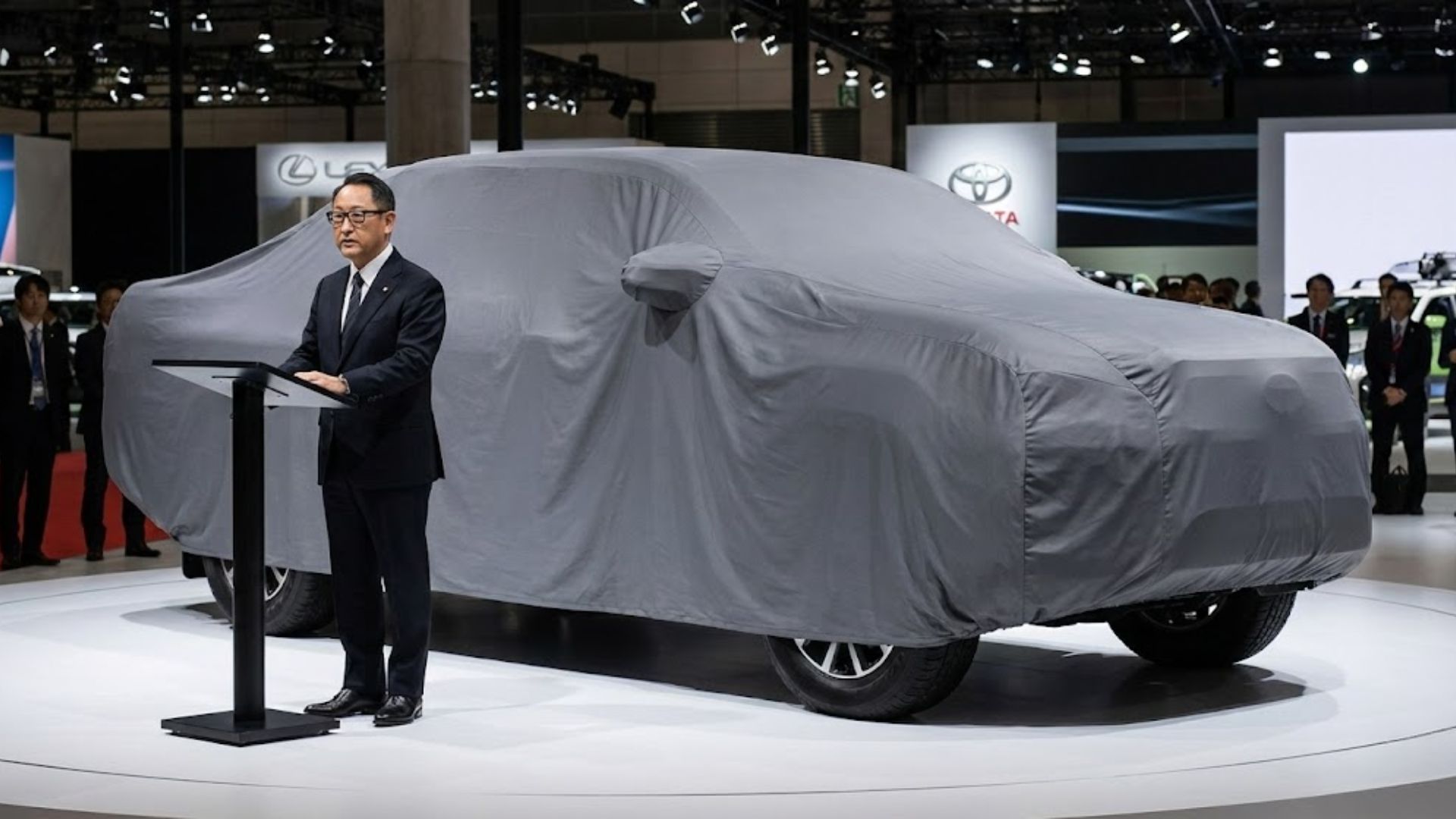


Launch Confirmed For 2027 Brings New Generation Of The Hilux Focused On Technology, Gradual Electrification, Digital Cabin, Safety Enhancements, And Mechanical Changes Revealed First Abroad, Anticipating What Is To Come To The Brazilian Market In The Next Years.
Toyota has already detailed abroad the next evolution of the Hilux, featuring a completely redesigned interior, new screens, mechanical updates, and an electrification plan that includes a 48V mild-hybrid system and, later, a fully electric variant.
In Brazil, however, the official debut is scheduled for 2027, following a timeline linked to regional production in Argentina, which is expected to begin in December 2026, according to information published by Quatro Rodas magazine.
While the model presented for the Australian market acts as a “spoiler” of what the brand is preparing, its arrival here is expected to be staggered, with diesel versions at the outset and electrification progressing in stages.
-
The 2026 electric Vitara arrives in Brazil and proves that Suzuki is not leaving: 4×4 traction, 184 hp, 61 kWh LFP battery, 293 km range, R$ 259,000, and a trunk capacity of 224 L.
-
Hyundai has unveiled the Boulder, a square SUV with a body-on-frame design, 37-inch mud tires, and carriage-style doors that seems to be made to take on the Ford Bronco and the Scout Traveller in the United States.
-
The Toyota Hilux is R$ 75.5 thousand cheaper and bets on the 2.8 turbodiesel engine with up to 204 hp and 50.9 kgfm to catch up with the VW Saveiro, which leads with 4,472 sales.
-
The new Renault Koleos has a screen exclusively for the passenger that is invisible to the driver, heated rear seats, and 29 assistance systems, but its Chinese competitors cost R$ 40,000 less and deliver more power.
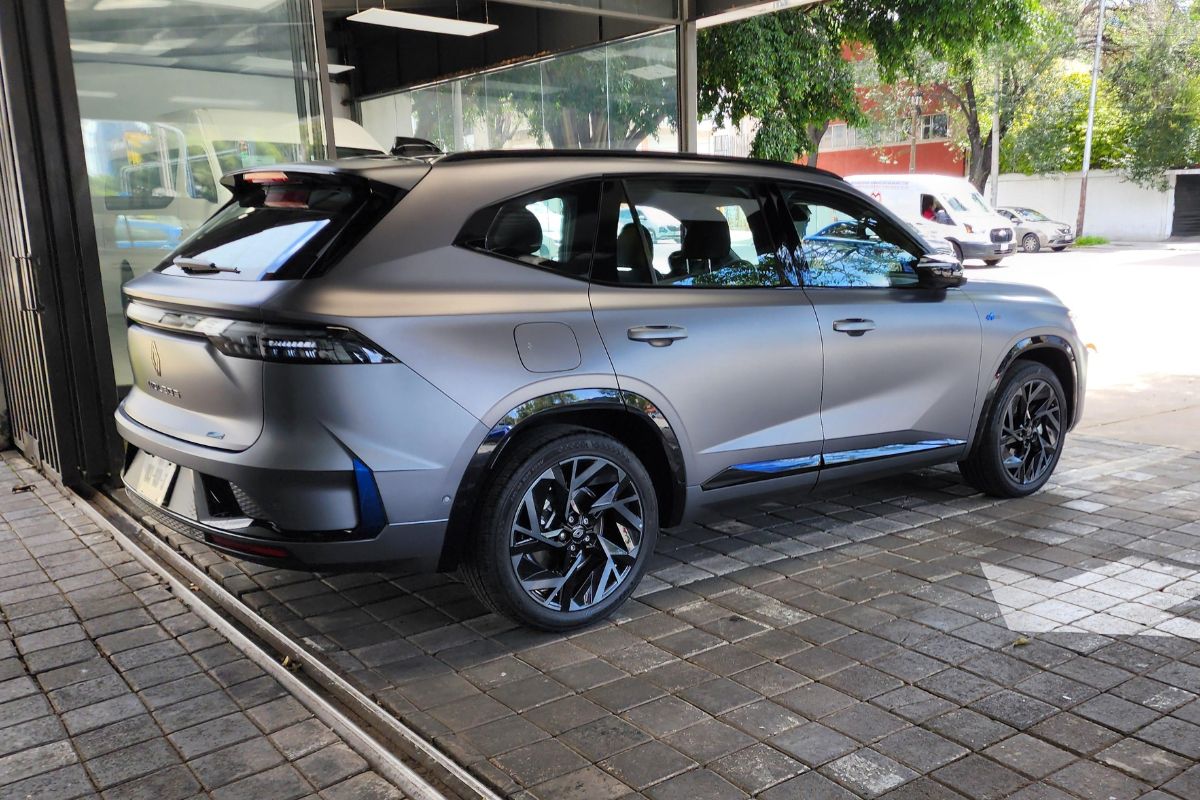

Arrival Of The New Hilux In Brazil And Production In Argentina
The industrial strategy cited by Quatro Rodas indicates that the new generation of the pickup will be manufactured in Argentina, with production expected to begin in December 2026 and launch in Brazil in 2027.
The same report indicates that the adoption of the mild-hybrid system would not occur simultaneously across all configurations, and that the electric variant would come later, within the regional planning.
This timeline differs from what Toyota is showing in other markets, such as Australia.
There, the lineup already features changes to the cabin, connectivity, and driver assistance systems.
Even so, the content revealed abroad helps anticipate the type of updates that should arrive in Mercosur.
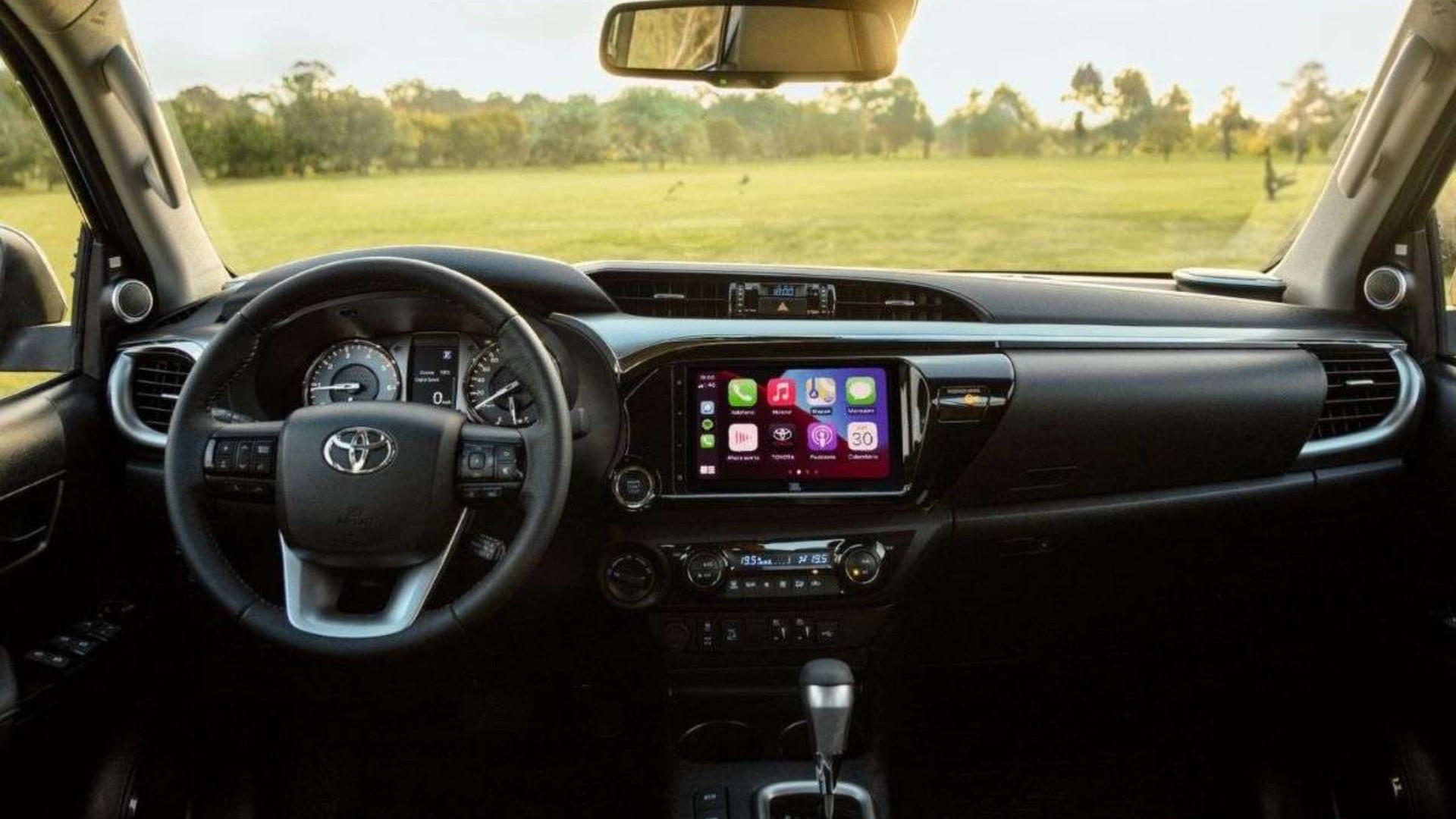
Interior Of The New Hilux Invests In Larger Screens And Connectivity

One of the most anticipated changes is in the interior.
In Toyota’s communication for Australia, the Hilux will now offer a 12.3-inch multimedia screen across the range, with wireless integration for mirroring systems, in addition to new connected services, depending on the version.
In the instrument cluster, the configuration varies by trim.
There are versions with a smaller display, while higher trims will use a 12.3-inch digital cluster.
This differentiation appears both in official materials from the Australian market and in reports from specialized media describing the screens and the leap in embedded technology.
The list of conveniences also progresses in areas that have typically lagged behind in the pickup.
Among the items mentioned are dual-zone climate control, wireless phone charger, and connectivity features integrated into the brand’s ecosystem.
2.8 Turbo Diesel Engine Remains Supported By Mild-Hybrid System
The mechanical base remains familiar.
The Hilux continues with the 2.8 turbo diesel engine from the 1GD family, linked to either manual or six-speed automatic transmissions, depending on the version.
This set maintains the cargo and work proposal that upholds the name Hilux in various markets.
The main novelty is the adoption of the 48V mild-hybrid system, referred to by Toyota as V-Active in the Australian lineup.
In the international technical specifications, the system appears connected to automatic versions with 4×4 traction.

The proposal is not to transform the pickup into a full hybrid, but to assist with starts, reduce consumption, and smooth out the diesel engine’s operation.
For Brazil, the expectation is that this technology will arrive alongside the new generation in 2027, according to the staggered plan described for the regional market.
Recalibrated Suspension Seeks More Comfort Without Losing Capacity
Another confirmed change abroad involves suspension adjustments.
Technical evaluations published by the Australian press indicate that versions like the SR5 receive revised calibration in the rear suspension.
The goal is to improve ride comfort, especially when the pickup is running without a load.
In the Brazilian context, this aspect gains relevance against the backdrop of competitors advancing in dynamic behavior.
So far, however, there is no public detailing on how these adjustments will be specifically applied to Mercosur versions.
4×4 Traction And Versions Focused On Off-Road Use
The Hilux continues to offer versions with 4×4 traction, maintaining its vocation for heavy-duty work and off-road use.
In Australia, the range is organized into levels like WorkMate, SR, SR5, Rogue, and Rugged X.
These configurations vary in trim, proposal, and equipment.
There are versions with features aimed at off-road driving, including specific driving modes and components designed for severe terrains.
This strategy reinforces the positioning of the Hilux as a robust pickup, even with the advancement of embedded technology.
Safety Gains Advanced Driver Assistance
In terms of safety, the new Hilux will feature a broader package of assistance.

Among the features listed in the international material are adaptive cruise control, lane keeping assist and lane centering, traffic sign reading, blind spot monitoring, and rear cross-traffic alert.
These systems are part of the evolution of Toyota Safety Sense and vary according to the version.
The expansion of the package brings the Hilux closer to newer rivals in the mid-size pickup segment.
Hilux Electric Version Is Postponed And Will Have Specific Focus
Full electrification is also part of the plans, but at a later stage.
According to published information, the 100% Electric Hilux is expected to reach South America only in 2028.
The proposal for this version is aimed at controlled usage operations, such as commercial fleets.
Internationally disclosed information points to two electric motors, all-wheel drive, and a 59.2 kWh battery.
The estimated range is around 240 km, indicating a more restricted use and less focused on long trips.
Thus, the Hilux debuting in Brazil in 2027 is expected to focus on the main changes in the cabin, safety, and mild electrification.
Considering this scenario and the waiting time, what matters most to you: waiting for the new generation with a renewed interior and technology or opting now for a rival already updated in the market?








Lamentablemente dejara de ser una herramienta de trabajo con esos sistemas eléctricos en el campo barro agua se dañaran y quedaremos tirados en medio de la nada, la verdadera máquina de Toyota eguirán siendo las de antes sencillas confiable y de fácil arreglo para llegar al destino
Ei! Ainda estamos em 2025!!
Minha opção:
Manter a minha 2019 extremamente confiável, robusta e de manutenção simples, até ver os mais afoitos entrando ou não pelo cano. É isso que venho fazendo de maneira geral com a imposição que o mercado vem fazendo com essa nova onda de eletrificação…