





 Portuguese
  English
  Spanish
  4 min of reading
  0 comments



A New Fuel Industry of the Future Is Coming to Brazil, Bringing the Need for Almost 6 Thousand New Professionals. The Positions Include Roles for Technicians, Skilled, Semi-Skilled, and Unskilled Workers.
Brazil is in full expansion towards energy transition, and one of the central elements for the success of this movement is green hydrogen, considered the fuel of the future. To sustain this transformation, the need for qualified labor, especially technicians, is one of the major challenges. According to a study conducted by the National Service for Industrial Learning (Senai), the country will need to train almost 3 thousand technicians and specialized workers every year to act in the new fuel industry.
This demand for professionals is seen as essential to boost the production and use of green hydrogen on a large scale. The research conducted by Senai was developed in partnership with the H2Brazil project, which promotes cooperation between Brazil and Germany to foster sustainable development, focusing on the fuel of the future.
The Demand for Technicians in the Green Hydrogen Sector
The survey indicates that, for the green hydrogen sector to thrive, 2,863 new qualified professionals will be needed annually in Brazil, especially at the technical level and for skilled workers. These professionals will primarily be responsible for the installation, maintenance, and renewal of systems directly related to the production of this fuel.
-
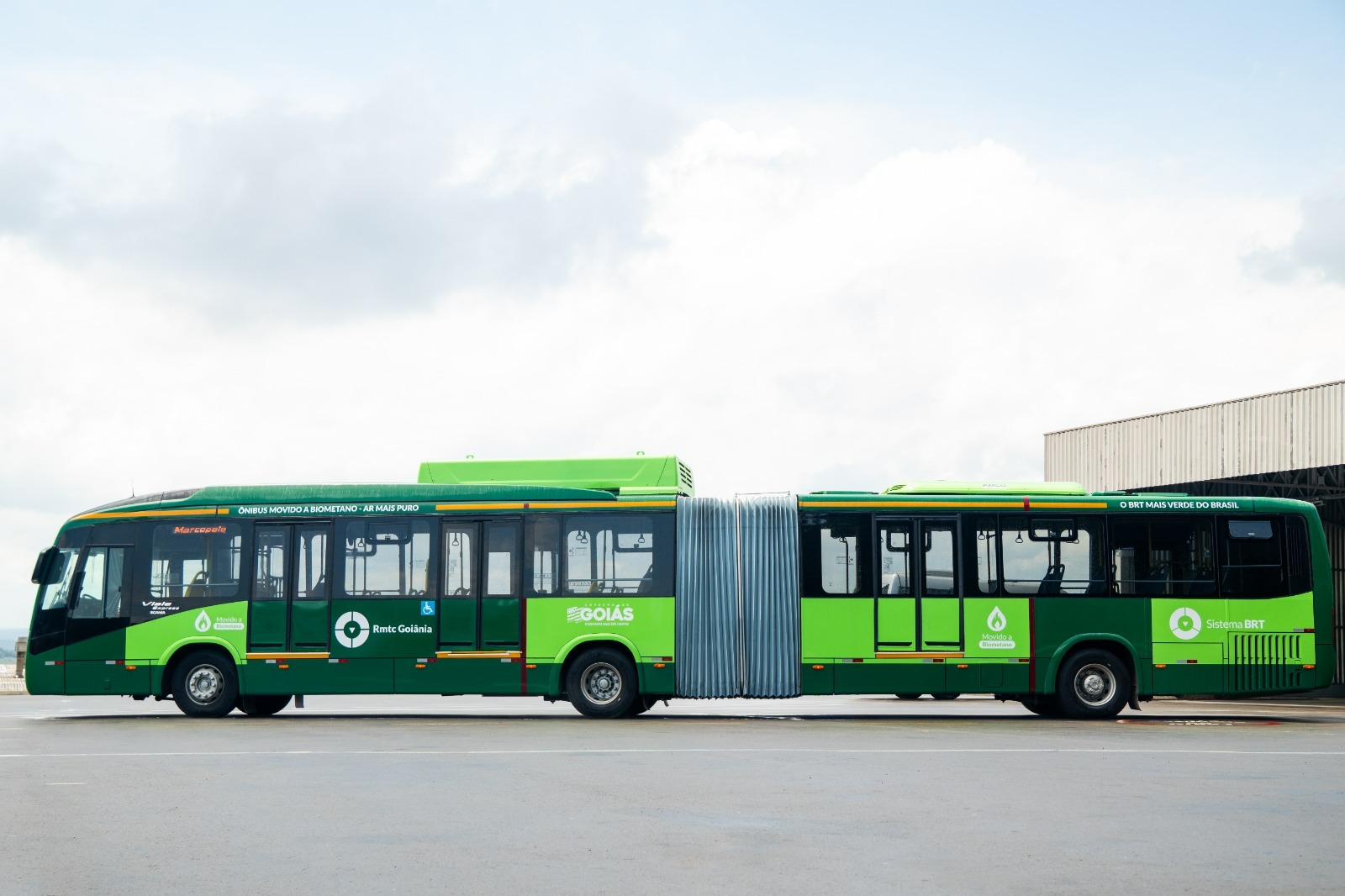
Revolution in public transport: Goiânia puts into circulation the first articulated buses powered by biomethane in Brazil and promises to drastically reduce pollution on the Anhanguera Corridor.
-
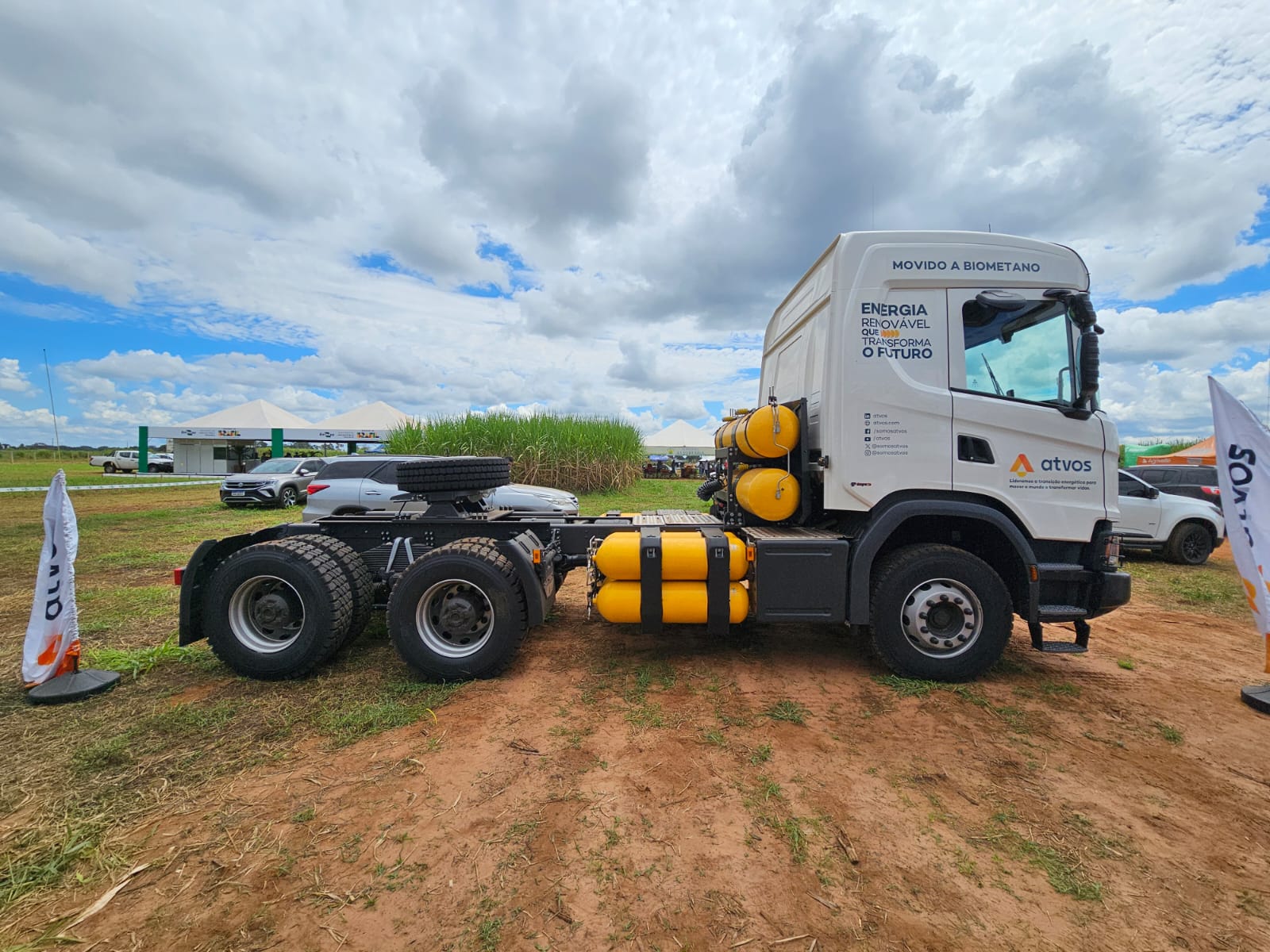
From the field to the pipelines: Mato Grosso do Sul accelerates the energy transition and consolidates a new axis in renewable energy with the arrival of a giant biogas plant.
-
The Economist states that Brazil has a “secret weapon” against expensive oil and highlights how the country can reduce economic impacts even in international scenarios of high volatility.

-
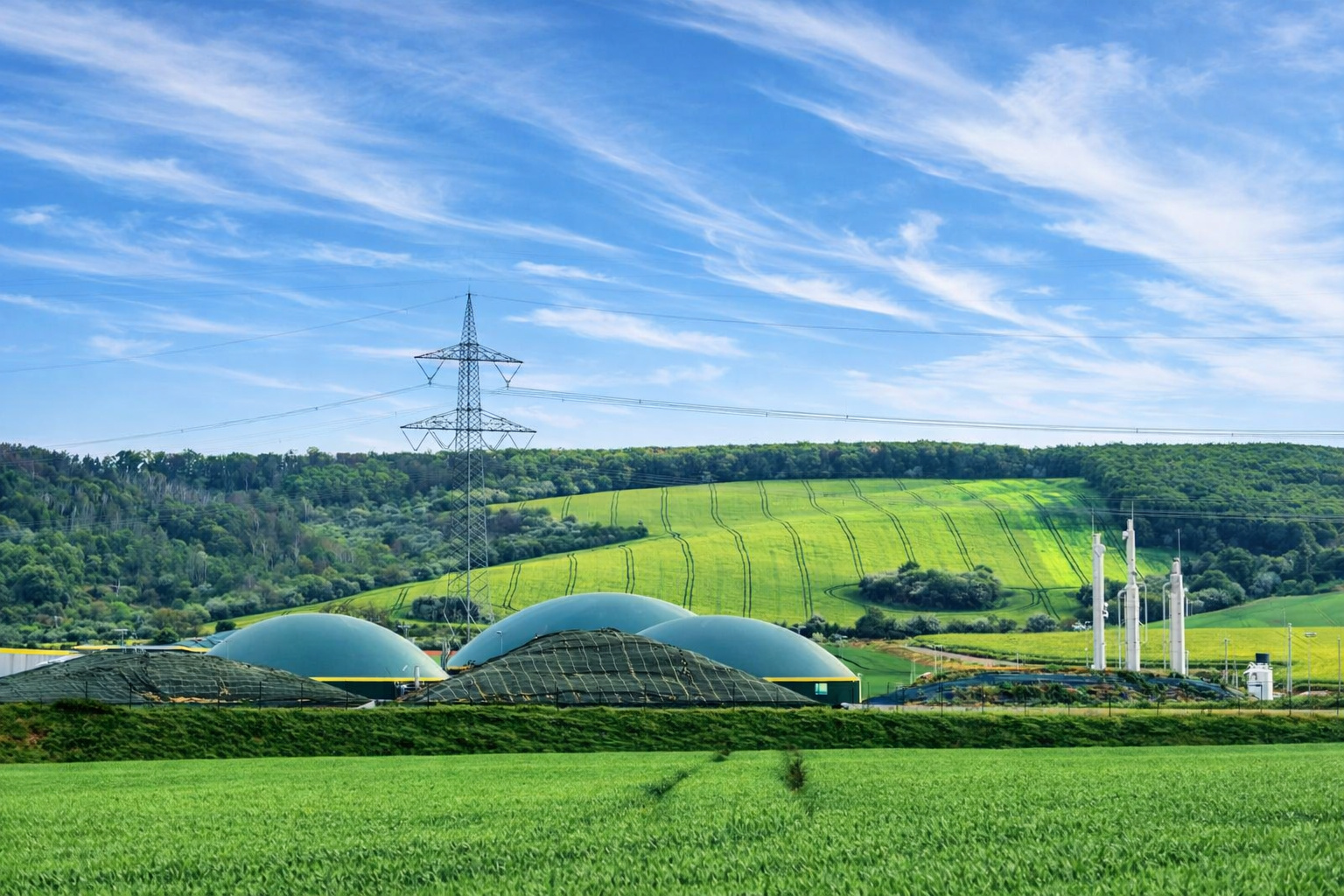
Brazil accelerates decarbonization in the South: International forum in Foz do Iguaçu gathers leaders to discuss the advancement of biomethane in the energy matrix and the potential of “caipira pre-salt.”

Half of the specialists interviewed by Senai indicated that most of the demand for technicians will be directed towards the installation of green hydrogen production plants, as well as the maintenance and updating of operational systems. This highlights the importance of having a skilled workforce ready to deal with the challenges of a sector still in the expansion phase, but already moving billion-dollar investments.
On the other hand, the study also mentions the need for workers at semi-skilled and unskilled levels, estimating a demand of more than 2 thousand workers annually. The higher level, composed of specialized scientists and engineers, was not numerically detailed in the survey, but the research pointed out that the demand for these professionals is concentrated in universities and research centers.
Infrastructure Expansion and Technical Training
For this new green hydrogen industry to establish itself, it is essential that the country invests in technical education infrastructure. Senai, for example, has already begun to lay the groundwork by creating centers of excellence for professional training. One highlight is the reference center in Rio Grande do Norte, in addition to five regional laboratories located in strategic states: Santa Catarina, Paraná, São Paulo, Bahia, and Ceará.
These initiatives are aimed at professional and higher education, ensuring that trained professionals have the necessary skills to meet the demands of this new market. There is even a specific postgraduate course for those who wish to work in the field, focusing on research and development of new technologies related to green hydrogen.
According to Felipe Morgado, Superintendent of Professional and Higher Education at Senai, the training process will be divided into two main movements: the first focused on specializations aimed at research and technological development, and the second dedicated to the operation of hydrogen production plants. Both processes require the presence of technicians and qualified professionals.
The New Hydrogen Industry and Its Benefits to Brazil
Green hydrogen is not only a fuel of the future but also a fundamental pillar for the energy transition and the low-carbon economy that Brazil wishes to implement. On August 2, 2024, President Luiz Inácio Lula da Silva signed the National Policy for Low Carbon Hydrogen, popularly known as the legal framework for the sector. This policy establishes the Brazilian hydrogen certification system and encourages the development of projects aimed at clean energy production.
In addition to the legal framework, the Senate recently approved a bill that creates the Low Carbon Hydrogen Development Program (PHBC). The bill, which is set for presidential sanction, provides tax incentives for industries that use hydrogen as an energy source, including the fertilizer, steel, cement, chemical, and petrochemical sectors. The goal is to stimulate the domestic hydrogen market, making Brazil one of the leading producers and exporters of this fuel in the world.
The estimated tax incentives for the sector total R$ 18.3 billion between 2028 and 2032, which should attract even more investments. Currently, there are already more than 60 green hydrogen projects in Brazil, representing investments of R$ 188.7 billion, according to the National Confederation of Industry (CNI). These projects reinforce the importance of technical training and the creation of a new workforce to meet this growing demand.
International Cooperation and Partnerships
Another important point for the development of the new green hydrogen industry is international cooperation. Germany, for example, is one of Brazil’s largest partners in this project, through the H2Brazil program. This collaboration aims to develop innovative technologies and create a sustainable hydrogen market.
The partnership between the two countries aims not only at the development of new technologies but also at knowledge sharing and the training of qualified labor. This cooperation has proven essential for the advancement of pilot projects that test the viability of large-scale green hydrogen production.









Seja o primeiro a reagir!