





 Portuguese
  English
  Spanish
  3 min of reading
  2 comments


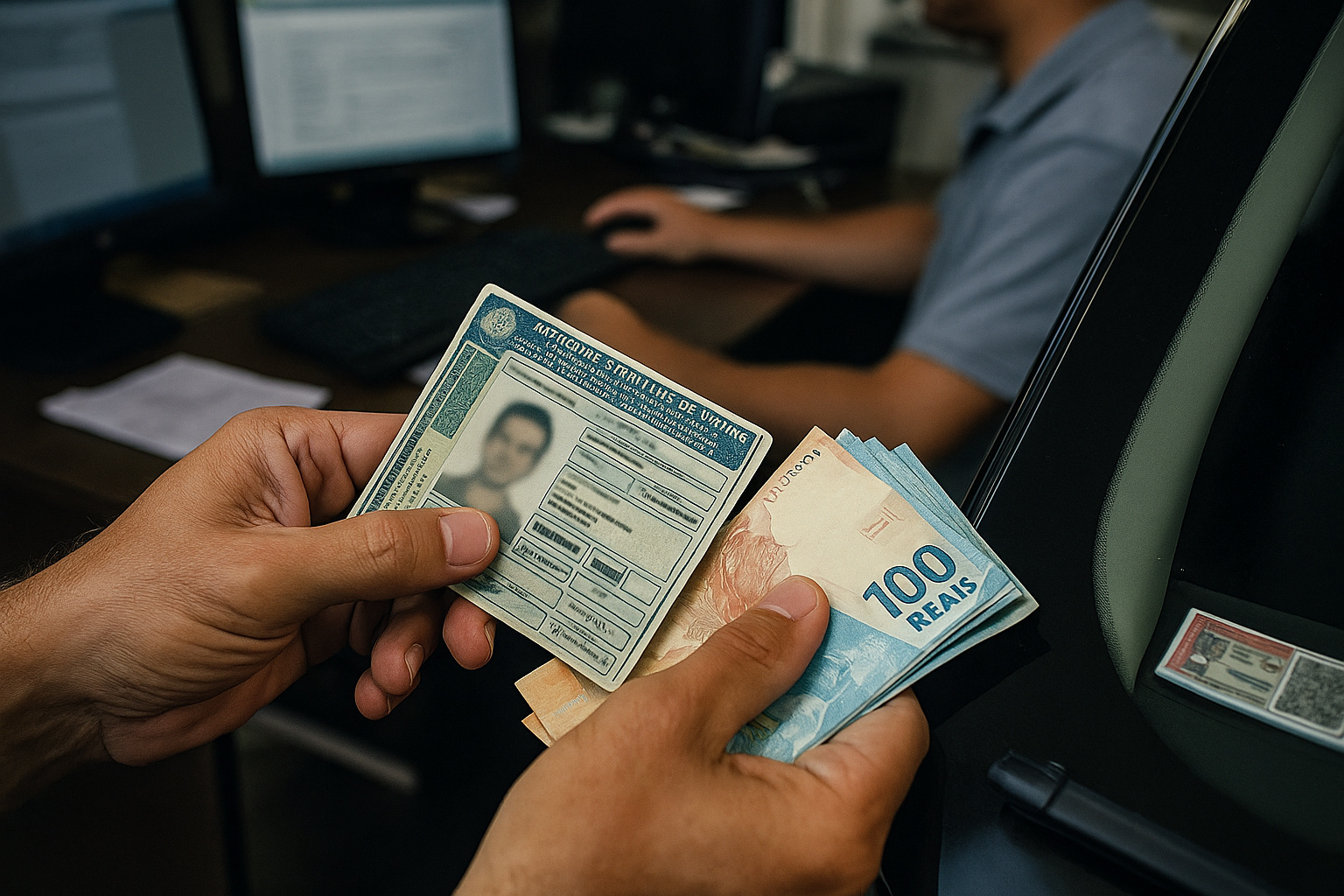


Changes to the Brazilian Traffic Code Create Social Licensing, Expand Electronic Transfer, and Take Effect 45 Days After Official Publication
A structural change in the Brazilian traffic system was published on September 27, 2025, in the Official Gazette of the Union.
Therefore, it redesigned the use of fine resources throughout the country.
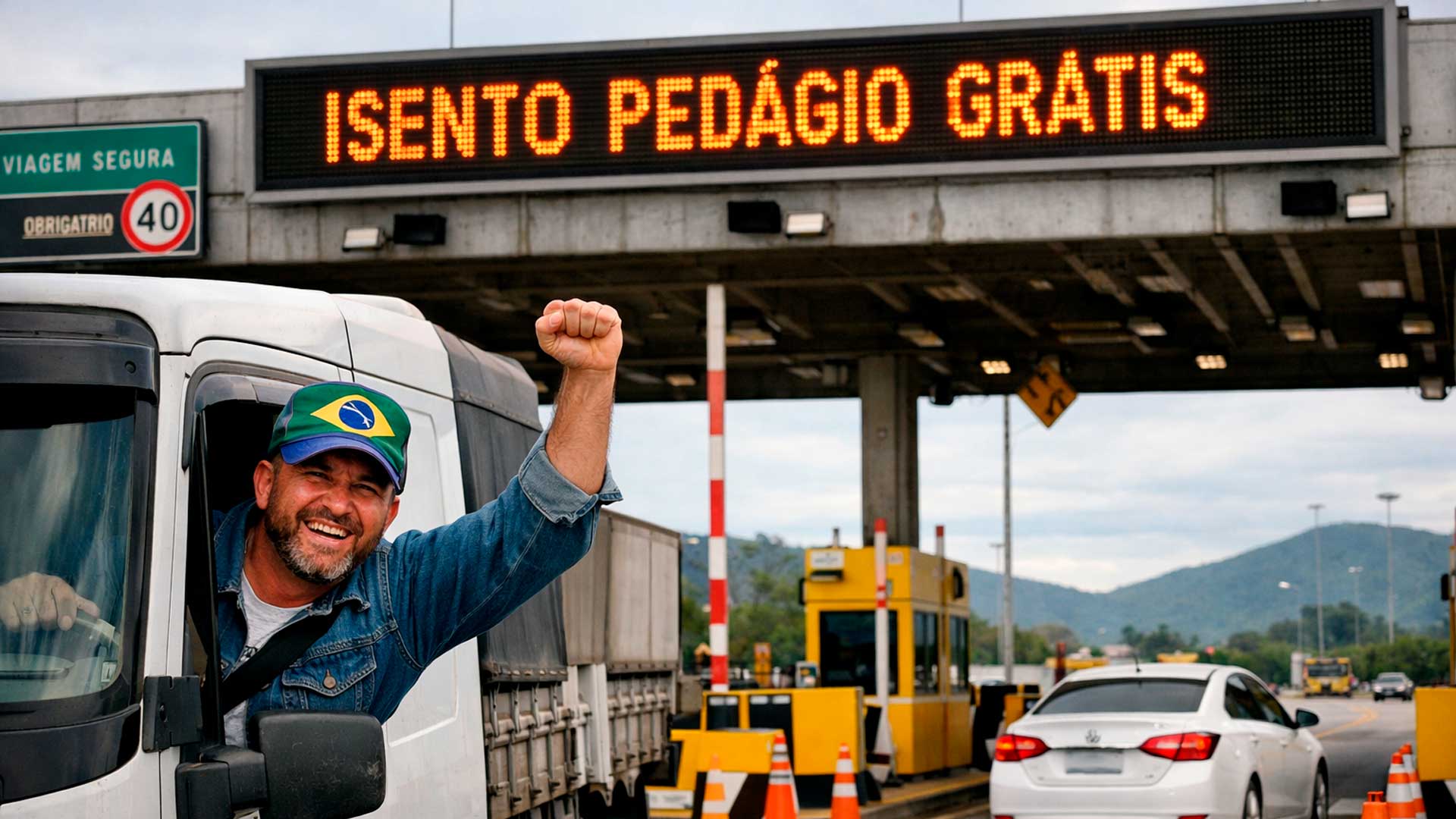
The Law 15.153/25, signed by President Luiz Inácio Lula da Silva, despite the vetoes applied to the text of the PL 3965/21, created a new mechanism for funded licensing for low-income citizens registered in CadÚnico.
Additionally, it redefined rules for digital vehicle transfer, which directly alters the Brazilian Traffic Code (CTB).
New Social Licensing Policy Transforms Access to CNH
The change had an immediate impact by establishing that, for the first time, part of the revenue collected from fines could fund the entire process for issuing licenses for low-income drivers.
-
The Chamber opens a debate on driver’s licenses at 16 years old as part of a reform that includes around 270 proposals to change the Brazilian Traffic Code and may redesign rules for licensing, enforcement, and circulation in the country.
-
The new Civil Code could revolutionize marriages in Brazil with “express divorce” and changes that could exclude spouses from inheritance.
-
Banco do Brasil sues famous influencer for million-dollar debt and intensifies debate on delinquency, risks of seizure, and direct impact on Gkay’s credibility.

-
The Senate approves a bill that criminalizes misogyny, hatred, or aversion towards women, and includes the crime in the Racism Law with a penalty of up to 5 years.



Thus, the funds, previously earmarked only for signage, traffic engineering, policing, traffic education, and fleet renewal, will now finance the training of drivers registered in the Unified Registry for Social Programs (CadÚnico).
Moreover, the benefit has been directly included in the CTB. Thus, it becomes a permanent part of the national traffic policy. Therefore, states and the Federal District gain a stable instrument to enable the licensing of vulnerable families.
Digital Vehicle Transfer Now Fully Electronic
The law also introduced a significant change in the process of vehicle property transfer.
From now on, the entire process can occur entirely electronically.
This requires that the purchase and sale contract be signed with certified digital signatures.
Additionally, the text provides that the transfer inspection can also be conducted electronically. The decision regarding this format lies with the state traffic agencies.
This change makes the process faster and reduces in-person steps. While this occurs, technical control remains under public responsibility.
Presidential Vetoes Redefine Sensitive Points of the Project
After the approval of the PL 3965/21 in the Chamber and the Senate and its return for final voting in May 2025, the Executive vetoed five provisions.
Among them, two articles allowed electronic signatures for transfer to be made on private platforms.
The government claimed risk to process security.
Additionally, another veto removed the requirement for toxicological examinations to obtain the first license in all categories.
Furthermore, the possibility for physical and mental fitness clinics to also perform toxicological tests was removed.
Finally, the government vetoed the immediate validity proposed by Congress.
Thus, it determined that all changes take effect 45 days after publication in the Official Gazette. This ensures an adaptation period.
Structural Impacts of the New Law on Brazilian Traffic
The changes create conditions to increase access to licensing. They also modernize processes and strengthen public governance. Thus, the new law establishes:
- Social Licensing Funded by Fines, restricted to those registered in the CadÚnico.
- Complete Electronic Transfer, requiring a certified digital signature.
- Possibility of Digital Inspection, according to state agency decisions.
- Removal of Toxicological Requirement for the first license.
- Prohibition of Private Platforms for signing certification.
- Effectiveness 45 Days After September 27, 2025.
In light of this scenario, one inevitable question remains: how will the changes in the CTB impact the daily lives of drivers, especially low-income ones, in the coming years?






Mesmo com está lei do governo a CNH está Aida cara eu estou tirando aminha vou pagar 3.000 reais não está barato não valor abusivo , lutei para tirar a CNH social não consegui ser contemplado fui obrigado a pagar 3.000 reais governo não mexeu em nada
Se eles usa-se o dinheiro para fazer as coisas sertã para o povo sou a favor. O Brasil e uma mina de ouro para políticos