





 Portuguese
  English
  Spanish
  4 min of reading
  1 comment


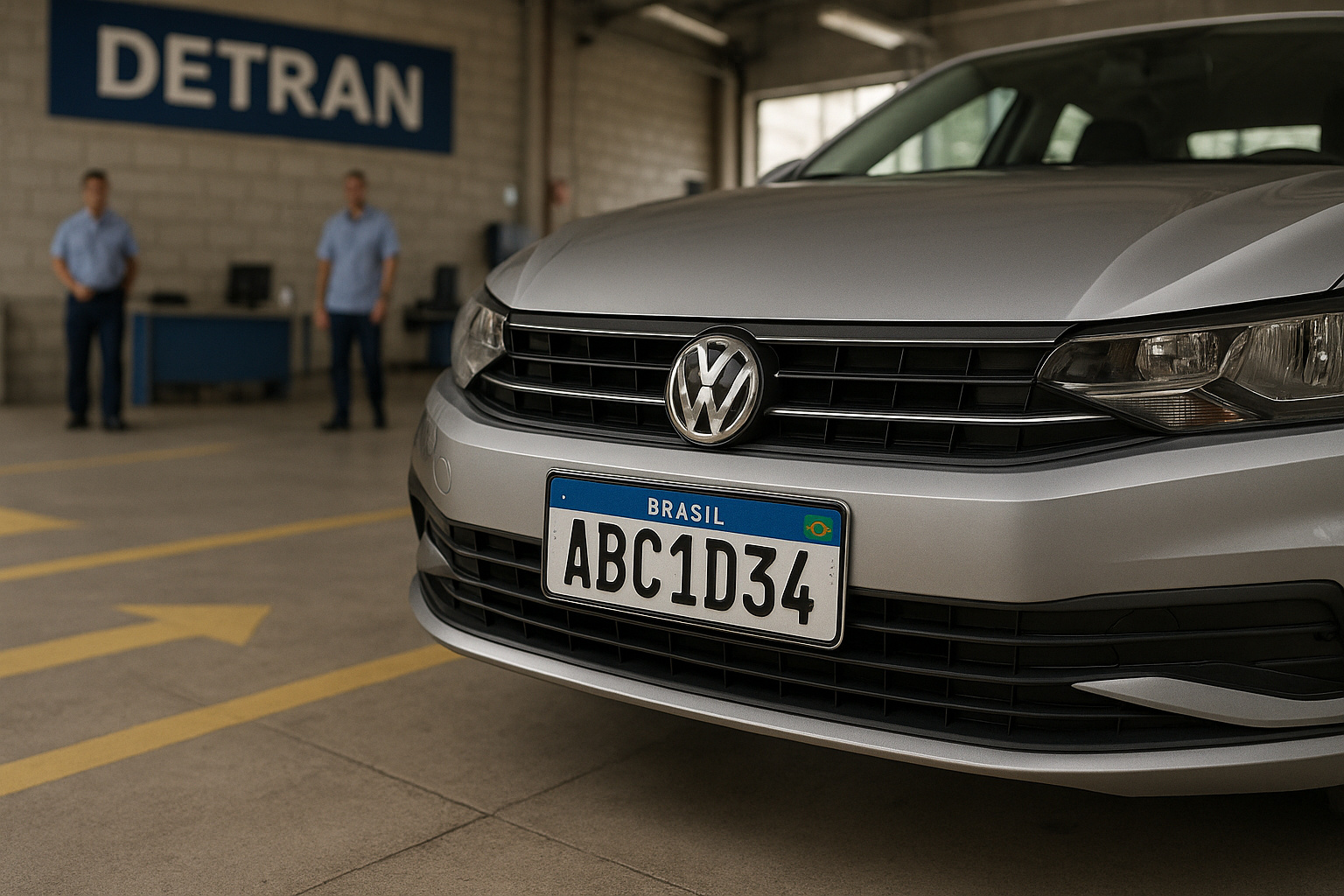


With QR Code, New Security Standard and Unique Alphanumeric Format, the Mercosur Plate Is Now Mandatory in Specific Situations; See Who Needs to Change, the Colors, and the Step-by-Step of Detran-SP
You may have noticed that almost all cars on the streets now have a white plate with a blue stripe at the top. This is the Mercosur Plate, officially known as the Vehicle Identification Plate (PIV). The new standard, implemented nationwide, brought significant changes for Brazilian drivers — and also doubts.
After all, do everyone need to immediately replace the old gray plate? The answer is no. This information was shared by monitordomercado, based on the regulations of the National Traffic Council (CONTRAN) and applied by the state Detrans.
The new legislation, which came into effect in October 2025, establishes that the replacement is only mandatory in specific situations. The goal is to modernize the identification system without imposing unnecessary costs on the entire fleet.
-
São Paulo surprises the world with a colossal railway network project that promises over 1,000 km of tracks, R$ 194 billion in investments, and 40 projects connecting the capital to the interior with fast and sustainable trains.

-
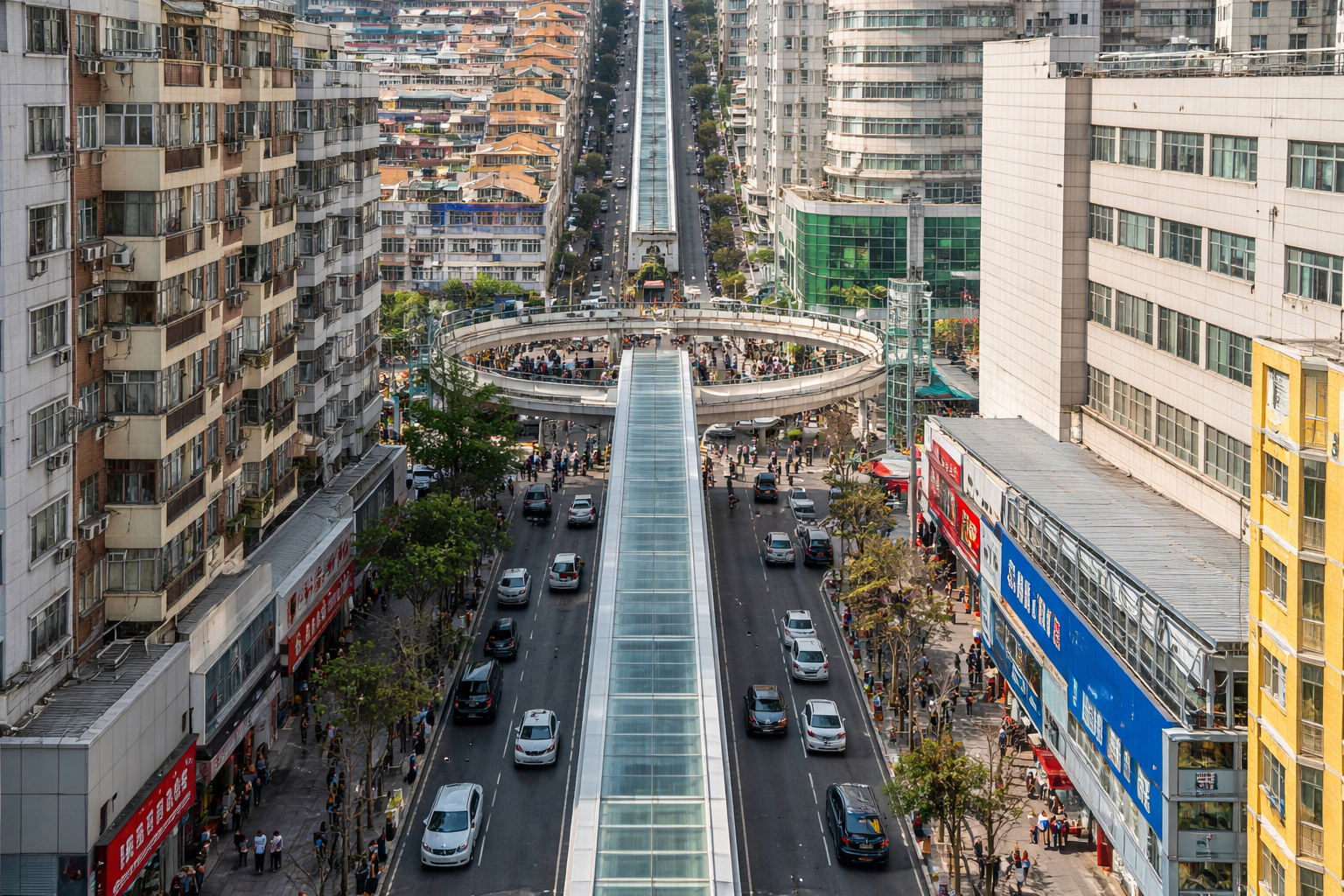
The world’s largest escalator, measuring 905 meters in China, reduces urban travel time from 1 hour to about 20 minutes and transforms mobility in mountainous regions with an engineering solution adapted to the terrain.
-
A R$ 300 million logistics giant is taking shape in Serra with over 100,000 m² and raises a question: how can this transform e-commerce and distribution in the state?

-
Could Uber Rides Lose Minimum Fare? Understand What’s Happening!

When Is the Change to the Mercosur Plate Mandatory
The replacement of the old gray plate with the Mercosur Plate should occur only in certain cases. The current law defines the following situations:
- First Registration: new vehicles leave the dealership already with the plate in the new standard.
- Transfer of Ownership: when buying a used car still with a gray plate, the new owner must change it.
- Change of Municipality: those who move to another city must update the registration with the new plate.
- Change of Category: vehicles that start to operate as taxis, rideshare, or commercial services require the new identification.
- Damage, Theft, or Illegibility: if the old plate is damaged or illegible, the replacement is mandatory.
- At the Owner’s Option: any driver can voluntarily adopt the new standard.
With this gradual transition, the government avoids overburdening drivers and allows the national fleet to gradually update.
Understand the Meaning of the Colors and What Changes in the New Plate
Besides the new look, the Mercosur Plate incorporates more technology and security. The format now consists of four letters and three numbers (example: BRA2E19), creating over 450 million possible combinations — a measure that ensures longevity for the system.
The colors of the letters also indicate the vehicle’s category:
- Black: private vehicles.
- Red: taxis, buses, school vans, and driving schools.
- Blue: official government cars.
- Green: test vehicles or manufacturers.
- Golden: diplomats.
- Silver: collector’s vehicles — the new “black plate.”
The highlight is the QR Code, which allows access to official information about the vehicle and helps combat cloning. The plate also has a watermark and eliminated the old lead seal, considered obsolete.
What Is the Process of Change in São Paulo
In São Paulo, the procedure to install the new plate is simple but requires attention. The process starts at Detran-SP, which issues a new Vehicle Registration Certificate (CRV) with the updated combination.
With the document in hand, the driver must seek an accredited printer by Detran. The list of authorized companies is available on the agency’s website. These companies produce and install the plate, and payment is made directly to the service provider.
The prices vary by city, but the technical standard is defined by the CONTRAN Resolution No. 969/2022, which unifies the model throughout the country.
Why Brazil Adopted the Mercosur Plate
The transition to the new model was motivated by three main reasons:
- Enhanced Security: the QR Code and regional standardization make fraud more difficult and allow for quick verification of the vehicle’s authenticity.
- Regional Integration: the system facilitates traffic between Mercosur countries (Brazil, Argentina, Uruguay, and Paraguay), strengthening cooperation in transit.
- End of Old Combinations: the previous model, with three letters and four numbers, was nearing the limit of combinations in states with large fleets, such as São Paulo.
The new format resolves this problem for decades, making the system more efficient and prepared for the future of mobility in Brazil.
The new Mercosur Plate is not just a legal requirement but a natural evolution in vehicle control and security. It ensures more transparency, regional integration, and protection against fraud.
Those still with the gray plate can rest assured: the replacement will only be necessary in specific cases. But gradually, the Brazilian fleet will modernize — and the new standard is here to stay.






Porque não saiu com o nome das cidades.