





 Portuguese
  English
  Spanish
  4 min of reading
  260 comments


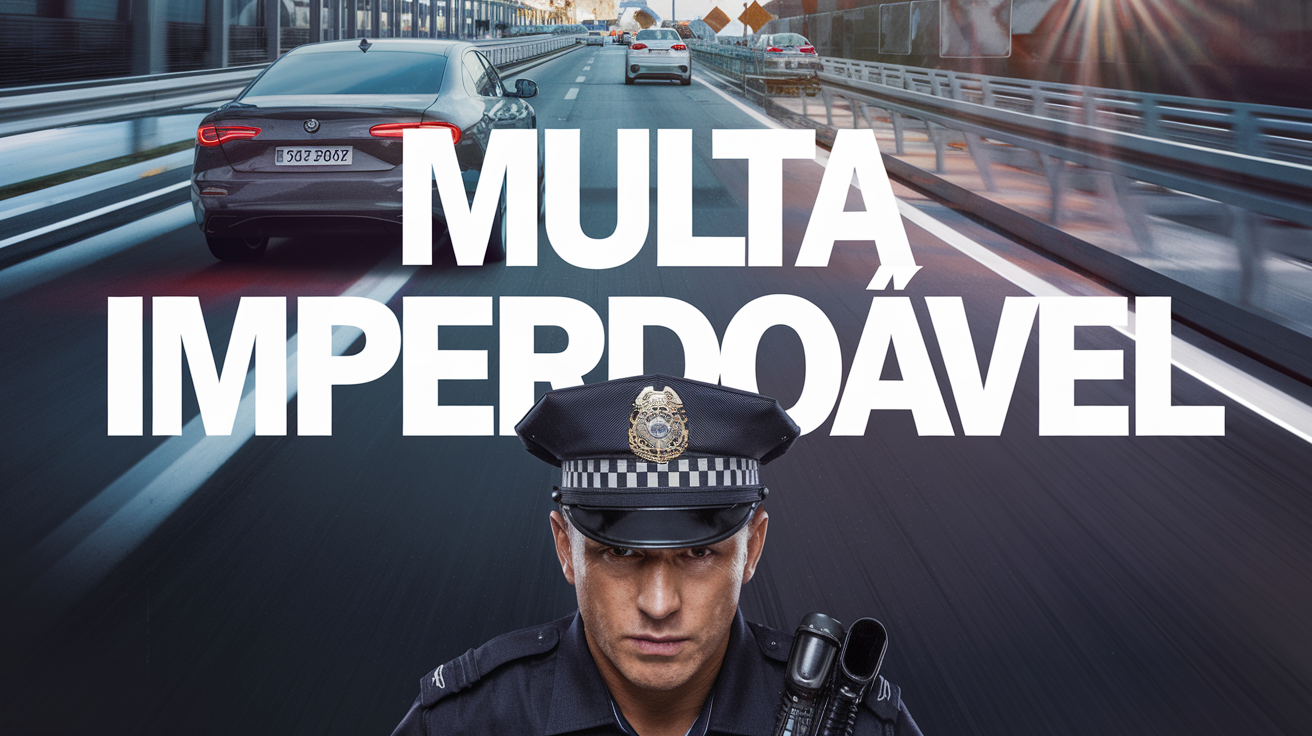


A New Law Promises To Harden Traffic Rules In Brazil. With Fines Of Almost R$ 3 Thousand And Suspension Of Driver’s License For Up To Two Years. Alarming Statistics And Criticism Of Implementation Heat The Debate About The Bill. The Safety On The Roads Is About To Change Drastically.
What Appeared To Be An Already Complex Routine For Brazilian Drivers May Be About To Change Drastically.
A New Legislative Proposal Promises To Transform Traffic Rules With More Severe Penalties, Including Nearly Prohibitive Fines And License Suspensions That Can Reach Two Years.
If You Often Take Risks With Overtaking In Prohibited Areas, It’s Best To Rethink Your Habits Now.
-
“No one will make us change the Pix,” says Lula after the US report.

-
Less than a Tera TSI, up to 710 km of range and charging in 9 minutes: the new BYD Song Ultra expands the Chinese brand’s bet on increasingly faster, more technological, and competitively priced electric SUVs.

-
Lula responds directly to Trump and says that Pix is from Brazil and will not change under pressure from anyone, after a report from the United States pointed out the Brazilian payment system as an American trade barrier.

-
Amazon has just announced a new fee on all deliveries, and your online purchases will become more expensive starting April 17, including for those buying from the United States here in Brazil.

The Law Not Only Increases Financial Sanctions But Also Restricts Access To Highways, Directly Affecting Those Who Spend Their Lives Behind The Wheel.
Bill 1405/24, Currently Under Discussion, Seeks To Strengthen Punishments Against Dangerous Overtaking, Which Is One Of The Main Risk Factors On Brazilian Roads.
The Proposed Penalties Include Fines Of Up To R$ 2,934, License Suspension Ranging From 12 To 24 Months And The Unprecedented Prohibition Of Circulation On Highways For Repeat Offenders.
The Core Of The Change: Dangerous Overtakes In Sight
At The Center Of The Discussions Is The Goal Of Making Traffic Safer By Punishing Behaviors That Put Lives At Risk.
The Bill Specifies That Overtaking In Prohibited Areas Or Carried Out Irresponsibly Will Be Subject To Severe Punishments.
The Proposed Fine Exceeds R$ 2.9 Thousand, An Amount Aimed At Both Deterring Reckless Behavior And Creating An Economic Barrier For Those Who Insist On Disregarding The Rules.
Furthermore, The License Suspension Period, Which Can Last Up To Two Years, Is Considered One Of The Strictest Measures Ever Seen In Brazilian Traffic Legislation.
Another Innovation In The Proposal Is The Prohibition Of Driving On Highways For Penalized Drivers, A Factor That Should Particularly Impact Transportation Professionals.
Data That Reinforce The Need For The Change Of The Law
Statistics From The National Department Of Transit (Denatran) Highlight The Severity Of The Problem. In 2023, More Than 2 Million Violations Related To Prohibited Overtaking Were Recorded.
In The First Half Of 2024, This Number Already Exceeded 1.1 Million, Showing A Troubling Trend Of Increase.
According To The World Health Organization (WHO), Stricter Penalties Have A Significant Impact On Reducing Traffic Accidents.
Road Safety Experts Claim That The Adoption Of Harsh Measures Can Contribute To Awareness And Foster A Culture Of Respect For The Laws.
Expected Impacts On Brazilian Traffic
If Approved, The Bill Should Bring Significant Changes To The Dynamics Of Roads And Urban Streets. Among The Main Expected Effects Are:
- Increased Enforcement: With Stricter Surveillance, Violations Should Be Identified More Efficiently.
- Change In Driver Behavior: The Fear Of Penalties May Lead To More Responsible Driving.
- Reduction Of Accidents: A Safer And More Conscious Traffic May Be A Direct Consequence Of The Proposed Measures.
Studies Show That Harsher Penalties Have The Potential To Alter Behavioral Patterns, Especially When Combined With Efficient Law Enforcement.
Criticisms And Challenges To The Implementation Of The New Law
Despite The Relevance Of The Bill, It Faces Practical Challenges And Criticisms.
Experts Point Out That Isolated Punitive Measures May Not Be Enough To Solve Structural Problems In Brazilian Traffic.
Traffic Education And Investments In Road Infrastructure Are Also Essential To Promote Lasting Changes.
Another Point Of Attention Is The Operational Capacity To Implement And Enforce The New Rules.
Without Adequate Technology And Sufficient Resources, There Is A Risk That Violations Will Continue To Occur, Even With Stricter Penalties.
The Bill Still Needs To Be Approved By The Committees Of The Chamber Of Deputies And The Senate Before It Takes Effect.
The Effectiveness Will Depend Not Only On Its Approval But Also On The State’s Capacity To Ensure Its Practical Enforcement.
Final Reflection On The New Law
As The Debate Advances, It Becomes Clear That The Future Of Brazilian Roads Is At Stake.
Will The Proposal, If Approved, Be Able To Reduce The Rates Of Recklessness And Save Lives? Or Are We Facing Another Law Difficult To Implement?
Tell Us In The Comments: Do You Believe That Higher Fines And Stricter Punishments Will Really Change The Reality Of Traffic In Brazil?







Arrumar estradas eles não preocupam , só querem saber de multar!!
Leis pra isso tem!
O que falta e **** desses governantes,que cobram um absurdo de IPVA,pedágio exorbitante,e não temos construção de estradas e nem manutenção das que existe,pela quantidade de imposto cobrado já era para todas as nossas rodovias,sido duplica,tomar o nosso dinheiro sofrido ah!aí eles não pedem tempo mesmo!
Se todas as nossas rodovias fossem duplicadas e o governo e os policiais trabalharem,com seriedade não era preciso tanta extorsão!
Aí seria conto te fadas!
Vai melhorar sim. Estas punições vão ajudar a diminuir tantos acidentes. A vida nas rodovias pede socorro. Quanta gente morrendo em acidentes provocados por motoristas irresponsáveis.