





 Portuguese
  English
  Spanish
 4 min of reading
  0 comments


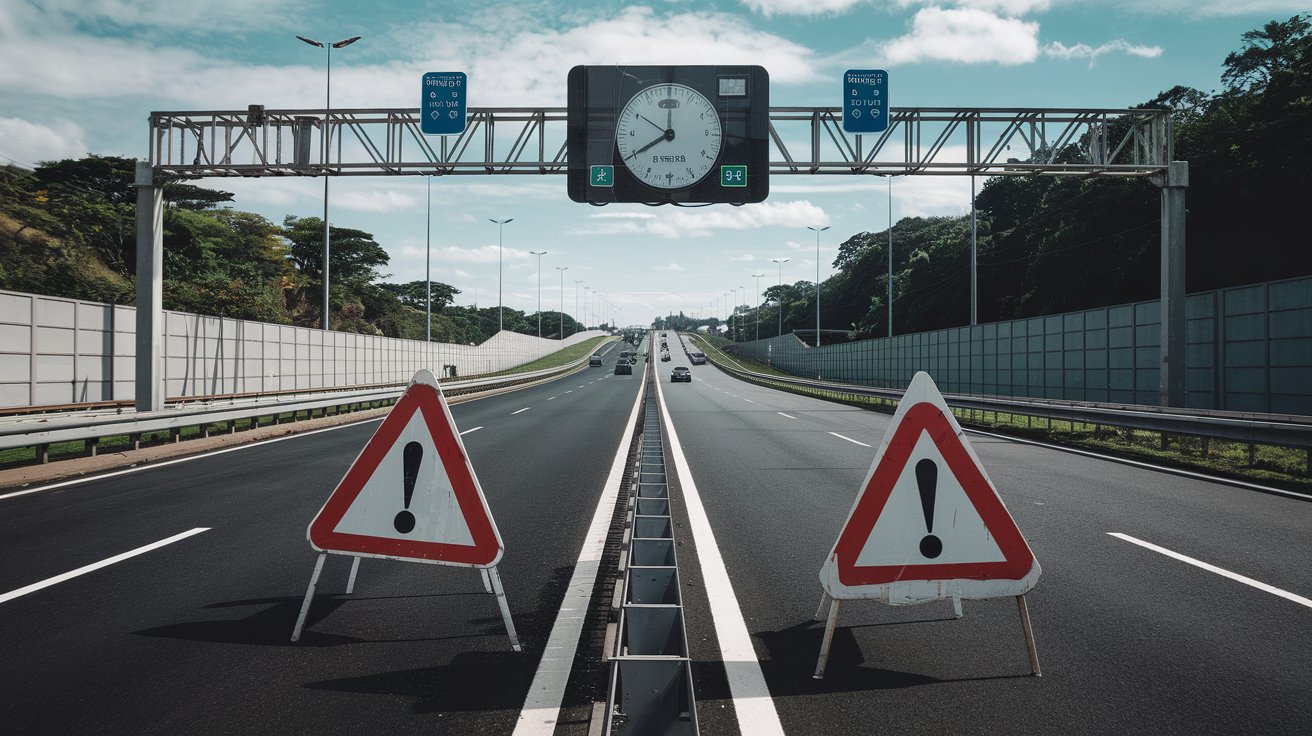
Law Aims to Prohibit the Installation of Radars in Places with Obstructed Visibility, Such as Sharp Curves and Areas with Dense Vegetation, Ensuring That Drivers Are Always Alerted to the Presence of the Equipment and Promoting a More Transparent and Educational Supervision.
The installation and use of speed radars on highways in Bahia may undergo significant changes if a new bill currently under consideration in the State Legislative Assembly is approved.
The proposal aims to prohibit the installation of these devices in locations where driver visibility may be compromised, making supervision more transparent and avoiding what are considered abusive fines.
Proposal Seeks Greater Predictability in Supervision
The Bill (PL) was presented by Deputy Antônio Henrique Júnior (PP) and would apply to three important state highways: BA-052, BA-001 and BA-262.
-
Mothers and daughters come together, create an ‘express’ beauty salon and turn the idea into a network with 21 units, revenue of R$ 16.7 million and 12,000 subscribers.

-
End of the 6×1 schedule: how the reduction of hours can affect service companies, industry, and agribusiness.

-
Brazil Ignores Trump’s threats to BRICS, Buys 42 tons of gold and reduces the Dollar’s share by 6.45% in international reserves.

-
Havan buys historic football land in Blumenau for a million-dollar amount protected by a confidentiality clause and is already planning to change even the layout of streets to build a megastore in half-timbered style costing 80 million reais.


The legislator argues that the initiative focuses on accident prevention, not the collection of revenue through fines.
According to him, the installation of radars must be clear and visible, avoiding surprises that could jeopardize safe driving for motorists.
“The objective must be the prevention of accidents and not the collection of revenue through fines”, emphasized the deputy.
In addition, the bill establishes that radars must be accompanied by clear and objective signage, ensuring that drivers are aware of speed limits and the presence of electronic monitoring equipment in advance.
Transparency in Signage Is One of the Main Points
Among the requirements set forth, the PL stipulates that indicative signs must be installed at a minimum distance of 500 meters from the radar.
These signs must inform the speed limit allowed on the road and the presence of electronic monitoring at the location.
The goal is to ensure that drivers can adjust their speed in advance, reducing the risk of sudden braking and potential collisions.
Furthermore, the proposal stipulates that radars cannot be installed in areas of difficult visibility, such as sharp curves, sections with dense vegetation, or points where visual obstructions prevent clear identification of the equipment.
Debate on Traffic Supervision in the State
Electronic speed supervision is a recurring topic of debate in Brazil.
While traffic authorities advocate for the need for radars as a means to reduce accidents and raise driver awareness about speed limits, many drivers and urban mobility experts criticize the excessive use of these devices in locations deemed strategic for revenue collection, without a real focus on road safety.
In Bahia, the issue becomes even more relevant due to the extensive state highways and the high flow of vehicles, especially in sections connecting tourist cities and commercial hubs.
Transparency in signage and the proper installation of radars are fundamental points for ensuring that supervision is seen as an educational measure and not just punitive.
Possible Impacts and Challenges of the Proposal
If approved, the bill could impact both drivers and the agencies responsible for traffic supervision in the state.
One of the challenges will be ensuring that the new rules are applied efficiently, without compromising road safety.
Experts point out that removing radars from strategic locations can, in some cases, increase the risk of accidents, particularly in sections where excessive speed is a critical factor.
However, transparency in supervision and correct signage of the equipment are essential for ensuring a safer and fairer traffic for all users of the highways.
The Bill still needs to be analyzed by the thematic committees of the Legislative Assembly before being voted on in plenary. If approved, it will proceed to the governor of Bahia for sanction or veto.
Awareness and Safety in Traffic
Regardless of the bill’s approval, traffic education remains an essential factor for reducing accidents.
Awareness campaigns about the risks of excessive speed and the importance of adhering to traffic laws are fundamental for drivers to adopt a more prudent attitude on the road.
In addition, the use of new technologies and intelligent solutions for traffic monitoring can contribute to more efficient and less punitive supervision.
The global trend has been the implementation of educational radars, which alert drivers about speed even before fines are applied, encouraging a change in behavior on the road.
The Future of Electronic Supervision in Bahia
As the debate on the use of radars on highways in Bahia advances, the expectation is that the proposed changes in the PL may have a positive impact on road safety in the state.
The combination of efficient supervision, adequate signage, and educational campaigns may be the key to a safer and more transparent traffic for everyone.
The topic remains under discussion and is expected to gain new developments in the coming months as the bill’s consideration in the Legislative Assembly progresses.









Seja o primeiro a reagir!