





 Portuguese
  English
  Spanish
  4 min of reading
  120 comments


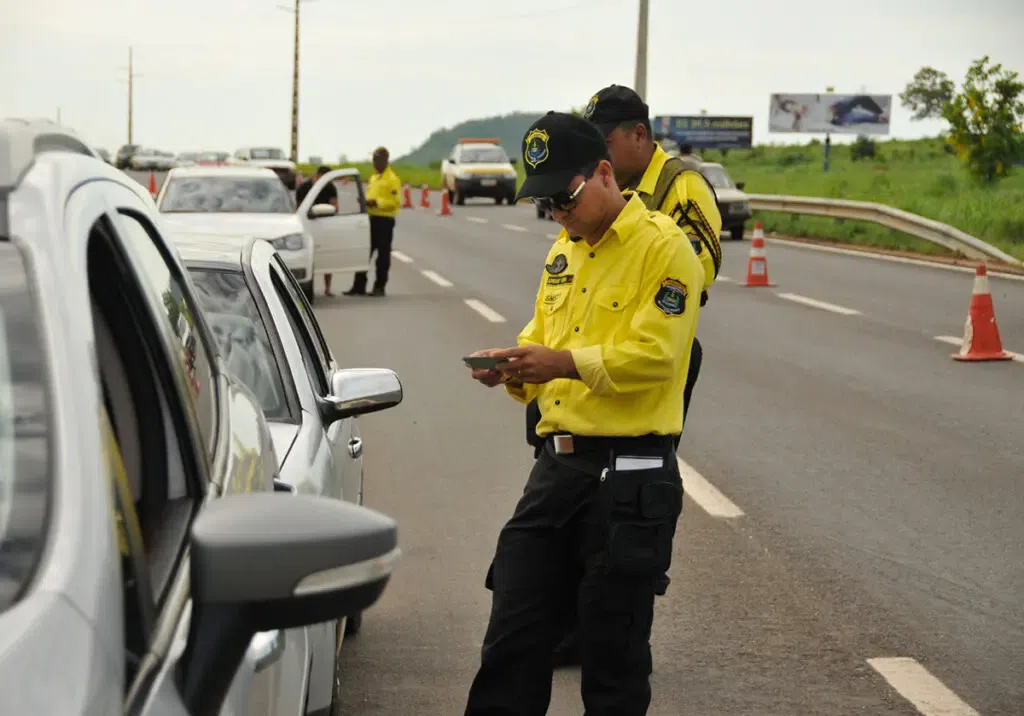


The Constitution, Justice and Citizenship Commission of the Chamber of Deputies Approved a Bill That Authorizes Traffic Agents to Carry Firearms During and Outside of Work Hours. The Measure, Which Recognizes the Activity of These Professionals as Police Work, Goes to the Senate and Has Sparked Discussions About Its Impact on Public Safety and Daily Life on Brazilian Roads.
In the current scenario of public safety policies in Brazil, a legislative proposal has generated heated debates and divided opinions among experts and society.
The measure in question aims to expand the duties of traffic agents, granting them prerogatives previously restricted to other security forces.
But what would be the implications of this change? And how could it impact daily life on urban and highway roads in the country?
-
How an innovative city combines high technology, well-being, and sustainability to become the largest reference in clean energy on the planet.

-
Couple buys 1846 church in ruins for R$ 660,000, invests R$ 3.2 million in renovations, transforms it into a millionaire mansion, and even preserved a historic cemetery with over 300 graves.

-
“No one will make us change the Pix,” says Lula after the US report.

-
He started running at 66 years old, broke records at 82, and is now a subject of study for having a metabolic age comparable to that of a 20-year-old, in a case that is intriguing scientists and inspiring the world.


The Constitution and Justice Commission (CCJ) of the Chamber of Deputies approved a bill that authorizes the carrying of firearms for traffic agents, both during and outside of their service.
The proposal amends the Disarmament Statute and recognizes the activity of these professionals as police work, under the terms of the Federal Constitution.
The text is now proceeding to the Federal Senate for consideration.
Details of the Proposal
The project establishes that traffic agents must be public servants with a specific career, entering through a public competition.
Among the requirements for the position are: Brazilian nationality, a valid higher education diploma, a valid National Driver’s License without restrictions, and moral integrity.
Specific functional training for the use of firearms and subjection to control and oversight mechanisms are also stipulated requirements.
Expanded Functions
Currently, traffic agents are responsible for activities such as enforcement, traffic education, and promoting road safety.
With the approval of the project, these duties would be expanded, allowing these professionals to operate in a more integrated manner with other public security forces.
The rapporteur of the proposal, Deputy Delegate Paulo Bilynskyj (PL-SP), argues that the measure seeks to align traffic agents with other security careers, without interfering with the organizational structure of federal entities.
Debates and Controversies About the Firearm Carrying Law
The initiative has sparked intense discussions.
On one side, supporters claim that allowing traffic agents to carry firearms will enhance their safety, as they often face risky situations in their daily activities.
They argue that by being equated with police officers, the agents will be better prepared to deal with potential threats, contributing to public safety in a broader sense.
On the other hand, critics of the proposal express concerns about the potential escalation of violence in traffic situations.
They fear that the authorization to carry firearms could lead to more aggressive approaches and an increase in confrontations between agents and citizens.
Additionally, there are concerns about the adequacy of training offered to these professionals for the responsible use of weapons, as well as about the stipulated control and oversight mechanisms.
International Context
The discussion about arming traffic agents is not exclusive to Brazil.
In other countries, such as the United States, some jurisdictions allow these professionals to carry firearms, especially in areas where there is a closer integration between traffic enforcement and policing functions.
However, social and security realities vary significantly between nations, making direct comparisons between the adopted models complex.
Next Steps
With the approval in the CCJ of the Chamber of Deputies, the project moves on for analysis in the Federal Senate. If approved without modifications, it will be forwarded for presidential sancion.
If sanctioned, the law will represent a significant change in the operations of traffic agents in Brazil, expanding their responsibilities and duties within the context of public safety.
Bill Is Controversial
The proposal to arm traffic agents raises fundamental questions about the role of these professionals in society and the limits of their duties.
While some see the measure as a way to strengthen road safety and protect the agents, others warn of the risks of excessive militarization and possible abuses of power.
The balance between security and civil rights remains at the center of this debate, which promises significant developments in the coming months.
And you, reader? Do you believe that arming traffic agents will contribute to safer traffic or could generate more conflicts on Brazilian roads? Share your opinion in the comments.





Sou totalmente contra. Grande parte dos fiscalizadores de trânsito municipal, são arrogantes, mal educados, se acham a polícia, e não tem preparo algum para portar arma. No meu estado, toda vez que vão fazer blitz, estão juntos a PM. Então, não precisa de arma.
Perfeito, extremamente necessário para esses profissionais exercerem suas atitudes.
O Porte de Arma para Agentes de Trânsito: Antes de Criticar, Conheça a Realidade
Muitas pessoas criticam a possibilidade de porte de arma para agentes de trânsito sem conhecer a realidade da profissão. Julgam sem viver o que um agente enfrenta diariamente nas ruas. Nossa missão é garantir a segurança no trânsito, preservar vidas e fazer cumprir a lei, mas, infelizmente, nem todos aceitam isso pacificamente.
Muitas vezes, levamos ameaças para casa, tanto no trabalho quanto fora dele. Há casos de intimidação, agressões verbais e até físicas contra agentes que apenas cumprem seu dever. A fiscalização do trânsito mexe com emoções, toca no bolso e desperta reações que, em alguns momentos, passam dos limites.
Antes de criticar, venha conhecer o dia a dia de um agente de trânsito. Entenda os desafios, os riscos e o compromisso com a sociedade. O porte de arma não é um privilégio, mas uma necessidade de defesa para quem trabalha na linha de frente da fiscalização, garantindo a ordem e a segurança para todos.