





 Portuguese
  English
  Spanish
  3 min of reading
  221 comments


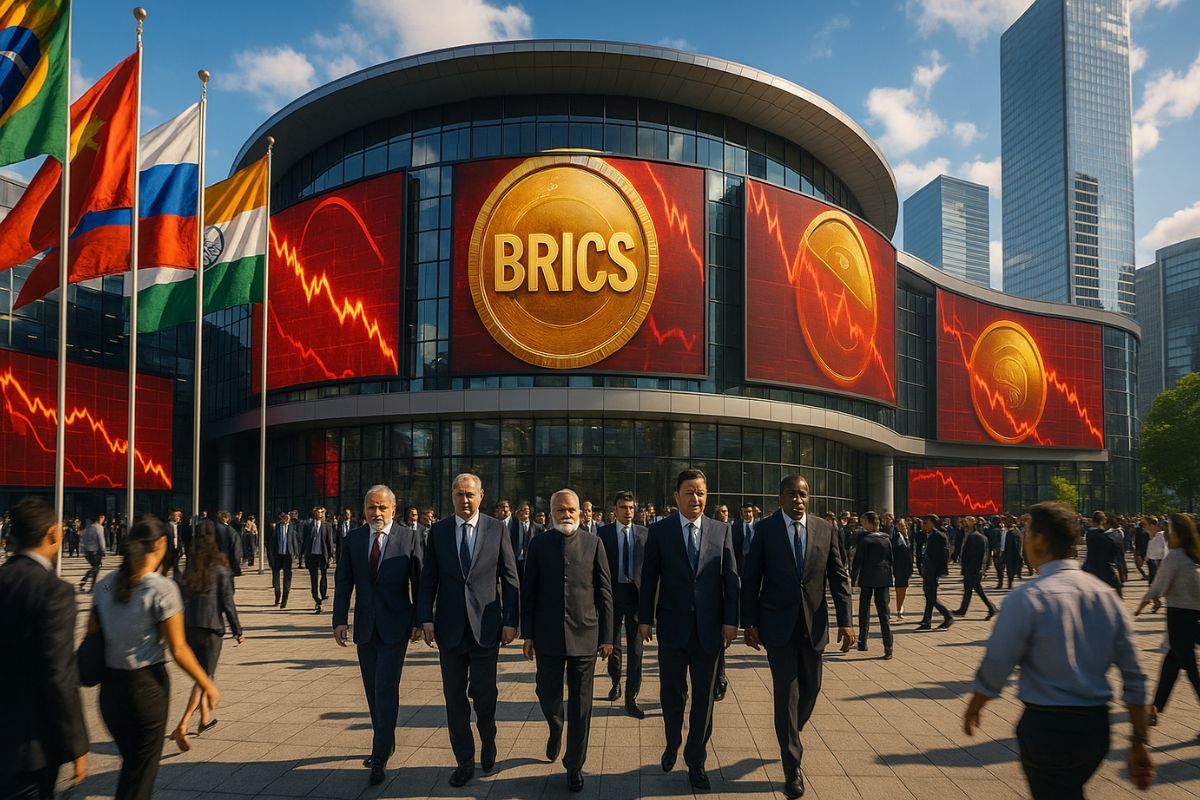


Lula Advocates Debate on New BRICS Currency for International Trade. Brazilian President States That Group Can Discuss Alternative to the Dollar in Transactions Among Member Countries
President Luiz Inácio Lula da Silva declared on Tuesday (12) that Brazil may propose, within the BRICS framework, the creation of a new BRICS currency to facilitate trade among the bloc’s countries. According to him, the initiative would reduce dependence on the dollar and create room for new forms of economic integration.
The statement was made during an interview in São Paulo, after Lula recalled that in 2004, he signed an agreement with Argentina for transactions in reais and pesos. For the president, changes of this kind face initial resistance but can transform the dynamics of international trade.
Context of the Proposal
At the BRICS summit held in Rio de Janeiro in July, Lula had already advocated for commercial operations among the bloc’s members that would not go through the dollar. The discussion gained momentum after statements from former American President Donald Trump, who accused BRICS of attempting to “destroy” the U.S. currency.
-
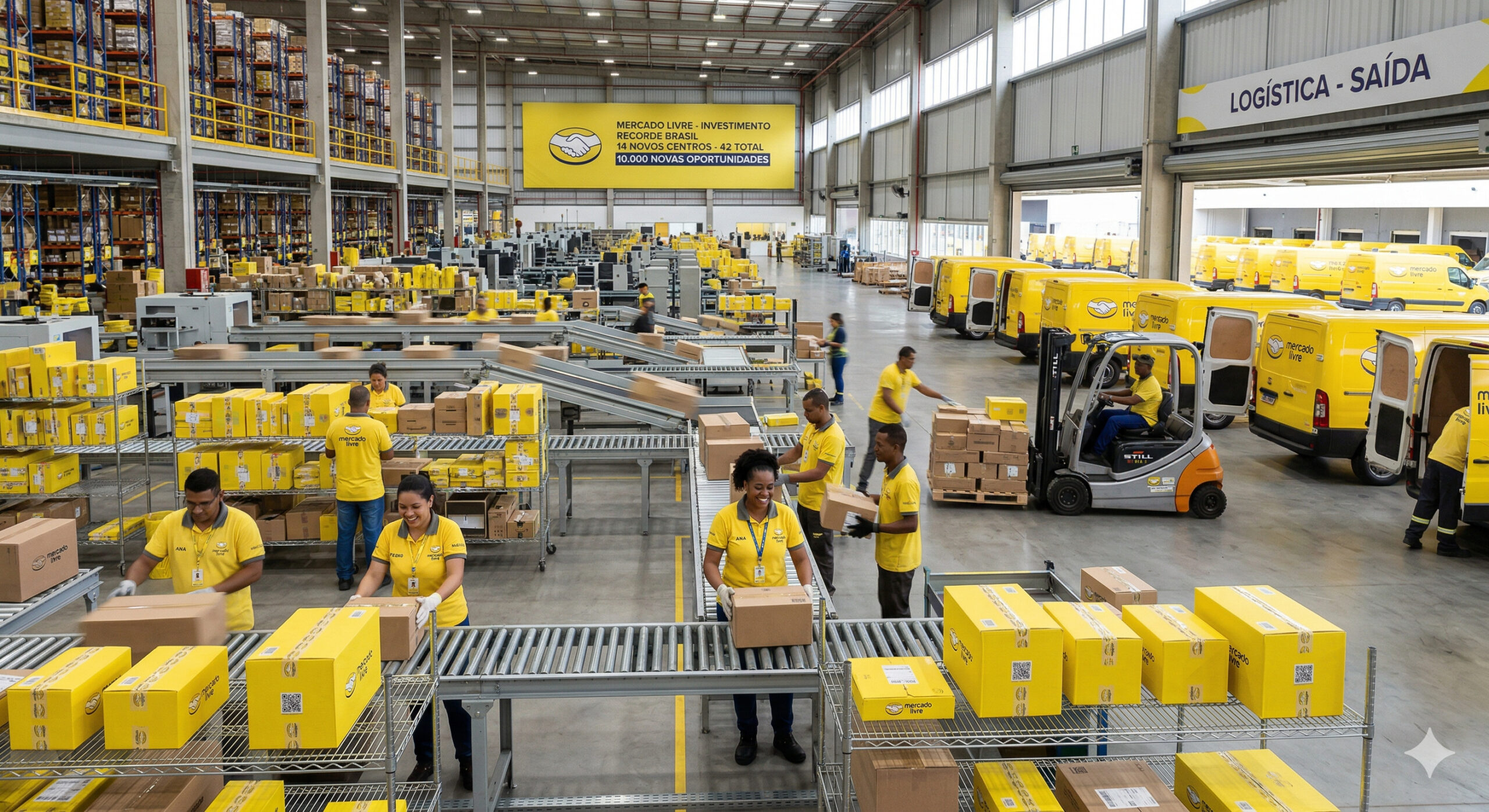
Mercado Livre “opens the vault” and announces a record investment of R$ 57 billion in Brazil in 2026, a value 50% higher than the previous year, with an expansion plan that includes 14 new logistics centers, totaling 42 units in the country and hiring an additional 10,000 employees.
-
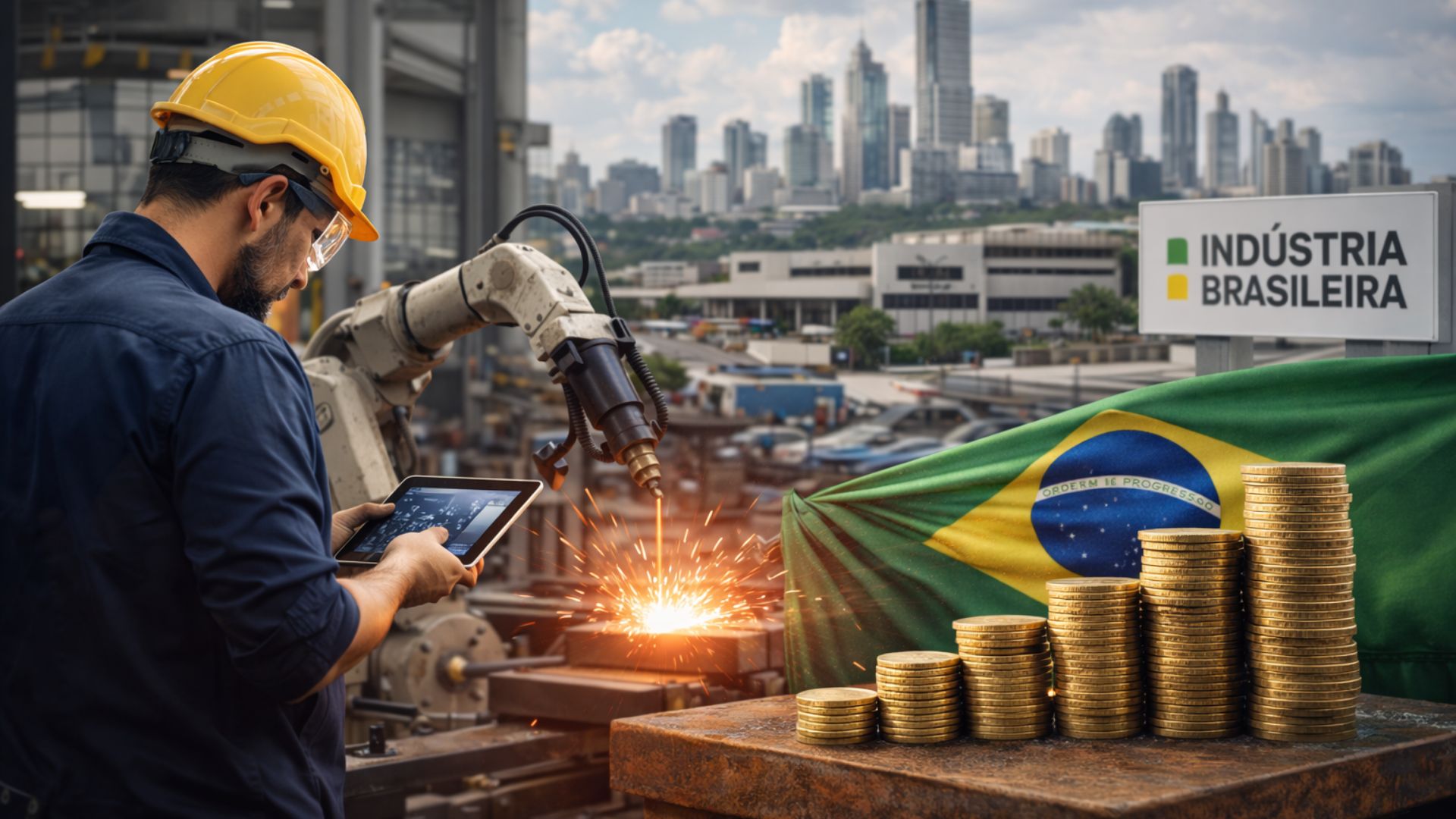
How investment in technology can revolutionize the national economy and enhance industrial gains, according to a study that highlights the direct impact on productivity, innovation, and wealth retention within Brazil.
-
The largest food company on the planet, JBS, has just opened a 4,000 square meter laboratory in Florianópolis to develop customized proteins that modulate muscle mass gain, immune response, and metabolic performance.

-
After nearly 30 bids and competition among industry giants, a Spanish company purchases one of the largest airports in Brazil for almost R$ 3 billion and takes over the management of Galeão in a concession that will last until 2039.


According to Lula, the new BRICS currency would not aim to replace the dollar globally, but to create an alternative for internal transactions within the bloc. He also stated that the idea “has not yet been tested” and that the United States would be “jealous” of the close relationship between Brazil and other member countries.
International Repercussions and Criticism
Trump’s comment came amidst a scenario of decline in the dollar’s value, which closed the day at R$ 5.3870 — the lowest level since June 2024. The Republican threatened to impose a 10% tariff on products coming from BRICS countries, which, according to analysts, could further encourage the search for alternative currency settlement.
Economists, however, warn that the creation of a new BRICS currency faces significant challenges, such as the need for financial integration, macroeconomic stability, and mutual trust among member countries.
Viability and Next Steps
Experts consulted by Estadão emphasize that, although politically attractive, the proposal would require robust multilateral agreements and clear definitions of issuance, backing, and governance parameters. Previous experiences, such as the euro, show that the process can take years and demand profound concessions of monetary sovereignty.
Lula states that he is open to dialogue and intends to listen to concrete proposals from other leaders at the next bloc meeting. The expectation is that the topic will formally enter the agenda of future negotiations.
Do you believe that the creation of a new BRICS currency could actually reduce dependence on the dollar or are the challenges too great to make the project viable? Leave your opinion in the comments.









A ideia é ótima, mais a direita **** que diz ser tradicional, não vai deixar de lamber as bolas dos americanos, precisava a esquerda ficar pelo menos 12 anos no poder direto,ou outro presidente que entrar fosse inteligente também.
Muito bom
Acho que o LULA deveria parar com isso, não vai dar em nada, aliás vai; aumentar o tarifaço americano.