





 English
  Francês
  Alemão
  Italiano
  Japonês
  Norueguês
  Portuguese
  Spanish
  3 min of reading


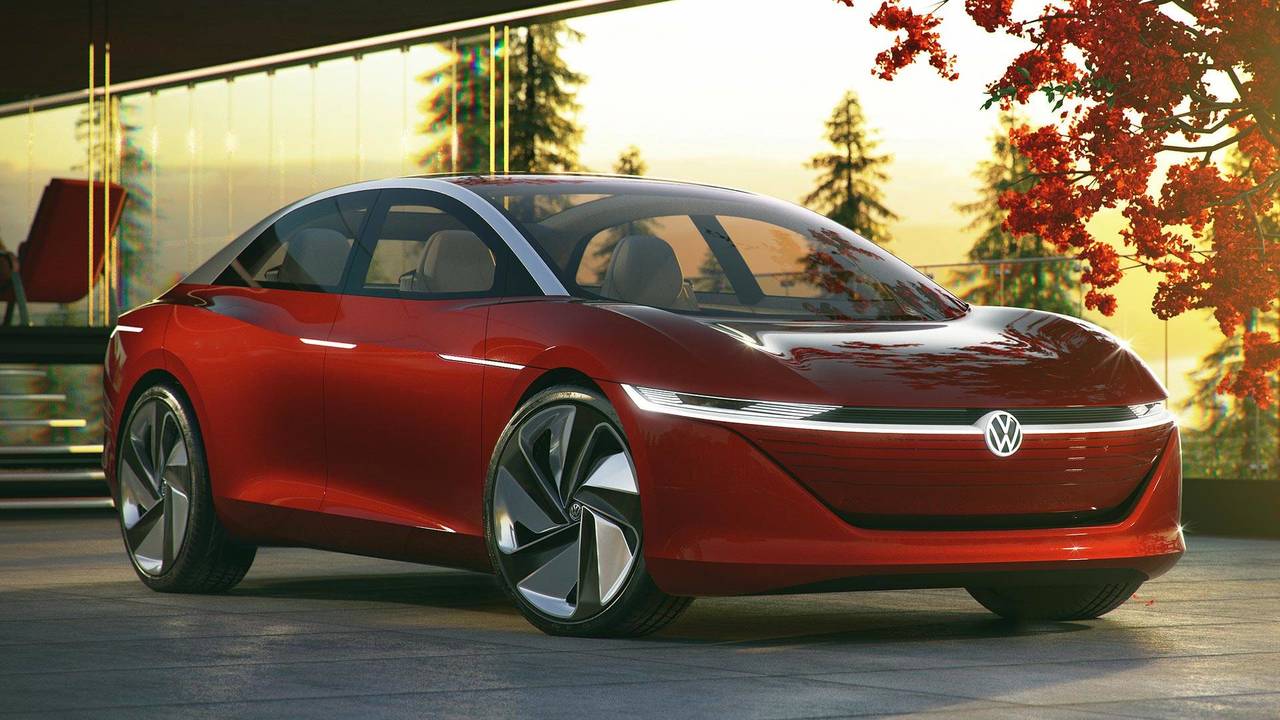
Volkswagen Is Working on New Changes to Its MEB Electric Car Platform and Plans to Bring a New Electric Sedan That Can Reach 700 km of Range on a Single Charge.
Volkswagen continues to work on the development of its MEB electric car platform, and one of the upcoming innovations in this architecture announced on Wednesday afternoon (13) will be a mid-size electric sedan , the first from the brand, which will serve as a successor to the current Passat, yet without emitting any pollutants and promising to make a significant leap in terms of range. So far, Volkswagen’s platform has already provided the foundation for models in the ID lineup such as ID.3, ID.4, ID.5, ID.6, and ID. Buzz, but the future electric sedan is expected to take a further step.
Meet Volkswagen’s New Electric Sedan
Known as Volkswagen Aero B, the electric car has not had many technical details disclosed by the German automaker, however, during the latest earnings conference, the company released some important data about the electric sedan.
At the same time it unveiled its future electric vehicle with improved range, the automaker stated that its next model will be built on the updated version of the platform and will offer a range of up to 700 km on a single charge. However, the company did not mention the battery, but the expectation is that it will be larger than 100 kWh.
-
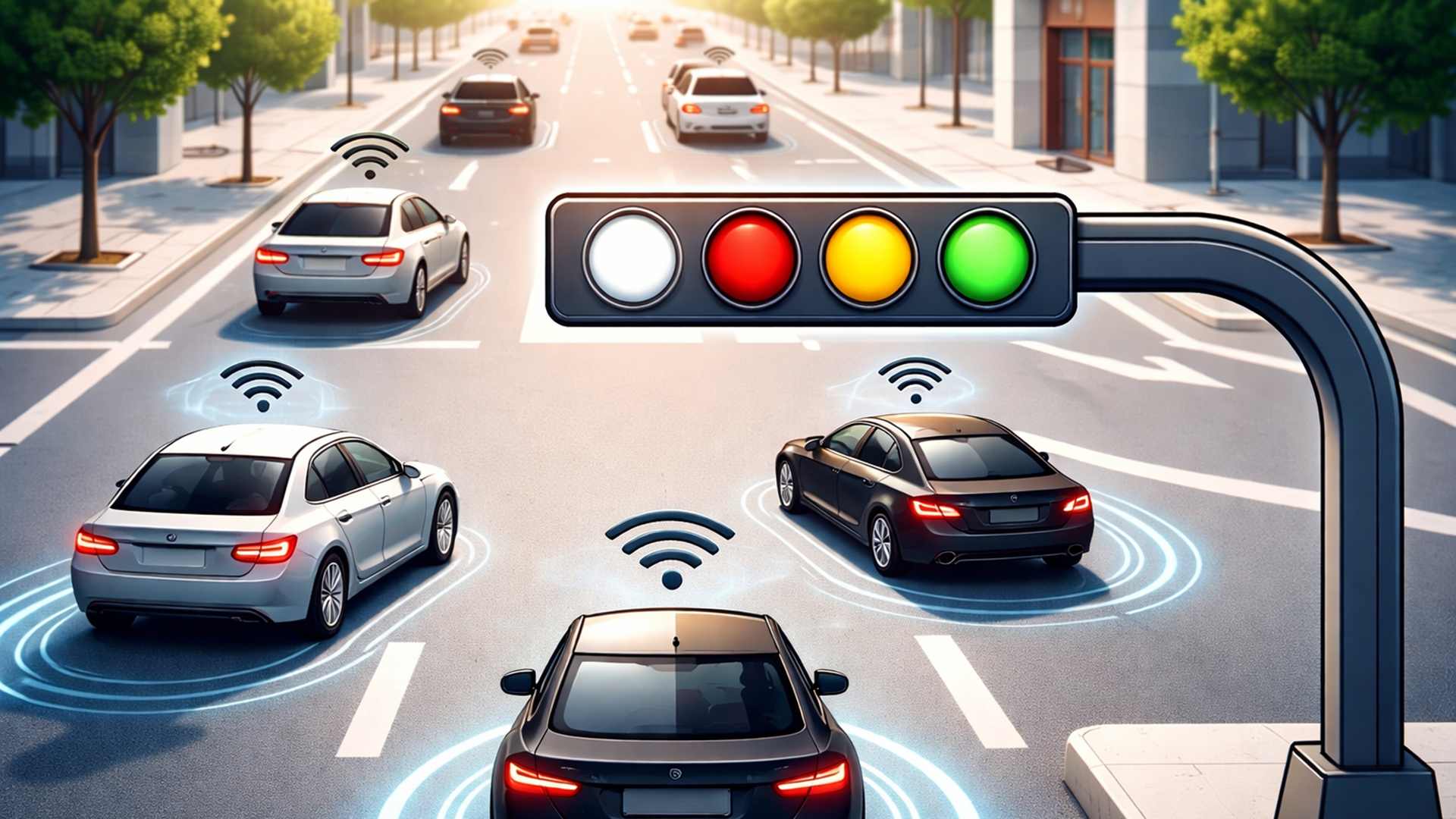
Engineers propose a fourth traffic light for intersections – the change promises to affect crossings, queues, and waiting times.
-
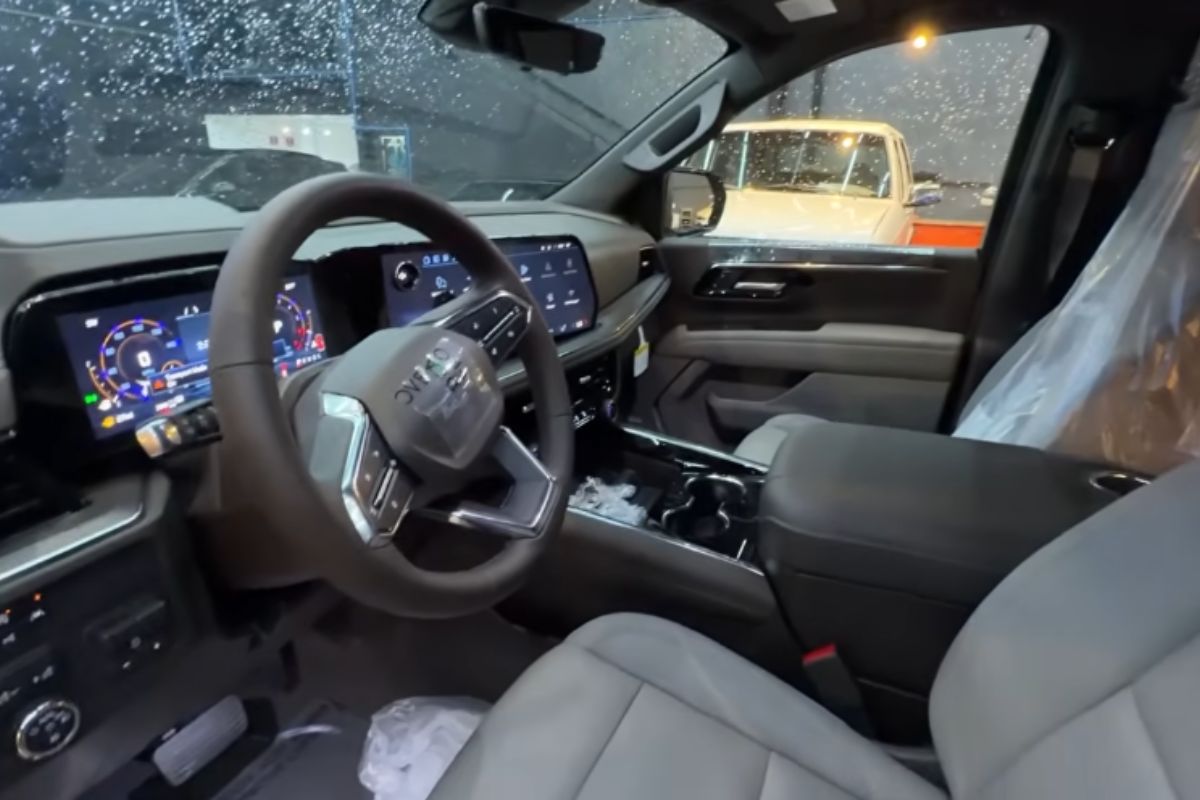
Chevrolet Suburban Z71 lands in Brazil with a V8 engine, off-road design, air suspension, seven seats, and colossal size, a rare version imported for around R$ 1.3 million with luxury and exclusivity.
-
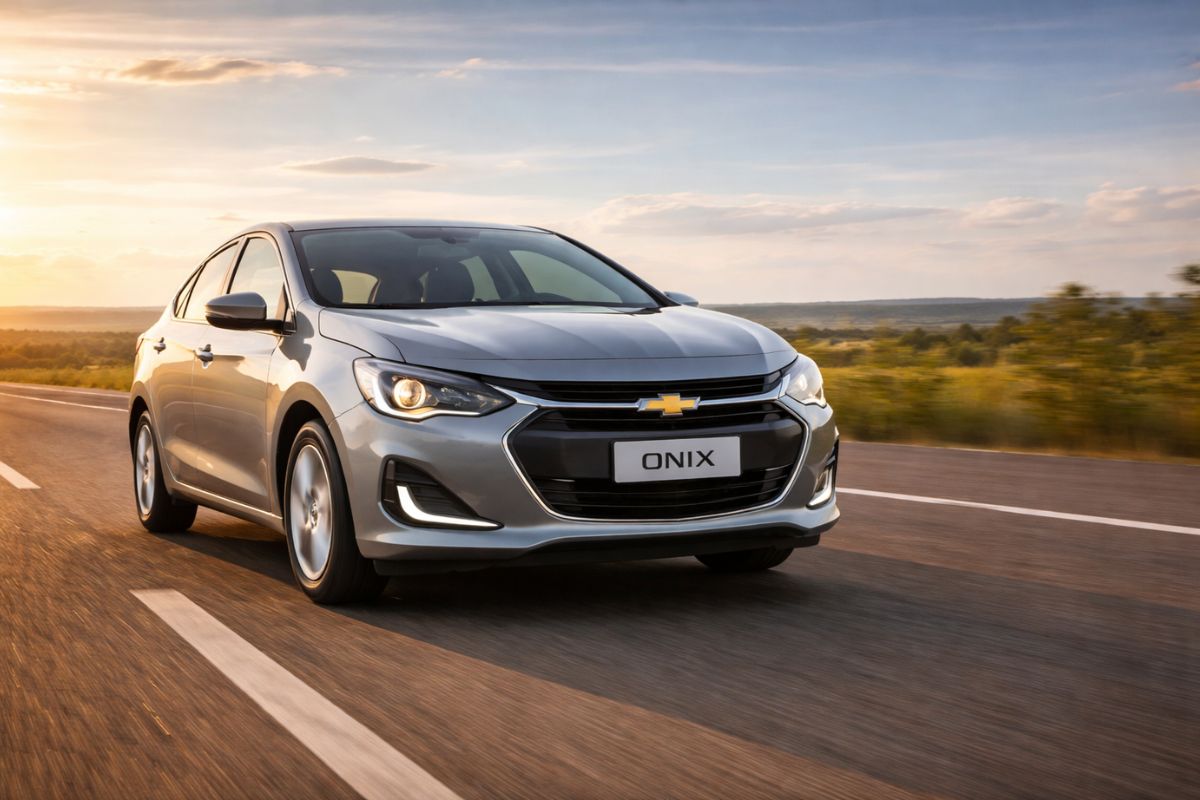
The Chevrolet Onix 1.0 turbo achieves 17.7 km per liter on the highway and ranks among the three most economical cars in Brazil in 2026, alongside two more expensive Toyota hybrids available at dealerships.
-
Little sister of the Hilux: Toyota launches Land Cruiser FJ with 4 radical versions, 2.7 engine with 166 hp and 4×4 traction with locking.

In addition, Volkswagen also stated that its upcoming electric cars will have fast charging capabilities with 200 kW of power, which represents a significant advancement compared to the current maximum of 150 kW available for vehicles like the ID.5 GTX, while other ID models can reach 135 kW.
Electric Sedan with 700 km of Range May Receive Sport Version
Following the examples of the ID.4 and ID.5 models, Volkswagen’s new electric car may come with a sport version, likely named GTX. Regarding the newly launched SUV coupé, the more powerful version allows the vehicle to go from 0 to 100 km/h in 5.5 seconds.
The definitive design of the electric sedan is still unknown, however, the model has already been spotted undergoing tests and a good part of the design has been revealed. The presentation of the final version is scheduled for the end of this year, with market arrival expected next year.
Volkswagen did not specify the standard for range, but it is very likely that the company guided itself by the WLTP standard, which is a globally harmonized vehicle testing procedure. The platform used for the electric sedan was created in 2015 and aims to leverage the latest advancements in battery cell construction.
Volkswagen Comments on Semiconductor Crisis
The expectation is that the Aero B electric sedan will compete with vehicles like Tesla Model 3, Polestar 2, or even the all-electric version of the BMW 3 Series, the new i3 Sedan.
In its last sightings, the Aero B was using a different type of camouflage and still had a front end similar to that of the Passat. According to Arno Antlitz, the brand’s chief financial officer, aside from Volkswagen’s adjustments to the MEB, the automaker is also preparing for the prolongation of the semiconductor crisis.
The director declared that the situation is not expected to improve significantly within 2 years and the crisis should ease in the second half of this year, yet without resolving structural issues. Antlitz’s statement aligns with that of BMW’s global president, Oliver Zipse, who sees the current moment as the peak of the semiconductor crisis.









Seja o primeiro a reagir!