





 Portuguese
  English
  Spanish
  4 min of reading
  0 comments



New Rule Requires Mercosur Plate in Specific Cases; Those Who Ignore It May Face Severe Fines, 7 Points, and Vehicle Retention. Understand When to Replace.
In 2023 and 2024, the topic of the Mercosur plate has resurfaced on social media after alerts about “final deadlines” and “automatic fines”. The confusion arises because there is no national deadline for drivers to change the old plate for the new one, but there are situations where the change is mandatory, and it is in these scenarios that penalties may occur if the vehicle circulates irregularly.
This information is confirmed by Denatran/Senatran, Contram and the state Detrans themselves.
When the Exchange for the Mercosur Plate is Mandatory
Currently, the Mercosur plate is required in the following cases:
-
Less than a Tera TSI, up to 710 km of range and charging in 9 minutes: the new BYD Song Ultra expands the Chinese brand’s bet on increasingly faster, more technological, and competitively priced electric SUVs.

-
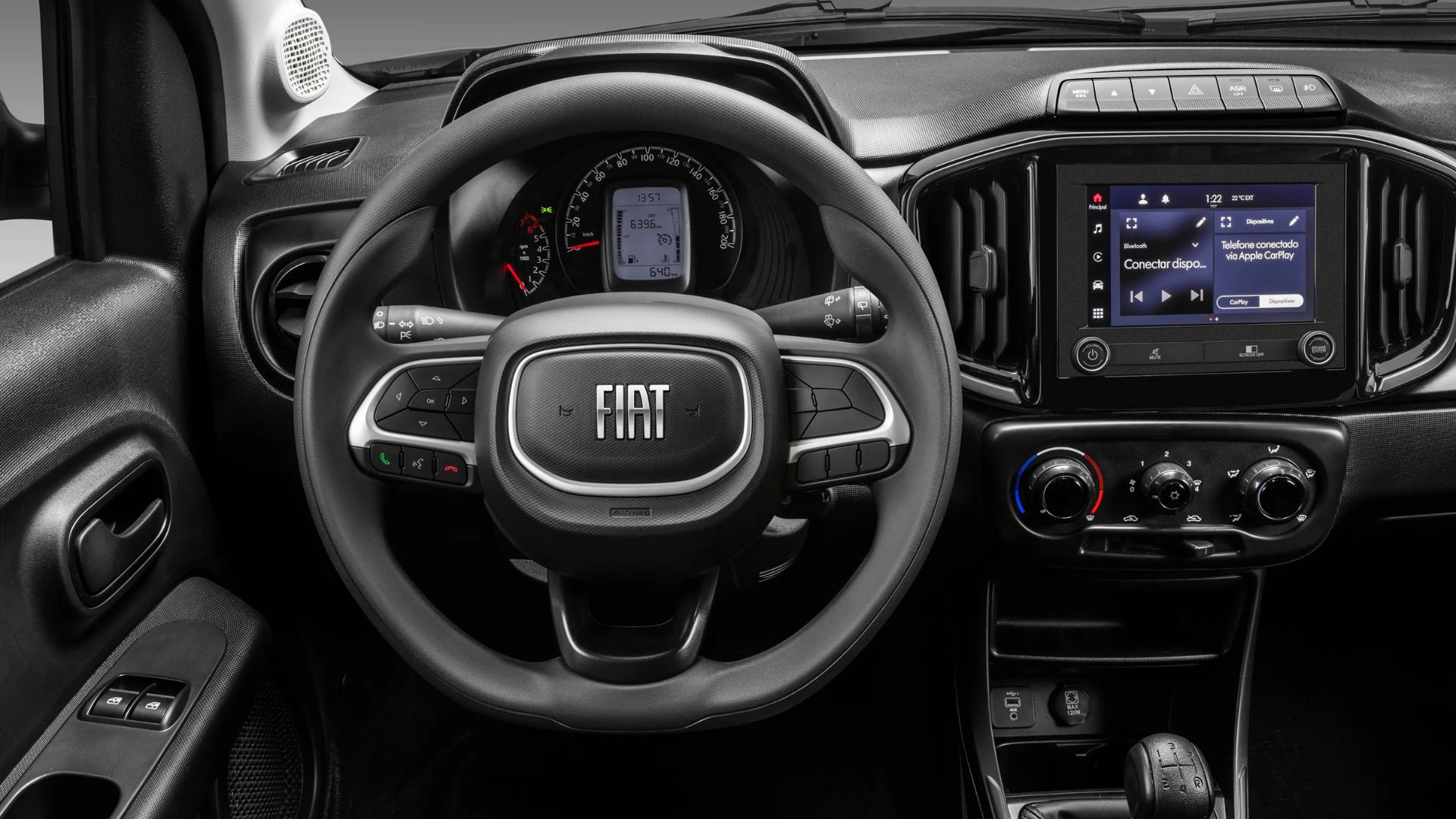
With a 1.0 engine producing 75 hp and costing less than R$ 70,000, Fiat’s car returns to the podium as the cheapest in the country; a temporary promotion for the 2026 Like version reduces the price of the Fiat Mobi.
-
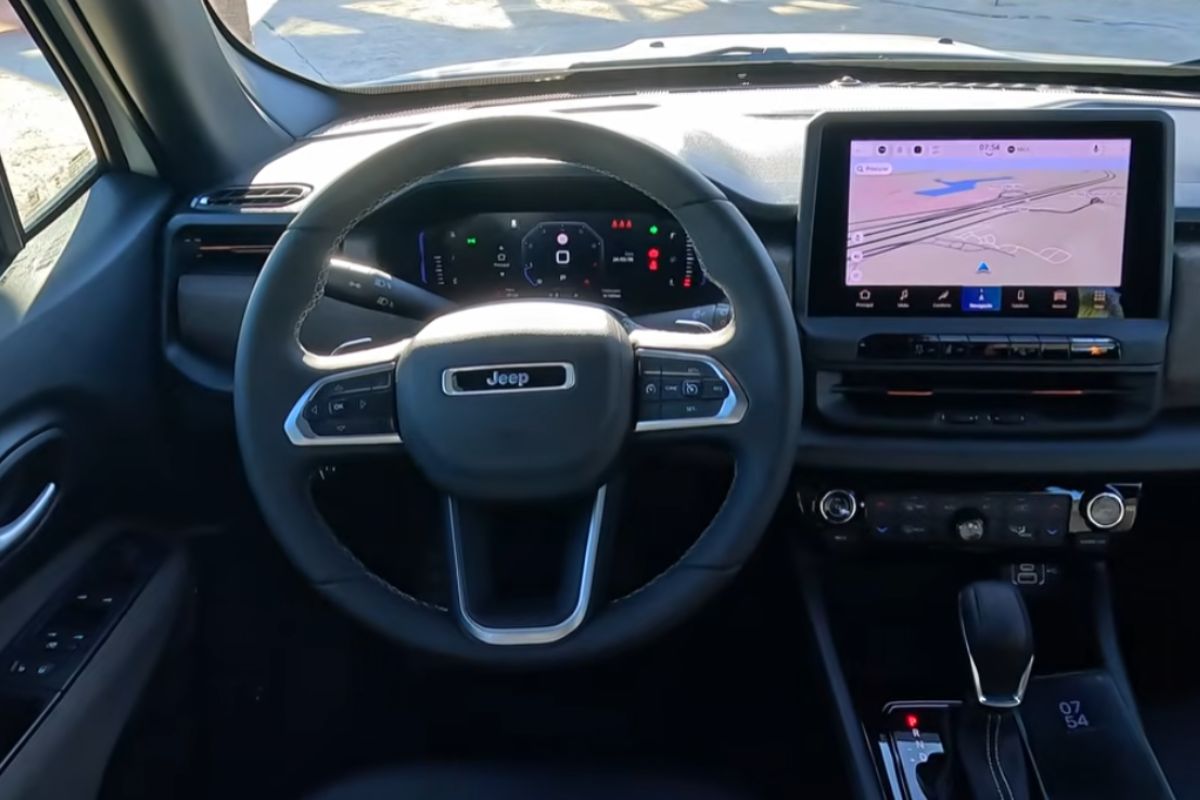
With a mild hybrid system of 48 V, 176 hp and a price of R$ 175,990 in the Sahara version, the new Jeep Renegade changes mostly on the inside, improves slightly in fuel consumption, and remains almost the same car.
-
With a 293.5 cm³ engine and a range of up to 400 km with a 14.1-liter tank, the Honda CB 300F Twister 2026 has up to 24.7 hp, an initial price of R$ 25,150, and already exceeds R$ 29,000 in the Fipe Table.


- First Registration of the Vehicle
- Transfer of Ownership (sale of the car)
- Transfer of Municipality or State
- Change of Vehicle Category (e.g.: private → rental)
- Damaged, Illegible, Stolen, or Cloned Plate
- Mandatory Reissuance After Inspection
If the driver falls into one of these cases and fails to regularize, the vehicle will circulate with irregular documentation and this opens the possibility for fines according to the Brazilian Traffic Code (CTB).
What Are the Possible Penalties for Those Who Do Not Regularize
The penalty does not exist because the plate is “old”, but rather because the vehicle is with divergent data from the Renavam database or with an irregular/incompatible plate after a situation that requires the current standard.
The effects may include:
- Serious Infraction (R$ 293.47)
- 7 Points on the Driving License
- Retention of the Vehicle until regularization
- Additional Administrative Fine, depending on the state
The legal basis used is Art. 230 of the CTB, which provides for penalties for vehicles that circulate with characteristics different from those registered, without plates, with illegible or irregular plates.
Why Do So Many Drivers Believe There Is a “General Deadline”?
Because, between 2018 and 2021, Contran announced national schedules for the adoption of the Mercosur plate. However, the rules were changed and the general deadline was suspended.
Since then, the system works like this:
✔ It is not mandatory to change just to “stay within the new standard”
✔ It is mandatory when something changes in the vehicle (sale, transfer, etc.)
This distinction is not new and is published in ordinances from SENATRAN and in Contram resolutions.
How It Works in Practice for Those Who Want to Sell the Car
Real Example:
- João has a car with a gray plate
- He sells the vehicle to Maria
- The transfer of ownership requires a new document and inspection
- In this process, the plate must be Mercosur
If Maria tries to circulate before regularizing, the vehicle will be irregular, even if well maintained. The same applies to those who:
- Move to another city
- Register the car as Uber/taxi
- Make changes to the documentation
- Report theft or damage of the plate
Why Did the Government Adopt the Mercosur Standard?
Officially, the adoption involves binational standard, unified alphanumeric code, and greater public traceability. Among the reasons:
- Compatibility with databases
- Ease of automatic reading
- Interstate control
- Standardization of characters
- Reduction of cloning (although there are still criticisms)
Today, Brazil, Argentina, Paraguay, and Uruguay use the model.
So Do I Need to Change My Plate or Not?
It Depends:
✔ If you have not sold, have not moved to another city, and have not changed the documentation, you do not need to change it.
✘ If you made any of the listed changes, you need to regularize — otherwise, you may infringe the CTB.
To avoid fines, just do an inspection and request the new registration at the Detran of the state where the vehicle is.
There Is No General Deadline, But There Is Real Risk in Specific Cases
There is no “national deadline”, and no one loses the right to circulate just for having an old plate.
The problem is not the plate being old, but rather being incompatible with the vehicle’s documentation situation.
In summary:
Who Should Change? Those who change ownership, municipality, category, or documentation.
Who Does Not Need to? Those who remain with the same vehicle, same city, and same category.
What Is the Risk? Fine, points, and retention if circulating irregularly.








-

-

-

8 pessoas reagiram a isso.