





 Portuguese
  English
  Spanish
  5 min of reading
  23 comments


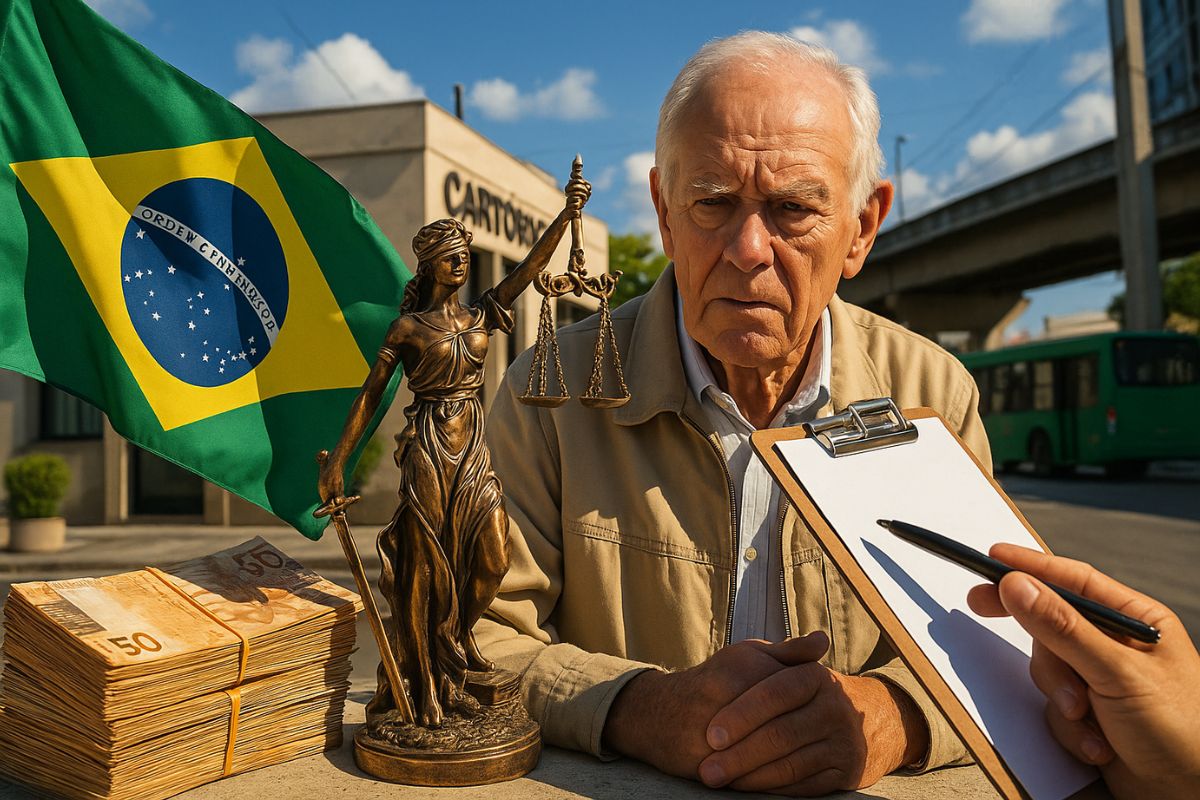


With the new CNJ rule, any person aged 18 or older can, in a physical registry office or via E-notariado, appoint guardians for future incapacities, with confidential registration in Censec, a fee of 70 reais in Minas, and extra protection for the elderly against property abuses throughout the country, including for the disabled.
A new rule from the National Justice Council now allows anyone aged 18 or older to register in a registry office, through self-guardianship, who will take care of their health and assets in case they become incapacitated. The regulation was issued in October, is already in effect, and applies to the entire national territory, making this instrument accepted by the judiciary.
Primarily designed for the elderly and people with disabilities, the measure ensures that the wishes of the individual will be considered by the judge in the future guardianship process. This Saturday, November 29, capitals such as Belo Horizonte, Curitiba, and Fortaleza held mobilization events at registry offices to guide the population on how to appoint a responsible person and clarify doubts about the practical application of self-guardianship.
What is Self-Guardianship Under the New Rule
Self-guardianship is a public deed made at a notary’s office that allows the individual, while they are lucid and fully capable of decision-making, to pre-define who will be responsible for their health and assets if, in the future, they lose the ability to express their will.
-
The Senate approves a bill that criminalizes misogyny, hatred, or aversion towards women, and includes the crime in the Racism Law with a penalty of up to 5 years.

-
Chamber Approves Bill That Allows Pepper Spray for Women Over 16 and Imposes Strict Rules for Purchase, Possession, and Use as Self-Defense

-
Chamber Approves Law to Combat Leucaena, Fast-Growing Plant That Dominates Land and Threatens Native Species in Various Regions of the Country

-
Asset Division: Know What Cannot Be Divided in Case of Divorce


Although the concept of self-guardianship is not yet expressly described in law, the new CNJ rule established national parameters for its functioning.
As a result, notarial services throughout the country will include this type of guardianship in the Central Electronic Notarial of Shared Services (Censec), which facilitates magistrates’ access to information in judicial processes.
In practice, the change creates a pathway for the individual’s choice to be observed by the judge, rather than solely relying on the automatic order stipulated in the Civil Code.
This represents more autonomy and predictability for the elderly and families, especially in situations of sudden illness or progressive loss of capacity.
How Self-Guardianship is Done in Practice
To use the new rule, the first step is to look for a notary’s office and express the desire to appoint a guardian.
The procedure can also be carried out through the E-notariado platform, which already brings together various notarial acts in a digital environment, allowing individuals to do everything remotely, with electronic certification.
In the self-guardianship deed, the declarant can appoint one or more guardians, in order of preference, already anticipating who will take on the role first and who will serve as a substitute if the chosen one cannot or does not want to perform the function.
This prior organization is important to prevent conflicts among family members and friends when incapacity occurs.
After hearing the declarant, the notary verifies if the request is spontaneous, if the person is conscious and understands the implications of the decisions they are making.
Only then is the deed executed, ensuring that the appointment of the guardian was made of free will and not under pressure from others.
Even with the self-guardianship registered, the final decision remains judicial. When necessary, a guardianship process will be opened, with the participation of the Public Prosecutor’s Office and analysis of the conditions of the appointed person.
The difference is that, with the new rule, the judge has a clear document of the individual’s wishes, which tends to guide the choice and expedite the definition of the guardian.
Who Can Be a Guardian and What Changes for the Judge
Under the new rule, the guardian can be anyone trustworthy, and does not have to be a relative or spouse. This means that the individual can appoint, for example, a long-time friend, a neighbor, or another trusted caregiver, as long as they consider this person better suited to care for their health and assets.
Currently, the Civil Code establishes a standard priority order for guardianship: first the spouse or partner, then the father or mother, and subsequently the descendants deemed most capable.
This order remains valid, but with self-guardianship, the judge will reconcile the legal list with the wishes expressed in the registry, valuing what was decided in advance by the individual concerned.
The notary offices will now correctly qualify these deeds and include them in Censec, allowing magistrates to have quick and reliable access to self-guardianship data during the process.
This reduces the risk of lengthy family disputes, decisions that do not align with the wishes of the individual, and situations where the elderly person’s assets remain vulnerable due to lack of clear definition.
Confidentiality, Fees, and Protection Against Property Scams
A central point of the new rule is the confidentiality of the self-guardianship document. The deed has restricted access, being consultable only by the declarant or by judicial order.
Third parties, even family members, cannot access the content on their own, which reduces exposure of sensitive information about assets and personal preferences.
The cost of self-guardianship varies by state. In Minas Gerais, for example, the fee is 70 reais, an amount charged by the notary’s office for executing the deed.
In other states, the price is set by their respective fee tables, but the principle remains the same: pay for the notarial act that formalizes the choice of the guardian.
By allowing individuals to plan ahead for who will manage their assets and make treatment decisions, the new rule has a direct effect on preventing property violence and scams against the elderly.
When the guardianship process reaches the judiciary, it already has a document indicating whom the individual truly considered trustworthy, which makes it harder for those only interested in the assets to manipulate the situation.
Mobilizations and Guidance for the Elderly in the Capitals
To present the new rule to the public, mobilization events were organized in capitals such as Belo Horizonte, Curitiba, and Fortaleza this Saturday, November 29.
In Belo Horizonte, elderly individuals visited registry offices and service points to clarify doubts about how self-guardianship works, understand which documents to bring, and how to carefully choose a guardian.
Lawyers and family law professionals explained that self-guardianship does not replace the judge’s role, but anticipates choices and prevents conflicts, in addition to providing greater security for the elderly to organize their financial lives and health care while still fully lucid.
The recurring recommendation is that the decision be discussed with family members and trusted individuals before being registered in the notary’s office.
Ultimately, the new rule creates space for the individual to take charge of the future of their health and assets, instead of leaving everything to a judicial decision made only in a moment of crisis.
And you, have you thought about how you would use this new rule to plan your old age with more security?










A lei parece boa, o difícil (no meu caso) vai ser encontrar a pessoa certa. Não tenho herdeiros somente alguns sobrinhos que já me deram provas de só quererem “levar vantagem” no pouco que eu tenho, mesmo eu sendo independente e não pedindo nada a nenhum deles.
E em caso de morte do cidadão como fica a citação dos bens?
Fica com quem ele escolheu ou é dividido com os filhos.
A Matéria é pertinente. Mas eu gostaria que as imagens não fossem geradas por IA.