





 Portuguese
  English
  Spanish
  2 min of reading


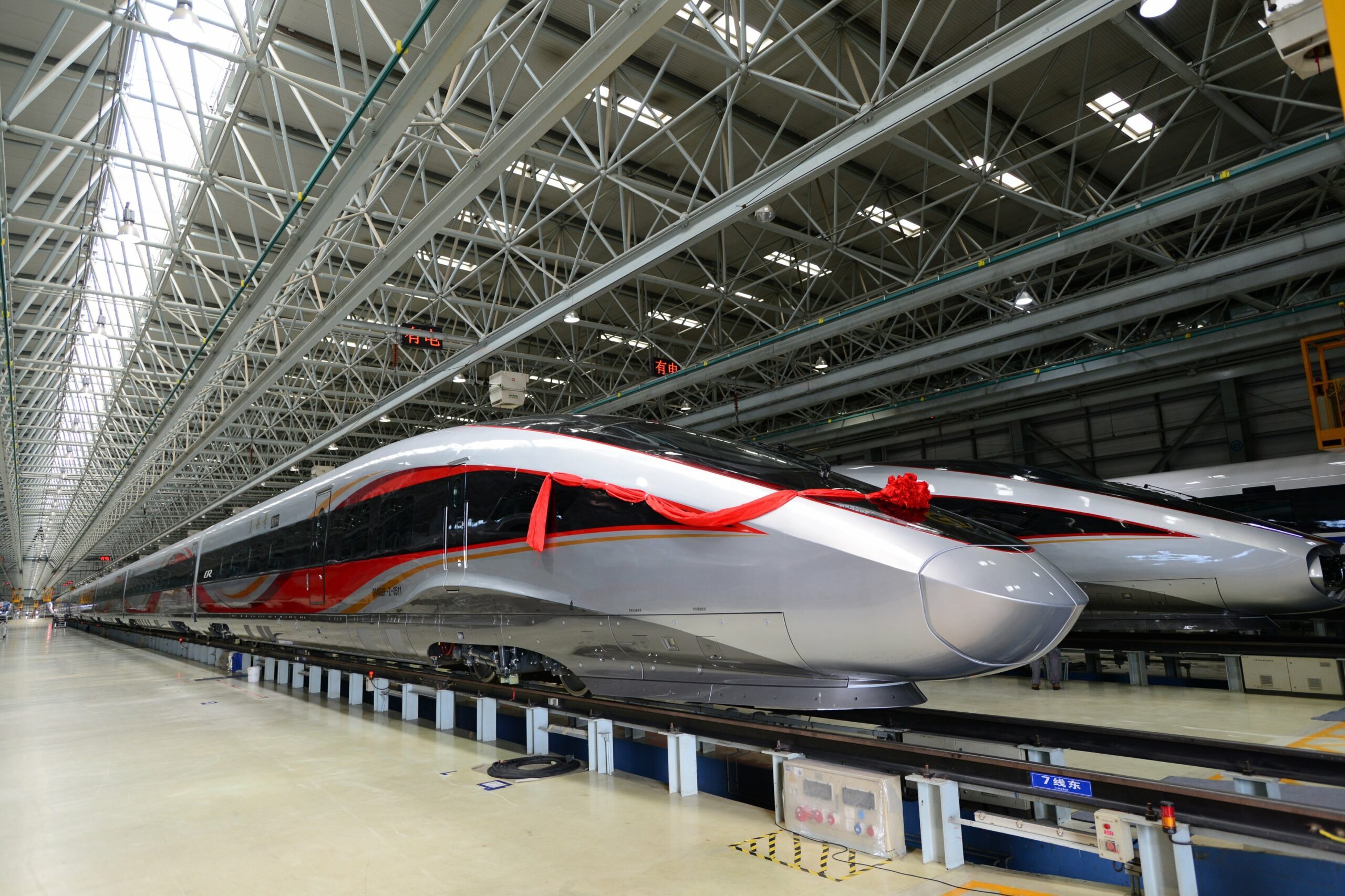
China Has Been Heavily Investing in Advanced Technology for High-Speed Vehicles and Innovating in Levitation Systems
The new system was tested in the city of Changchun, China, and consists of moving the train using high-temperature superconducting electric levitation.
According to CRRC, Changchun Railway Vehicles, the test conducted on the train allowed for the discovery of conditions such as superconducting magnets, linear synchronous traction, induction power supply, and low-temperature cooling. Those responsible for the technology innovation are excited about the results obtained.
According to the chief deputy engineer and project director, Yu Qingsong, in a statement to the Chinese Ministry of Science and Technology, the system is suitable for application scenarios involving high-speed ducts, ultra-high speed, and low vacuum, in addition to being a possibility to improve cargo and passenger transport on trains in the country.
-
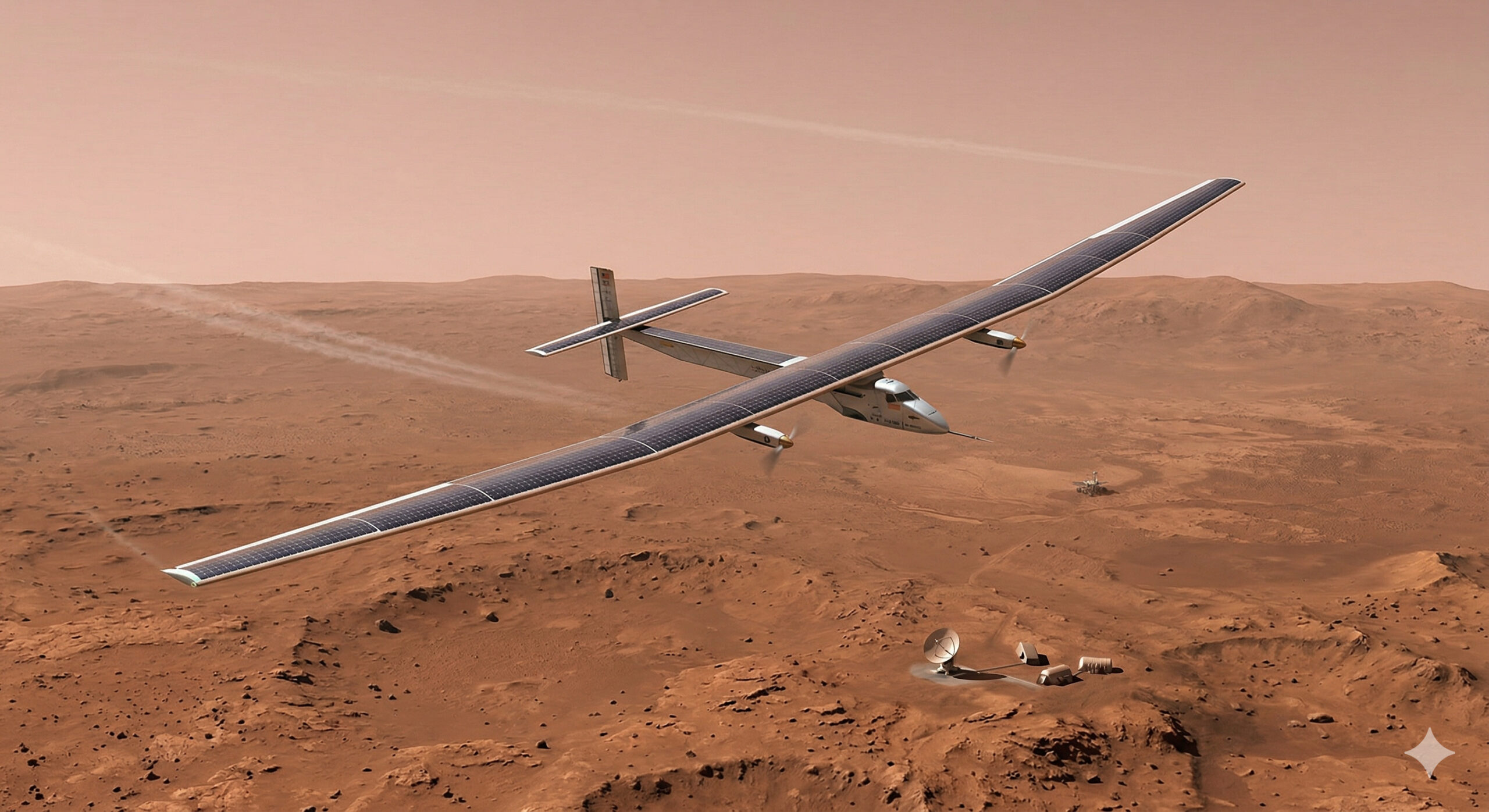
An engineer designs a solar plane to fly on Mars at an altitude of 1,000 meters and a speed of 300 km/h, covering 16,000 kilometers in a Martian year, 900 times the distance traveled by the Ingenuity helicopter in three years on the planet before experiencing a rotor failure, and NASA is already funding the feasibility study.
-
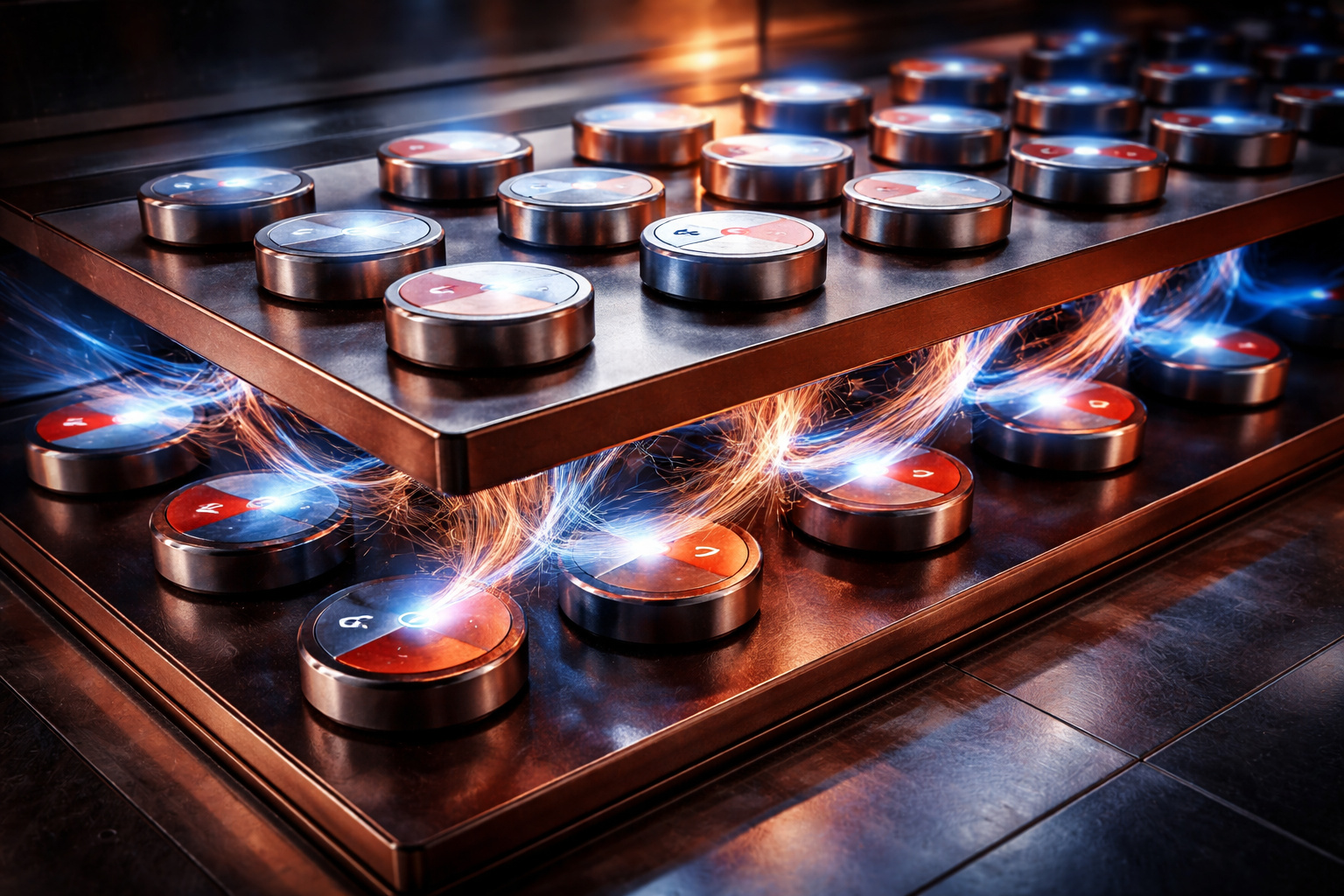
A new phenomenon of contactless magnetic friction intrigues scientists and questions a theory that has been valid since the 17th century.
-
An impressive phenomenon in Northern Brazil causes rivers of different colors to flow side by side, revealing secrets about sediments, currents, and biodiversity.

-
While many schools are still struggling with the basics, a teacher in China went viral for having elementary school students build a two-stage rocket using plastic bottles, water, and pressurized air in a science class that caught the attention of the entire world.


On its official Twitter account, the Chinese government released images of the train and expressed pride in the technology innovation. Additionally, the post demonstrates the government’s excitement over the success of the tests.
New Technology Could Make the Fastest Train in the World
According to the website Olhar Digital, electrical superconductivity occurs when resistance approaches zero. This phenomenon is essential for the high speed and efficiency of magnetic levitation trains and can be significantly enhanced in vehicles that use electric levitation.
For the engineer responsible for the project in China: “The speed of the train using the electric levitation system can reach 600 km/h. This is considerably faster than traditional rail levitation”. This efficiency is primarily due to innovation in the technology sector.
New Technology Surpasses Current Record
Currently, the fastest train in the world is also operated in China. The so-called Shanghai Maglev can reach speeds of about 460 km/h. In comparison, a Formula 1 car, a sport known for automotive technology, reaches about 300. However, the new electric levitation train presents a much bolder proposal than the current fastest train in the world, although there is still no forecast for when the new technology will be used for mass transportation.
Despite the significant innovation, experts are not surprised by the technology developed in China, given that the country has been heavily investing in the sector and already has over 40,000 kilometers of high-speed tracks.





Seja o primeiro a reagir!