





 Portuguese
  English
  Spanish
  3 min of reading
  0 comments


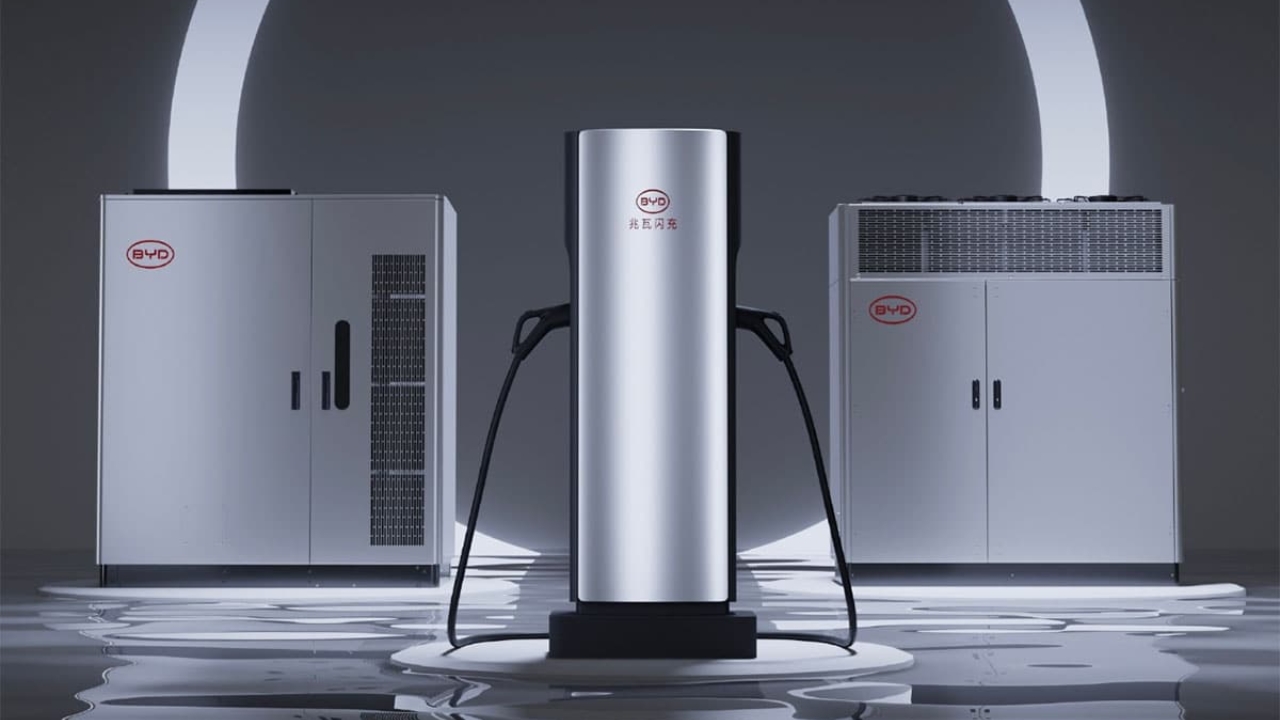
With the Installation of 800 Ultra-Fast 1 MW Chargers, Brazil Prepares to Lead Electric Mobility in Latin America, Reducing Electric Car Charging Time to Just a Few Minutes
The electric revolution in Brazil just gained a new chapter. The Chinese automaker confirmed it will install 800 ultra-fast 1 megawatt (1,000 kW) chargers in the country over the next 12 months. The technology is capable of recharging an electric car in just five minutes, a feat that not long ago seemed impossible.
This measure is part of the brand’s global expansion plan to accelerate automotive electrification in the country, creating a robust and modern infrastructure. With power up to three times greater than the fastest systems currently available, this innovation promises to transform the experience of driving an electric vehicle in Brazil.
A Historic Leap in Electric Charging
With the new chargers, a car can gain up to 400 kilometers of range in just minutes, drastically reducing wait times on trips and for urban use. The secret lies in the engineering: the devices utilize a liquid cooling system, which controls the temperature during intense charging, ensuring safety, stability, and energy efficiency even under maximum load.
-
With a cost per shot close to zero, the DragonFire laser could change naval warfare in 2027 and provide British ships with nearly unlimited defense against drones.

-
A British startup creates tires that generate electricity in electric vehicles when passing over potholes, speed bumps, and cracks.

-
Scientists have created robots made with living cells that have their own nervous system, swim on their own, explore the environment, and self-organize without any genetic engineering, and now they want to do the same with human cells.

-
Students create a solar-powered ambulance that operates without a plug, without fuel, and still keeps medical equipment running in remote areas.
Currently, most public chargers in Brazil have a power of only 7 kW, and the most advanced models reach 350 kW. With the arrival of the new equipment, the leap to 1,000 kW represents an unprecedented advancement in national infrastructure.
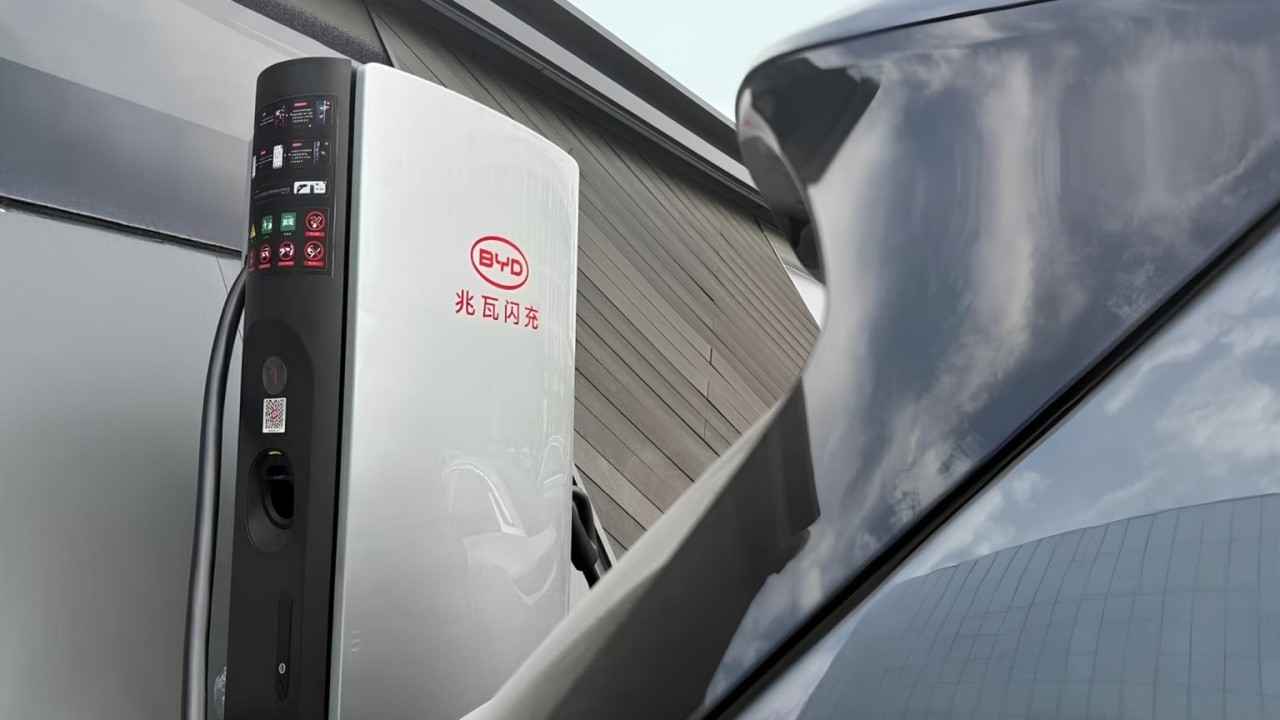
Super e-Platform: The Base of the New Generation
The technology that enables this milestone is the Super e-Platform, a global platform developed to operate with electrical systems of 1,000 volts, double the capacity of conventional vehicles, which range from 400 to 800 V. This architecture allows for twice the speed of energy transfer, making high-power charging a reality.
Models such as the Han and Tan are already compatible with this standard and will be the first to use the new technology in Brazil. The charging time approaches that of refueling combustion cars, something that until recently was seen as a utopia in the automotive sector.
Brazil Joins the Global Electrification Route
According to Stella Li, global vice president of the automaker, the implementation process has already begun in China and will be expanded to Brazil during this cycle. Furthermore, the brand will offer compatible adapters for vehicles already sold in the country, allowing all customers to fully enjoy the infrastructure.
“We have already started installing these chargers in China, and soon Brazil will also be part of this new stage of electric mobility,” said Stella Li.
The arrival of this technology represents one of the greatest advancements in the history of national electric mobility, overcoming the challenge of slow charging and boosting the electric vehicle market.
With this, Brazil prepares to join the select group of countries with ultra-fast charging infrastructure, consolidating its position in the global transition to clean and high-efficiency energy.
A Closer Electric Future
The schedule anticipates that the 800 chargers will be operational within 12 months, marking the beginning of a new era for the automotive sector. The combination of speed, safety, and power promises to attract more consumers to the electric vehicle segment and strengthen the domestic market.
The future of mobility in Brazil is getting closer — and this time, charging an electric car will take less time than having a coffee.










Seja o primeiro a reagir!