





 Portuguese
  English
  Spanish
  3 min of reading
  0 comments


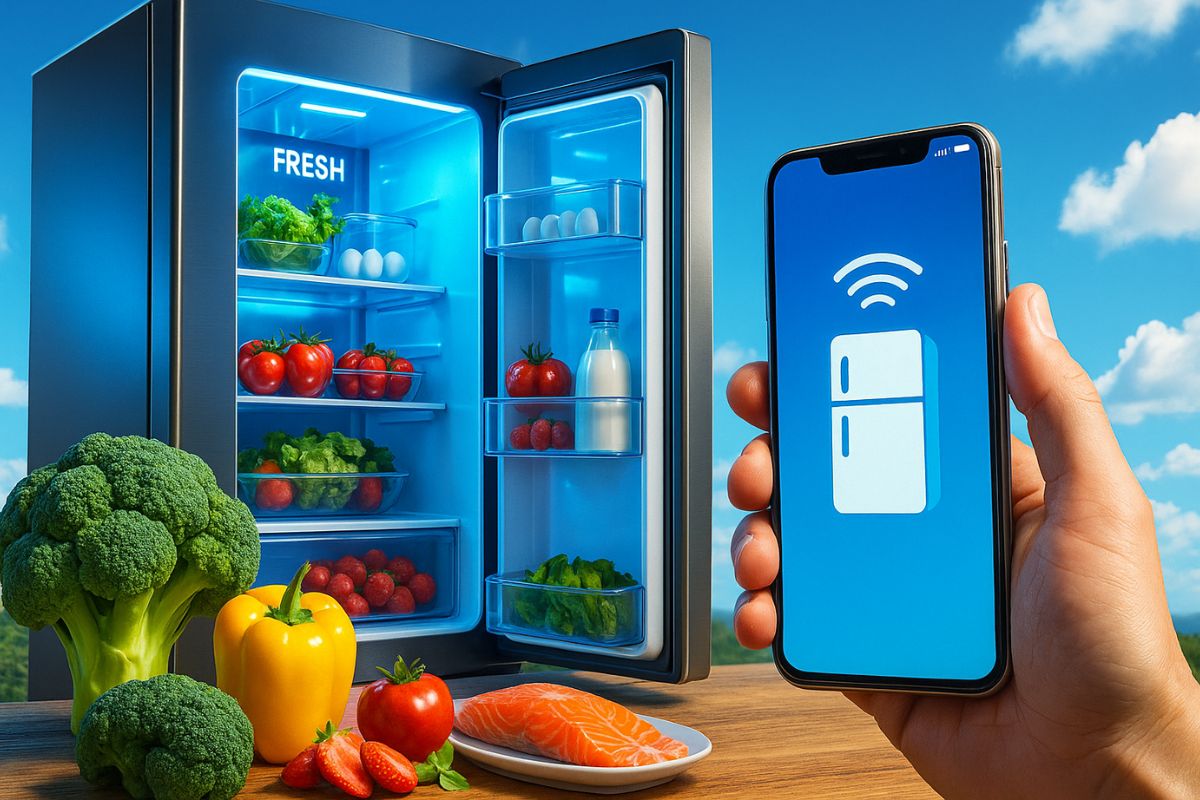
New Trend Promises to Retire Traditional Refrigerators for Good. Smart Refrigerators Arrive in 2025 with Sensors, Connectivity, and Energy Efficiency, Showing How the New Trend Promises to Retire Traditional Refrigerators for Good.
The new trend promises to retire traditional refrigerators for good, bringing appliances that go far beyond the simple function of preserving food into daily life. The so-called smart refrigerators integrate cutting-edge technology, control sensors, and internet connectivity, offering an unprecedented convenience experience for Brazilian households.
According to experts in domestic innovation, the new trend promises to retire traditional refrigerators for good because it combines organization, savings and sustainability in a single device. By monitoring stock, suggesting recipes, and reducing waste, these appliances become true allies of modern everyday life.
How Smart Refrigerators Organize the Kitchen
One of the biggest innovations is the continuous monitoring of internal content, done by cameras and sensors. These features allow users to track in real-time what’s inside the refrigerator, receive alerts about products nearing expiration, and even suggestions for recipes based on available ingredients.
-
Something is happening around the Earth: Inside the huge explosion of fireballs in 2026

-
A hot air bubble coming from Argentina expands over Brazil, causing thermometers to exceed 38 degrees with a thermal sensation of 40 degrees in late March, affecting 6 states at once.

-
The radish leaf that almost everyone throws away has more polyphenols, flavonoids, and fiber than the consumed root, and a 2025 study showed that the leaf contains compounds that protect the intestine, combat inflammation, and may inhibit the growth of cancer cells.

-
A planet that seemed to defy the laws of physics has intrigued scientists for decades, until the James Webb revealed what is really affecting Saturn’s rotation.


In addition, connectivity allows settings to be adjusted via mobile, facilitating everything from temperature control to the creation of automatic shopping lists. This is how the smart refrigerator offers practical and intelligent management of food.
Energy Savings with Advanced Technology
Designed to be sustainable, smart refrigerators have sensors that automatically adjust consumption. The system regulates compressor power, reduces waste, and sends notifications in case of open doors or malfunctions.
Another differentiator is the night energy-saving mode, which decreases energy consumption during low usage periods. This shows that the new trend promises to retire traditional refrigerators for good also due to the positive impact on electricity bills, reducing long-term household costs.
Direct Impact on Food Management
These appliances offer automatic inventory of products, alerting about expiration dates and preventing waste. When an item is running low, the system sends notifications for the user to restock before it runs out. This automation brings more control and helps with household savings.
With this, it is clear that the smart refrigerator not only provides convenience but also greater awareness in using food.
Future Perspectives for the Appliance
Technology experts believe that the next versions will be fully integrated with virtual assistants and smart home systems, enhancing interactivity. Thus, refrigerators could even make automatic orders from partner supermarkets, making daily routines even more convenient.
This advancement reinforces why the smart refrigerator is part of a movement aligned with the demands for efficiency, sustainability, and connectivity that shape modern households.
The arrival of smart refrigerators shows that the new trend promises to retire traditional refrigerators for good, bringing innovation, savings, and convenience to consumers. These appliances establish themselves as protagonists in transforming kitchens, redefining the concept of comfort and functionality.
And what about you, do you believe that smart refrigerators will really replace traditional ones or do you still prefer conventional models? Leave your opinion in the comments — we want to hear the experience of those who have already experienced this change in practice.







Seja o primeiro a reagir!