





 Portuguese
  English
  Spanish
  3 min of reading
  0 comments


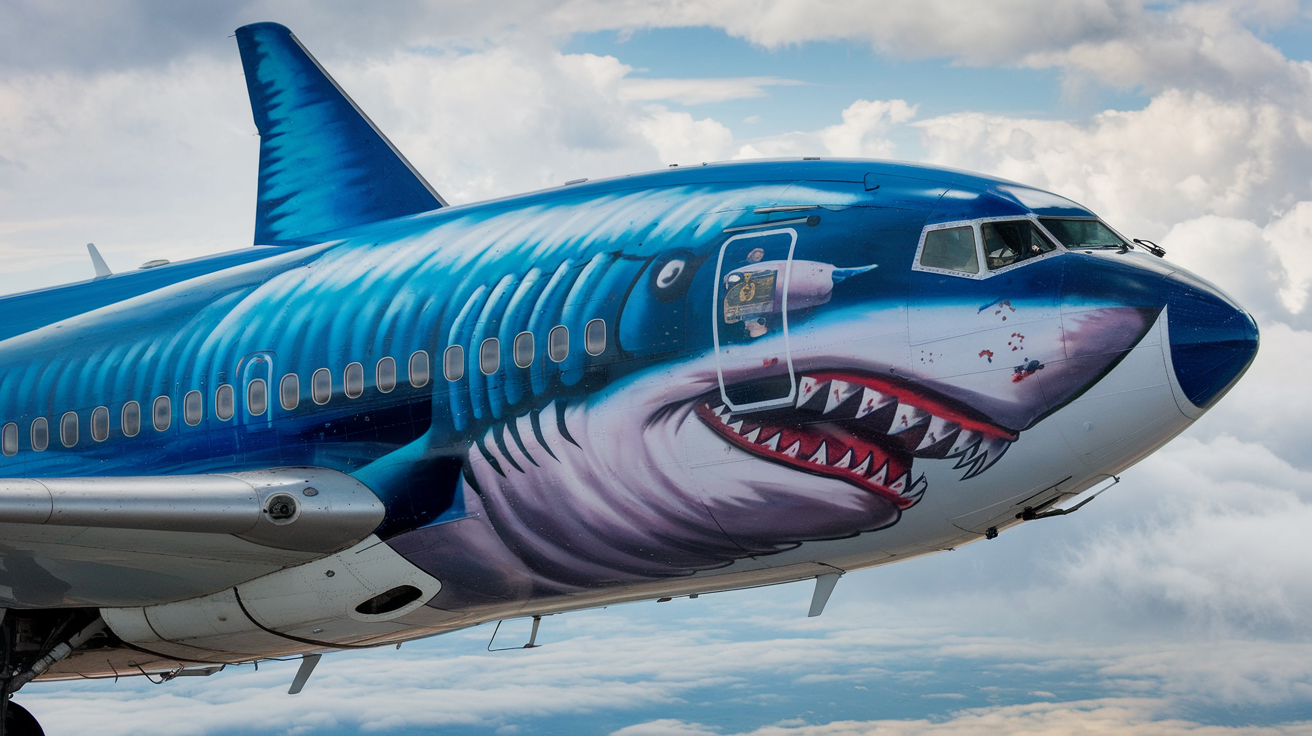
New Shark Skin Paint May Lower Flight Costs. Learn How the New Shark Skin-Inspired Paint Technology Works and Its Impact on the Environment.
Japan Airlines is testing a new technology of shark skin-inspired paint designed to reduce aerodynamic drag and, consequently, fuel consumption of its aircraft. The innovation, based on the microscopic structure of these marine predators’ scales, could make flights more efficient and sustainable. In this article, we will understand how this biomimetic technology can impact air travel costs and revolutionize aviation.
Understand How the New Shark Skin-Inspired Paint for Aviation Works
This new technology, developed in partnership with major companies like Nikon and JAXA, is inspired by the hydrodynamics of sharks. The initial results, where shark skin paint may lower flight costs, are promising, with a significant reduction in air resistance. Sharks achieve high speeds due to their dermal denticles, tiny tooth-like scales.
These small structures generate microvortices that reduce drag, allowing water to flow more easily. The shark skin-inspired paint developed by Japan Airlines replicates these patterns on a nano scale. Applied to 30% of the surface of a Boeing 787-9, the new technology has already shown a 5% reduction in friction resistance during tests.
-
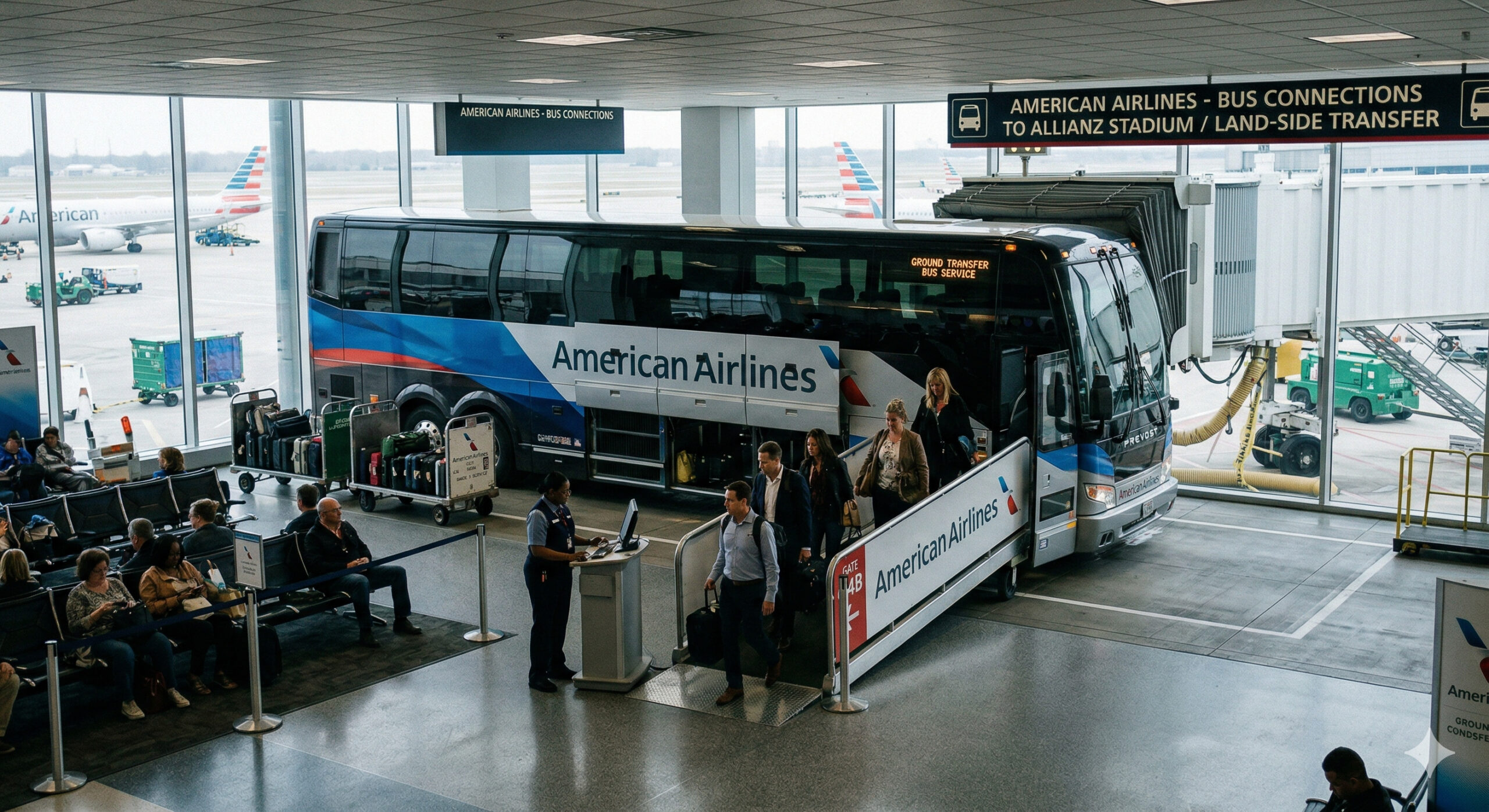
American Airlines starts selling trips as if they were flights, with check-in and baggage check at the airport, but on short routes, passengers board luxury buses connecting cities to major hubs in the U.S.
-
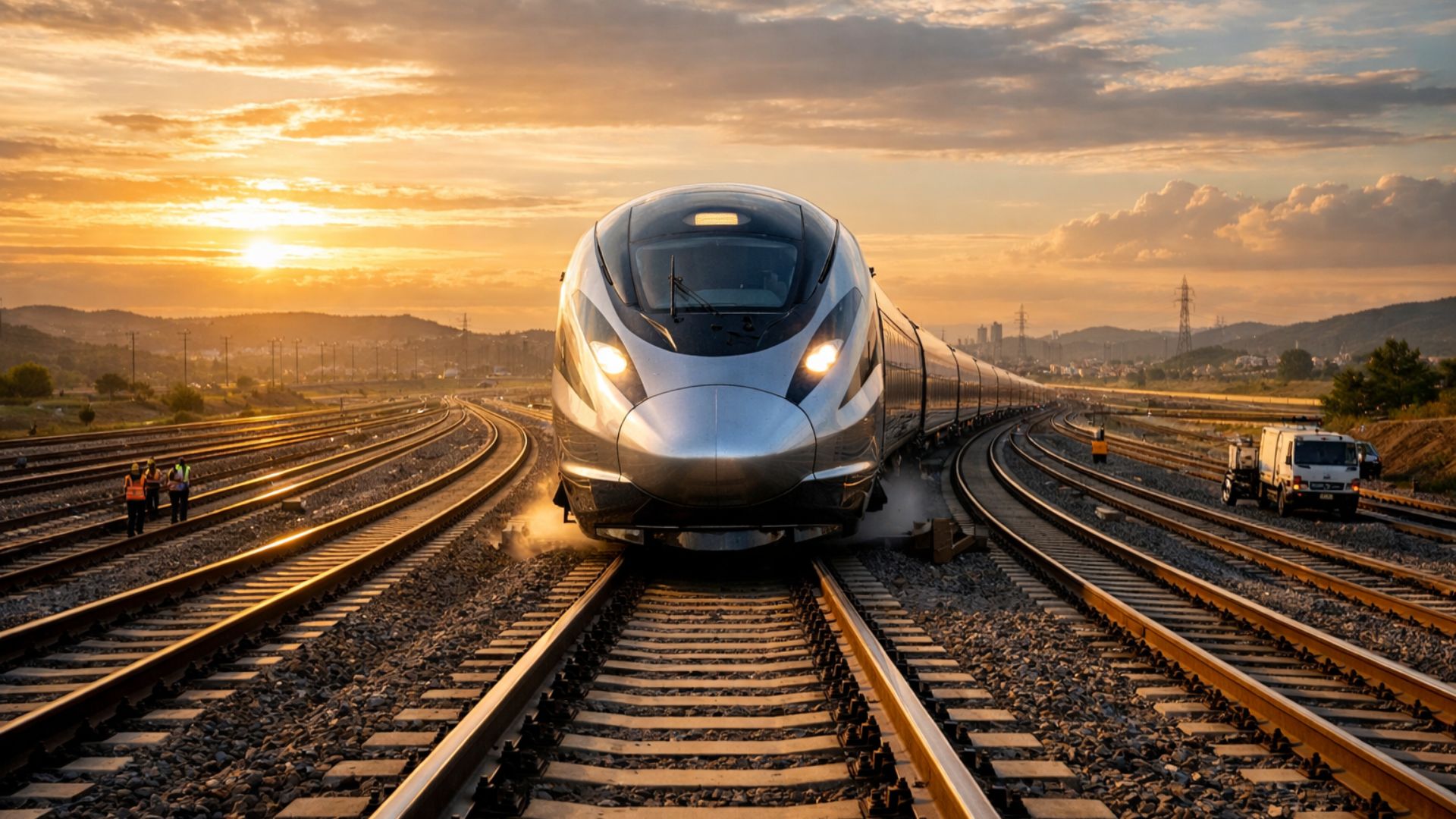
São Paulo surprises the world with a colossal railway network project that promises over 1,000 km of tracks, R$ 194 billion in investments, and 40 projects connecting the capital to the interior with fast and sustainable trains.
-
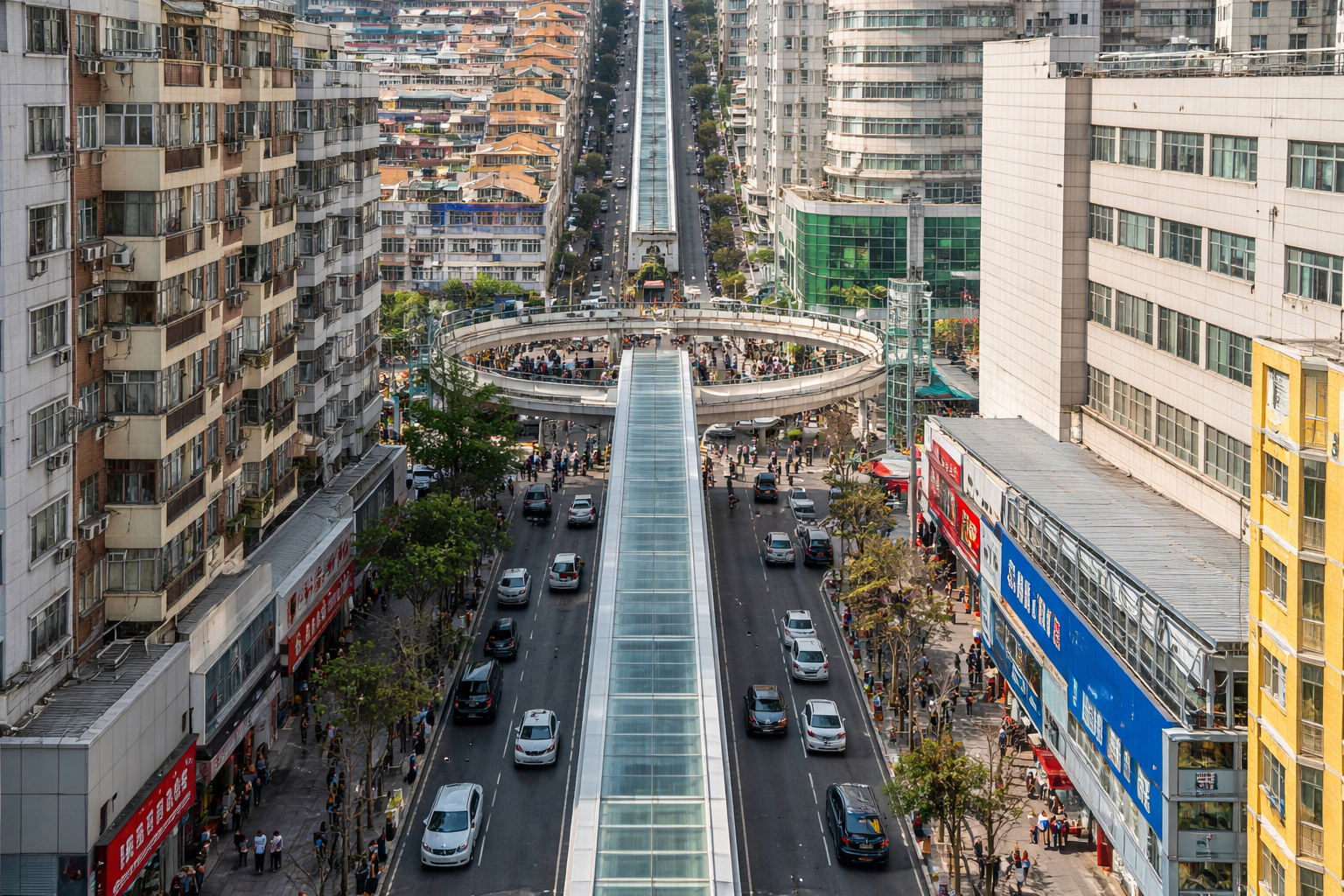
The world’s largest escalator, measuring 905 meters in China, reduces urban travel time from 1 hour to about 20 minutes and transforms mobility in mountainous regions with an engineering solution adapted to the terrain.
-
A R$ 300 million logistics giant is taking shape in Serra with over 100,000 m² and raises a question: how can this transform e-commerce and distribution in the state?
On a long-distance flight such as from Tokyo to Frankfurt, this shark skin paint may lower flight costs, saving 119 tons of fuel per year per aircraft. This equates to a reduction of 381 tons of CO2 emissions annually.
Check How the Application of the New Technology Works in the Aviation Sector
Unlike the “shark skin” films already tested by other companies in the aviation sector, this new shark skin-inspired paint is applied directly to the existing coating. It does not add weight to the aircraft and reduces the risk of peeling during flight.
This unique approach may very well establish itself as a sustainable solution to enhance the energy efficiency of aviation vehicles without requiring significant modifications to propulsion or the structure itself.
It is worth noting that drag is an aerodynamic force that opposes the movement of an object, such as an airplane, in a fluid, like air. This is generated by the resistance to friction and turbulence created by the shape and surface of the moving object.
In the context of aviation, drag is a fundamental factor that influences fuel consumption. The greater the drag, the more energy the aircraft must expend to maintain its speed, increasing CO2 emissions.
To reduce drag, engineers seek ways such as optimizing the shape of aircraft or using special coatings, like this new shark skin-inspired paint. By reducing drag, vehicles become more energy efficient, lowering their environmental impact and improving overall performance.
Other Initiatives to Reduce Aircraft Consumption
In addition to this new technology, aviation has several others. Among them is a system from the European low-cost airline easyJet, in partnership with a company specializing in industrial coatings. The system reduces the amount of paint used to paint aircraft, contributing to a lighter fleet.
The new coating has already been applied to 38 aircraft and will be implemented across the entire fleet by 2030. The new paint reduces the weight of each aircraft by 27 kg.
Although the individual impact per aircraft is small, applying it to the entire fleet could generate an annual savings of approximately 1.3 tons of fuel, equivalent to a reduction of more than four tons of CO2 emissions.








Seja o primeiro a reagir!