





 Português
  Inglês
  Espanhol
  4 min de leitura
  0 comentários


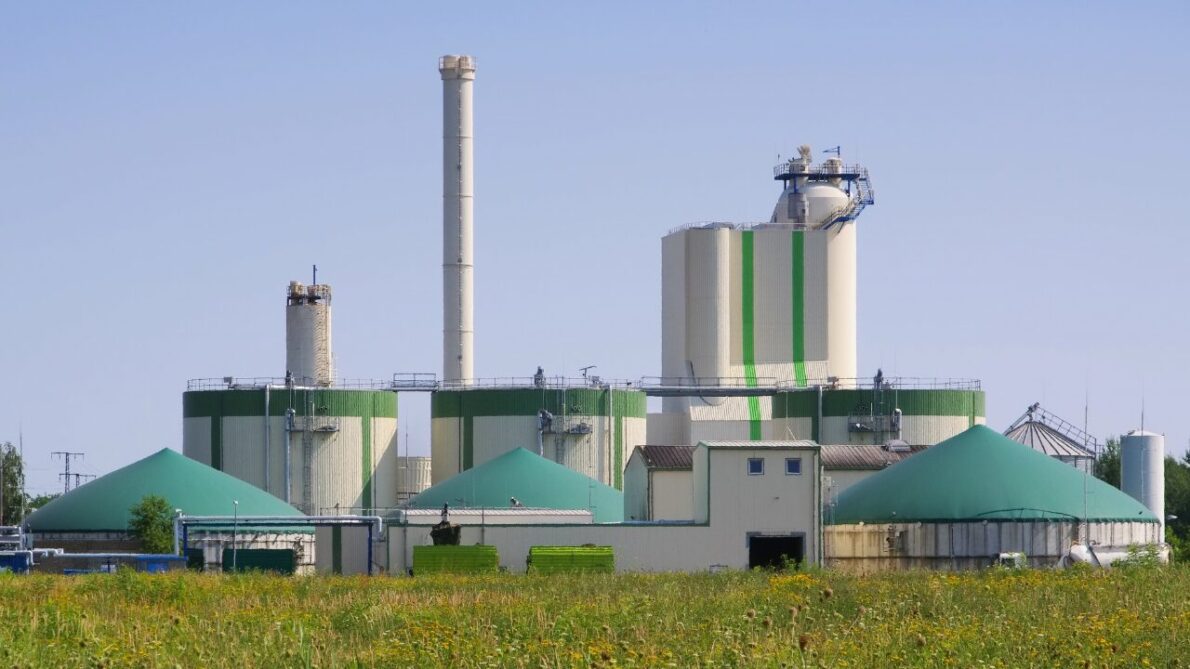
Toledo Becomes A Pioneer With The Investment In The First Rural Sanitation Plant In Brazil, Turning Waste Into Energy And Fertilizers.
The city of Toledo, in Paraná, is about to become a landmark in the sanitation sector by receiving the first rural sanitation plant in Brazil. The initiative is the result of an investment from the German company Mele, which will install a biogas plant capable of turning pig farming waste into energy, biofuel, and fertilizers. This project promises not only to innovate how waste is treated but also to significantly contribute to environmental sustainability in the region.
The Investment Milestone
The groundbreaking for the project was launched on an occasion with the Vice Governor of Paraná, Darci Piana, and the President of the German Federal Council, Manuela Schwesig.
The event took place in Curitiba, with the participation of representatives from Mele and local farmers through a live broadcast.
-
Historic bankruptcy of Centauro shocks the market, and the century-old company puts more than 500,000 products, machines, and complete infrastructure up for online auction.
-
New shoe factory in Ceará is expected to create 400 jobs and strengthen the local economy.
-
No one imagined it, but a mixture of sawdust with a mineral that fights fires surprises scientists with a result that changes the course of fire-resistant construction.
-
From empty land to a high-end house, wooden construction uses a lightweight system, metal structure for the foundation, ventilated ceramic cladding, and special windows to create an efficient and comfortable living space throughout the year.
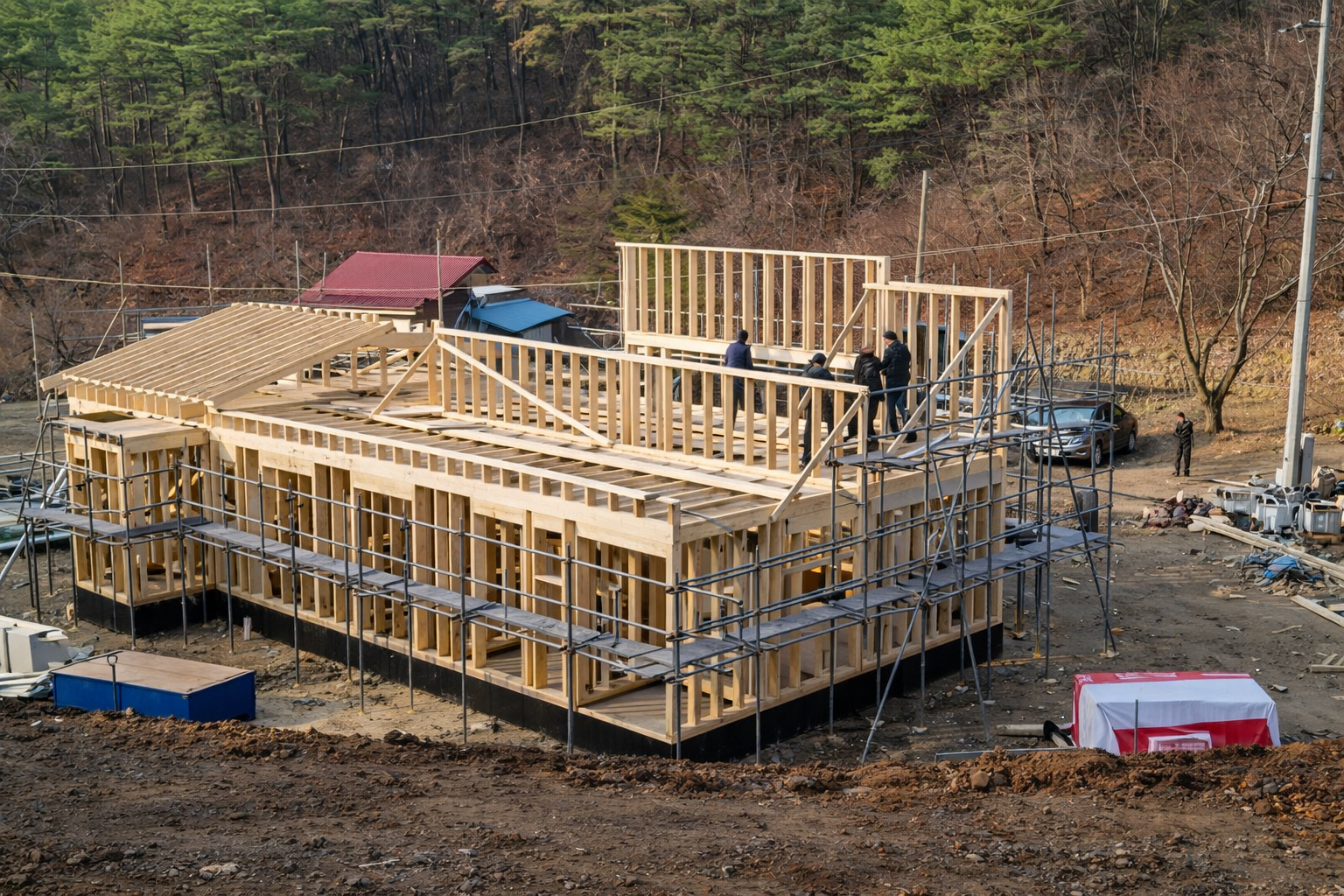

The vice governor highlighted the importance of this investment for Paraná, emphasizing that the project utilizes waste already generated by the strong pig production in the state, which is the second-largest pork producer in Brazil.
Piana pointed out that the new plant will help solve a critical environmental problem while providing new financial resources for producers and improvements in sanitation, allowing them to expand their activities.
“This advancement in the biogas and biomethane sector is crucial for the state’s economic growth,” he concluded.
Environmental And Sustainable Impacts
The biogas plant project in Toledo is projected to receive an initial investment of around R$ 77.5 million.
The resources will come from investors and financing from the World Bank, and the initiative has the support of the United Nations (UN) for its innovative and sustainable approach.
With an area of 43,000 square meters, the plant will serve as a model for future installations in the region, aiming to prevent the emission of approximately 2 million tons of CO₂ per year.
This amount is equivalent to about 2.7% of the total emissions in Paraná.
The Toledo plant alone, the first of 45 planned for Western Paraná by 2031, is expected to prevent the emission of 52,000 tons of CO₂ annually.
To achieve this, Mele has already obtained all the necessary environmental licenses and signed an agreement with Verra, a nonprofit organization that controls carbon credits.
Government Support For Investment And Expansion
The project has the collaboration of several state government institutions, such as the Department of Agriculture and Supply, the Rural Development Institute of Paraná, and the Water and Land Institute.
These institutions are assisting in the approval of regulations and investments through the Renova Paraná and Paraná Competitivo programs.
The state secretary of Agriculture, Natalino Avance de Souza, emphasized the importance of expanding the project.
He highlighted that by effectively treating the waste generated by animal protein production, it is possible to turn an environmental liability into an economic asset, improving sanitation in the region.
The expectation is that this pioneering investment model can be replicated in other regions of the state, promoting a significant advance in agriculture.
The initiative is part of a larger program called Green Fuels Paraná, which aims to align social development of small producers with more sustainable practices. The goal is to treat about 60% of the waste from the pig farming production chain in the state.
A New Era For Agriculture
Pork production in Paraná is significant, with the state being the national runner-up in this segment.
In the first six months of 2024, 6.2 million pigs were slaughtered, representing a growth of 37% compared to the same period in 2019. The total volume of pigs slaughtered in Brazil reached 28.6 million, with Paraná increasing its share from 20% to 22% of the national total.
In Toledo, the sanitation project envisions that the liquid portion of the waste will be transported through gas pipelines to the plant, while the solid portion will be collected and used in the production of biomethane and CO₂.
The sanitation project also plans for the future production of methanol, an essential input in the manufacture of biofuels.
This venture has the potential to reduce Brazil’s dependence on imported methanol, helping to lower biofuel costs.
With the complete implementation of the project, the region is expected to produce the equivalent of 6,000 barrels of oil per day in the form of biofuel.
The rural sanitation plant in Toledo represents a significant advance in waste treatment and sustainable energy production.
With the support of the government and the community, this investment for the new biogas plant not only promises to bring economic benefits but also contribute to a more sustainable future for Brazilian agriculture.









Seja o primeiro a reagir!