





 Portuguese
  English
  Spanish
 3 min of reading
  0 comments


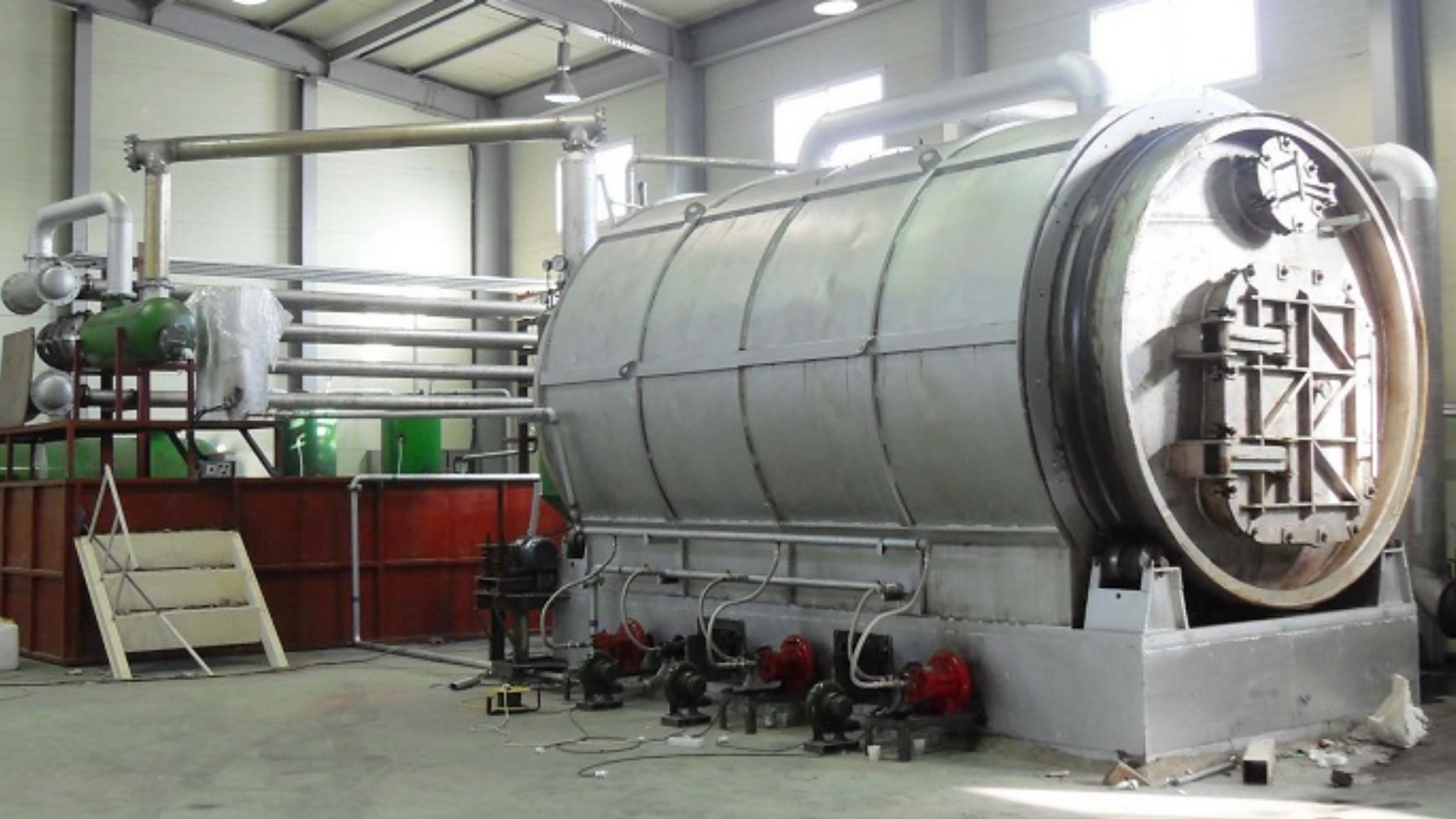
The City of Arapongas, in Paraná, Will Receive a New Urban Waste Processing Plant That Will Transform Waste into Energy
A new urban waste processing plant, through the thermal conversion process of waste by anaerobic pyrolysis, for the production of electric energy will be installed in the city of Arapongas, in the state of Paraná. The investment will be R$ 100 million and the land will be in the municipality, along the PR-444 highway. The capacity of the plant is expected to be 500 tons/day, and it is possible that other cities in the region, if interested, will also participate in the project. Read this news as well: Eneva Plans to Invest Up to R$ 120 Million in the Construction of a New Thermoelectric Plant
- 500 New Jobs Will Be Created with the Installation of Two Enterprises in Rio Grande do Sul
- Shell and Equinor Announced Yesterday (09/13) Billion-Dollar Investments to Support the Offshore and Oil and Gas Industry in Rio de Janeiro
- New Fortress Energy Secures a 15-Year Contract to Supply Natural Gas to the Alunorte Refinery in Pará, Owned by Norwegian Norsk Hydro
- New Distribution Center of Grupo GLP Promises to Generate 8,000 Job Openings in Guarulhos by the End of the Year
- World’s Largest Electric Scooter Factory Plans to Develop 10 Million Vehicles and Claims It Will Hire Only Women and Robots
The Installation of the Plant in Arapongas, Paraná
In a meeting held in Londrina, the mayor of Arapongas and president of the Association of Municipalities of Médio Paranapanema (Amepar), Sérgio Onofre, announced that the bureaucratic stage for the installation of the plant is almost completed. “We already have the environmental licenses and the state government’s approval. Everything is practically ready for the start of the implementation of what will be the first plant of its kind in Paraná,” said the mayor.
The municipal secretary of Industry, Commerce, and Tourism, Nilson Violato, stated that the expectation is for the construction of the plant to begin this year. “The plant is part of our proposal for the Technological Park of Renewable Energy and Emerging Technologies,” emphasized Violato.
-
‘Theory of the Madman’ is the strategy that explains why Trump threatened to end Iran and hours later offered a two-week truce as if nothing had happened.

-
Oil secures a larger drop, exports advance in March, and Brazil ends the month with a surplus of $6.4 billion despite the strong rise in imports.

-
The largest chicken processor is closing factories in series and has already cut thousands of jobs in just a few months in a crisis that reveals the extent of the problems in the meat sector in the USA.

-
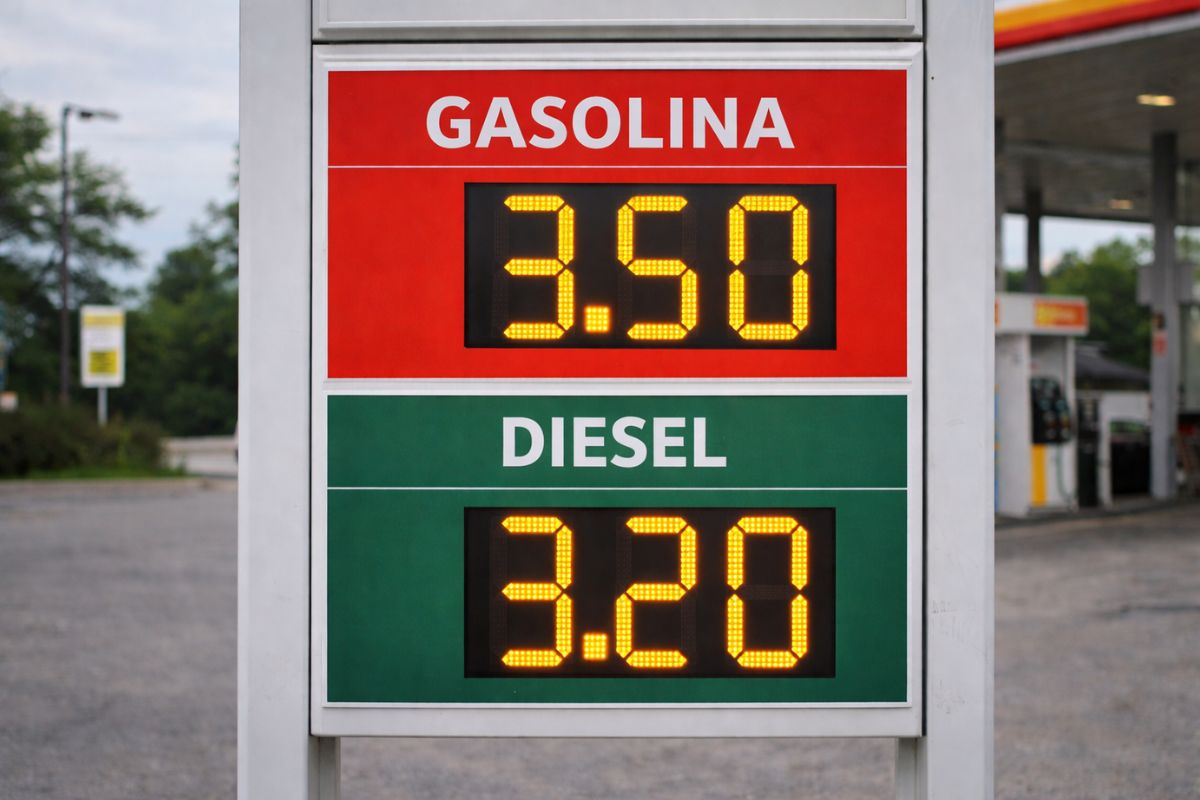
New fuel prices were announced following government intervention, and the price of gasoline surprised those who expected a significant drop in the amount charged at Brazilian gas stations.
The Process of Transforming Waste into Electric Energy
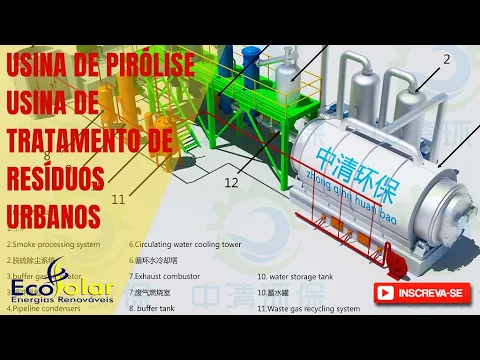
Technically, pyrolysis is the molecular breakdown/recombination by heating in an oxidation-free environment. Among others, this modern technological process ensures the following advantages: patented technology, modular and flexible system (meets various waste processing capacities).
The plant does not generate harmful gases to health and the environment, allows for adapting the project to demand and investment capability – flexibility, easy maintenance, high reliability, helps in the elimination and recovery of dump and landfill areas, and can be adjusted to the specific needs of the client regarding the production of syngas or pyrolytic oil. According to the mayor, the group that will install the plant in the Paraná city is from the state of São Paulo.

Read Also: Copel and Itaipu Plant Launch Pioneering Project That Generates Energy from Biogas in Western Paraná
A project that has generated energy using Biogas for over 15 years in Western Paraná has just taken another essential step in terms of innovation in operation and technology for decentralized energy generation, known as distributed generation (DG). Through an agreement between the Itaipu plant and Copel, which will take effect this week, Granja Colombari, in São Miguel do Iguaçu, will form a microgrid to supply its property and other neighboring units, increasing energy security in the rural area.
With the implementation of the microgrid in Paraná, in the event of a failure in the Copel energy distribution system, the generating unit will automatically isolate itself from the system and can supply energy to the area during the contingency period. A regional islanding operation test was conducted two weeks ago, as a result of three years of hard work, made possible through an intention protocol established between Copel and the Itaipu plant in Paraná.






Seja o primeiro a reagir!