





 Portuguese
  English
  Spanish
  6 min of reading
  0 comments


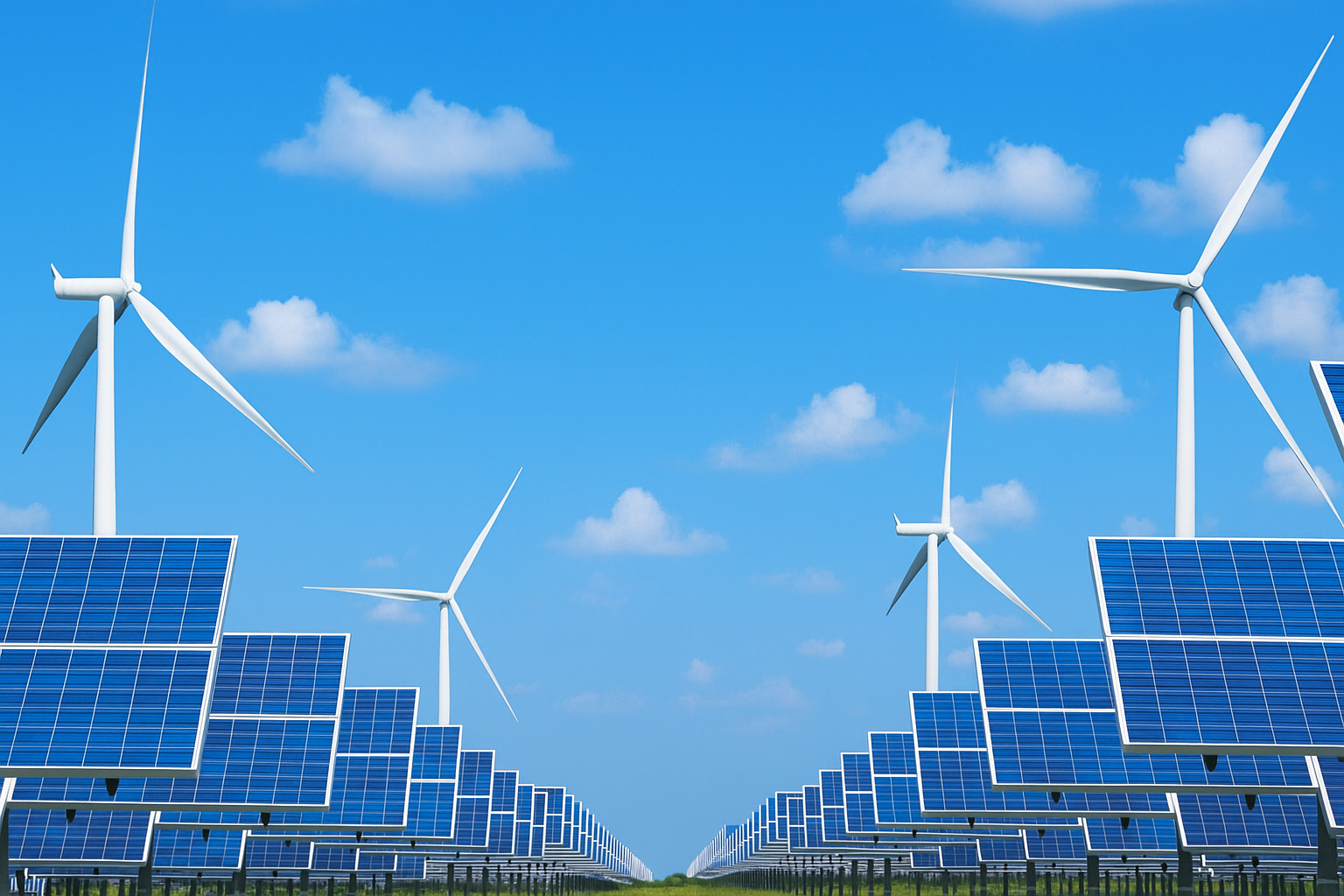
Discover How New Rules from Aneel About Storage Show Why Batteries Excite the Sector and Drive the Modernization of Renewable Energy in Brazil.
A Aneel has created new rules for the use of batteries in energy storage, and this change has sparked great excitement in the Brazilian electric sector.
For many experts, this decision marks a turning point in how the country manages its energy matrix.
After all, by allowing energy generated from renewable sources to be stored and used during peak demand, Brazil takes a firm step towards a more efficient, modern, and sustainable system.
-
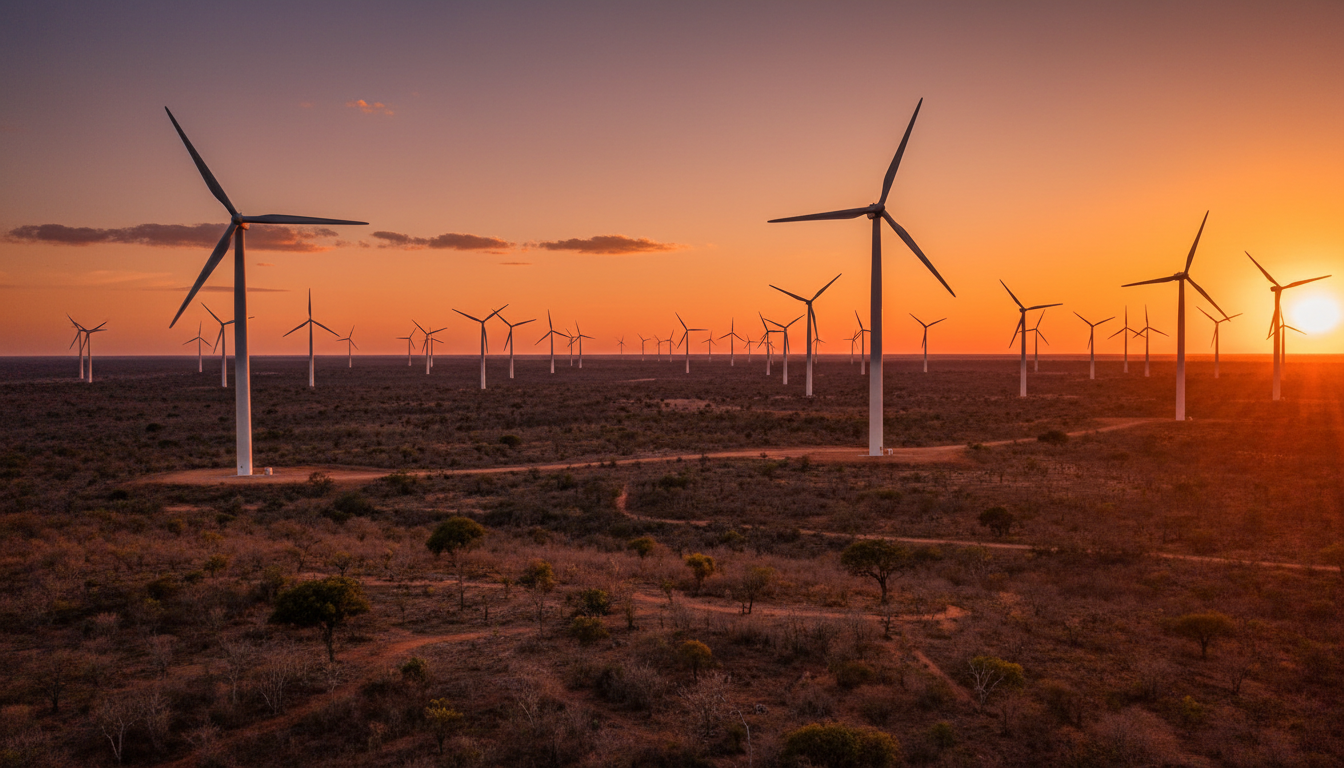
The Brazilian Northeast is receiving the largest wave of investments in clean energy ever seen in the country, with R$ 200 billion in wind and solar, 9,000 km of transmission lines, and a promise that could change the economy of 60 million people.
-
Chinese company creates solar cell that breaks the physical limit of silicon with 34.85% efficiency and promises to revolutionize electricity bills with panels that generate 20% more energy starting in 2026.

-
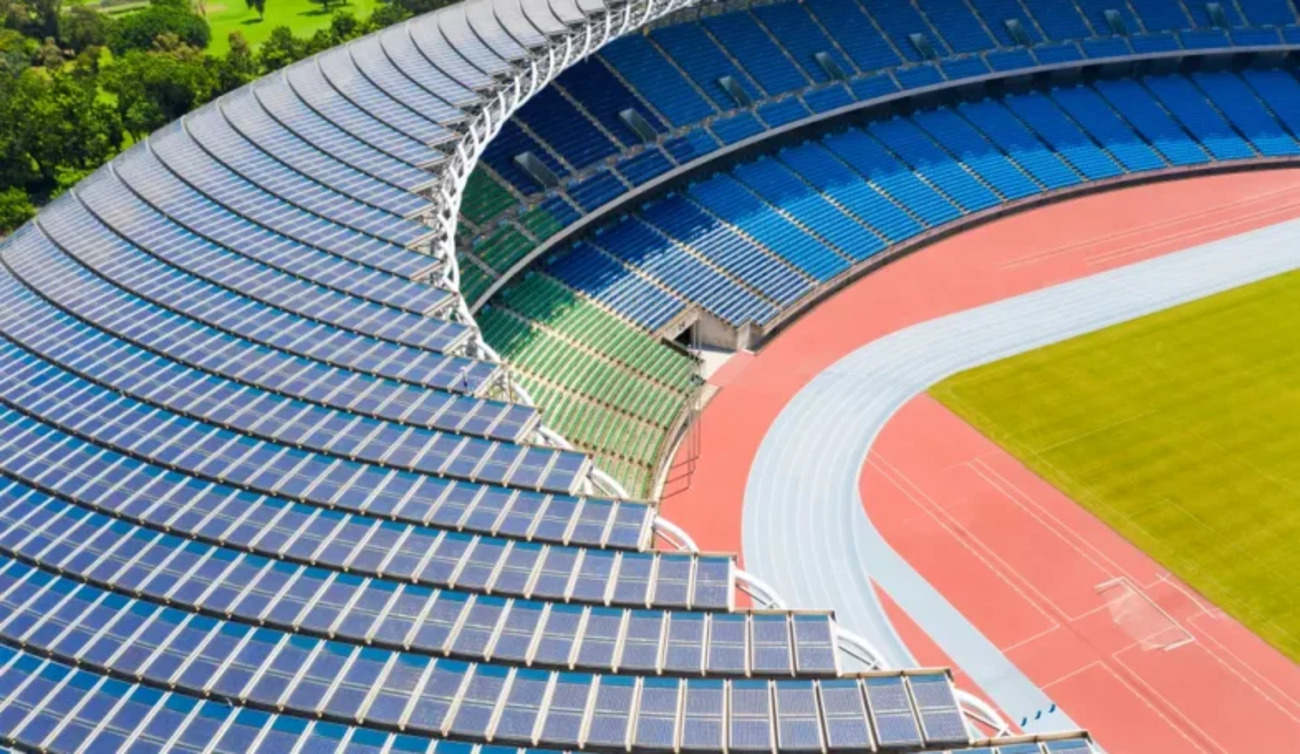
How green infrastructure and renewable energy at the World Cup transform the logistics of the largest sporting event on the planet in North America.
-
The Cagece and UFC project advances in sustainable innovation with biogas by converting waste into renewable energy, reducing environmental impacts, and increasing sanitation efficiency with concrete and measurable results.
In recent years, the country has faced challenges in balancing the expansion of renewable energies, such as solar and wind, with the stability of the electric system.
The advancement of these sources, while positive, has brought a recurring problem: excess generation at certain times and the lack of transmission infrastructure to carry all that energy.
This imbalance has caused significant losses, known as generation cuts or curtailment, which reduce the revenue of companies and compromise the return on investments.
In this scenario, the new rules from Aneel emerge as a concrete response. They allow wind and solar plants to adopt battery storage systems, storing electricity produced during low-demand periods — such as overnight — and releasing it during peak times, when consumption is higher.
Thus, the use of batteries brings balance, efficiency, and innovation to the Brazilian electric sector.
Historical Context and Challenges of the Electric Sector
For decades, the Brazilian electric sector relied on large hydroelectric plants that ensured stability and expansion.
However, as the country diversified its matrix with clean and decentralized sources, new challenges emerged.
The wind and solar plants depend on wind and sun, which generates natural variations in production.
Thus, battery storage emerges as an intelligent solution to balance supply and demand, avoiding waste and strengthening energy security.
According to Marcelo Cabral, director of ABEEólica, “batteries excite the sector because they symbolize modernization and security in the Brazilian electric system”.
He highlights that the Aneel regulation offers generators greater predictability and reduces the impacts of generation cuts, especially in the Northeast, where there is a large concentration of wind plants.
Additionally, Rafael Moura, Storage Coordinator at ABSolar, also sees the new rules as a positive and strategic signal.
He explains that storage helps reduce the losses caused by generation cuts.
When there is excess production and a lack of infrastructure to carry the energy, batteries allow for the storage of the surplus for later use.
Consequently, the system operates more efficiently, and companies make better use of the generated energy.
This transformation is both cultural and technological.
In the past, electricity was seen as something that should flow uninterruptedly, with no possibility of large-scale storage.
Today, with battery technology, the surplus energy becomes a competitive advantage and resilience for the electric system.
Thus, what was once waste becomes an opportunity.
Pilot Projects and Opportunities for Innovation
Aneel has initiated pilot projects for energy storage to evaluate the benefits of using batteries in different generation and consumption contexts.
Although the country is still at the beginning of this journey, the regulatory movement provides a solid foundation for the future.
Therefore, experts believe that, with the maturation of the rules, Brazil will attract investments and innovation, making the electric sector more competitive and sustainable.
Besides the tests conducted by Aneel, companies and universities have joined forces to develop national storage technologies.
This integration between research and industry reduces dependence on imports and stimulates the formation of local technical knowledge.
Thus, the country can adapt batteries to its climatic and geographic reality, consolidating its own promising market.
The economic impacts of this transition are already appearing.
The consultancy Volts Robotics estimates that, between January and September 2024, generation cuts caused R$ 4.2 billion in financial losses.
In September, energy waste reached almost half of the annual physical guarantee of the Belo Monte Hydroelectric Plant, in Pará.
These numbers show the cost of the absence of storage.
With batteries, the sector can avoid billion-dollar losses, strengthening companies and reducing costs for consumers in the long run.
Moreover, storage broadens opportunities for more flexible business models, such as energy on demand.
In this format, consumers and companies manage their spending and reduce dependence on variable tariffs.
As a result, the market becomes more transparent, decentralized, and efficient.
Sustainability and Empowerment of National Industry
The large-scale adoption of batteries brings a positive environmental effect.
The country reduces waste and uses clean energy more rationally, reinforcing the commitment to the decarbonization of the energy matrix.
Storage decreases the need to activate thermoelectric plants powered by fossil fuels during peak demand.
This reduces emissions and improves the environmental performance of the electric system.
Besides the environmental gains, batteries open new sources of revenue.
With them, companies can offer services to the electric system, such as frequency control and voltage support, which are essential for the stability of the grid.
This diversification of revenues expands business opportunities and stimulates investments in innovation.
The growth of this market also boosts the national equipment and technology industry.
The demand for storage solutions creates room for the production of components, management software, and intelligent control systems.
In this way, this productive chain strengthens the industrial sector and generates qualified jobs in strategic areas.
With the advancement of batteries, the country can create local energy communities, where neighborhoods or small towns produce and store their own energy.
This model, common in European countries, increases energy autonomy and reduces transmission losses.
Consequently, Brazil can apply this idea in isolated regions, decreasing the use of diesel generators and expanding access to clean energy.
Brazil in Tune with the Global Scenario
On the international scene, Aneel’s initiative places Brazil in tune with the world’s major economies.
Countries such as the United States, Germany, and China have been investing in storage systems for over a decade.
All have recognized that integrating batteries and renewable sources is essential to ensure energy security and reduce emissions.
Thus, Brazil demonstrates regulatory maturity and commitment to a model of sustainable and competitive growth.
In several Asian regions, battery storage is part of critical infrastructure.
During heat waves or supply crises, these systems ensure stability and prevent blackouts.
The same can happen in Brazil, which has a diverse matrix but is sensitive to climatic variations.
Therefore, the new rules from Aneel for batteries excite the sector not only for their technical impact, but also for their symbolism.
The country shows that it seeks to innovate without sacrificing environmental responsibility.
Batteries represent the link between renewable generation and an intelligent and resilient electric system.
With the maturation of the regulation, companies are expected to adopt this technology more and more.
The storage of energy will become an essential part of Brazilian electricity generation.
Thus, the country can take full advantage of its renewable sources, ensuring that every megawatt generated by wind and sun is used efficiently, safely, and sustainably.
In summary, the new rules from Aneel pave the way for a new cycle of innovation, security, and prosperity in the Brazilian electric sector.
The sector’s enthusiasm shows that the future of energy in Brazil will be renewable, intelligent, and connected to the transformations of the modern world.







Seja o primeiro a reagir!