





 Portuguese
  English
  Spanish
  5 min of reading
  1 comment


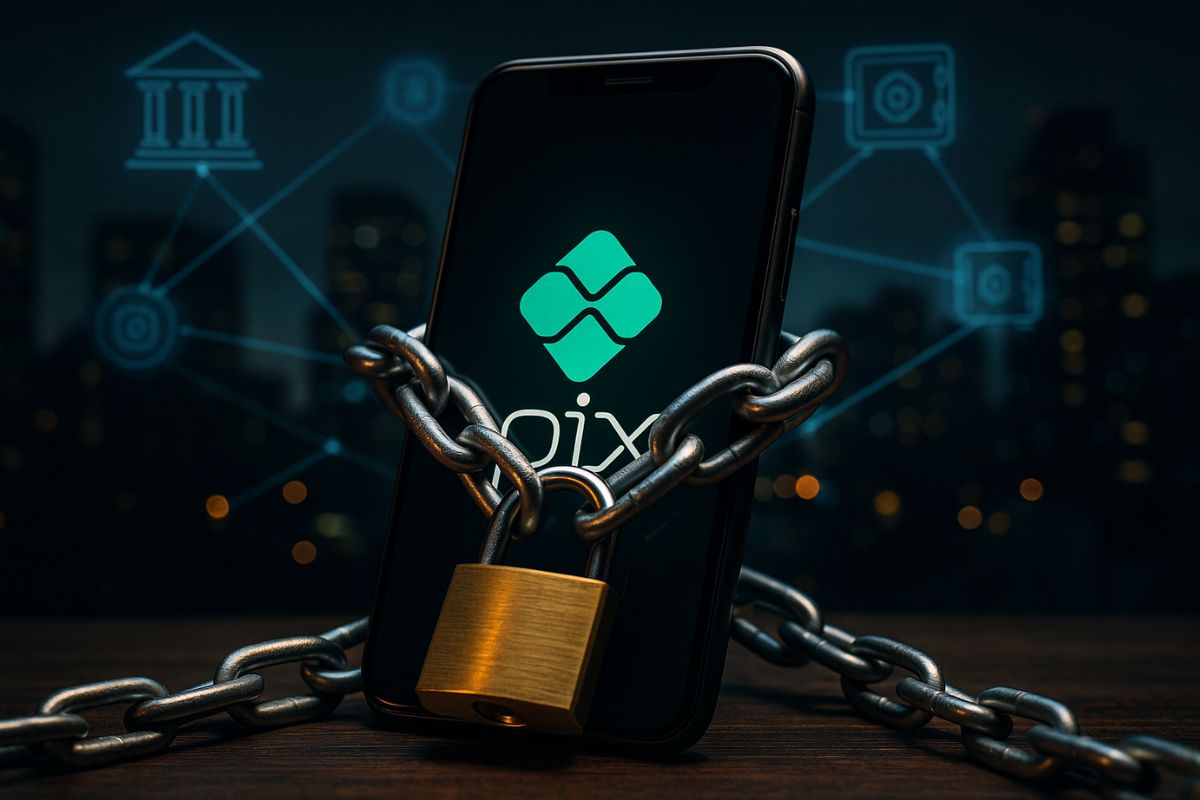


While The New Pix Rules Promise To Speed Up The Refund Of Scam Funds, Experts Warn Of Chain Blockages That Can Affect Honest Users
According to industry reports and explanations made public in interviews and TV reports, the new Pix rules are set to expand the reach of blockages when a victim reports fraud, allowing for the tracking and freezing of all accounts through which the money passed. The promise is to expedite reimbursement, but there are growing fears that innocent individuals may face freezes and losses if they cannot quickly prove the legitimacy of the transaction.
In practice, the new Pix rules create a mechanism that, after a dispute is raised, freezes the account of the suspect as well as subsequent accounts through which the money circulated. The declared goal is to refund the money to the victim within a few days, but merchants, service providers, and those who trade used items fear preventive blockages even in legitimate sales — a scenario where proving good faith can be difficult.
What Changes In The New Pix Rules
The core of the new Pix rules is the chain blockage: once fraud is reported, the payer’s institution notifies the ecosystem and the funds are frozen not only in the account of the alleged scammer but also in the accounts to which the money was transferred.
-
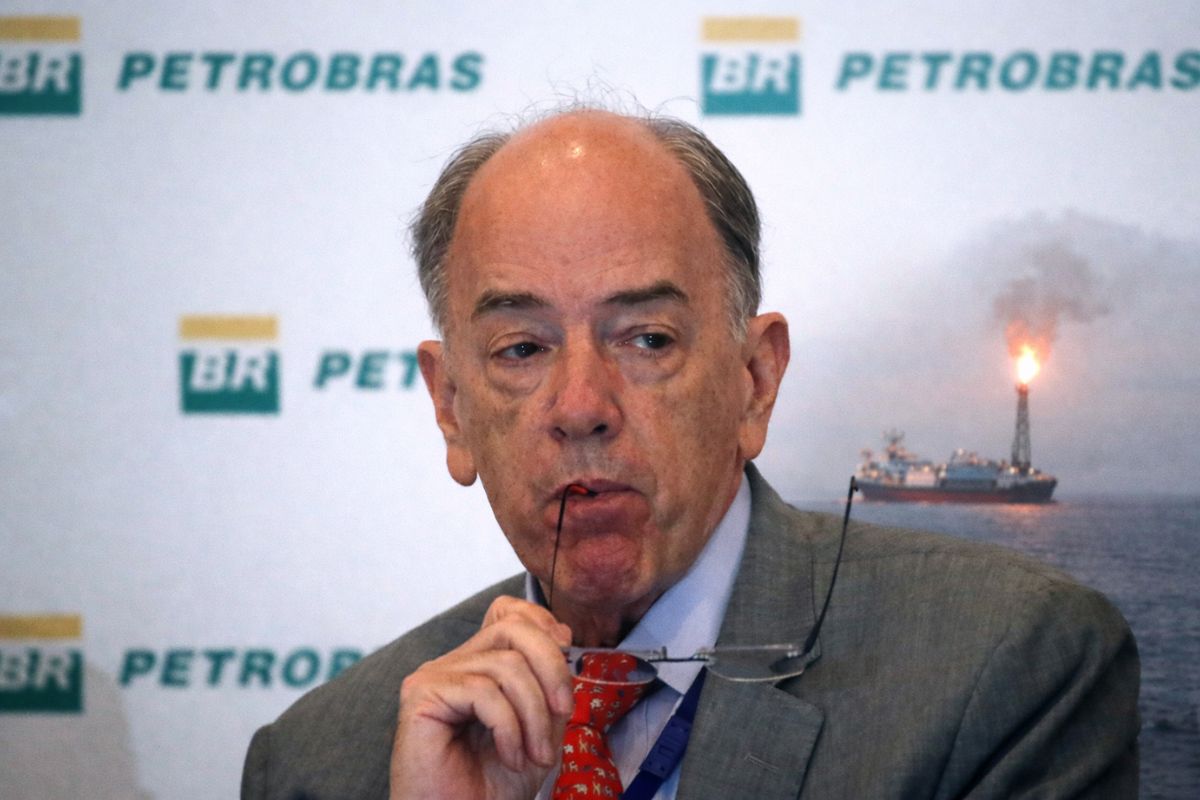
The former CEO of Petrobras got straight to the point: Brazil has a lot of oil but depends on imports for gasoline and diesel because Brazilian refineries were designed to process a type of oil that the country hardly produces anymore.
-
The Mar Sem Lixo program has already removed 133 tons of waste from the São Paulo coastline and pays more than R$ 1 million to fishermen.

-
With over 1 million bottles per year and 1.2 million vines, winter wines are advancing and gaining a strategic laboratory worth R$ 3.4 million in the Midwest.

-
Elderly individuals aged 65 or older who have never contributed to the INSS can receive R$ 1,621 per month in 2026 without having paid any contributions in their lifetime: learn how the benefit works that already supports nearly 7 million Brazilians.


The idea is to tighten the noose on swindlers, who currently transfer amounts in seconds to “pass-through accounts”.
In addition to the expanded blockage, banks must provide a dispute button directly in the Pix area to expedite the start of the procedure.
There is mention of an optional phase starting on November 23 and mandatory implementation beginning February 2, with tests and pilots already taking place in October and November.
Theoretically, the timeline for completing the refund is about days, but the user may have funds frozen during this period, which raises alarms for those who rely on cash flow.
Who Can Be Blocked (And Why)
Any link in the chain can face preventive blockage if the disputed amount has passed through their account — even if you do not know the victim or the perpetrator of the scam.
This includes merchants, freelancers, housekeepers, micro-entrepreneurs, sellers of used items, and small businesses that receive payments via Pix.
The rationale is to preserve the money for future reimbursement while the institution investigates.
The risk is obvious: those who sold in good faith (e.g., a used cellphone, a cleaning service, a commissioned job) may have their account frozen without being involved in the fraud.
Without robust proof, the reversal process can take time — and the cash loss is immediate.
How Long Do Blockages Last And How To Prove Good Faith
According to the disclosed design, the blockage is immediate after the dispute and can last until a decision is made regarding the refund. Each case will depend on document analysis, which makes proof organization a decisive factor.
Invoices, receipts, contracts, conversations with the client, screenshots of ads, and delivery confirmations can shift the practical burden and speed up the release.
Without minimum documentation, the risk increases. In informal transactions (e.g., sales between individuals), formalize the basics: description of the product/service, price, date, name and CPF of the parties, and proofs of delivery/execution.
The more legitimate traces, the greater the chance of quick release if your Pix transaction enters the “path” of someone else’s scam.
Where The New Pix Rules Will Have The Most Impact
The used goods market and informal services are expected to feel the impact first: transactions between strangers, without invoices and delivery protocols, are easy targets for disputes.
High turnover businesses (bars, small markets, delivery services) may also experience cash freezes if they receive amounts tainted by a trail of fraud.
In contrast, environments with invoice issuance, logistical proof, and clear chargeback rules tend to reduce exposure.
Marketplaces that mediate payment and verification may act as a “buffer”, even if they charge fees.
Why The Central Bank Bets On Chain Blockage
The central argument is to break the speed of crime. Fraudsters drain accounts in minutes, spreading funds across multiple “mule accounts”.
The new Pix rules attempt to close this window by turning each pass-through account into a retention point.
Theoretically, this increases the recovery rate and dissuades gangs that use Pix as a “conveyor belt” for money laundering.
The counterpoint: the system may err on the side of caution, freezing lawful funds until proven otherwise.
Without clear parameters and safeguards, the perception of legal insecurity for the common user increases — especially for those who do not have the resources to litigate or document.
Is It Worth Changing Payment Habits?
For those who live from service provision or buying and selling used items, yes. Three practical moves can reduce risk under the new Pix rules:
Formalize: generate invoice/receipt, detail product/service, CPF/CNPJ of the parties, and cancellation policy.
Prove delivery/execution: photos, videos, delivery/collection protocol, digital signature, or confirmation by message.
Diversify means: consider intermediation through marketplaces, credit card (with proof), TED for large tickets, or deposit + balance on delivery.
For sales between individuals, arrange for a public place, document conversations and agreements, and keep proof of delivery (e.g., photo of the buyer with the item and timestamp).
How To Protect Yourself: Objective Checklist


Before Receiving
- Confirm payer details (name/CPF/CNPJ must match the agreement).
- Send a written proposal (description, amount, date, return policy).
At The Time
- Avoid Pix from third parties not involved in the purchase.
- Document the delivery (photo/video, signature, pickup code).
Afterwards
- Keep everything for 6–12 months: Pix proof, conversations, receipt/invoice, delivery evidence.
- Monitor bank alerts and respond immediately to any disputes.
The new Pix rules may increase the recovery of funds and disorganize fraud networks, but they bring a concrete risk of blockages for innocent people — especially in informal transactions.
Those who document survive: in an environment of preventive blockages, proof is liquidity.
Do you agree with the chain blockage of Pix? Have you ever had funds frozen due to a third-party dispute? Will the rule increase security or punish those who work honestly? Share your experience — real reports help other readers protect themselves.








Er gebeurd niets je krijgt geen geld terug zoals de centrale bank belooft
Nada acontece, você não recebe nenhum dinheiro de volta, como o banco central promete
Pix
Enviada
Nome: VISAO DIGITAL SERVICOS LTDA
Pagamento com: QRCode Dinâmico
Valor
R$ 249,00
Data do débito
22/08/2025
Status: Recusada pela instituição recebedora
Passo 1 de 4 completo
Contestação aberta
24/08/2025 12:13:12
Passo 2 de 4 completo
Análise Bradesco concluída
24/08/2025 12:13:31
Passo 3 de 4 completo
Em análise pela instituição recebedora
24/08/2025 12:13:31
Passo 4 de 4 erro
Recusada pela instituição recebedora
27/08/2025 10:04:16
Entenda o que aconteceu
Pix
Enviada
Nome: VISAO DIGITAL SERVICOS LTDA
Pagamento com: QRCode Dinâmico
Valor
R$ 1.250,00
Data do débito
22/08/2025
Status: Recusada pela instituição recebedora
Passo 1 de 4 completo
Contestação aberta
24/08/2025 12:12:02
Passo 2 de 4 completo
Análise Bradesco concluída
24/08/2025 12:12:21
Passo 3 de 4 completo
Em análise pela instituição recebedora
24/08/2025 12:12:21
Passo 4 de 4 erro
Recusada pela instituição recebedora
31/08/2025 10:00:16
Entenda o que aconteceu
Pix
Enviada
Nome: VISAO DIGITAL SERVICOS LTDA
Pagamento com: QRCode Dinâmico
Valor
R$ 1.499,00
Data do débito
22/08/2025
Status: Recusada pela instituição recebedora
Passo 1 de 4 completo
Contestação aberta
24/08/2025 12:10:05
Passo 2 de 4 completo
Análise Bradesco concluída
24/08/2025 12:10:30
Passo 3 de 4 completo
Em análise pela instituição recebedora
24/08/2025 12:10:30
Passo 4 de 4 erro
Recusada pela instituição recebedora
29/08/2025 12:52:00
Entenda o que aconteceu