





 Portuguese
  English
  Spanish
  4 min of reading
  2 comments


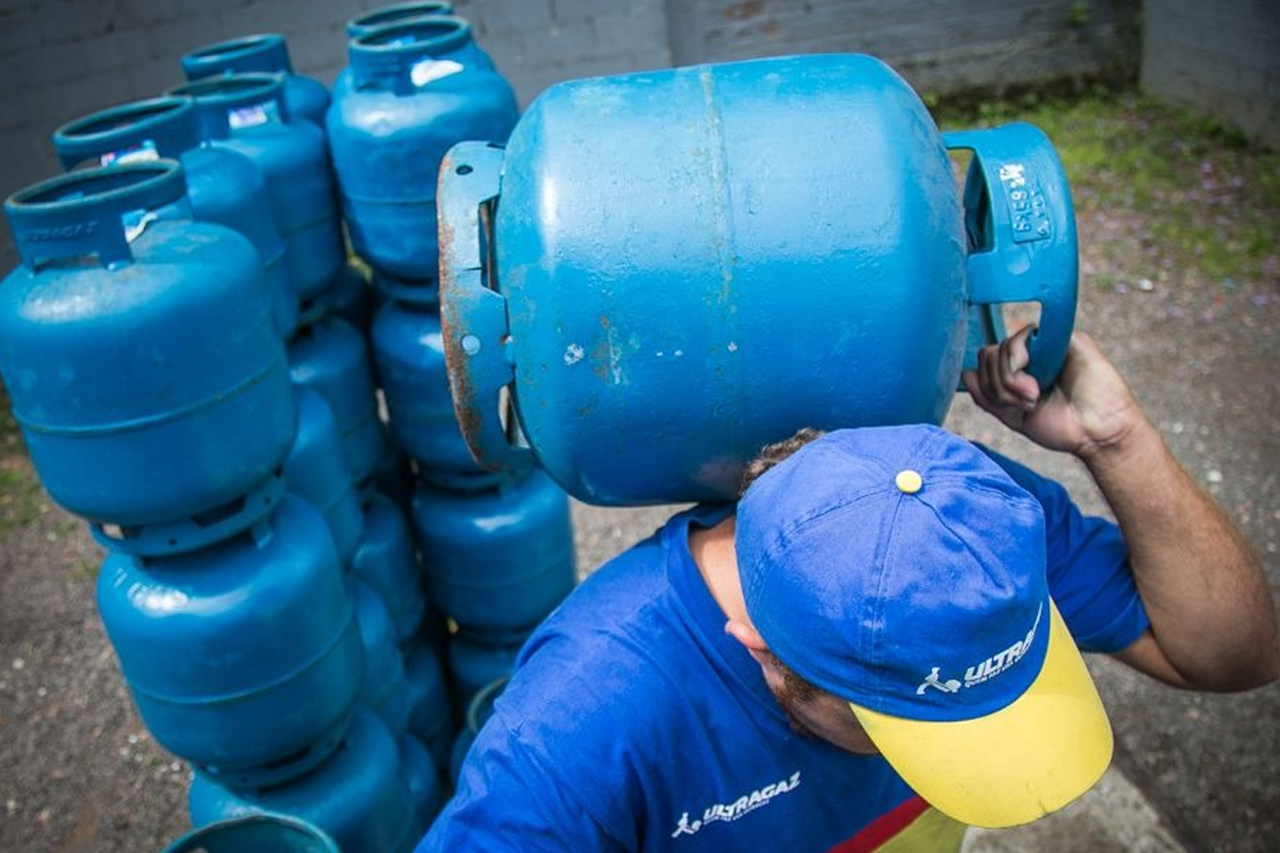


ANP Evaluates Changes in the LPG Market, Such as Fractional Sales and Brand Switching in Cylinders. A Survey by the Locomotiva Institute Indicates That More Than 80% of Brazilians Are Against It, with Safety as the Top Priority.
The National Agency of Petroleum, Natural Gas and Biofuels is studying adjustments to the regulatory framework of LPG focusing on increasing access and reducing barriers, while maintaining adequate safety. In July, the ANP approved the Regulatory Impact Analysis Report that underpins the preparation of a draft resolution. This draft will still go through public consultation and public hearing before any final decision. For now, nothing changes for the household gas consumer.
Among the hypotheses under consideration are the fractional sale of cooking gas and the possibility of filling cylinders with different brands. The stated objective is to stimulate efficiency and competition, without compromising safety criteria and effective oversight.
It is important to emphasize that these ideas are in the preliminary regulatory phase. In other words, they can only take effect if incorporated into the final text of the resolution after the social participation stage. Consumers should monitor the public consultation to provide feedback when it opens on this specific topic.
-
Larger than entire cities in Brazil: BYD is building a 4.6 km² complex in Bahia with a capacity for 600,000 vehicles per year, but the discovery of 163 workers in conditions analogous to slavery has shaken the entire project.

-
With an investment of R$ 612 million, a capacity to process 1.2 million liters of milk per day, Piracanjuba inaugurates a mega cheese factory that increases national production, reduces dependence on imports, and repositions Brazil on the global dairy map.

-
Brazilian city gains industrial hub for 85 companies that is equivalent to 55 football fields.

-
Peugeot and Citroën factory in Argentina cuts production by half and opens a layoff program for more than 2,000 employees after Brazil drastically reduced purchases of Argentine vehicles.


What the Locomotiva Institute Survey Says
A survey conducted by the Locomotiva Institute indicates that the population sees risks in the proposed changes. For 92% of respondents, the partial recharging of the cylinder would increase the risk of leakage. Additionally, 83% oppose the idea of filling the container with gas from another brand.
The survey interviewed 1,500 Brazilians from all regions between June 5 and June 9, 2025, with a margin of error of 2.5 percentage points. For 97%, the brand printed on the cylinder should be responsible for ensuring the quality of the gas. Safety comes before price in the buying decision, according to the study.
The results reinforce the perception that the current model of a full, sealed cylinder with an apparent brand is a practical element of trust for families, as it makes it easy to identify who is responsible for the product in case of an issue. “Safety First” summarizes the sentiment captured in the sample.
Safety vs. Price: The Possible Impacts for the Consumer
The main concern of the population is leaks, adulteration, and difficulties in oversight if the cylinder is not sold full and sealed. From the consumer’s perspective, the switching of brands during filling could create confusion about responsibility and lead to lower quality products.
On the other hand, the ANP notes that studies with large distributors indicate that fractional sales, if accompanied by strict technical protocols and traceability, would not increase the risk compared to the current model. This is a technical evaluation still under discussion and depends on regulatory design, oversight, and traceability of the container to operate safely.
In terms of price, there is no guarantee of reduction. The final effect depends on the text of the eventual resolution, the cost of company adaptation, and how oversight will be implemented. Any promise of cheaper cylinders is uncertain at this moment.
Oversight and Responsibility: How Will the Cylinder Chain Be Affected
Today, the brand embossed in relief on the cylinder facilitates responsibility and oversight. The consumer knows who filled it and who is responsible. Therefore, the responsibility of the brand is seen as a pillar of safety by most respondents.
If the country moves towards a model with filling by different brands or partial recharging, the technical discussion involves creating mechanisms for traceability and quality control that preserve safety and clear attribution of responsibilities. The design of these mechanisms is exactly what will be analyzed in the public consultation phase.
For consumers, the practical message is straightforward: continue purchasing from authorized resellers, demand intact seals, check for signs of leakage, and request invoices. These are simple measures that help maintain safety standards in cooking gas.
Next Steps and What You Can Do
The topic will follow the regulatory process: drafting the draft resolution, public consultation to receive contributions from society, followed by a public hearing and publication of the final text if there is technical and regulatory consensus. Until then, the current rule applies.
Those who use LPG in their daily lives can prepare to participate. When the specific consultation on fractional sales and brand switching opens, you will be able to submit your contribution through the ANP’s official channel. This is the best way to ensure that the consumer’s voice is taken into account in the decision-making process.
The discussion is active, but society’s priority is clear: “full, sealed cylinders with responsible brands”. It is up to the regulator to demonstrate, with transparency and evidence, that any changes will maintain cylinder safety and effective oversight without penalizing consumers’ wallets.





Opinião de grandes empresários?
Brasil que gosta de putaria será uma excelente mudança. Já está tudo uma zona mesmo!