





 Portuguese
  English
  Spanish
  5 min of reading
  0 comments


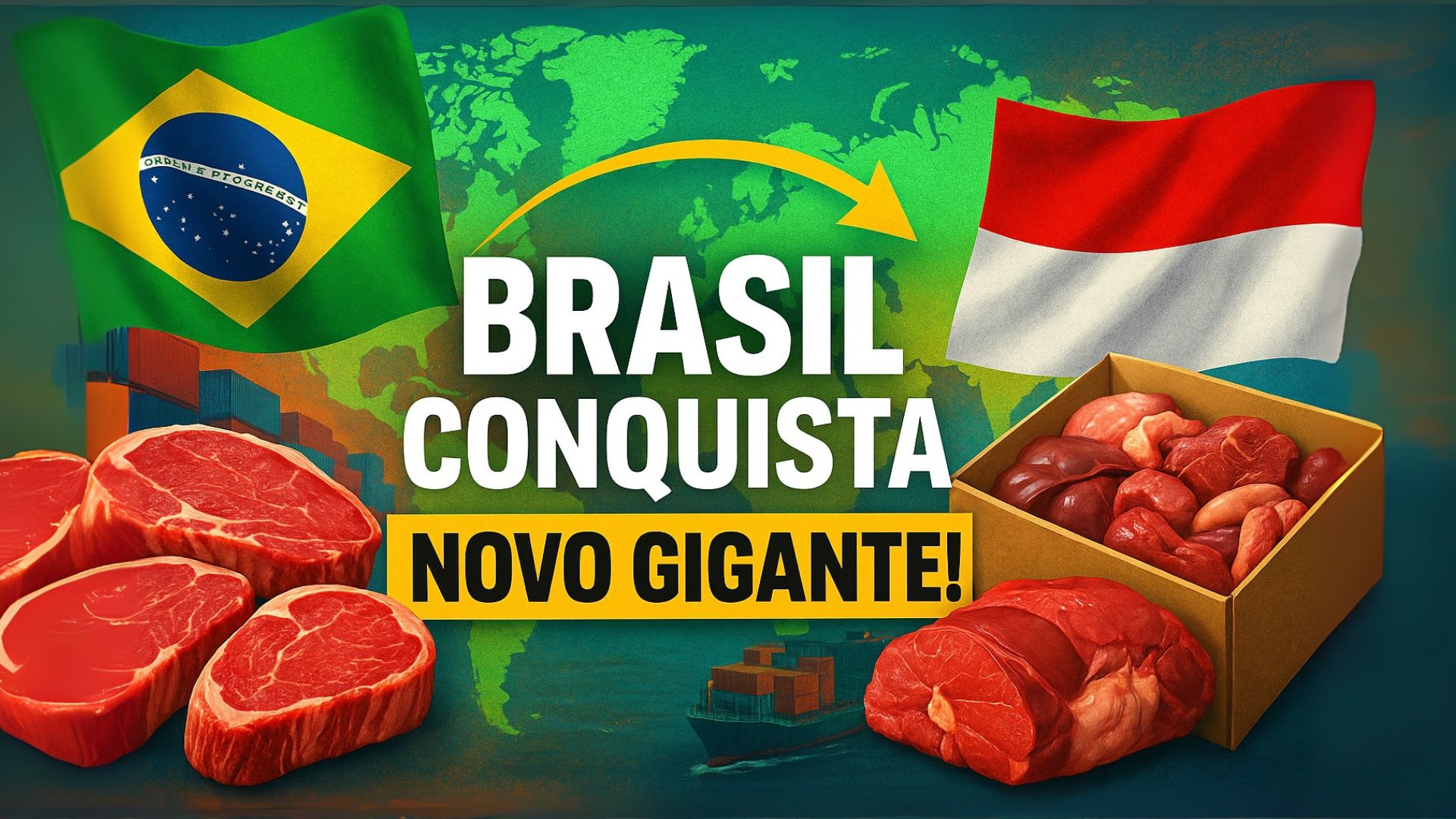
Brazil Closes Unprecedented Agreement With Country to Export Bone-In Beef and Offals, Strengthening Presence in Southeast Asia and Expanding Markets in Light of Tariffs Imposed by the United States.
The Brazil has gained access to the Indonesian beef market for bone-in beef and offals, following the completion of sanitary requirements between the two governments.
The opening also includes meat products and meat preparations, bringing the world’s fourth most populous country onto the radar of Brazilian agribusiness and meeting the growing demand for protein in Southeast Asia.
What Changes in Access to the Indonesian Market
Under the agreement, Brazilian slaughterhouses will be able to ship bone-in beef, as well as offal and by-products, as long as they meet the sanitary requirements set by the authorities of both countries.
-
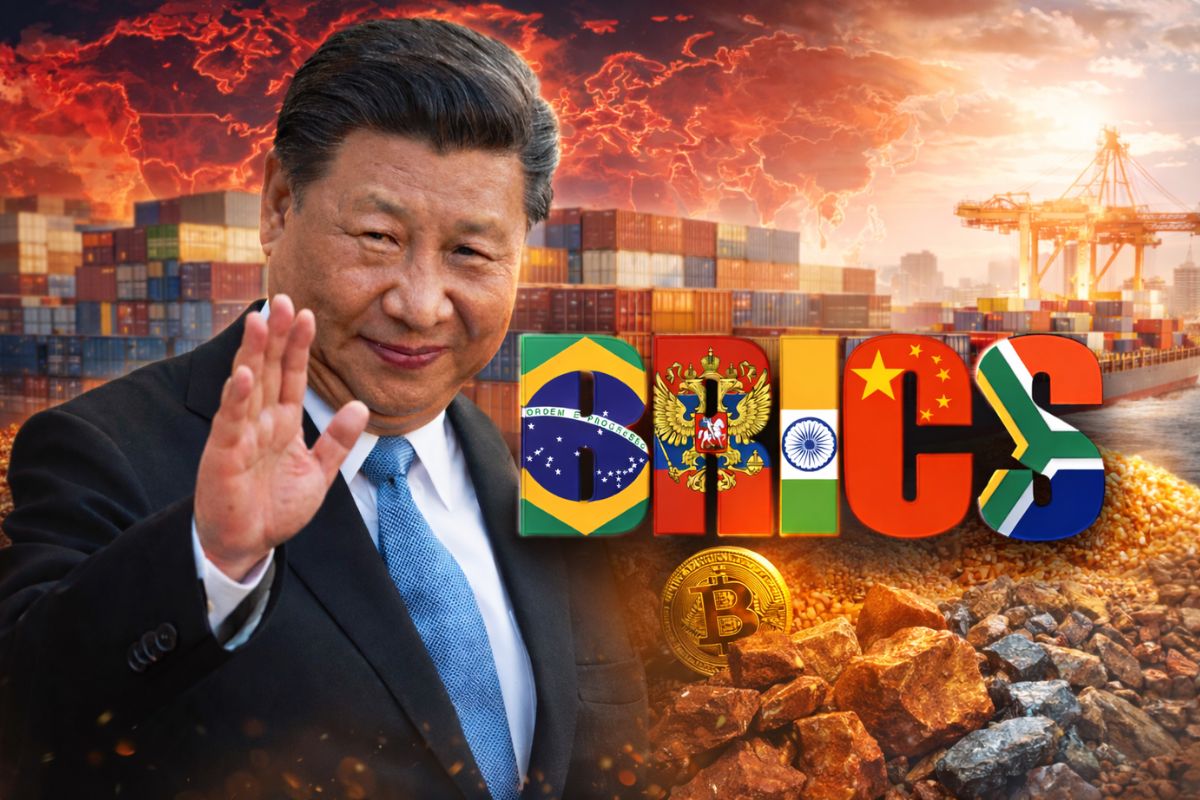
China alone accounts for 70% of trade within the BRICS, while Brazil establishes itself as an essential supplier of food and minerals: understand how the group, which already represents nearly 40% of the world’s GDP, is changing the game.
-
Starting in May, those who do not have registered biometrics will not be able to apply for Bolsa Família, sickness benefits, or unemployment insurance: understand the new rule that changes access to benefits for millions of Brazilians.

-
A new law being voted on in Brazil proposes a minimum fare of R$ 10 per trip and R$ 2.50 per kilometer for Uber and 99 drivers, and promises to ensure they earn as well as taxi drivers did during the golden age of taxis in the country.

-
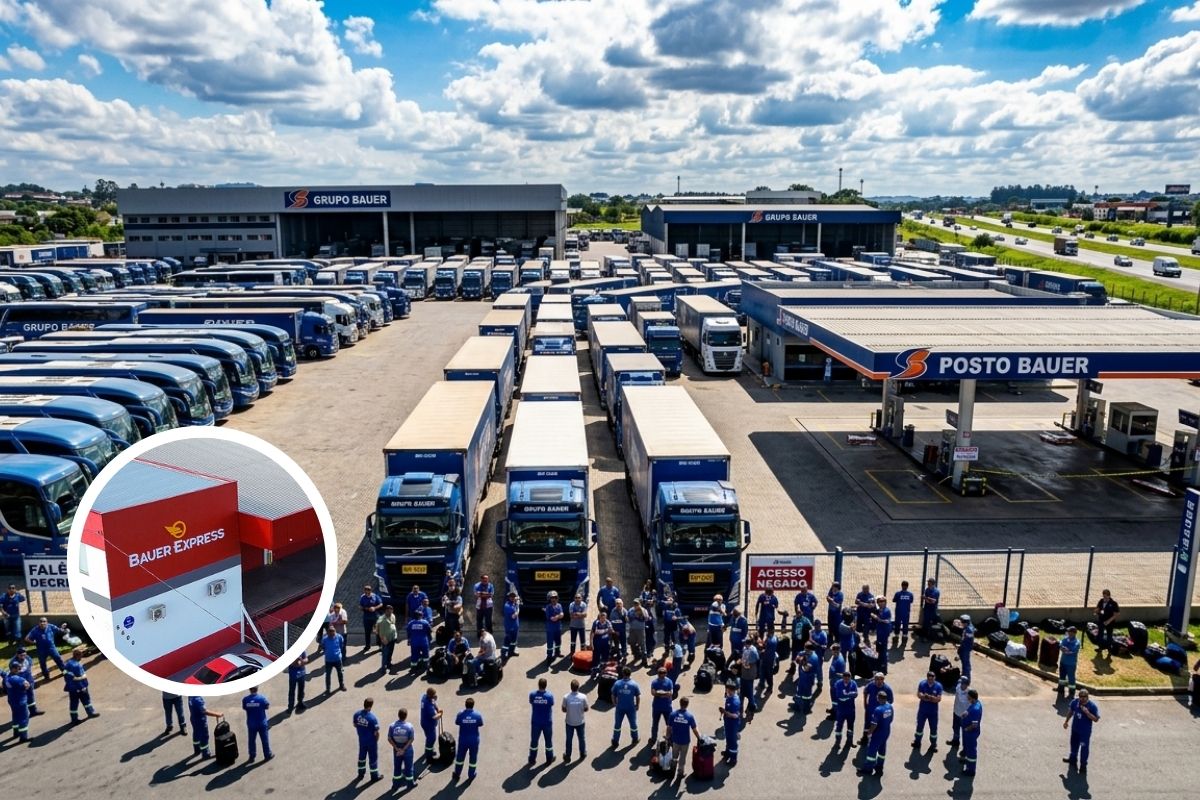
Bauer Group collapses after failed judicial recovery: 25 years, 800 vehicles, and a network of gas stations leave a debt of R$ 50 million and 100 layoffs, exposing costs, tight margins, and expensive credit in Brazil.

This measure expands the eligible portfolio and opens space for less explored cuts in traditional markets, such as offals, which have higher demand in the region.
Indonesia is the largest Muslim country in the world and, according to official Brazilian data, has approximately 283 million inhabitants.
The increase in meat consumption accompanies rising income and the expansion of the middle class, factors that have sustained demand for animal protein in the Asian country.
Why Indonesia Imports From Brazil
In addition to the size of its population, Indonesia is already one of Brazil’s relevant agribusiness partners.
In 2024, Indonesia’s imports of Brazilian agri-products reached US$ 4.2 billion, with a focus on soy and the sugar-energy sector, as well as fibers and textiles.
The inclusion of bone-in beef and offals is expected to diversify the trade agenda and increase the added value of exports.
This opening occurs at a time of reorganization of global beef flows.
For Brazil, the world’s largest exporter, gaining space in densely populated Asian markets is a way to reduce dependence on a few buyers and extract revenue from cuts that have specific consumption in certain cultures.
US Tariffs and Sector Response
The Brazilian move also aligns with recent changes in the United States.
On August 6, 2025, the US government increased tariffs on Brazilian beef, adding a 50% tariff on sales outside the quota, significantly raising the price of Brazilian products in that market.
Analysts believe that the new tariff level is likely to reshape trade routes, with greater redirection of volumes to other destinations.
The impact was immediate on the statistics.
In August, Mexico surpassed the United States as the second largest destination for Brazilian beef, behind only China, following the implementation of the new tariff.
The shift reinforces the need for geographic diversification among Brazilian exporters and encourages the search for markets with already known requirements for the local industry.
Southeast Asia Expansion: Philippines and Neighborhood
The approach to Indonesia complements recent advances in other Southeast Asian markets.
In mid-August, the Philippines confirmed access for bone-in beef and offals from Brazil, a move seen by the government as another step to increase the presence of Brazilian protein in the region.
The Philippine opening reinforces the trend of acceptance of cuts and by-products that enhance the utilization of the slaughtered cattle.
In the regional environment, Brazilian authorities have also sought to enable new plants and unlock logistical requirements to accelerate shipments.
These operational fronts, combined with regulatory openings, serve as a complement to transform announcements into effective trade, reducing storage bottlenecks and specific certification requirements imposed by each country.
And Japan: Where Are the Conversations
Meanwhile, negotiations for access to the Japanese market, one of the most valued in the world, are ongoing.
Recent reports indicate discussions focused on suppliers from southern Brazil and technical dialogue with Japanese authorities.
No opening announcement has been made yet, but the topic gained traction in 2025 due to the supply situation and the tariff changes that affected flows with the US.
For the industry, entering Japan will require adhering to strict sanitary protocols and possible geographical conditions related to the status of foot-and-mouth disease.
If progress is made, it could reposition Brazil in a high-value market, with a consumption profile that better compensates premium cuts, although the timeline remains uncertain.
Impact on Brazilian Agriculture and Next Steps
The opening in Indonesia has the potential to <strong,increase revenue for the beef complex by unlocking channels for product categories with lower demand in other markets, such as offals.
Furthermore, it creates an alternative in light of rising costs for access to the US and could mitigate demand fluctuations concentrated in a few destinations.
The final effect will depend on the speed of plant habilitation, the sanitary requirements imposed by Jakarta, and the logistical competitiveness against regional suppliers.
To begin shipments, companies and authorities will need to align certifications, labeling, and other technical requirements of the importer.
On the Brazilian side, the industry already has a history of meeting markets with specific rules and will need to adjust production schedules and line segregation according to the conditions agreed with Indonesia.
The first batches should follow as soon as the administrative and operational steps outlined in the sanitary protocols are completed.
In summary, Indonesia’s entry as an unprecedented buyer of bone-in beef and offals from Brazil adds a large-scale market to the national agricultural portfolio at exactly the time when the North American route became more expensive.
With the Philippines opening up and Japan on the horizon of negotiations, the map of Brazilian exports in the post-tariff era is likely to become more geographically distributed and better compensated by product category.







Seja o primeiro a reagir!