





 Portuguese
  English
  Spanish
  3 min of reading
  0 comments


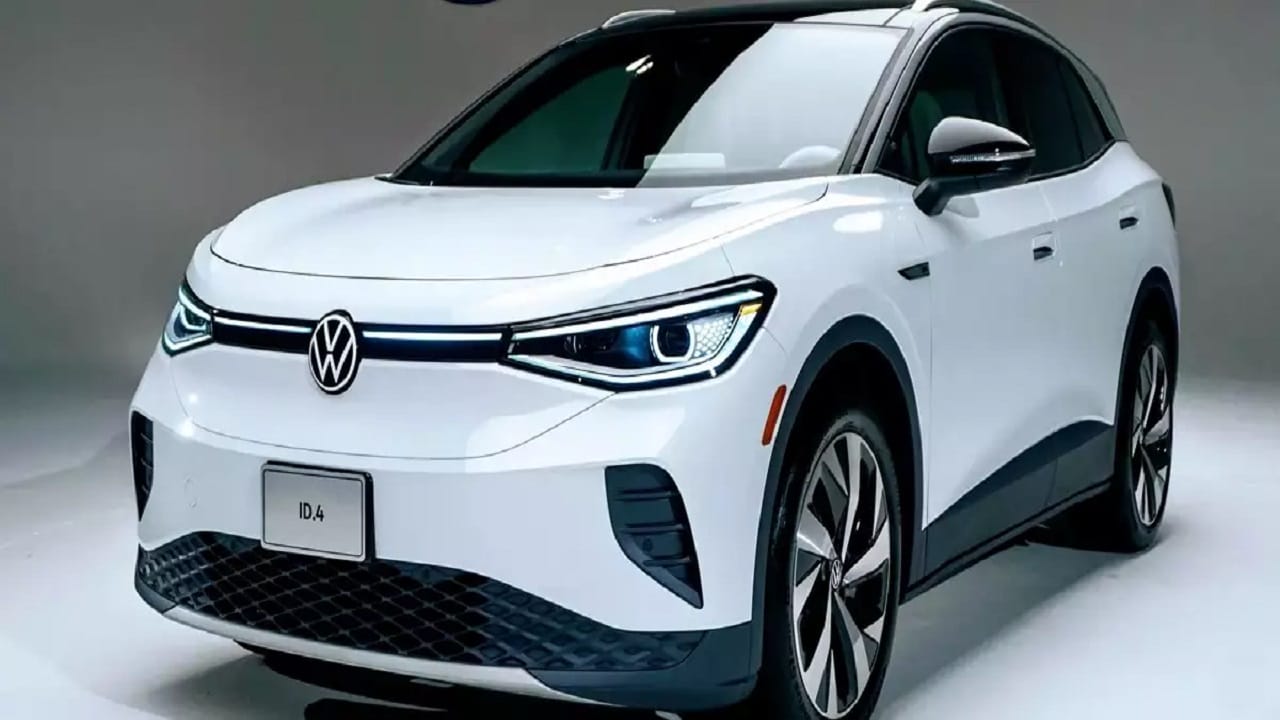
Soon, Volkswagen Will Launch An Affordable Electric Car In The Market, With Production Scheduled For Mexico Or The United States.
Volkswagen, the German automotive giant, has ambitious plans to launch an electric car in the United States, with an estimated price of US$ 35,000. This launch is expected to happen within three to four years. Reinhard Fischer, Senior Vice President and Head of Strategy for the Volkswagen Group of America, emphasizes that the automaker is not scaling back its efforts in the electric vehicle segment in the American market.
Discover Volkswagen’s Affordable Electric Future
During the Reuters Events Automotive USA 2023 conference in Detroit, an executive from Volkswagen revealed ambitious plans for an electric car priced below US$ 35,000, possibly manufactured in the United States or Mexico.
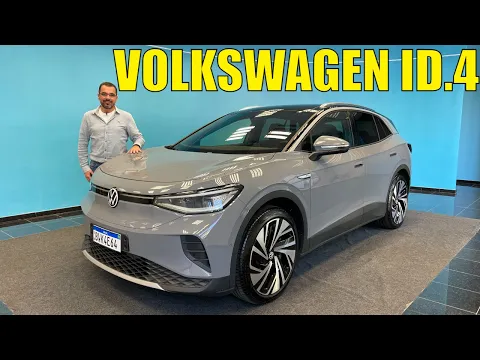
The locations considered for production include Volkswagen’s plants in Chattanooga, Puebla, and Tennessee, Mexico. Notably, the Chattanooga plant is already home to the ID.4, an electric SUV from the brand available in eight distinct versions, with prices starting at US$ 38,995 (around R$ 192,000).
-
The car stored for 38 years: when opening the barn door, what appears is breathtaking and looks like a scene from a movie!

-
Fiat works miracles in the Brazilian market, lowers the price of its 0 km hatch to R$ 69,990, reestablishes the model as the cheapest car in the country, and reignites the battle against Kwid and C3.
-
Chevette with cooking gas: How the gas cylinder ends up being used in cars clandestinely and why this makeshift solution can result in leaks, explosions, damaged engines, and seized vehicles.

-
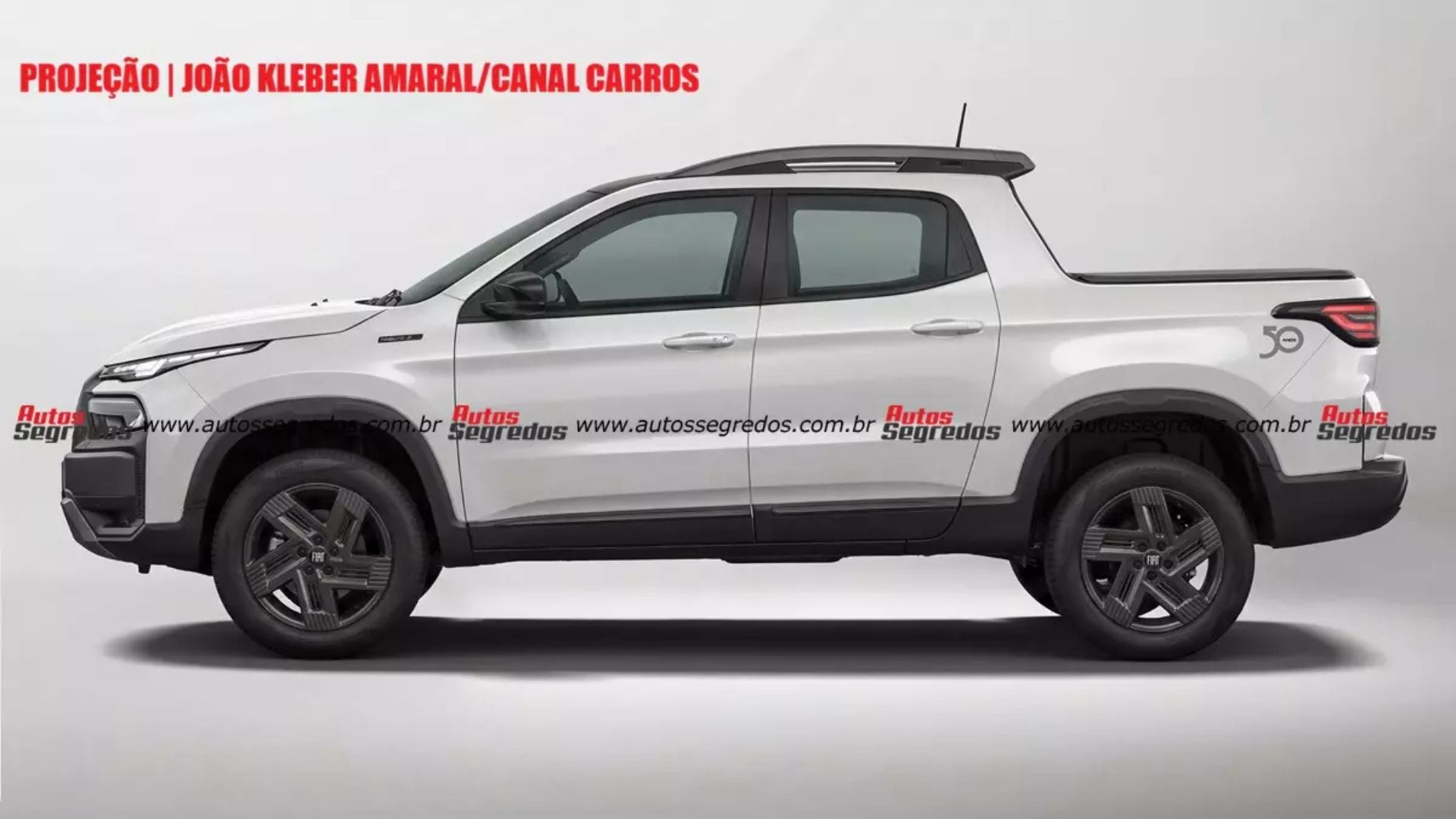
Fiat launches the new 2027 Toro hybrid with 48V, 176 hp, an electric motor of 15.5 hp, a 0.85 kWh battery, up to 7% fuel savings, 8% fewer emissions, and possible exemption from IPVA.


The strategy to make the new electric car more affordable involves the use of locally produced batteries, which would allow the car to qualify for the federal incentive of US$ 7,500, making it more competitive in the market.
In a recent move, Volkswagen announced its intention to produce battery cells in Canada, aiming to meet the demand for current and future electric vehicles in North America. This decision coincides with the pause on plans to establish a battery factory in Eastern Europe, as North America presents a more attractive option.
The German automaker is prioritizing a similar facility in North America, partly due to the estimated US$ 10.6 billion in incentives offered by the U.S. government under the Inflation Reduction Act. Although specific details about the new model have not been disclosed, it is speculated that it could be a smaller electric SUV than the ID.4, according to information from Automotive News.
Affordable Volkswagen Electric Car Impresses In Tests
The affordable electric model from Volkswagen, the ID.3, showed remarkable results in tests conducted by ADAC, the largest automotive association in Europe. During a rigorous long-term test that lasted two and a half years, the vehicle covered over 100,000 km.
Experts from ADAC’s Test and Technology Center in Landsberg am Tech confirmed that the high-voltage battery of 77 kWh, which equips all models in the ID lineup, maintained an impressive 93% of its net capacity, with no abnormalities detected.
This performance surpasses the 70% battery capacity warranty established by Volkswagen for its new electric vehicles over eight years or 160,000 km. During the tests, ADAC highlighted that the battery was subjected to extreme conditions, including frequent charges up to 100% at DC fast charging stations, aiming to reach the 100,000 km mark as quickly as possible.
Volkswagen Ends Production Of Internal Combustion Cars
Marking the end of an era, the decision by a renowned automaker to discontinue its internal combustion models in Norway starting in 2024 has generated disappointment among enthusiasts and fans of the brand. According to the portal Quatro Rodas, the company will no longer offer its future combustion-powered models in this market.
Norway, known for its progressive stance on sustainability, will implement measures next year to gradually eliminate internal combustion cars.
This change is driven by the growing demand for electric vehicles and the government incentives offered for their purchase, which has contributed to the notable reduction of gasoline-powered cars on Norwegian streets. Consequently, it is expected that all combustion models from this brand will be completely phased out of the Norwegian market in the near future, as indicated by the same source.









Seja o primeiro a reagir!