Portuguese
  Spanish


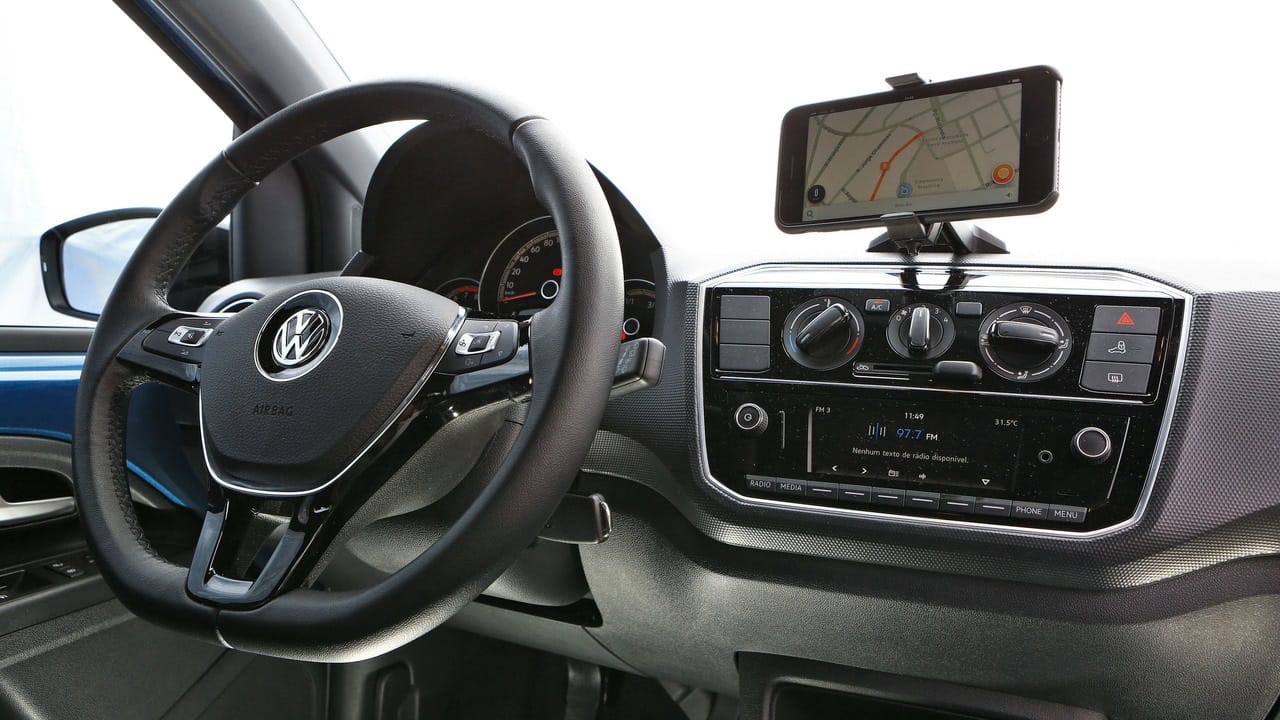

Popular Car From Volkswagen Loved by Brazilians Says Goodbye After 30 Years in the Market. Learn the History of the Parati, a Car That Succeeded in the 80s.
The discontinuation of production for a popular car from Volkswagen, much loved by the Brazilian public, symbolized the end of an era for many in the country. With three decades of history, this vehicle became an icon on Brazilian roads. The Parati, referred to as the youngest station wagon in Brazil according to the official Volkswagen website, is no longer produced in the country.
Popular Car From Volkswagen Was Sold for R$ 47,480
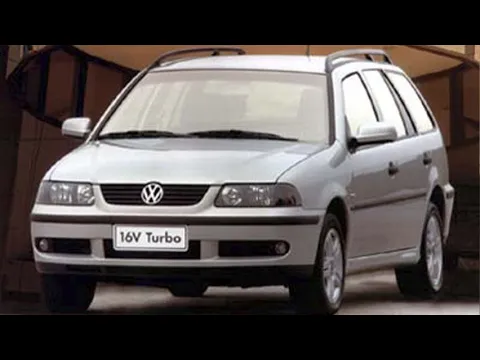

After thirty years of production, Volkswagen decided to discontinue the Parati model in June 2012. According to information provided on the manufacturer’s website, the popular vehicle was offered in a price range between R$ 39,815 and R$ 47,480, always featuring a 1.6-liter engine.
The introduction of the Parati to the Brazilian market occurred in 1982, when Volkswagen sought to fill the void left by the Variant II. During the 1980s, the competition between GM and Volkswagen was intense, with the Chevette and Gol being the main rivals.
-
End of an era in Brazil: beloved sedan by Brazilians is discontinued despite having a 2.0 engine with 151 hp, CVT transmission, 466-liter trunk, and up to 650 km of range.

-
New Law Proposal in Brazil Could Heavily Penalize Drivers: Dangerous Overtaking May Become a Serious Offense with Fines Increased Tenfold and a 12-Month License Suspension; Update on 2026 Progress

-
Electric Revolution: Watts W125 Motorcycle Offers 160 km Range, 90 km/h Speed, and Affordable Price Starting at $3,000
-
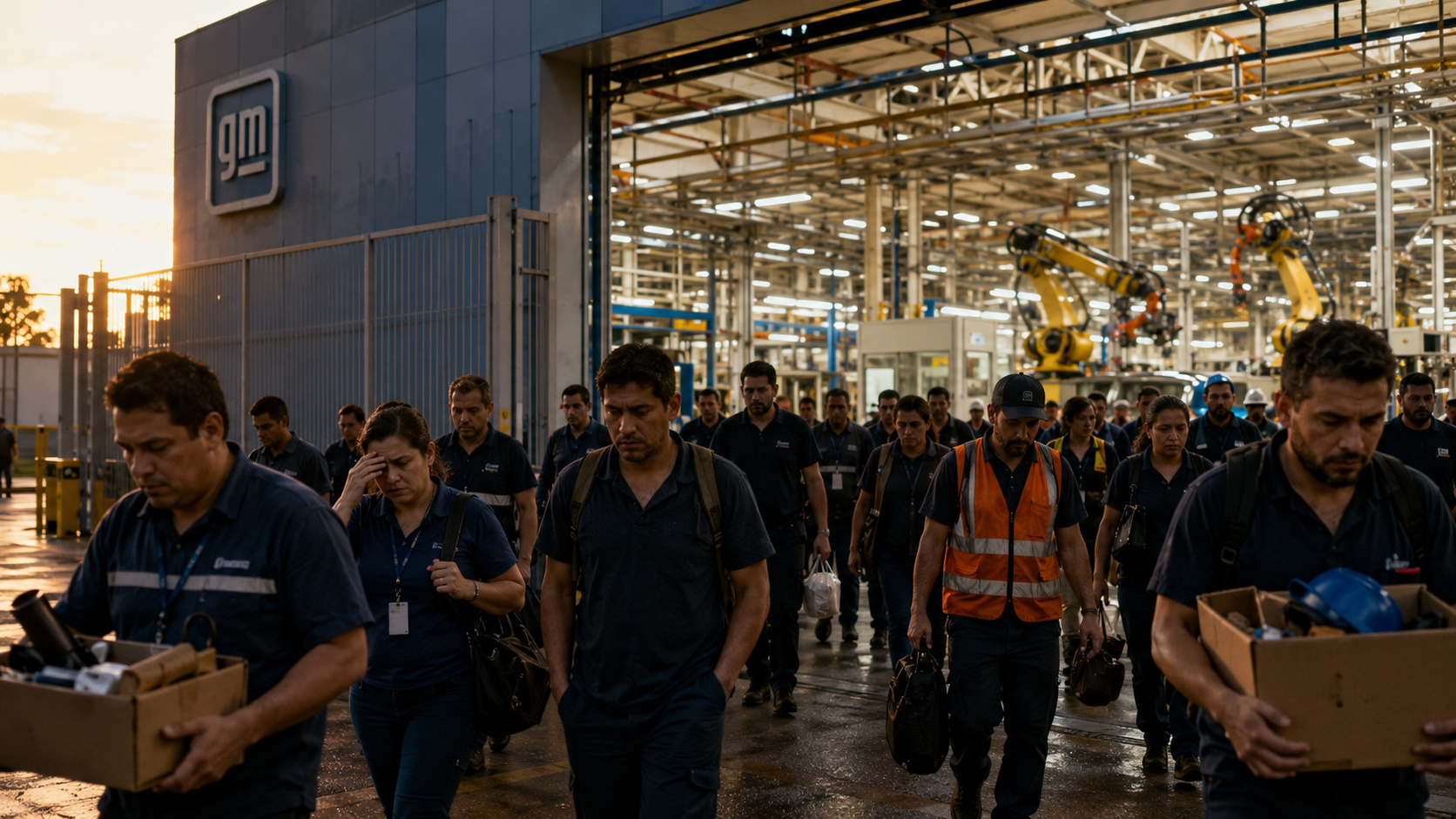
General Motors Replaces Over a Thousand Workers with 50 Cobots at Electric Vehicle Plant, UAW Union Criticizes Move Amid Industry’s Automation Push


Station wagons, the category in which the Parati fit, began to stand out due to their ability to offer more interior space, providing greater comfort for both the driver and passengers, as well as ample cargo capacity.
After the end of Parati production, the SpaceFox became, at that moment, the only Volkswagen model in the minivan and station wagon segment. Even with the presence of the Passat Variant and Jetta Variant in the market, these two models had higher prices, making them less accessible for most consumers.
Learn the History of the Iconic Popular Car From Volkswagen
At the end of the 1970s, Volkswagen started an engineering project exclusive to the domestic market. They would feature front-engine models within the “family” concept, something quite modern for the time.
A single basic platform, with adaptations, gave rise to a small hatchback (Gol), a sedan (Voyage), a station wagon (Parati), and finally, a pickup (Saveiro). Initially, Volkswagen’s new station wagon was to be called Angra; however, the automaker understood that the public might create malicious associations with the Angra dos Reis nuclear power plant.
The design was exquisite, capable of appealing to both family heads and “playboys.” As dictated by the domestic market at the time, the Volkswagen car was only available in a two-door version. Despite the straight lines and creases on the body, the popular car conveyed lightness and youthfulness.
Popular Car From Volkswagen Reaches Up to 155 km/h
The Parati initially came with a four-cylinder, water-cooled engine from the Passat and Voyage. With 1,471 cm², it delivered 78 horsepower.
This 1.500 engine, however, was short-lived. Just two months after its launch, it was replaced by the “1.600” alcohol engine, also from the Passat. It had a power output of 98 horsepower, enough for the new station wagon to reach 155 km/h and go from 0 to 100 km/h in 14 seconds, impressive figures for Brazil in 1982.
The four-speed transmission was another component borrowed from the Passat and Voyage. Thus, fuel consumption was seen as merely average. With alcohol, a fuel that was on the rise in 1982, the Parati achieved about 7.5 km/l in the city and around 11 km/l on the highway.
Overall, the popular car from Volkswagen was as stable as the Voyage. Much fairer, more comfortable, quieter, and more fun than the Variant II, new times had arrived for VW in Brazil.