





 Portuguese
  English
  Spanish
  5 min of reading
  0 comments


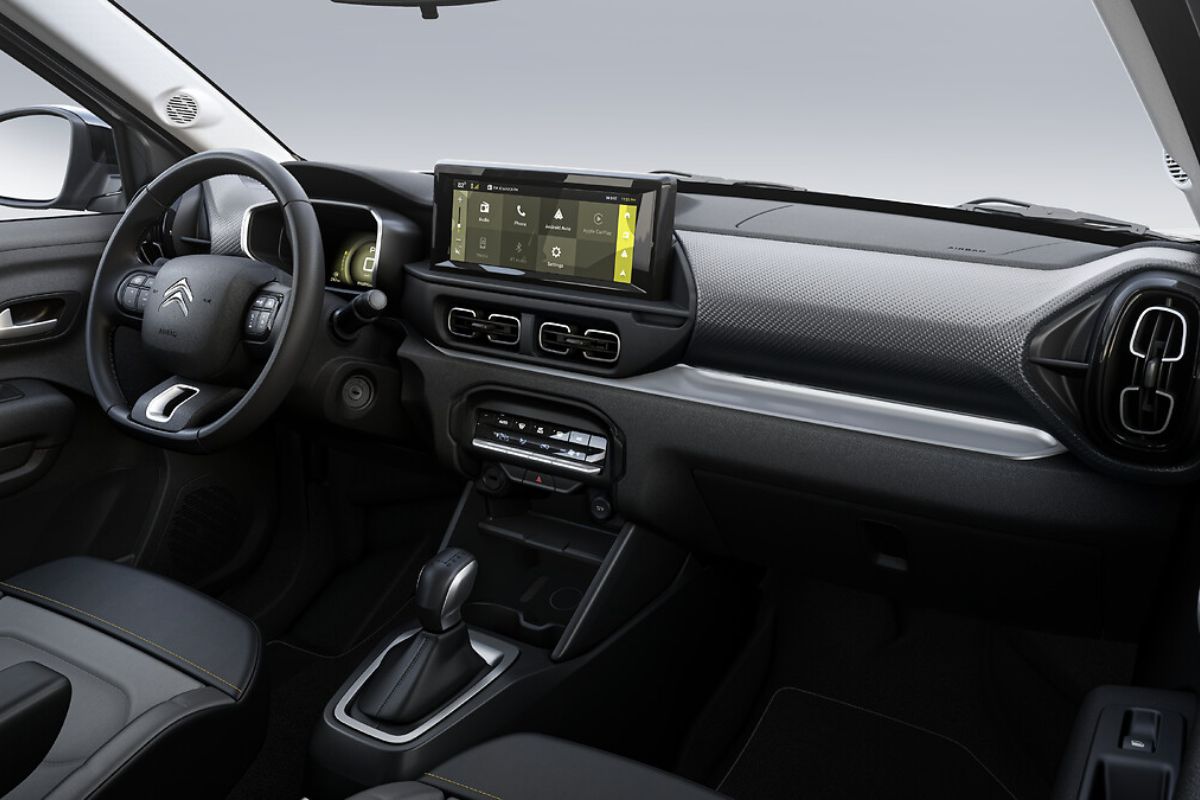
Crossover-Coupe Arrives As The Value Of The Moment: New Citroën Basalt 2026 Features CVT Automatic Transmission, 490 L Trunk, And Tag Below Rivals.
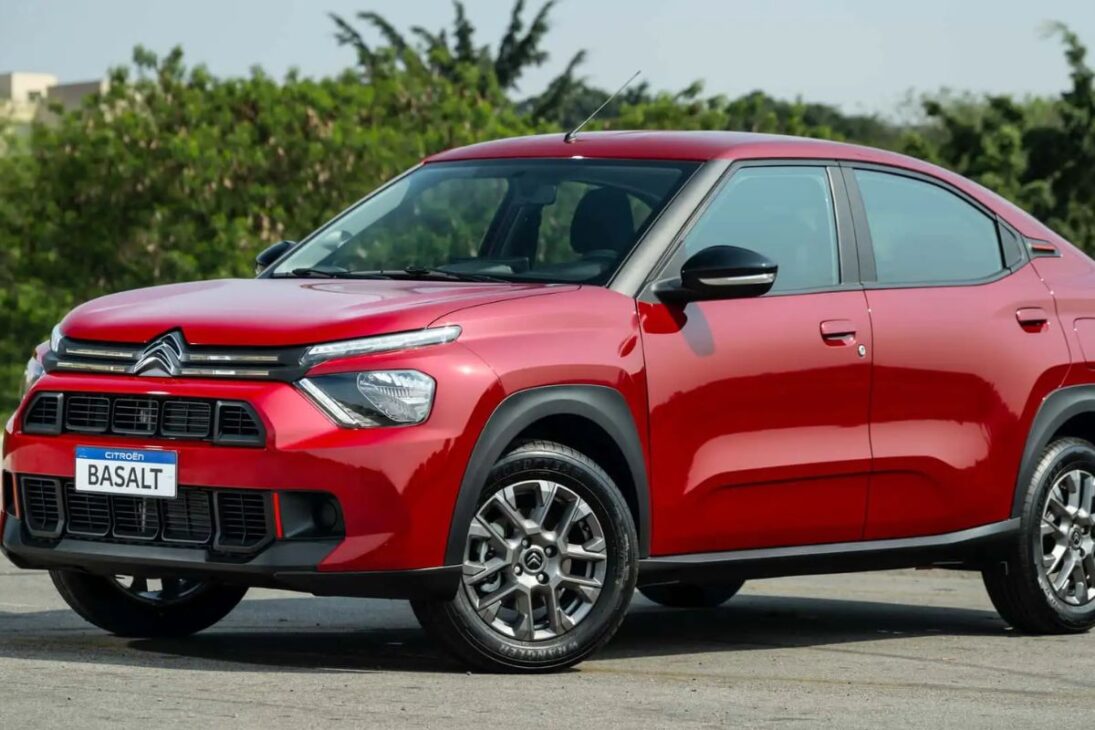
The New Citroën Basalt 2026 gained traction in Brazil by combining a 1.0 turbo engine with a CVT automatic transmission that simulates up to seven gears, efficient daily fuel consumption, and one of the largest trunks in its category. Presented in a detailed video by Stanley Ravagnani, the model leans on a price of R$ 108,990 for the Turbo 200 version to compete with more expensive SUVs, a claim supported by the enhanced equipment package compared to the 2025 lineup.
In the evaluation of Stanley Ravagnani, the Basalt 2026 delivers one of the best cost-benefit ratios among brand-new SUVs by offering good interior space, improved finishes, and practical adjustments for use. At the same time, it maintains pragmatic choices (such as halogen headlights and taillights and four airbags) that help keep the price below well-known rivals and open discussions about the balance between economy and safety.
Design And Equipment: What Changed And What Is Missing
The Basalt 2026 retains the crossover-coupe look with a striking front, grille with elements of Citroën’s identity, and LED DRL. However, the main optical assembly remains halogen, as do the rear lights—a point highlighted by Ravagnani as an area for evolution in future updates. The bumper painted in the body color and the wheel arch trims emphasize the “adventurous” styling without raising costs.
-
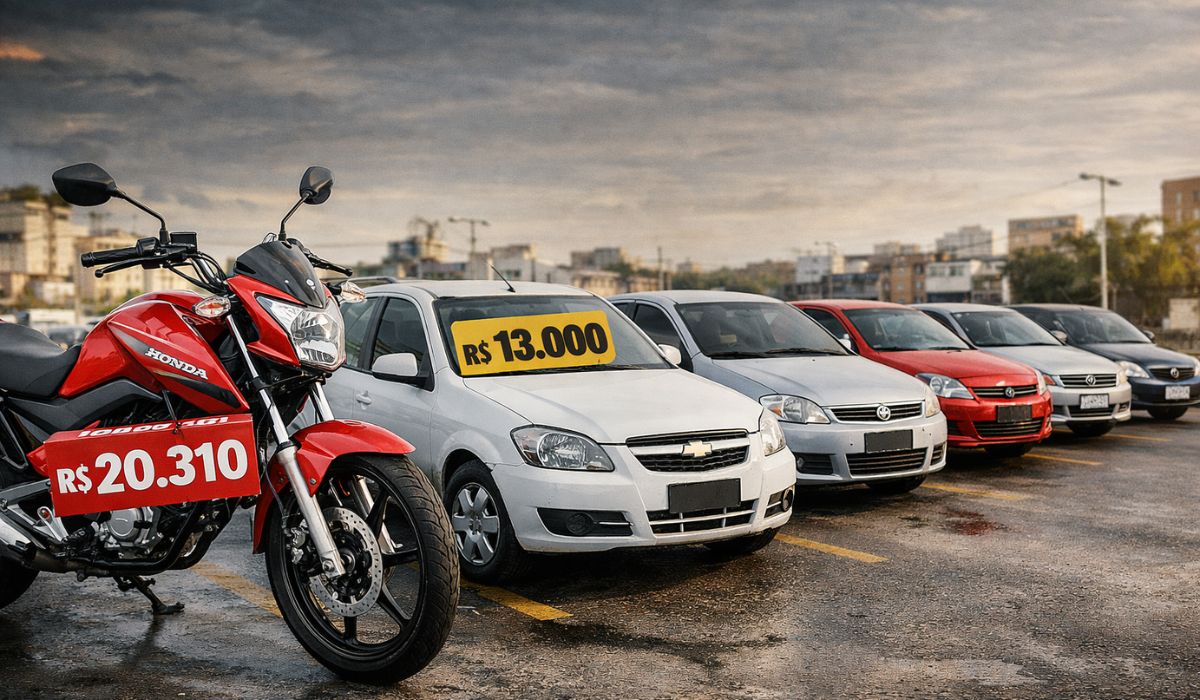
5 cheapest used cars than a Honda CG 160 Titan 0 km, with options starting at R$ 13,000 for those who want to trade their motorcycle for a car and escape the rain, sun, and risks of riding.
-
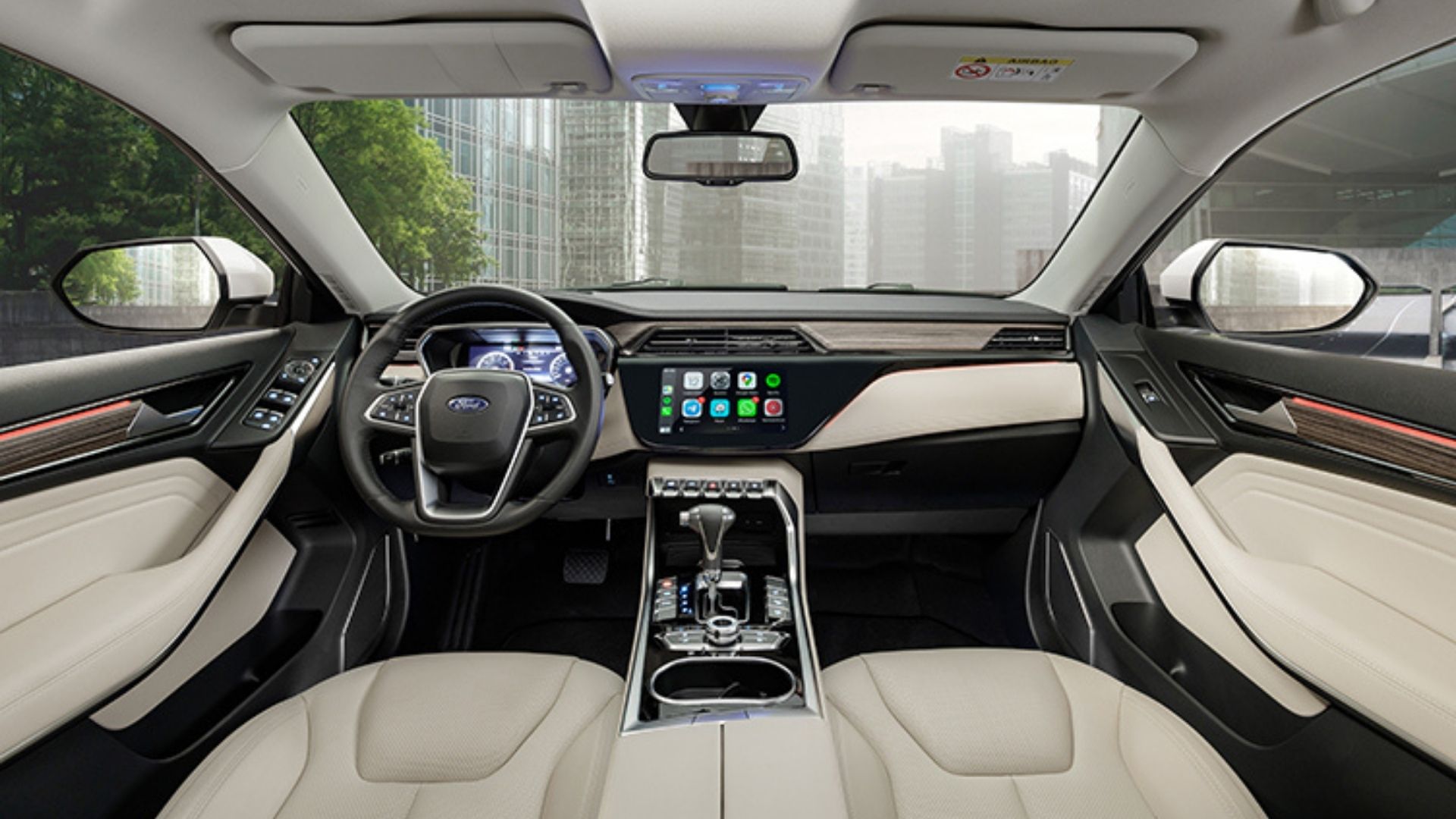
Around R$ 24,000: 4 used Ford SUVs with up to 253 hp, V6 engine, all-wheel drive, 7 airbags, panoramic sunroof, and a complete package that surprises with its price and performance in Brazil.
-
A brand new car starts at around R$ 75,000 in Brazil, but what stands out the most is seeing streets filled with SUVs and expensive sedans in a country where millions remain in debt.

-
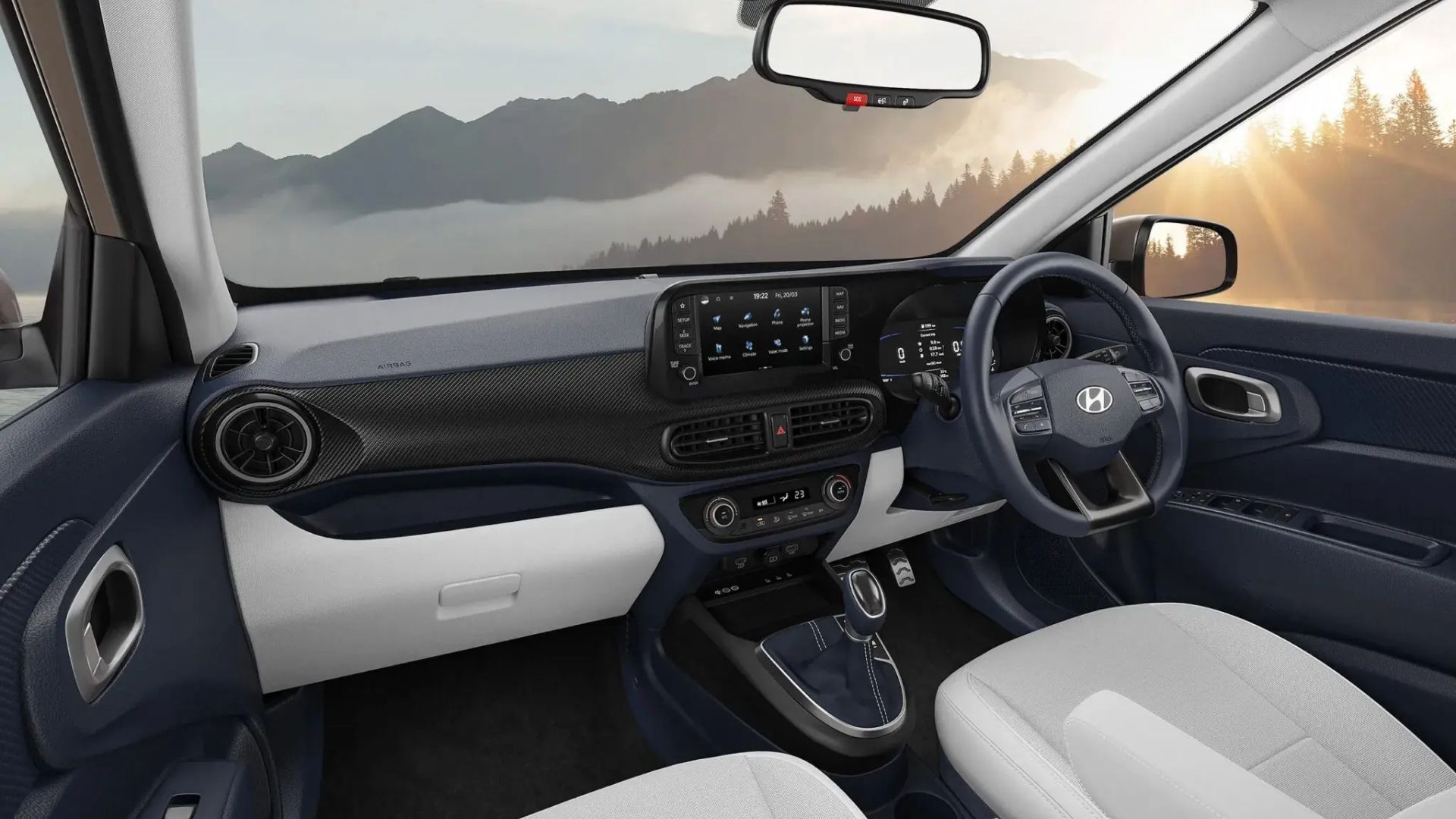
For R$ 32,000, a brand new Hyundai car is a rival to the Kwid with a 1.2 engine producing 82 hp, 6 airbags as standard, multimedia with wireless Android Auto, up to 391 liters in the trunk, and a refreshed look for 2026 in India.

At the rear, the model comes with parking sensors and a rearview camera as standard in the automatic turbo configuration, something that many more expensive competitors still charge extra for. “For the price, the package is pleasing,” the creator emphasizes while also mentioning the 490-litre trunk with a velvet-covered lid, lighting, and tie-down hooks. Visual conclusion: there are corrections in style and practicality, although full-LED signatures remain on the list of pending items.
Powertrain: Turbo, CVT, And Hatch Consumption
At the heart of the project, the 1.0 turbo three-cylinder (direct injection) delivers 125 hp (gasoline) and 130 hp (ethanol), with 20.4 kgfm of torque for both fuels. The CVT simulates seven gears and provides fluidity in urban use; in measurements cited by Ravagnani, the 0–100 km/h stands around 10 s, a significant leap compared to the naturally aspirated manual 1.0.
In terms of fuel consumption, the New Citroën Basalt 2026 shows competitive numbers: 12.1 km/l in the city and 13.7 km/l on the highway with gasoline (data reported by the author). “That’s a clear positive point for the car,” he summarizes. The 47-litre tank ensures good range, and the set of dimensioned intercooler, variable valve timing, timing chain, and BorgWarner turbocharger helps deliver efficiency without compromising robustness.
Comfort, Space, And Daily Use: Where It Excels
“Rear space and trunk are the highlights of the Basalt,” emphasizes Stanley. In the back, adults travel with ample head and knee room, thanks to the high roof, even with the coupe slope. The seats are comfortable, offer good bolstering, and although they are fabric in this version, they provide good support in urban and highway use. Acoustic insulation: the double seals with velvet on the doors reduce road and wind noise, enhancing the perception of comfort.
In front, the 2026 line improved the visual touch: fabric coverings on the dashboard and doors, relocation of the rear window buttons, and digital air conditioning now also in the Turbo 200 (previously, only in the Shine). The multimedia system, with wireless Android Auto and Apple CarPlay, remains responsive for the price range. Usage summary: it’s an SUV designed for families, with storage compartments, two cupholders, and a rear USB-C, solutions that facilitate daily life.
Dynamic Tuning And Structure: Simple Where It Needs, Reinforced Where It Matters
At the front, McPherson suspension with iron links and reinforced wishbones; at the back, torsion beam. The tuning aims for robustness and low maintenance costs, which is consistent with the proposal. Disc brakes in front and drums in the rear fulfill their role in a mass-produced car of this power segment. Light electric steering favors maneuverability; 16-inch wheels with 205/60 tires enhance comfort.
Under the hood, welcome technical details: thermal blanket on the hood, harness with well-secured corrugated tubing, battery with thermal cover, and “switched” alternator (which disconnects for efficiency). Overall, there’s no free luxury; there are rational choices that lower ownership costs without compromising the essentials.
Costs, Purchase Value, And What You Need To Know Before Closing


With a listed price of R$ 108,990 (Turbo 200 automatic) in the analysis by Stanley Ravagnani, the New Citroën Basalt 2026 attacks “from below” and delivers above in critical points: huge trunks (490 L), realistic fuel consumption, comfort, and useful equipment.
This is where the cost-benefit becomes clear compared to more expensive SUVs. For those prioritizing space, economy, and automatic transmission, the equation is convincing.
On the other hand, it’s worth keeping an eye on: four airbags (when six are already common), absence of full-LED headlights/taillights, single rear seat (not split), and still some visible plastics in secondary areas. These are decisions that keep the price down, but ones you should weigh according to your usage profile.
Safety And Technology: What It Has And What Is Missing
The package includes four airbags (front and side), ISOFIX, rear camera and sensors, and electronic stability/traction controls (depending on the version).
Automatic headlights and rain sensors are not present in this configuration, and cruise control is available in the Shine (non-adaptive, as Ravagnani reminds). For 2026, the introduction of digital air conditioning in Turbo 200 is welcome, but more advanced ADAS assistants are still off the radar for this price range.
In short: the focus is on the essentials you use every day—wireless connectivity, simple ergonomics, digital air conditioning, camera and sensors, plus the efficiency of the turbo CVT setup. If your “must-have” is complete ADAS, look into the higher price range; if it’s real cost-benefit, the Basalt enters the game strongly.
If you want a turbo automatic engine, honest fuel consumption, a giant trunk, and don’t want to spend more, the New Citroën Basalt 2026 makes a lot of sense.
Stanley Ravagnani delivers the verdict of “cost-benefit” and, based on the numbers and project choices, the math adds up for families and for those who drive a lot in the city/highway. The reminders are: LEDs, two extra airbags, and a split rear seat would be the next natural step.
And you? Does this more rational package for R$ 108,990 convince you, or do full-LED headlights and six airbags weigh more in your decision? Would you trade “status” items for savings and more space?
Share how you would choose; your real story helps those who are researching.









Seja o primeiro a reagir!