





 Portuguese
  English
  Spanish
  4 min of reading
  0 comments


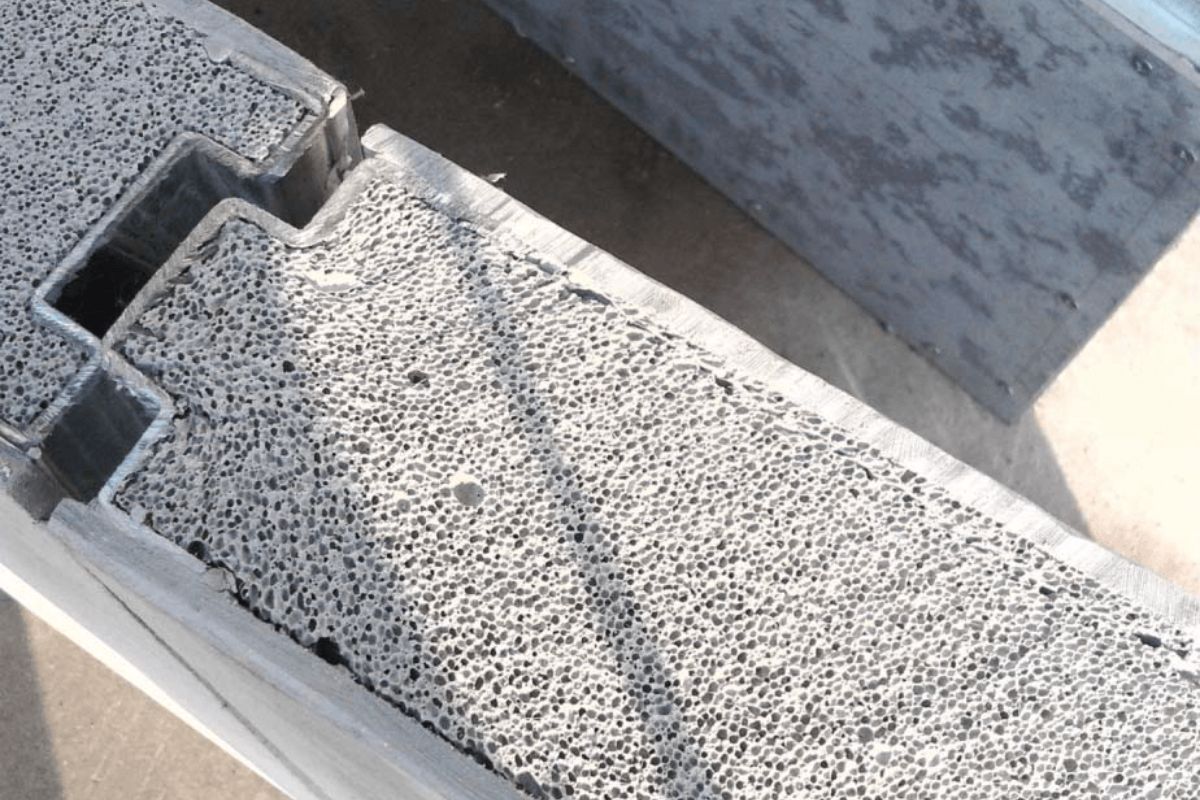
Ecopore’s Cellular Concrete Uses Incorporated Air Instead of Sand and Gravel, Providing Moisture Resistance, Non-Combustible Behavior, and an Application Up to Five Times Faster than Traditional Concrete
For decades, conventional concrete has dominated construction sites. However, a new solution is gaining traction and redefining civil construction standards in Brazil: cellular concrete. Lightweight, porous, and versatile, this material is revolutionizing the way we build, making projects faster, more economical, and sustainable.
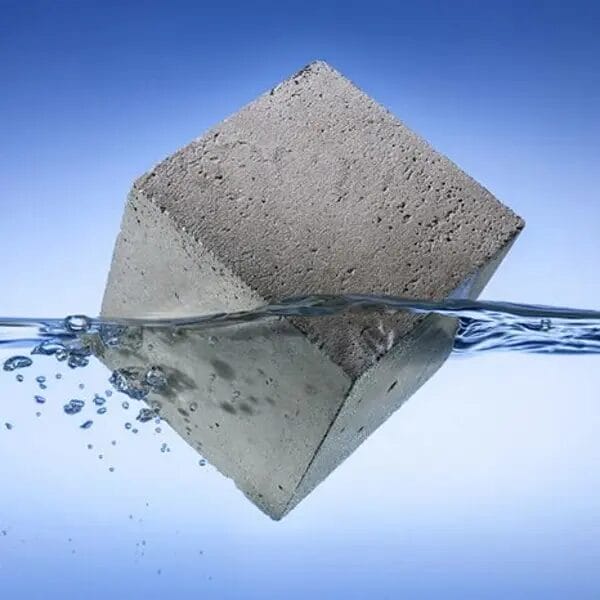
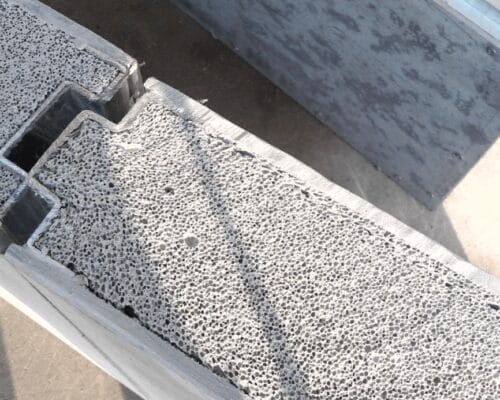
Visually similar to hardened foam, cellular concrete is composed of cement, water, and small air bubbles incorporated in a controlled manner. Despite its lightness, it provides adequate strength for various applications, such as floor screeds, slab fill, in-situ molded walls, and floor leveling. Its significant advantage is clear: it performs the same functions as traditional concrete, but with about half the weight and much more practicality in handling and execution.
Why Is It Easier to Use?
The difference starts at the time of application. Traditional concrete requires mixers, trucks, and a more complex process involving forms, vibration, and finishing. In contrast, cellular concrete can be produced directly on-site, using compact and easy-to-operate machines. It is applied with hoses, spreads easily, and settles without the need for complex forms.
-
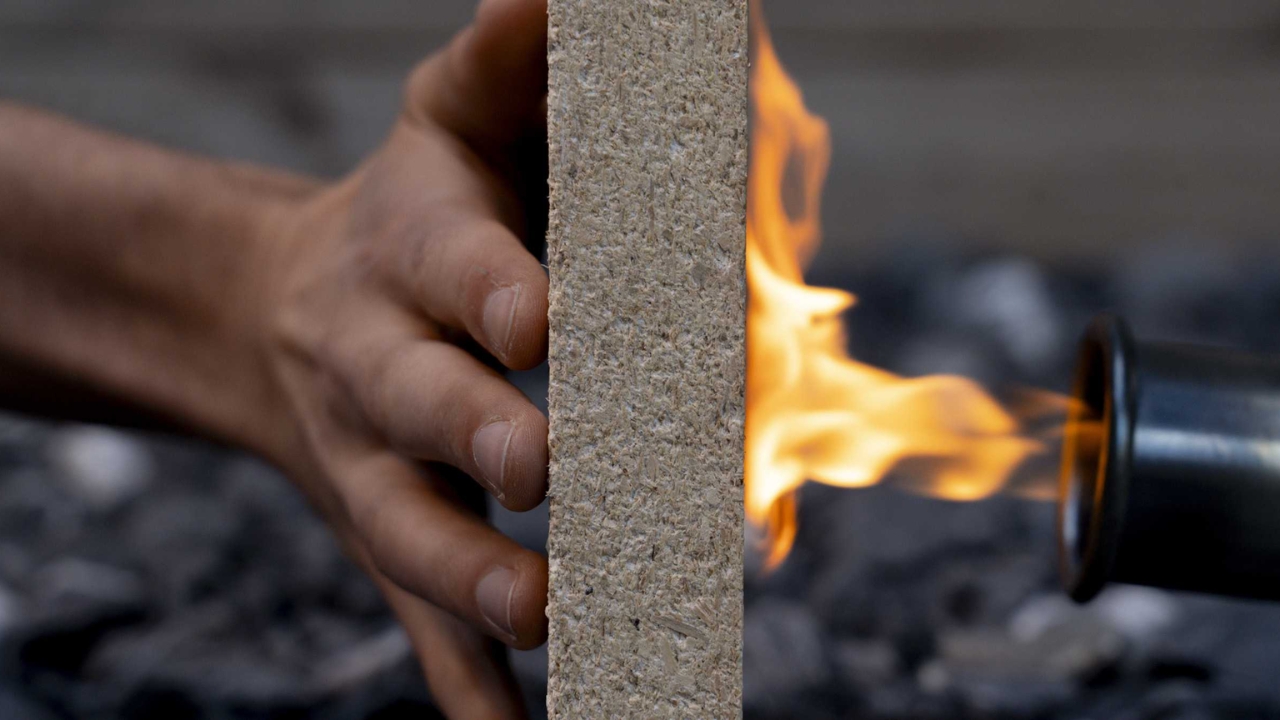
Scientists transform sawdust into fire-resistant panels, stabilize the compound with an enzyme extracted from watermelon seeds, and turn waste into promising material for construction.
-
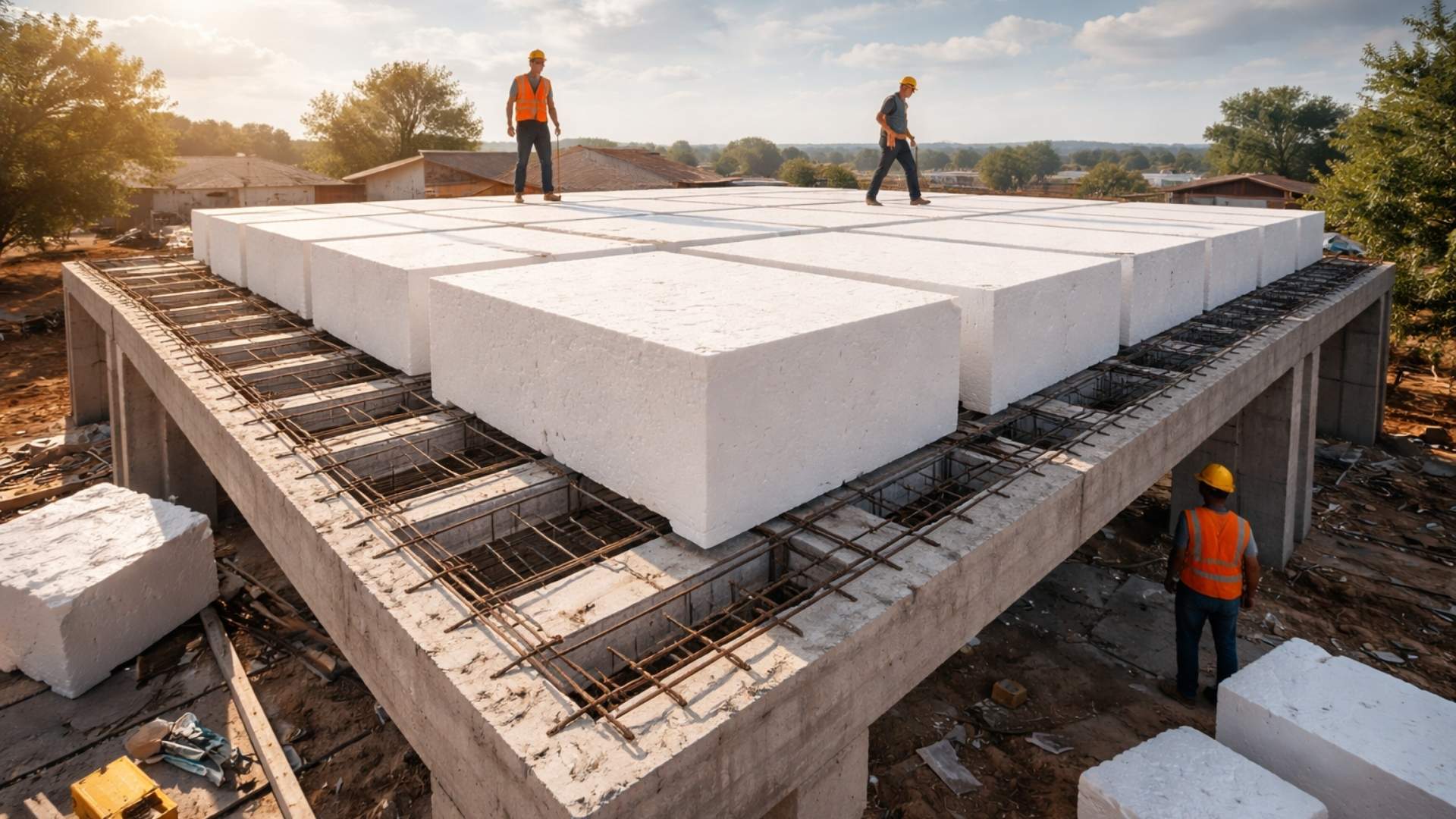
Forget concrete: architects are replacing tons of concrete with giant blocks of expanded polystyrene to build the roofs of houses and reduce structural weight by up to 50%, cut costs, improve thermal insulation, and speed up construction.
-
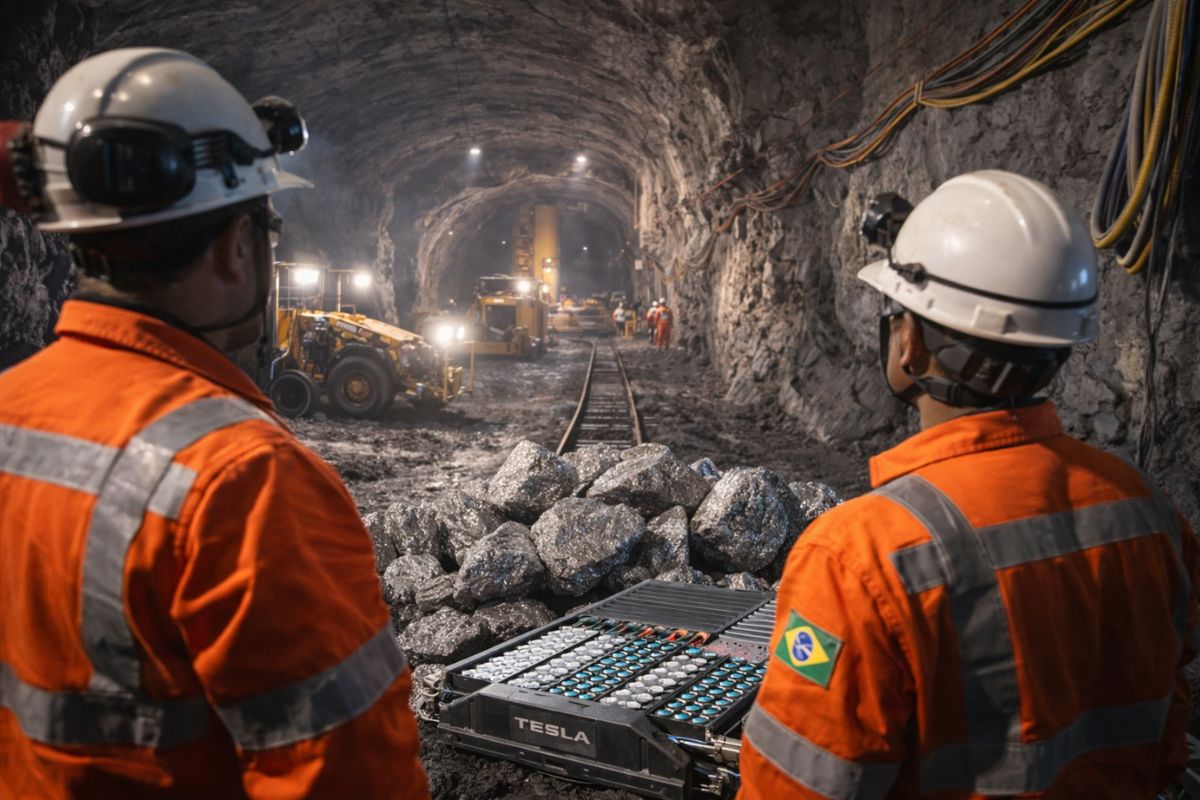
The Brazilian state enters the center of the global race for critical minerals by starting the construction of the largest underground nickel mine in Latin America, a mineral essential for electric car batteries that the entire world is competing for at this moment.
-
New CCR concrete paving technology promises roads up to 3x more durable, less maintenance, and cost reduction in Brazil.

This represents a massive saving in time. Projects that would take days to complete screeds or level slabs can now be finished in just a few hours, with less physical effort and fewer workers involved. The lightness of the material also eases transportation and handling, especially in tight or hard-to-reach spaces.
Build More While Spending Less
Cellular concrete is also an excellent option from an economic standpoint. With a large amount of incorporated air in its composition, cement consumption is significantly lower. This directly reflects on the cost per cubic meter, which is reduced without compromising performance. In various projects, the total savings—including materials, labor, and execution time—can exceed 50%.
Another cost-reduction factor lies in the foundation. Being much lighter, varying between 600 and 1,600 kg per cubic meter compared to 2,400 kg for conventional concrete, cellular concrete requires less structural effort and allows for simpler foundations. In large projects, this difference represents considerable savings in the final budget.
Tailored Resistance
A common question is whether cellular concrete has sufficient strength for everyday construction use. The answer is yes, as long as it is applied in appropriate functions. It does not replace reinforced concrete in structural elements like columns and beams, but is perfectly suitable for floors, internal walls, partitions, fills, and leveling.
Its compressive strength can exceed 5 MPa, a fully satisfactory value for residential, commercial, and small to medium-sized industrial projects. Additionally, the material exhibits excellent adhesion, dimensional stability, and good fire and moisture resistance—features that enhance its versatility and make cellular concrete a modern and reliable alternative for the construction sector.
Applications That Go Beyond the Basics
In addition to walls and floors, cellular concrete is also used to fill voids, correct unevenness, create insulation between floors, and even replace mortar in some stages. Its versatility makes it ideal for new constructions, renovations, expansions, or adaptations, whether in popular buildings or large commercial projects.
Construction companies working with large volumes, such as subdivisions and housing developments, are adopting the product to speed up timelines and simplify processes. However, usage has also been growing among small builders, independent contractors, and even in autonomous projects.
Less Complication, More Results
What impresses most about cellular concrete is how it simplifies what was once complicated. With it, you don’t need elaborate forms, you’re not dependent on large production structures, you don’t suffer from excess debris, and you still achieve a clean and uniform finish. All this with fewer people on the job, less noise, and fewer delays.
The logic completely changes. Instead of spending more time and effort to do a heavy application, technology allows you to work more intelligently. Those who have tried it rarely return to the old model. The comfort of working with a lightweight and easy-to-apply material becomes a competitive advantage.
Intelligent Construction Starts with Better Choices
If you’re curious to understand how Ecopore’s cellular concrete can fit into your project—whether for building, renovating, or speeding up mass production—it’s worth getting to know the solutions the company offers up close.
On the official website, you can find videos, application examples, technical data sheets, as well as guidance on machines and training. Visit www.ecopore.com.br and discover how to build in a lighter, more practical, and intelligent way.






-

-

-

-

-

-

21 pessoas reagiram a isso.