





 Portuguese
  English
  Spanish
  3 min of reading


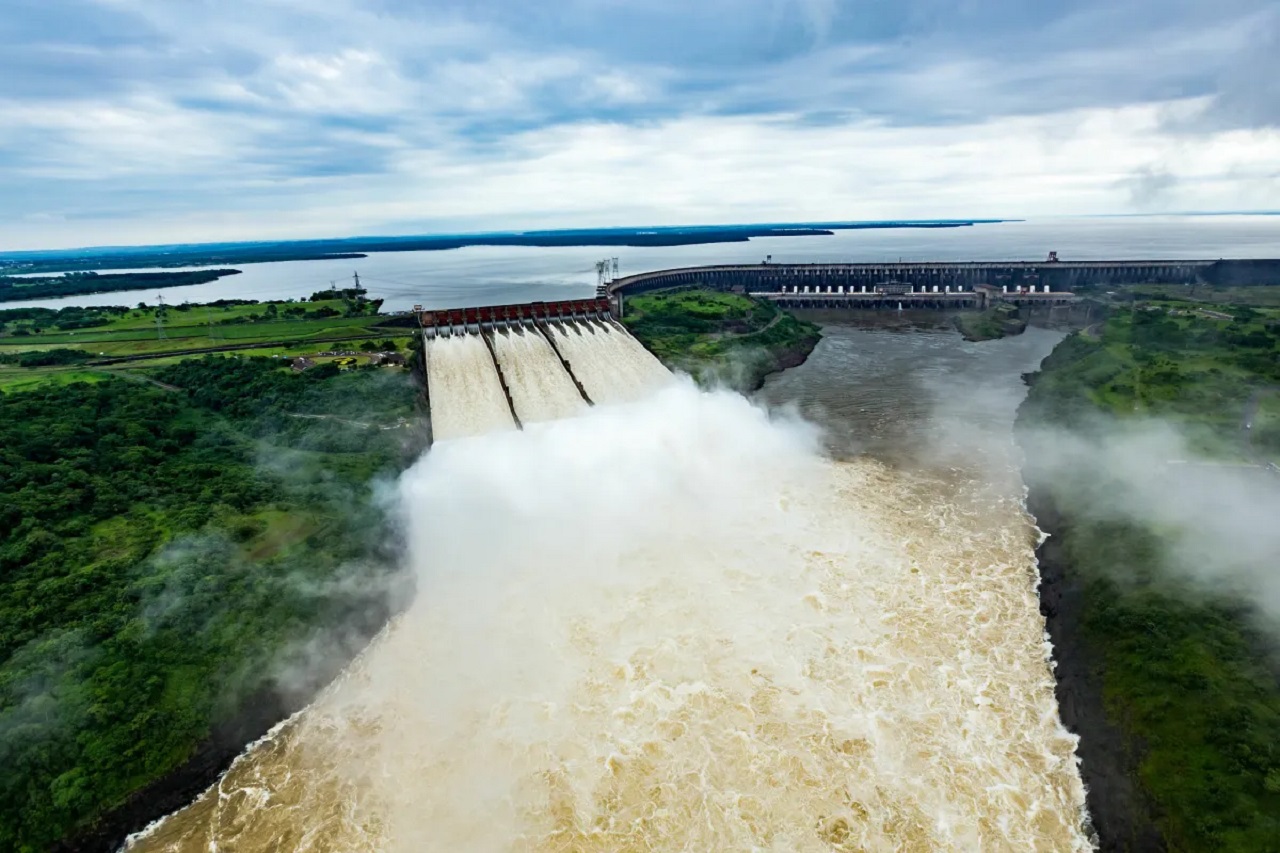
Itaipu Dam Just Announced an Increase in Its Energy Tariff. Measure, Taken Together with Paraguay, Should Impact the Electricity Bills of Many Brazilians.
This week, Enio Verri, the new General Director of Itaipu, announced that the energy tariff of the Itaipu Dam will be reviewed and increased. The amount of R$ 85.62 per kW has been in effect since January 1 of this year in the country, but it was unilaterally set by the Bolsonaro administration, without consulting the Paraguayan partner. The tariff agreed upon between the two countries last year was R$ 109.73.
About 85% of the Energy from the Itaipu Dam is Consumed by Brazilians


When the value of the energy tariff was announced, seen as a positive legacy of the previous government, energy sector experts were already warning that the current government would bear the political burden of raising the tariff, which should lead to an increase in the electricity bills of consumers.
According to Verri in an interview, the big question is that it is unlikely Paraguay will agree to lower it to R$ 85. The energy tariff of the Itaipu dam is directly linked to the country’s revenue, and they are in an electoral process; the circumstances are not favorable for that. The executive emphasizes that his role as director of the dam is to try to achieve the cheapest tariff possible for the country.
-
Researchers develop a hybrid air conditioning system that reduces energy consumption by up to 34.3% in humid climates.

-
BRICS power receives the largest oil shipment from Venezuela in six years after the Middle East war closed the route that supplied half of the country.

-
Digital marketing agency unexpectedly shuts down and defaults on over R$ 1 million to about 60 workers who are now filing police reports and seeking justice to receive overdue salaries.

-
The federal government will provide discounts of up to 90% on the debts of millions of Brazilians with the return of a social program that will prevent new indebtedness in 2026.

Despite the energy generated by the Itaipu Dam being split evenly between the two countries, Paraguay does not consume its entire share, and in the end, Brazilians from the South, Midwest, and Southeast consume 85% of the distributed energy, which affects the electricity bills in those regions.
Verri took office last Thursday (16), in a ceremony attended by technicians from the sector, politicians, and representatives of the governments on both sides of the border, including presidents Luiz Inácio Lula da Silva (PT) and Mario Abdo Benítez.
Annex C of the Bilateral Treaty
The general director emphasizes that the Itaipu Dam’s board will be formed by a majority of ministers. On Tuesday, almost all the names were confirmed in a meeting with President Lula and ministers Rui Costa, Alexandre Padilha, and Alexandre Silveira. Verri states that he cannot mention all the names because the president asked for a final review, but until then, the board was entirely formed by ministers. This choice aims to highlight the importance of the dam at an important moment in negotiations.
Starting this year, representatives from Brazil and Paraguay should participate in the renegotiation of the so-called Annex C of the bilateral treaty, which governs the company’s financial structure and energy marketing from the dam. The negotiations are expected to begin after the inauguration of the new president of Paraguay, which takes place already in August.
One of the topics to be discussed in the renegotiation is whether there will be a change in how the energy tariff of the hydroelectric plant is calculated, which directly impacts the electricity bills of many Brazilians. Currently, the unit does not generate profit, and the amount going to the electricity bill is meant only to cover the expenses of the binational.
The Itaipu Board Aims to Review the Management of the Dam’s Socio-Environmental Mission
Verri highlights that the new directors are still being selected, but confirms names such as Carlos Carboni, a lawyer for the Coordination Directorate, former chief of staff of the Civil House when Gleisi Hoffmann was minister.
The Legal Directorate was given to lawyer Luiz Fernando Delazari, former Secretary of Security of Paraná. The new general director indicates that he plans to review the management of the so-called socio-environmental mission of Itaipu. According to the director, the problem in recent years is that the infrastructure projects have remained and were not made in the same proportion as the previous investments in socio-environmental matters.










Seja o primeiro a reagir!