





 Portuguese
  English
  Spanish
  4 min of reading
  0 comments



Initiative Integrates Education, Technology and Entrepreneurship to Train Professionals Capable of Acting in the New Brazilian Energy Economy and in the Demands of Industry 4.0
Firstly, the advancement of renewable energies, the digitalization of electric grids and battery storage is transforming the way energy is generated, distributed, and consumed in Brazil.
In this context, the “Everything About Energy” ecosystem was officially launched on March 3, 2026, an initiative aimed at professional training and the development of solutions for the so-called energy economy linked to Industry 4.0.
Furthermore, the project was presented during a debate held by EnergyChannel, which brought together executives, specialists, and representatives of the electric sector.
-
Historic bankruptcy of Centauro shocks the market, and the century-old company puts more than 500,000 products, machines, and complete infrastructure up for online auction.

-
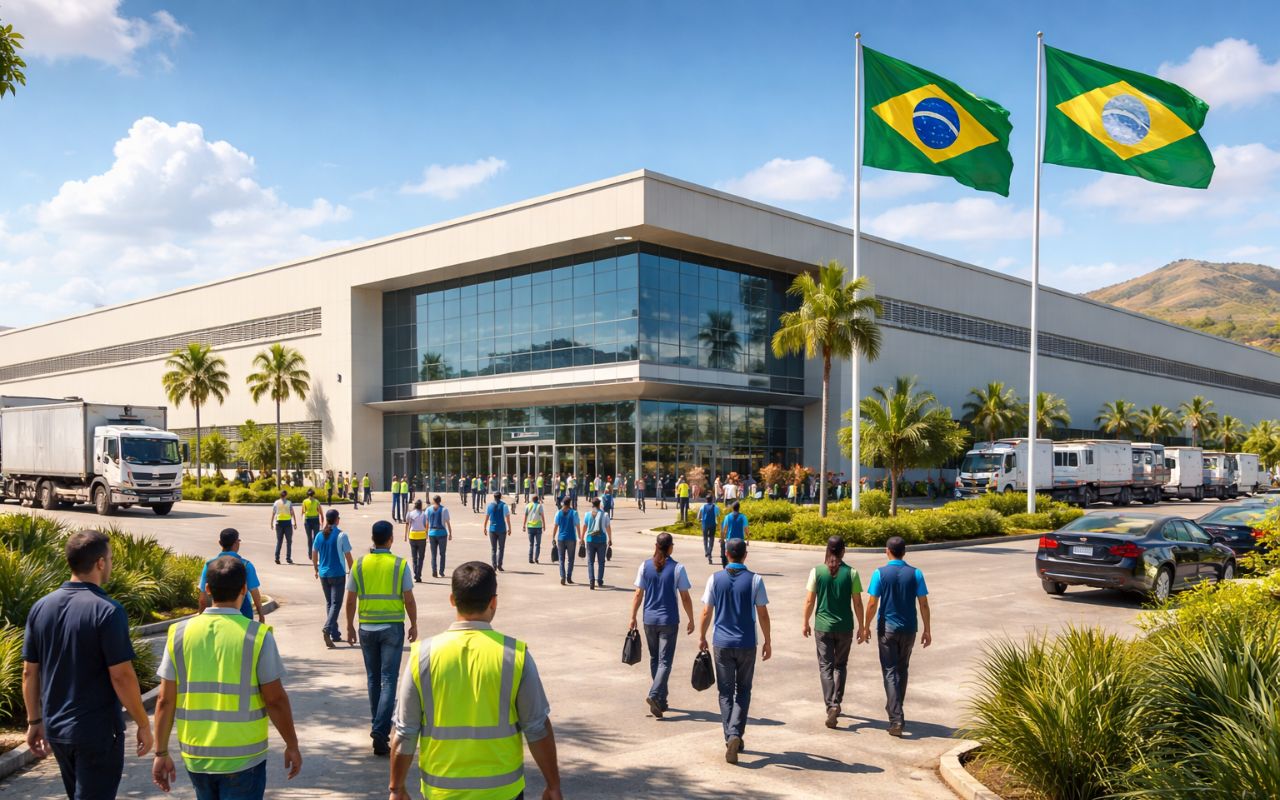
New shoe factory in Ceará is expected to create 400 jobs and strengthen the local economy.
-
No one imagined it, but a mixture of sawdust with a mineral that fights fires surprises scientists with a result that changes the course of fire-resistant construction.

-
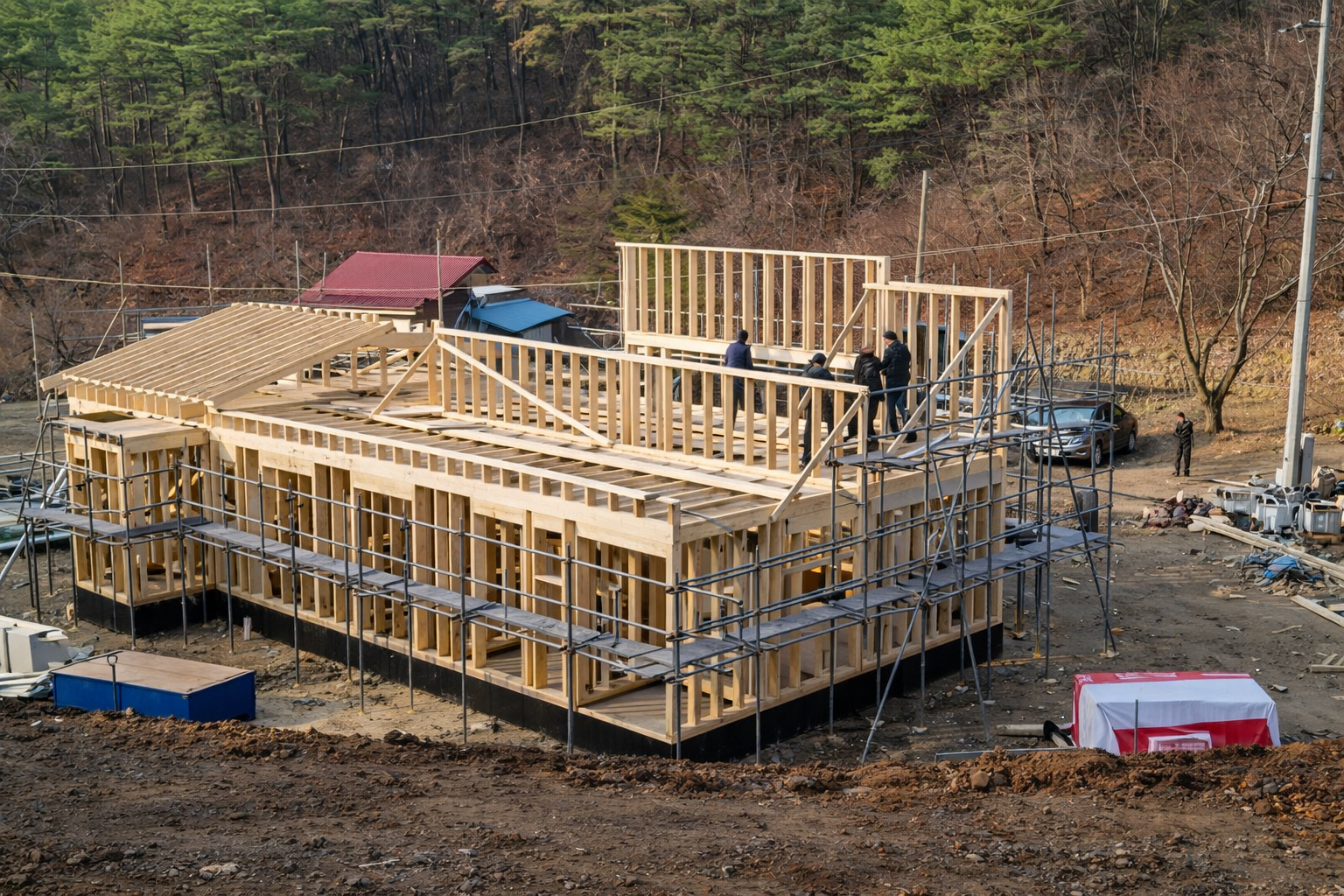
From empty land to a high-end house, wooden construction uses a lightweight system, metal structure for the foundation, ventilated ceramic cladding, and special windows to create an efficient and comfortable living space throughout the year.
During the meeting, therefore, the challenges of the Brazilian energy transition and the need for professional qualification to keep up with the technological transformations in the sector were discussed.
Integration Between Education, Technology and Innovation
Initially, the Everything About Energy ecosystem was designed by electric sector specialist Merivaldo Britto.
Moreover, the initiative arose from an academic research developed at the State University of Ceará (UECE).
According to the study, although energy technologies are advancing rapidly, there are still significant gaps in professional training and the capacity for innovation in companies.
According to Merivaldo Britto, the sector has evolved significantly in technology, but there is still a relevant gap when it comes to knowledge integration and specialized professional training.
Thus, the project aims to bring together education, technology, innovation, and entrepreneurship, preparing professionals and companies for a more digital, intelligent, and connected energy market.
Consequently, the goal is to align the Brazilian sector with the demands of the so-called Fourth Industrial Revolution.
Three Pillars Structure the Energy Ecosystem
To address the challenges identified by the research, the ecosystem was structured around three main pillars.
First, the project stimulates entrepreneurship and innovation in the energy sector.
In this sense, it seeks to broaden the vision of companies that, for years, have mainly focused on the sale of solar photovoltaic systems.
However, the market now demands more complete and integrated energy solutions, such as:
• Distributed energy generation
• Battery storage
• Electric mobility
• Energy efficiency
• Intelligent consumption management
Additionally, the second pillar involves the training of energy consultants.
These professionals are prepared to analyze clients’ energy consumption.
Subsequently, they can propose integrated solutions for homes, businesses, industries, and rural properties.
Finally, the third axis of the project involves the qualification of the so-called electrician 4.0.
This technical professional will be trained to work with solar systems, batteries, smart grids, electric mobility, and digital energy monitoring.
Strategic Technologies for the Future of Energy
In addition to professional training, the ecosystem aims to act in areas considered strategic for the future of the energy sector.
Among these areas stand out:
• Energy storage in batteries
• Electric mobility
• Integration of solar energy into architecture (BIPV)
• Security in energy systems
• Intelligent energy consumption management
Therefore, the initiative seeks to enhance the technological and innovative capacity of the Brazilian energy sector.
Smart City Project in Ceará Demonstrates Practical Application
In addition to training and innovation, some solutions advocated by the ecosystem are already being applied in real projects.
One example was implemented in Aquiraz, in the state of Ceará.
On site, a smart city project integrating solar generation and battery storage was developed.
The system has 69 kWp of photovoltaic generation and 32.2 kWh of energy storage.
Thus, the project allows for reducing the consumption of the power grid during peak hours, a strategy known as peak shaving.
Additionally, the system can ensure up to four hours of energy autonomy.
Consequently, the solution increases energy security, improves energy quality, and also reduces operational costs.
According to information presented during the debate, the project integrates an international initiative linked to the United Nations Environment Programme (UNEP).
Moreover, the initiative also involves the International Energy Agency (IEA).
The goal is to develop demand-driven digital electric grids.
Experts Discuss Challenges of the Energy Transition
During the event held on March 3, 2026, experts discussed key issues for the energy transition in Brazil.
Among the participants were:
• Merivaldo Britto, founder of the Everything About Energy ecosystem
• Daniel Danna, Secretary-General of the National Electric Energy Agency (Aneel)
• Zilda Costa, Vice President of the Brazilian Association of Distributed Generation (ABGD)
• José Luís Fontes, ESG Director of the Federation of Agriculture and Livestock of the State of São Paulo (Faesp)
• Marcelo Taborda, Commercial Director of RB Solar
• Rodrigo Cardoso Gatti, Country Manager of SMA Solar Technology
• David Sanfins, Executive of Astronergy
• João Carlos, CEO of Ecosunny
• Tiago Vianna, CEO of Enersim
• João Guimarães, Consultant of Kraften Energy Consulting
During the debate, the growth of renewable energies, regulatory challenges, and the increasing demand for qualified professionals were addressed.
Training Professionals Will Be Decisive for the Energy Economy
Finally, according to Merivaldo Britto, the advancement of energy infrastructure will depend not only on new technologies.
Additionally, it will mainly depend on the preparation of professionals capable of leading this transformation.
Thus, the goal of the Everything About Energy ecosystem is to train a new generation of specialists prepared to sustain the growth of the Brazilian energy economy in the coming years.
In this way, the initiative seeks to contribute directly to the development of the new energy economy in Brazil.








Seja o primeiro a reagir!