





 Portuguese
  English
  Spanish
  5 min of reading
  0 comments


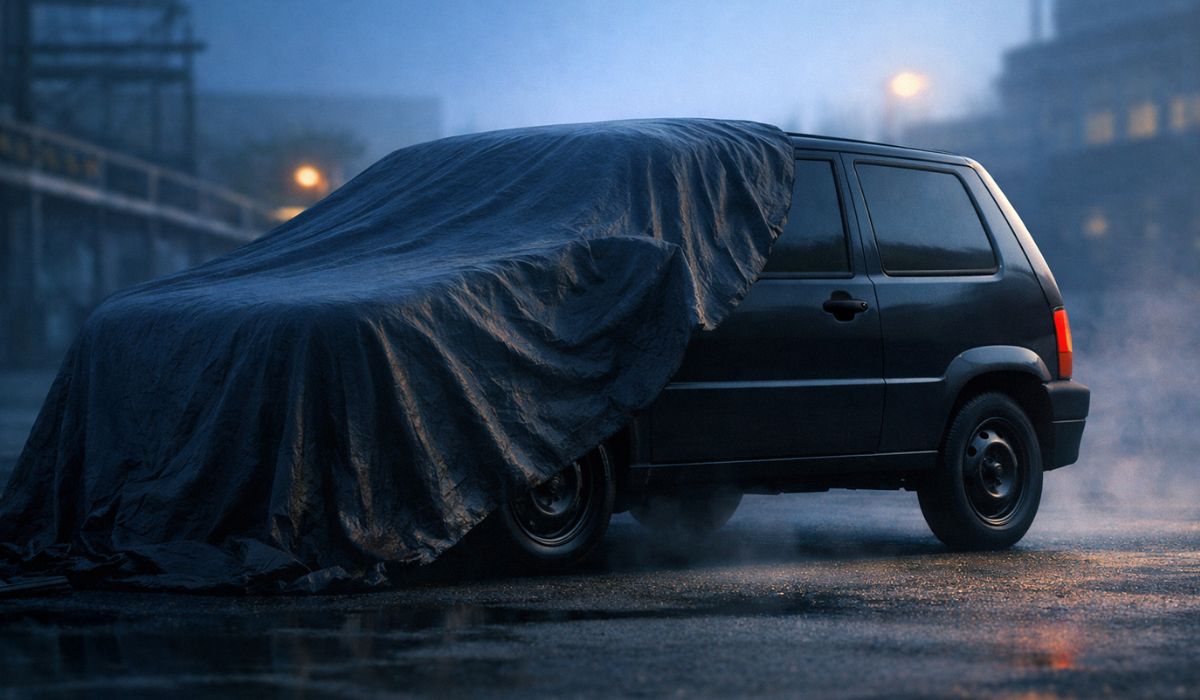
Spy Shots of the Hatch Reveal a Simpler Configuration and Reinforce Signs of Fiat’s Strategy for the Successor of the Argo in Brazil, in a Project that Brings Together European Design, Local Adaptation, and Competition in the Compact Segment.
The hatch that will give rise to the new Argo in Brazil has reappeared in testing, and this time revealed details that help to project what the entry-level versions of the national model might look like.
Images taken outside the country show a car with a simpler proposal than that presented in the Fiat Grande Panda European model, visual and technical reference for the project that Stellantis is developing for the Brazilian market.
Recent records and industry reports indicate that the new generation of the Argo will be directly inspired by the Grande Panda and will adopt a configuration adapted to the local market.
-
A brand new car starts at around R$ 75,000 in Brazil, but what stands out the most is seeing streets filled with SUVs and expensive sedans in a country where millions remain in debt.

-
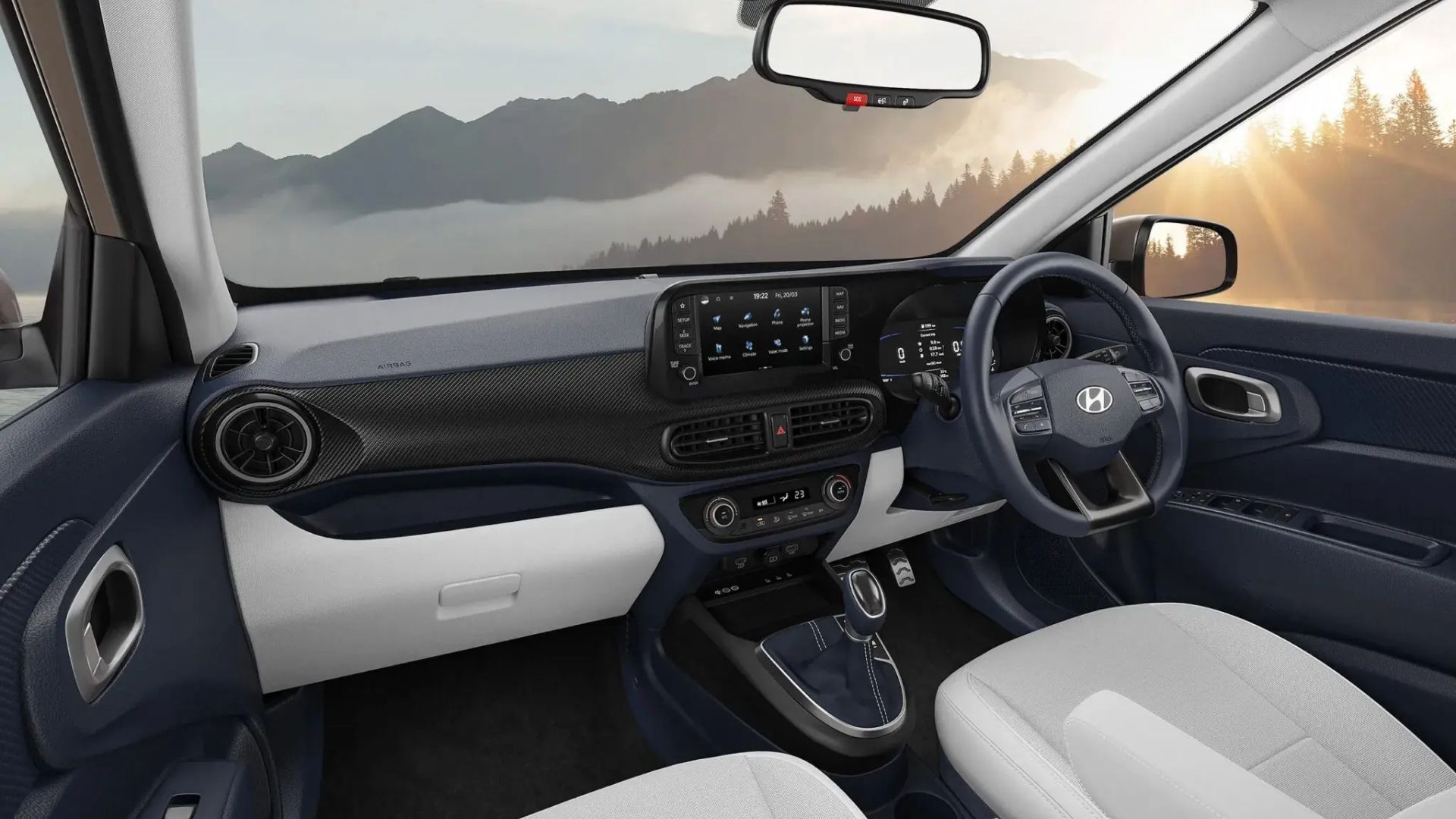
For R$ 32,000, a brand new Hyundai car is a rival to the Kwid with a 1.2 engine producing 82 hp, 6 airbags as standard, multimedia with wireless Android Auto, up to 391 liters in the trunk, and a refreshed look for 2026 in India.
-
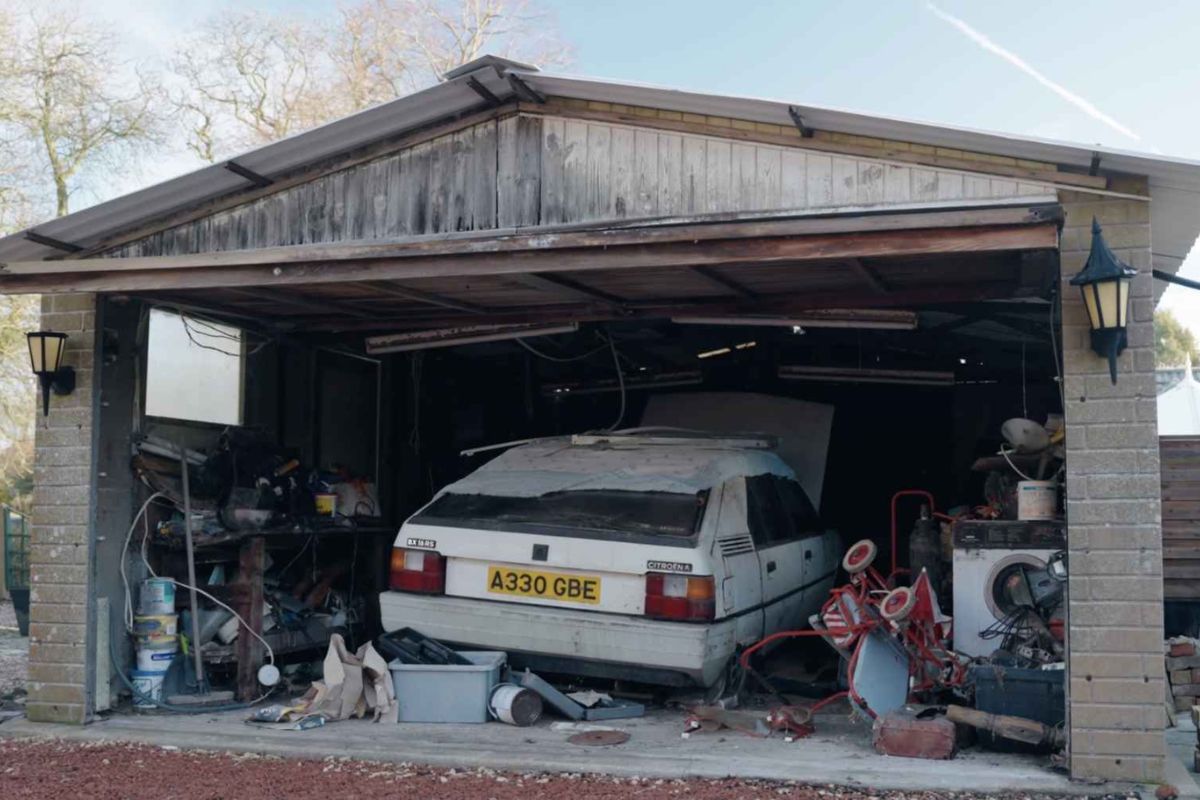
He bought a new car in 1983, locked it in the barn in 1988, and no one opened the door for 38 years until the family discovered what was stored inside and realized it looked like something out of a movie.
-
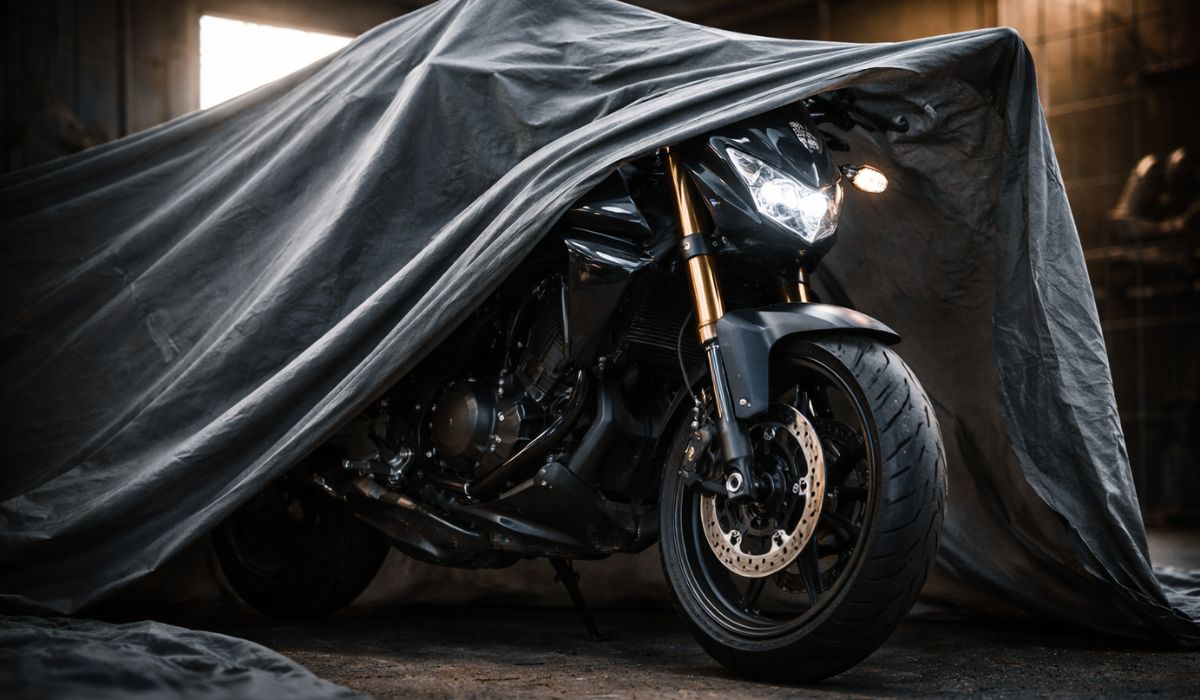
A 250cc motorcycle that can reach 560 km with a 14-liter tank, features disc brakes on both wheels and is among the most well-known in Brazil.

The images show steel wheels, a cabin without the screen set seen in more expensive versions of the European hatch, and a simplified optical assembly.
These elements reinforce the reading that Fiat is expected to maintain an entry-level version with more basic equipment.
New Fiat Argo in Testing Shows Entry-Level Version
The images of the car in testing indicate that the future hatch is expected to maintain a body design with straight lines, a tall profile, and more robust proportions than the current Argo.
Even without all the definitive elements exposed, it is already possible to identify a visual proposal different from the generation sold today in Brazil, with a more vertical appearance aligned with the language presented by Fiat in Europe with the Grande Panda.
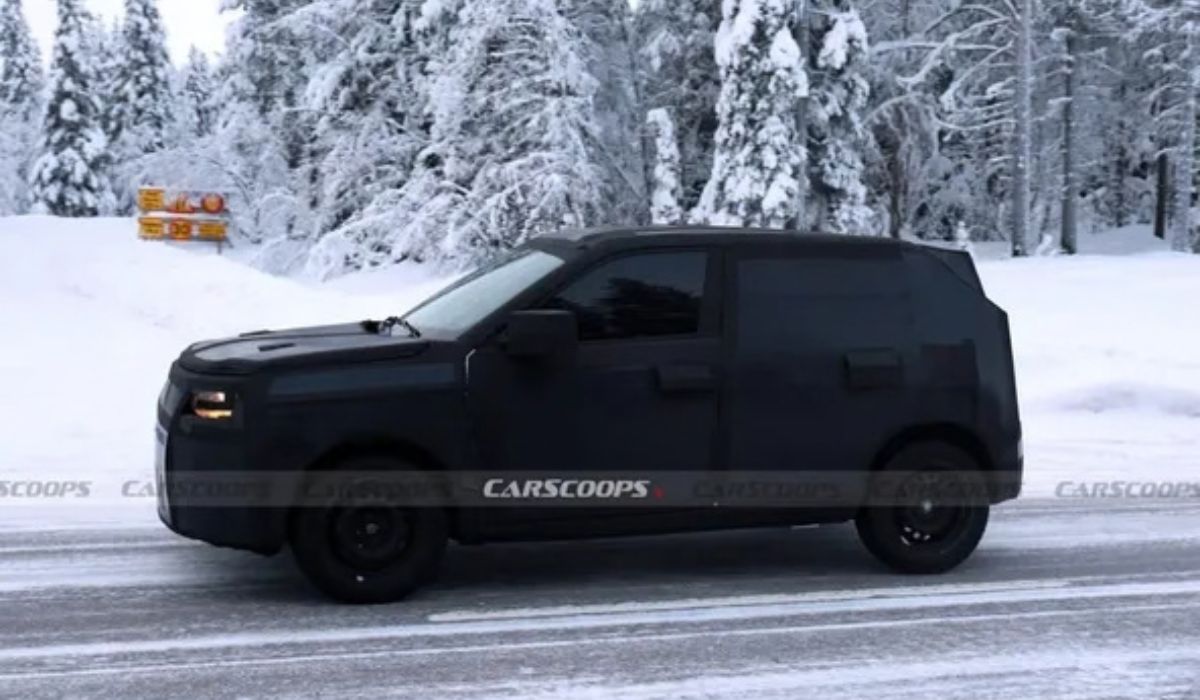
In the spotted prototype, some items found in the higher configurations of the European model are absent.
This includes the alloy wheels and a more sophisticated interior, featuring a digital dashboard and prominent multimedia center.
In their place, simpler components emerge, compatible with an entry-level finish.
This configuration repeats a known formula in the Brazilian market.
Steel wheels, for example, tend to equip more affordable versions and help position the product in lower price ranges.
The association with the old Fiat Uno appears in this context and also in the more “square” format of the body, a characteristic that fueled speculation in recent months about what name the brand would adopt in the country before specialized news pointed to maintaining the name Argo.
Headlights, Interior, and Visuals of the Fiat Hatch
Another aspect observed in the spy shots is the front end.
In the most publicized European versions of the Grande Panda, the hatch gained prominence for its pixelated style elements and lighting signature.
However, in the car being tested, aimed at a simpler configuration, this feature does not appear in the same way.
Instead of the more elaborate assembly, basic-designed headlights are present, associated with an entry-level proposal.
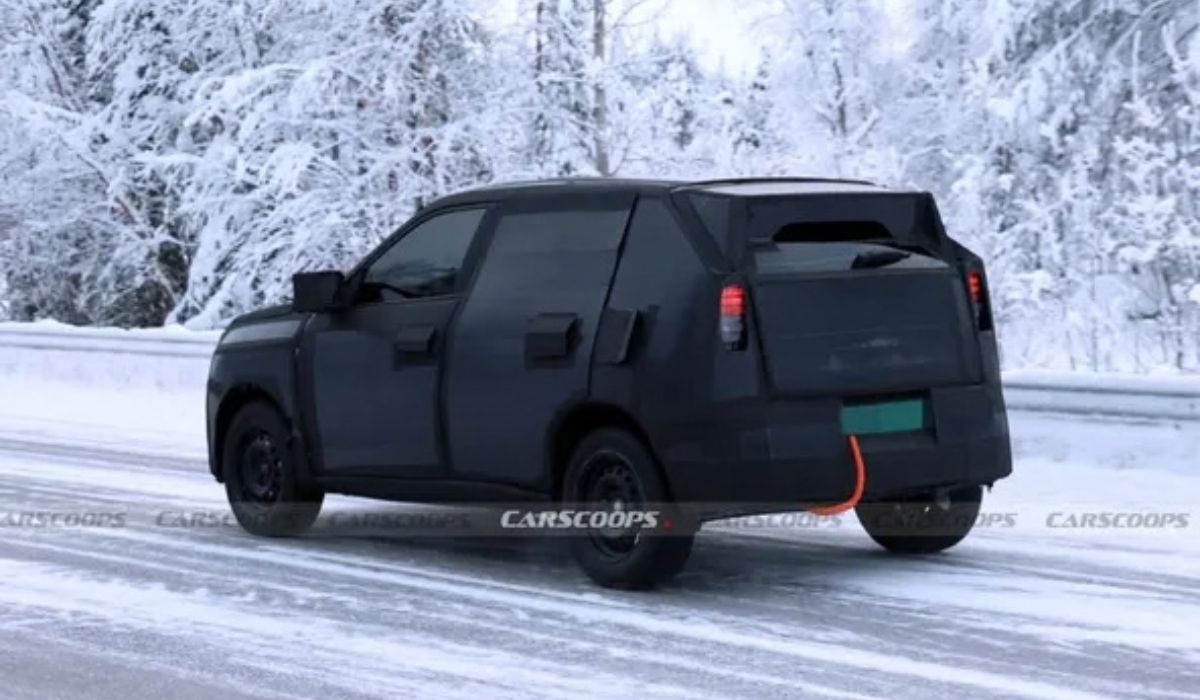
The hatch retains the overall shape that brings the future Argo closer to the Grande Panda, but without fully reproducing the visual features found in the more equipped versions sold in Europe.
The cabin follows the same logic.
In the European market, Fiat highlights the Grande Panda with a 10-inch digital dashboard and a 10.25-inch multimedia center in certain versions.
The simplified configuration prototype, in turn, indicates a less sophisticated interior, without fully replicating this package.
For Brazil, this movement aligns with the usual strategy of offering leaner versions in the entry-level ranges.
Smart Car Platform and Citroën C3 Base
Under the bodywork, the main change lies in the model’s architecture.
The European project of the Grande Panda uses the Smart Car platform, the same technical family that also originated the new Citroën C3 sold in Europe.
This base has been presented by Stellantis as a versatile structure, capable of accommodating different engines and aimed at accessible profile models.
This detail helps explain why the successor to the Argo is expected to change not only in appearance but also in proportions.
Instead of the low and more traditional hatch of the current generation, the trend pointed out by the project is for a taller car with increased ground clearance and a more robust design.
The comparison with the C3 appears precisely at this point: it is a compact with an elevated stance, rather than an SUV.
The dimensions of the European Grande Panda further reinforce this reading.
The model is similar in size to the current C3 of this new family, indicating that the future Argo is expected to occupy a similar market segment, albeit with its own identity within Fiat.
The change, therefore, extends beyond style and also reaches the concept of the car.
New Argo Engines Still Without Official Definition
In the mechanical field, there is still no official confirmation from Fiat regarding the Brazilian lineup of the new Argo.
Some specialized press mentions the possibility of the hatch adopting the 1.0 Firefly naturally aspirated engine for entry-level versions and electrified alternatives based on a turbo setup with a 12-volt mild hybrid system for higher versions.
Without a formal announcement from the automaker, however, these details should be treated as industry expectations, rather than official definitions.
The most reliable picture, thus far, is of a national project derived from the Grande Panda, adapted to the Brazilian market and with the possibility of offering different trim levels.
Furthermore, the tests already allow for identifying the intended positioning for the hatch.
The model is expected to combine a more modern base, visuals aligned with the Grande Panda, and versions with different equipment levels, from the simplest to the most complete.
Within this configuration, the new Argo appears as the next renewal from Fiat in the compact segment in Brazil.









-

-

-

3 pessoas reagiram a isso.