





 Portuguese
  English
  Spanish
  3 min of reading
  26 comments




Nuclear Fusion Technology Could Cut Interplanetary Mission Times In Half
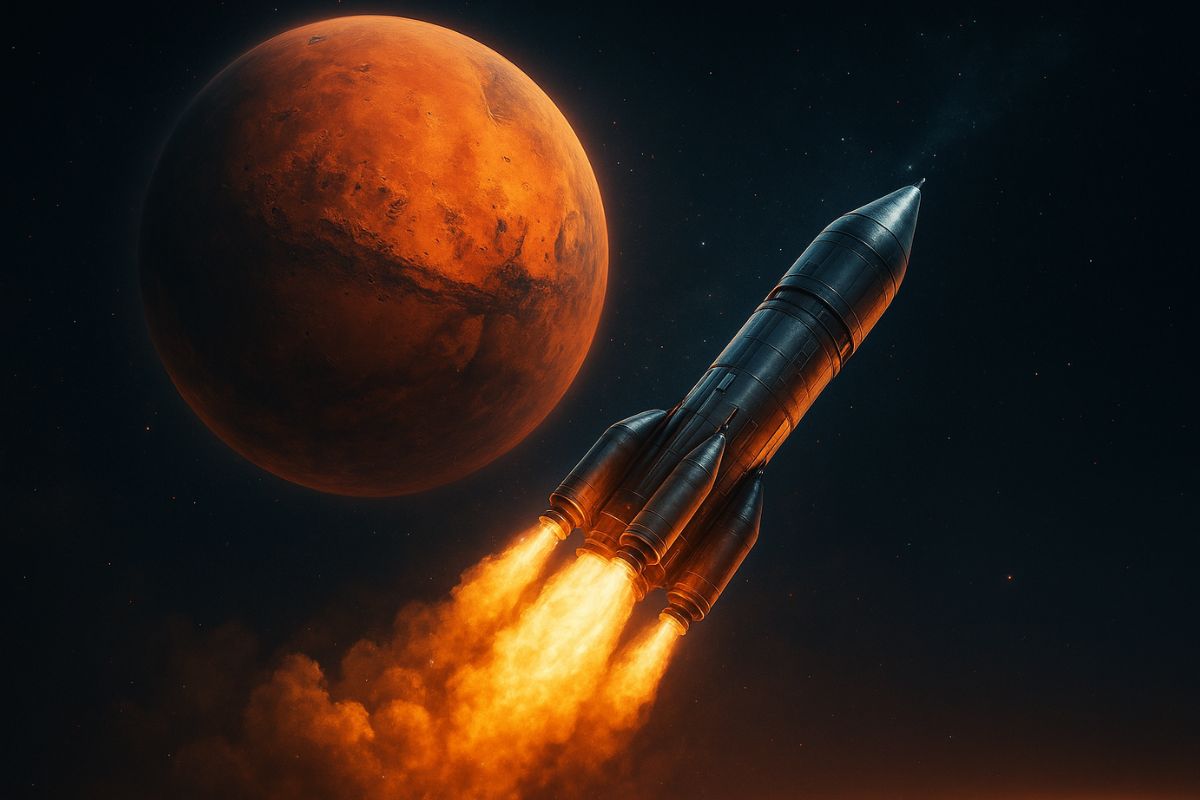
A British startup is developing a nuclear fusion-powered rocket that promises to travel to Mars in record time. The technology, still in the simulation phase, could reach speeds of up to 800 thousand km/h, paving the way for a new era of faster, more efficient, and sustainable space missions.
The project is led by Pulsar Fusion, with support from the UK Space Agency, and represents a breakthrough in the use of chemical fuels, which currently dominate the aerospace sector. If confirmed, the innovation could significantly reduce costs and timelines for expeditions.
How Does This Rocket Manage To Be So Fast?
Pulsar Fusion’s proposal is based on a linear nuclear fusion reactor, which uses the fusion of hydrogen atoms to release massive amounts of energy — the same process that occurs in the sun’s core. This energy is directly converted into propulsion, with performance far superior to current systems.
-
In Mexico, a 3,000-year-old Maya site with the dimensions of an entire city may have been built as a colossal map of the cosmos, created to represent the order of the universe and reveal how this people organized space, time, and rituals.

-
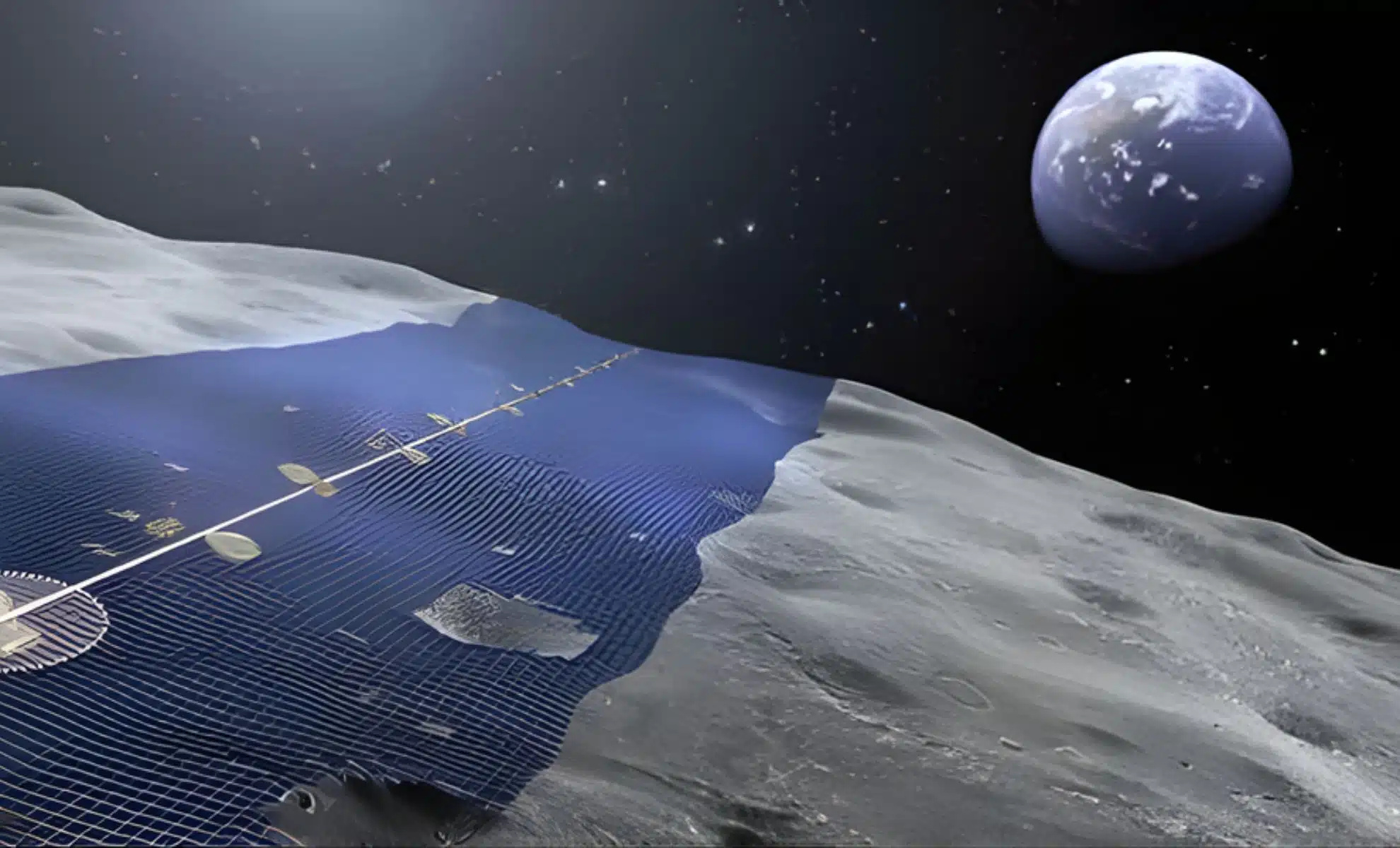
Japan wants to build a solar ring of 10,900 kilometers on the Moon to continuously send energy to Earth.
-
Weighing almost 1 ton, with temperatures of up to 3,000°C, the ability to launch 10,000 fragments within a radius of 1 km, capable of penetrating concrete and melting steel, Turkey’s terrifying bomb emerges as one of the most destructive non-nuclear weapons ever presented.

-
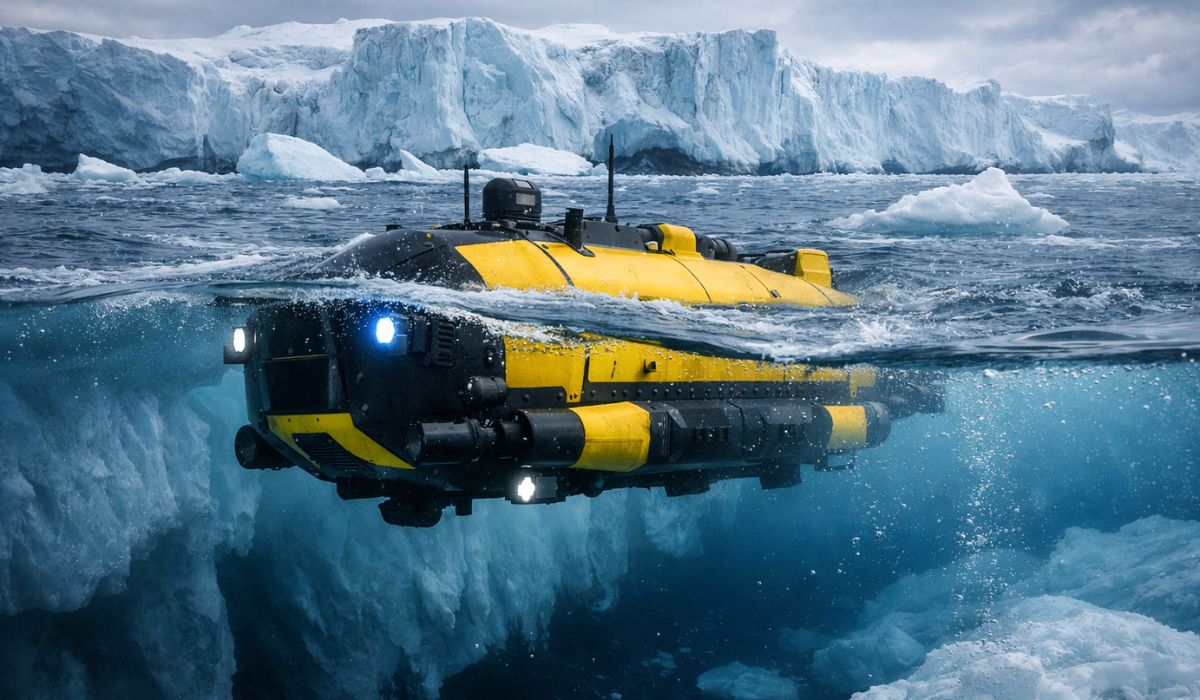
After a submarine disappeared beneath the “Doomsday Glacier,” scientists announce a new monstrous machine capable of operating at 3,000 meters depth to return to the heart of the ice and investigate a threat that could raise sea levels worldwide.

Unlike traditional circular reactors, the company’s model adopts a straight design, expelling particles at extremely high speed directly opposite to the ship’s direction of movement.
The rocket has been named Sunbird and is expected to function as a high-speed auxiliary module, attached to spacecraft already positioned in orbit. Its role would be to accelerate payloads and missions toward distant destinations in the Solar System.
What Is The Impact For Mars Missions?
If the tests are successful, the Sunbird could cut travel time between Earth and Mars in half, shortening a journey that currently takes 7 to 9 months to around 3 to 4 months. This would completely change the logistics of future human and robotic missions to the red planet.
Simulations from Pulsar indicate that the rocket could transport up to 1 ton of cargo to Pluto in just four years — something unthinkable with current technologies.
Furthermore, because it does not generate dangerous radioactive waste, nuclear fusion presents a safer and more environmentally viable option than traditional fission.
When Do Real Tests Begin?
The company plans to conduct the first test in orbit in 2027, which would mark a turning point in the search for next-generation space technologies. There are still obstacles, such as miniaturizing fusion systems for operation aboard spacecraft, but advances are already exciting the scientific community.
If validated in practical tests, the Sunbird could redefine the speed limit of space exploration and significantly expand the reach of human and robotic missions in the coming years.
Do you think fusion rockets will really take humans to Mars faster? Or is it still early for such excitement? Share your opinion in the comments — we want to know what you think about the future of interplanetary travel.







Isso ainda é muito pouco para a tecnologia q tenho em mente consigo ter o poder do sol nas Palmas da minhas mãos com um motor de fusão nuclear com energia infinita e q se renova sozinha podemos viajar para qualquer vastidão do espaço só preciso de uma oportunidade já pedi essa oportunidade a anos e não me deram tão perdendo tempo
Acredito que sim ,lembro o início do programa a viagem a lua . Agora vamos para marte. de
“Se você pode pensar, você pode fazer” – Albert Einstein.