





 English
  Francês
  Alemão
  Italiano
  Japonês
  Norueguês
  Portuguese
  Spanish
  3 min of reading



Through the National Land Credit Program or the National Rural Housing Program, rural workers who wish to improve their quality of life and also increase the infrastructure and development of their business can request rural financing for land acquisition, obtaining a line of credit.
This line of credit from the PNHR is present and has enormous potential to help workers and residents of the rural areas. According to disclosures, the new government has managed a ‘good margin’ in budgets and the guarantee of continuity of programs, still aiming for improvements for this working class.
From the approval of the registration, this rural producer can undertake construction or even renovations of the rural property, with the lowest interest rate in the country. The PNHR is a regulation made by Interministerial Ordinance No. 172, of 10/05/2016.
It is also a subprogram of the My House My Life Program – PMCMV, with the purpose of subsidizing productions or renovations of properties for family farmers and rural workers, all through operations of resource transfers from the General Budget of the Union – OGU or Housing Financing with Resources – FGTS.
-
Gasoline prices soar and the question arises: is ethanol more advantageous? The 70% rule reveals the limit with gasoline.

-
The government has made a decision and is starting a test with more ethanol in gasoline, anticipating a mixture of up to 35%, diesel with 25% biodiesel, and a study to assess the impacts on engines.

-
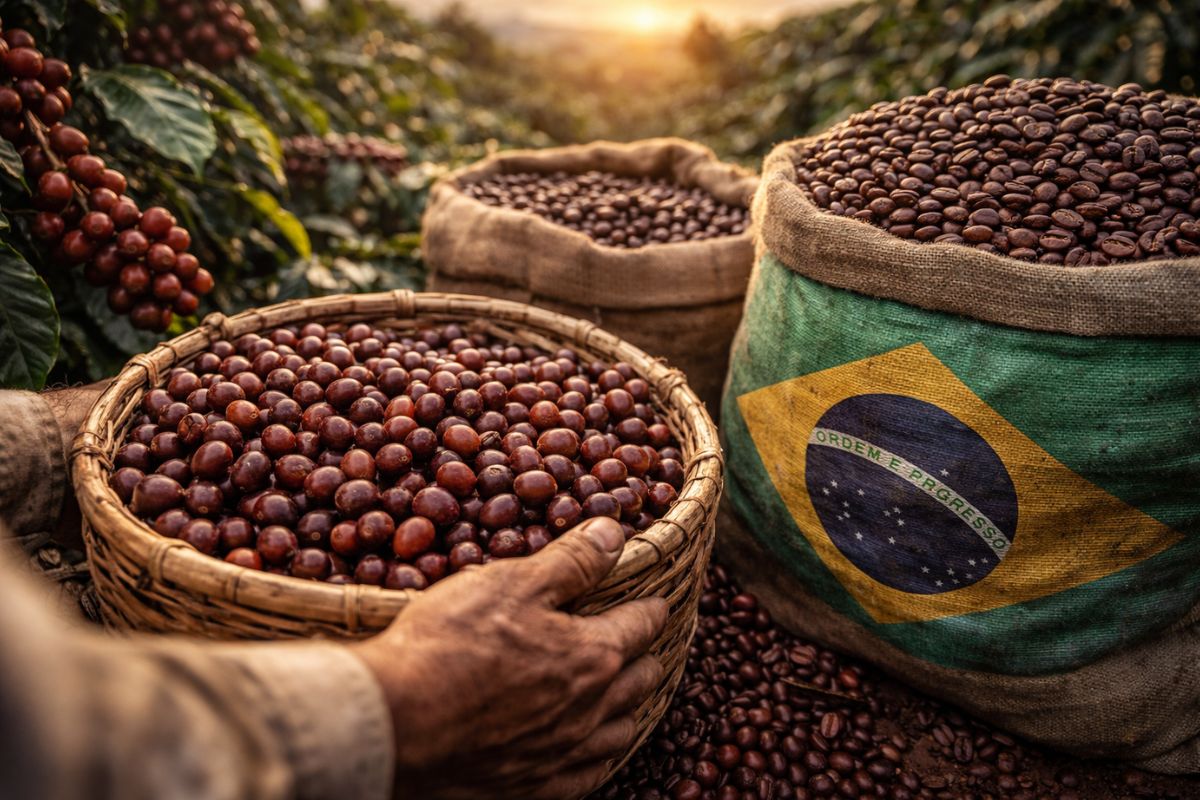
Brazil is the largest coffee producer in the world, but four foreign companies control more than half of the domestic market, including brands that you probably have in your kitchen like Pilão, 3 Corações, Melitta, and Nescafé.
-
Expansion of Federal Institutes: 38 new campuses and R$ 200 million for public education; see the cities included.


Rural Property Financing


The PNHR also enables the construction or renovation of rural housing units, through partnerships, normally made by Organizing Entities (EO), designated for families that fall within the scope of the PNHR.
The target audience of the Program includes: Family farmers, rural workers, settlers of the National Land Reform Program (PNRA), quilombolas, extractivists, artisanal fishermen, riverside dwellers, indigenous people, and other traditional communities.
These beneficiaries will be classified into one of the following income groups:
– Group 1: Families with a gross annual family income of up to R$ 15,000.00.
– Group 2: Families with a gross annual family income of up to R$ 15,000.01 up to R$ 30,000.00.
– Group 3: Families with a gross annual family income of up to R$ 30,000.01 up to R$ 60,000.00.
Accordingly, the families that will be benefited cannot cede, sell, transfer the residence or transfer during this contract duration.
Some Program Conditions:
– Cannot be on the Informative Register of Unpaid Credits of the Federal Public Sector (CADIN);
– Cannot own other rural and/or urban properties, except for the construction or renovation object;
– Cannot have been benefited by other housing programs – National Register of Borrowers (CADMUT).
The beneficiary groups must be uniform, according to the requirements below:
– All beneficiaries of the group must be family farmers or rural workers;
– All beneficiaries must be classified within the same income bracket of the PNHR;
– All projects must have the same purpose: construction or renovation;
– Each group presented, by the EO, can also contain more than one model project.
Method of Service:
All beneficiaries are also served collectively, still in groups organized by the Organizing Entities. These groups will consist of a minimum of four and a maximum of fifty participants. In cases of land reform settlements, collective projects of more than fifty participants may also be approved.







Seja o primeiro a reagir!