





 Portuguese
  English
  Spanish
  3 min of reading
  14 comments


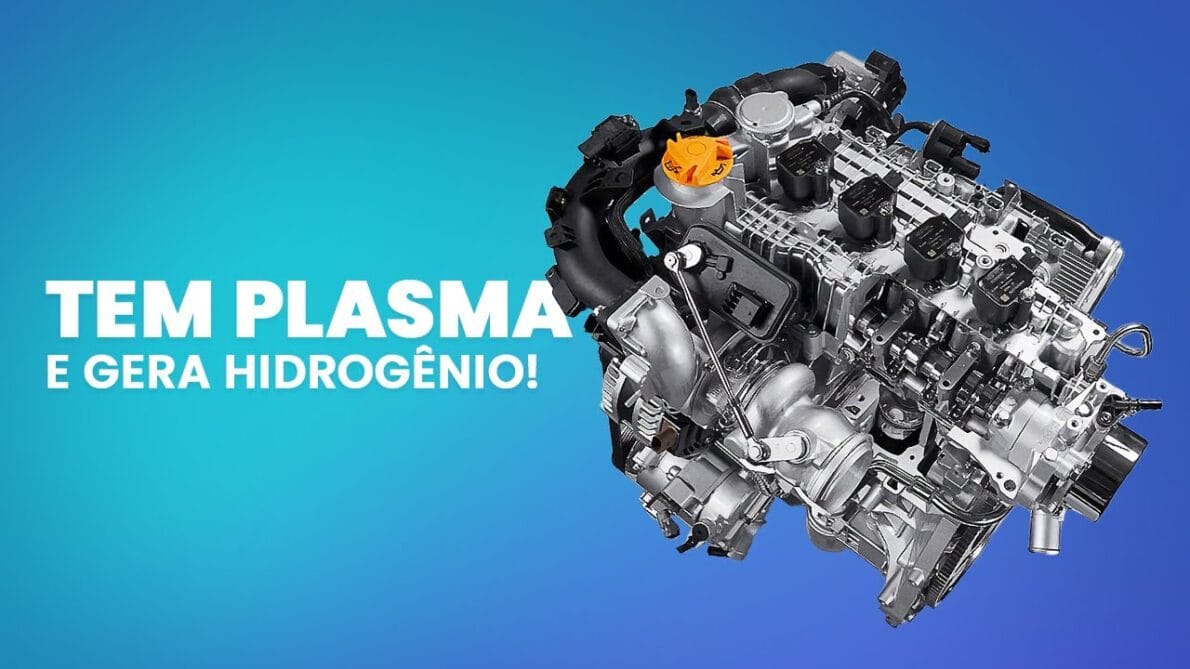

The Multinational Stellantis Plans to Launch a New 100% Ethanol Turbo Engine in the Brazilian Automotive Market That Could Revolutionize the Segment. Understand All the Details and Configurations and How the New Engine Will Work.
In 2019, at the time of the inauguration of its new engine factory in Betim (MG), the multinational Stellantis revealed to the automotive market a new project for a high-efficiency ethanol turbo engine, named E4, based on the 1.3 GSE T4 flex turbo engine, which in Fiat and Jeep cars became known as Turbo 270 or T270.
The ethanol turbo engine project was shelved shortly after, but resurfaced in 2023 when Stellantis disclosed to journalists its interest in betting more on biofuel derived from sugarcane, either through hybrid flex engines, according to the newly launched Bio-Hybrid family, or through powertrains powered solely by ethanol.
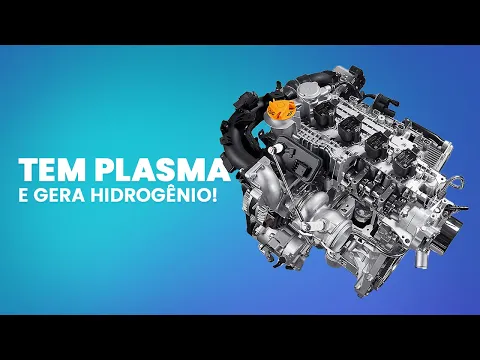

During the launch of the Bio-Hybrid platform, which will consist of three different types of hybrid propulsion, Stellantis executives provided small updates on how the development of the company’s ethanol turbo engine is progressing. Apparently, the project has taken surprising directions in the global automotive market.
-
Engineers propose a fourth traffic light for intersections – the change promises to affect crossings, queues, and waiting times.

-
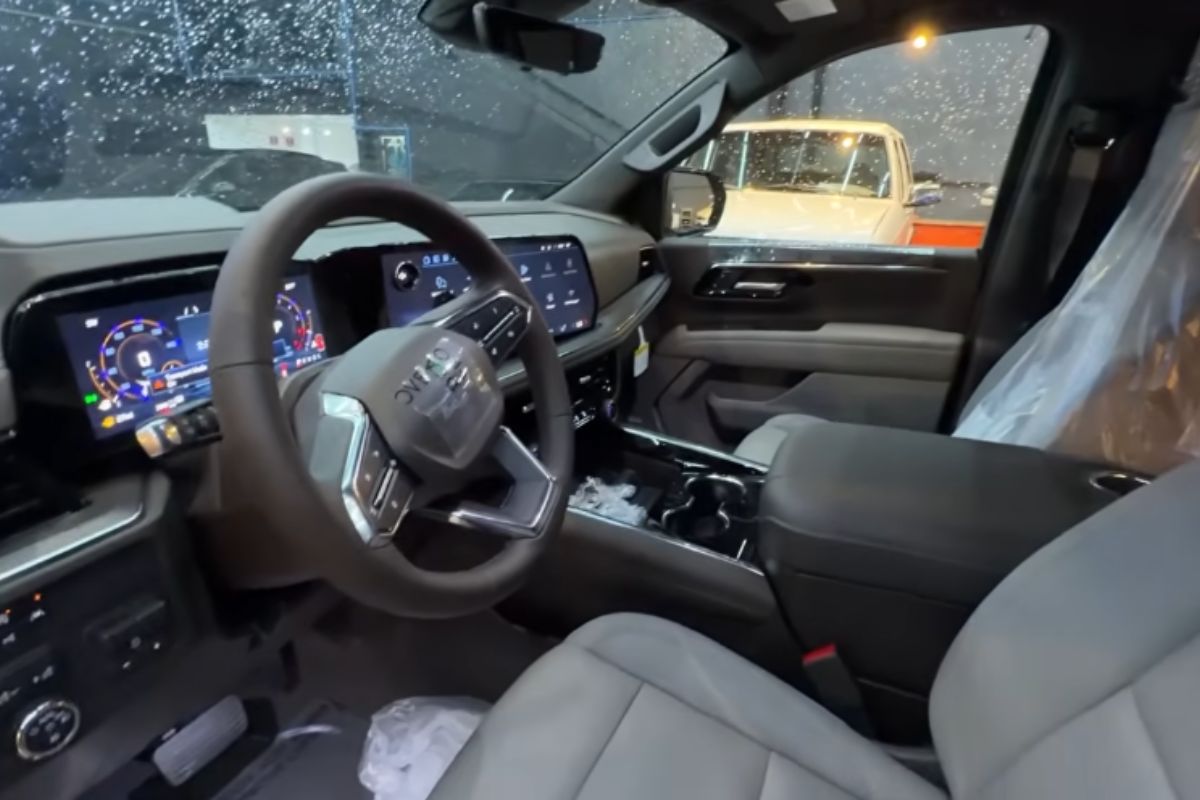
Chevrolet Suburban Z71 lands in Brazil with a V8 engine, off-road design, air suspension, seven seats, and colossal size, a rare version imported for around R$ 1.3 million with luxury and exclusivity.
-
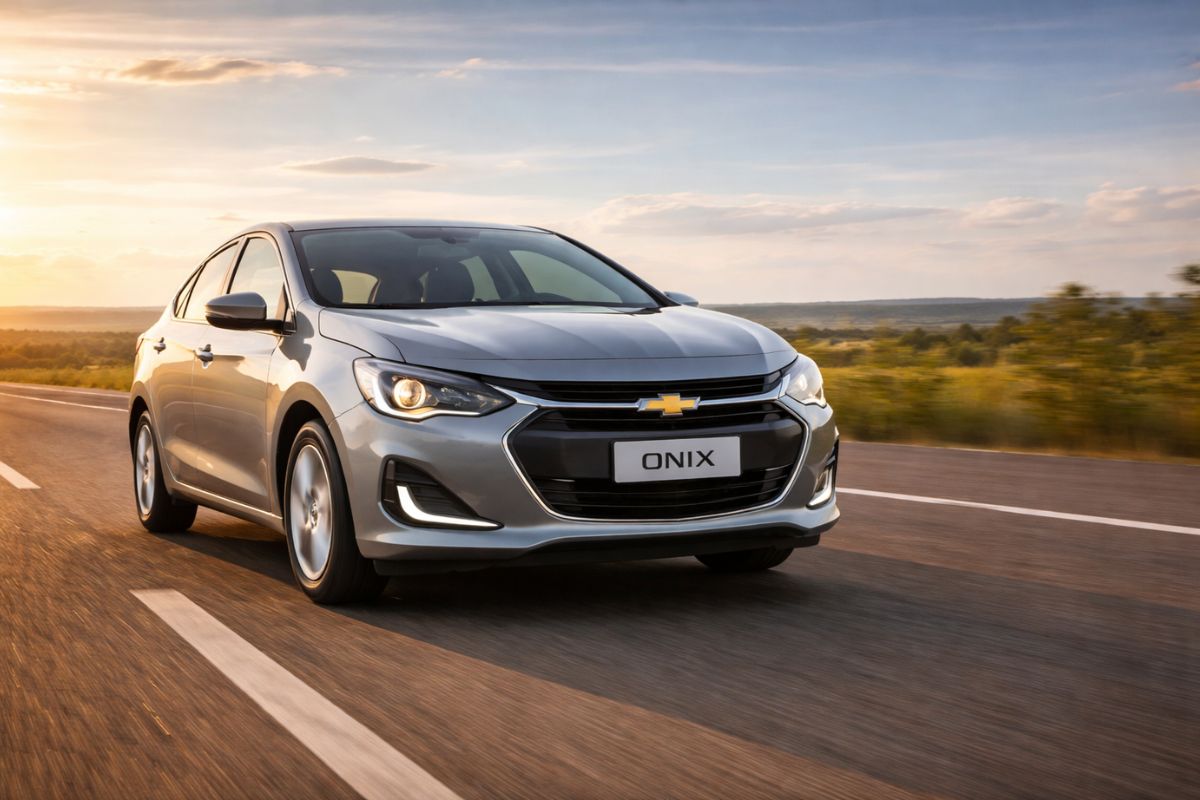
The Chevrolet Onix 1.0 turbo achieves 17.7 km per liter on the highway and ranks among the three most economical cars in Brazil in 2026, alongside two more expensive Toyota hybrids available at dealerships.
-
Little sister of the Hilux: Toyota launches Land Cruiser FJ with 4 radical versions, 2.7 engine with 166 hp and 4×4 traction with locking.

Understand Stellantis’ Strategy in the Automotive Market with the Development of Its New Diesel Turbo Engine
If the information is correct, the new ethanol turbo engine is no longer being developed to drive the wheels, but rather to serve as a power generator for an electric engine, similar to Nissan’s e-Power system.
However, the system still includes a micro reformer aimed at optimizing the engine’s operation and energy generation. The goal would be to offer the technology not for passenger cars, but rather for larger utility vehicles that require greater autonomy to operate.
How Will Stellantis’ New Ethanol Turbo Engine Work?
Unlike the Nissan e-Power system, used in compact passenger vehicles that can operate with relatively small energy volumes, utilities like passenger vans and larger cargo vans require more torque and elasticity to operate.
Consequently, they need more simultaneous energy to run and greater autonomy for long distances. This would justify the use of the four-cylinder GSE engine, rather than the three-cylinder version, with turbocharging. The reformer would be used for the so-called Exhaust Gas Reforming (EGR), an evolution of the EGR system present in diesel engines.
Through this ethanol turbo engine from Stellantis, there would be a catalyst for these gases and small amounts of ethanol, turning the gases that would be expelled through the exhaust into four others: Hydrogen (H2), Carbon Monoxide (CO), Carbon Dioxide (CO2), and Methane (CH4). The hydrogen and carbon monoxide would be returned to the combustion chamber. This H2 allows for plasma ignition, which is less aggressive, consuming less energy and improving fuel efficiency, while further reducing emissions.
Stellantis Also Plans a New Flex Hybrid Engine
In addition to the ethanol turbo engine, Stellantis is also developing a new flex hybrid engine, capable of using other biofuels in combination with electric motors, reducing costs and carbon footprint.
According to Stellantis executive Antonio Filosa, Brazil has ample alternatives to quickly reduce CO2 emissions from vehicles through the combination of its biofuels with electrification, but incentives are needed for this transition to happen.
The executive, regarding recent media criticisms about ethanol delaying electrification and the technological progress of the country, commented that abroad, this unique Brazilian advantage is very well recognized, but it seems that Brazilians undervalue the immense alternatives that only exist here.









Motor a combustão é pra museu. Vamos ficar pra trás perante o resto do mundo. Não tem como competir com motor elétrico. A unica coisa que ainda segura sua completa supremacia são as baterias. Que muito rapidamente vai ser resolvido. E não vai ser por gerador a combustão. Etanol = hidrogênio. Ai sim estamos no caminho do futuro.
Excelente projeto, seria uma espécie de ciclo combinado atalmente usado nas usinad a GN, com 40% de eficiência sobre o comvencional.
Em se tratando de menores potências e novas tecnologias pode-se elevar a eficiência fo sistema.
Infelizmente o brasileiro tende a valorizar o que não é produzido no pais