






 Portuguese
  Spanish


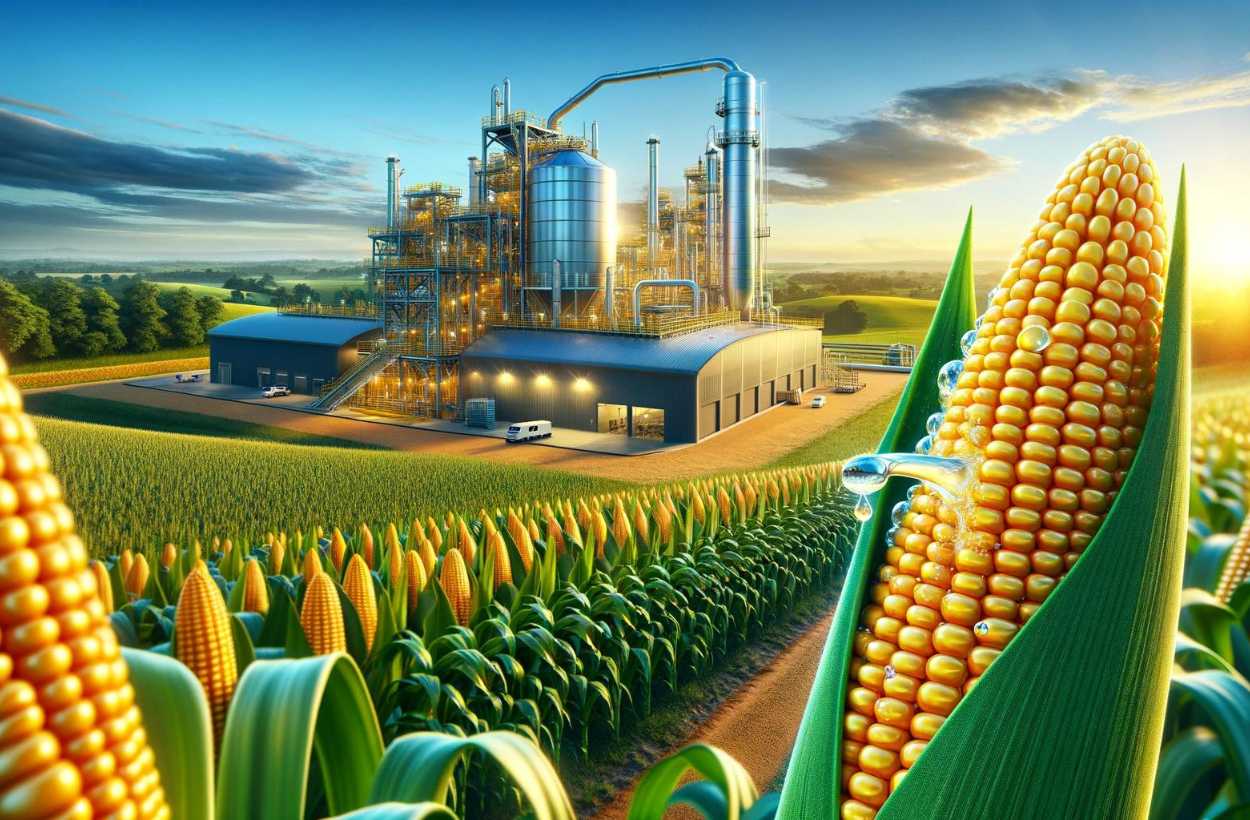

Corn Ethanol Production Employs an Innovative Process That Converts Corn Starch Into Sugar, Which, Through Fermentation and Distillation, Is Transformed Into Biofuel, Maximizing Efficiency by Utilizing Byproducts for Animal Feed and Energy.
Corn ethanol is produced through an innovative process that begins with grinding the corn, turning the grains into a fine flour. This is then mixed with water and enzymes, initiating the breakdown of starch into sugar. After the conversion of starch, the mixture goes through cooking and fermentation, where the sugar is transformed into alcohol.
Finally, the ethanol is extracted through distillation, resulting in an efficient and sustainable biofuel. During the process, all byproducts, such as fibers and oils, are utilized for other purposes, such as animal feed and biodiesel production, ensuring an almost complete utilization of corn.
Step by Step for Corn Ethanol Production Is Completely Sustainable and Automated


This detailed process of corn ethanol production is a clear example of circular economy, where every component of the corn is valued. After grinding and enzymatic hydrolysis, where starch is broken down into simpler sugars, fermentation follows, a critical step where sugars are converted into ethanol by the action of yeasts. This process is similar to that used in alcoholic beverage production but optimized to maximize ethanol production.
-
Eni Acquires 25% Stake in Chilean Lithium Project, Plans to Invest Up to $225 Million in Eco-Friendly Extraction Method

-
French Brand Transforms 6 Million Brazilian PET Bottles into Sustainable Sneakers for Global Fashion Market
-
Abandoned Factory in Rio’s North Zone Becomes Urban Hazard with Standing Water and Debris

-
The U.S. Navy Conducts Submarine Tests in Idaho Lake to Detect Underwater Noises Hidden by the Ocean



During distillation, ethanol is separated from other substances present in the mixture, resulting in a pure and efficient fuel. The sustainability of the process is reinforced by the use of the generated waste: the remaining fibers and solids are turned into high-quality animal feed, while the extracted oil can be used in biodiesel production.
Energy Efficiency and Waste Reduction in Mato Grosso
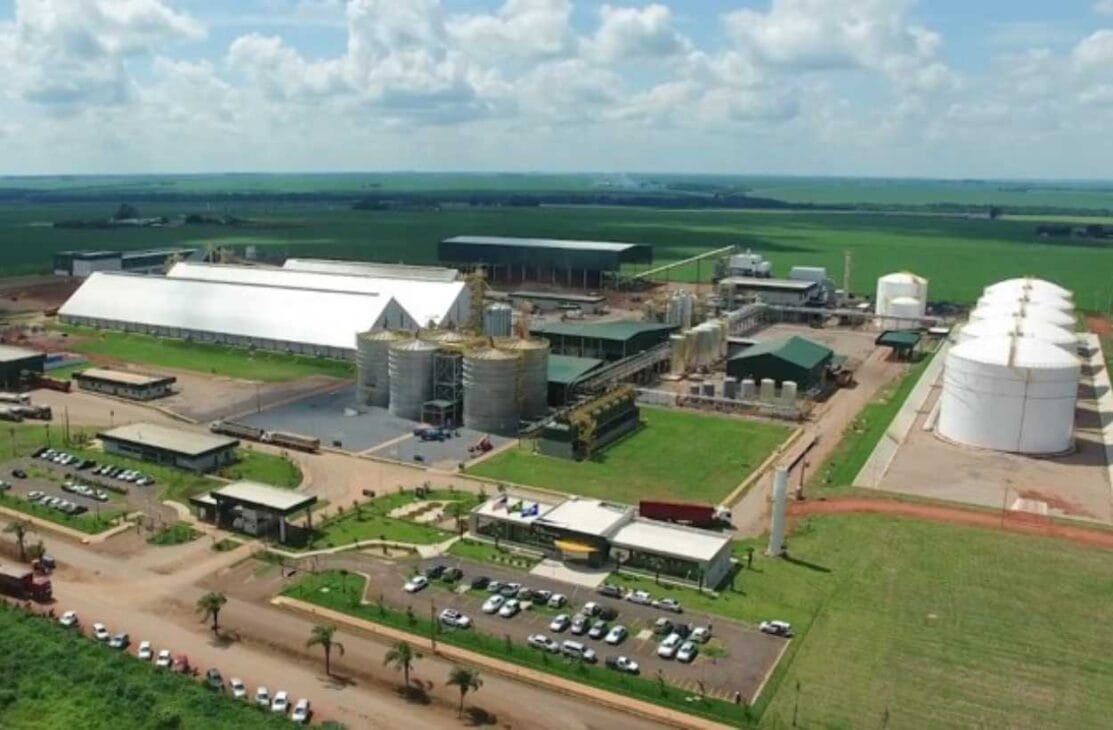
In Lucas do Rio Verde, Mato Grosso, known for leading the Brazilian agribusiness, corn ethanol production is gaining prominence. The state, which generates over R$ 200 billion annually, is now the scene of a highly efficient process that not only produces ethanol but also animal feed and mineral oil for biodiesel.
The production of corn ethanol incorporates practices of energy efficiency and waste reduction. The use of biogas produced from byproducts of the process, such as animal manure, minimizes dependence on fossil fuels and contributes to a cleaner and renewable supply chain. This closed cycle of production and consumption demonstrates not only the viability of corn ethanol as an alternative biofuel but also its role in fostering sustainable agricultural and industrial systems.
And What Is the Main Raw Material for Ethanol?
The raw material, second crop corn, previously seen as merely a preparation for the next soybean planting, now acquires new value. Transported in large quantities, it is processed in a plant where each grain is valued. In production, corn starch is transformed into sugar, fermented, and distilled to become ethanol, while byproducts are used for animal feed and electricity production.
This industry not only exemplifies efficiency in resource utilization, transforming almost 100% of the corn into useful products but also highlights the integration of sustainability in the production cycle. The biogas generated from waste is converted into energy, powering the system and contributing to environmental sustainability.
Biofuel in Brazil Is Growing More and More
Biofuel in Brazil, such as corn ethanol, is a renewable energy source that stands out for its ability to reduce dependence on fossil fuels and decrease greenhouse gas emissions. Corn ethanol falls into this category as a sustainable alternative produced through the processing and fermentation of sugars present in corn.
The production of biofuel from corn has various environmental and economic advantages. Ecologically, it contributes to reducing emissions of pollutants, as the CO₂ released during the burning of ethanol is offset by the carbon absorbed by corn during its growth, creating a more balanced carbon cycle. Economically, it promotes energy diversification and can boost the local economy, especially in agricultural regions.







